







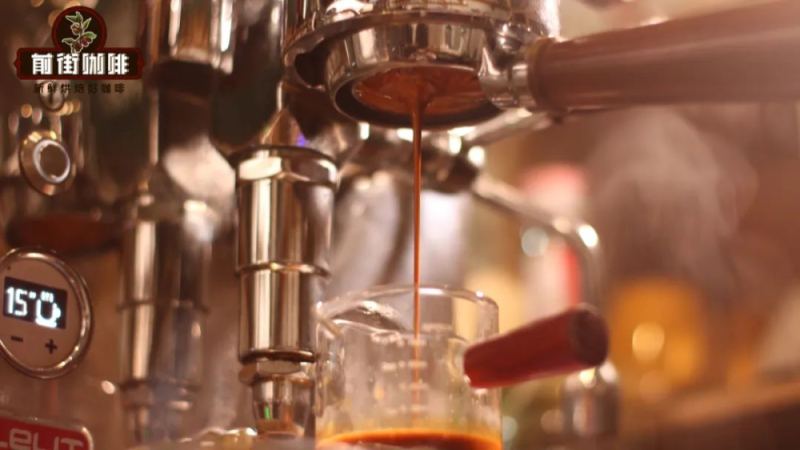
How does coffee grinding affect espresso flow rate?
Espresso can run fast or slow even when the beans, grind setting and dose stay the same. Three variables explain most of it: the difference between pressurized and unpressurized hoppers during coffee grinding, heat building up in the burrs after continuous use, and the boiler load when the machine steams milk and pulls a shot at the same time.
With a pressurized hopper, beans are held down and break more evenly; with only a small dose in an unpressurized hopper, beans can bounce and be crushed repeatedly, giving coarser, less consistent particles. Understanding how does espresso machine work, including burr temperature and boiler demand, helps control extraction stability in daily brewing.
The same beans, the same grind setting and dose—so why does the espresso extraction time sometimes run fast and sometimes slow? Many coffee lovers have encountered this confusion. Drawing on Front Street Coffee's practical experience, this article systematically breaks down three common causes of extraction inconsistency: the grind difference between pressurized and unpressurized hoppers, the heat buildup in the burrs after continuous operation, and the load problem with the espresso machine's boiler when extracting and steaming milk at the same time. Understanding these variables will help you control extraction stability more precisely in your daily brewing.
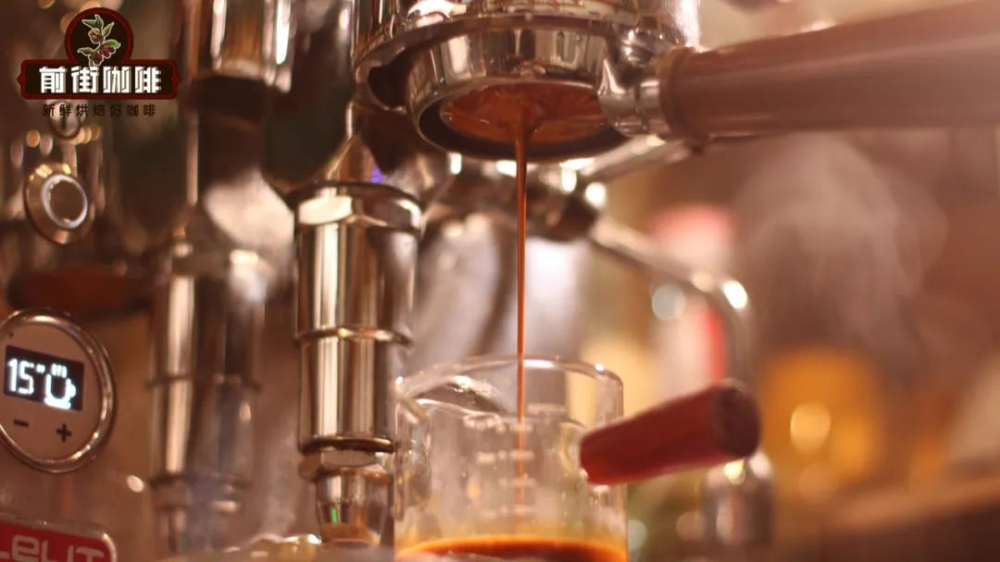
Many coffee enthusiasts have run into this puzzlement: the grind setting hasn't changed and the dose is exactly the same, so why does the espresso extraction vary so much? If you've encountered a similar situation, it's most likely one of the following three factors at play. Next, Front Street Coffee will analyze them one by one.
1. No pressurized hopper
In the context of coffee grinding, "pressurized hopper" and "unpressurized hopper" are two commonly mentioned terms. A pressurized hopper means applying a greater downward force to the coffee beans before grinding—this force can come from the weight of a large amount of beans stacked in the hopper, or it can be achieved with other heavy objects. An unpressurized hopper is the opposite: only a small amount of beans is poured in, just enough for one or a few extractions, and the beans essentially receive no additional pressure during grinding.
(For reference only; left is pressurized hopper, right is unpressurized hopper)
The specific differences between pressurized and unpressurized hoppers are not the focus of this article, so Front Street Coffee will explain briefly here: when grinding with a pressurized hopper, the coffee beans are under pressure and won't bounce around when squeezed by the burrs, resulting in more uniform particles; without a pressurized hopper, the beans lack restraint and tend to fly out when caught by the burrs, then fall back in and get ground repeatedly—a single bean may undergo multiple crushings, ultimately reducing particle uniformity and producing a coarser overall grind.
Because the particles from an unpressurized hopper are not uniform enough and the results fluctuate each time, this represents a significant variable for pressure-based extraction. The flow rate and espresso flavor during extraction will naturally change as a result.
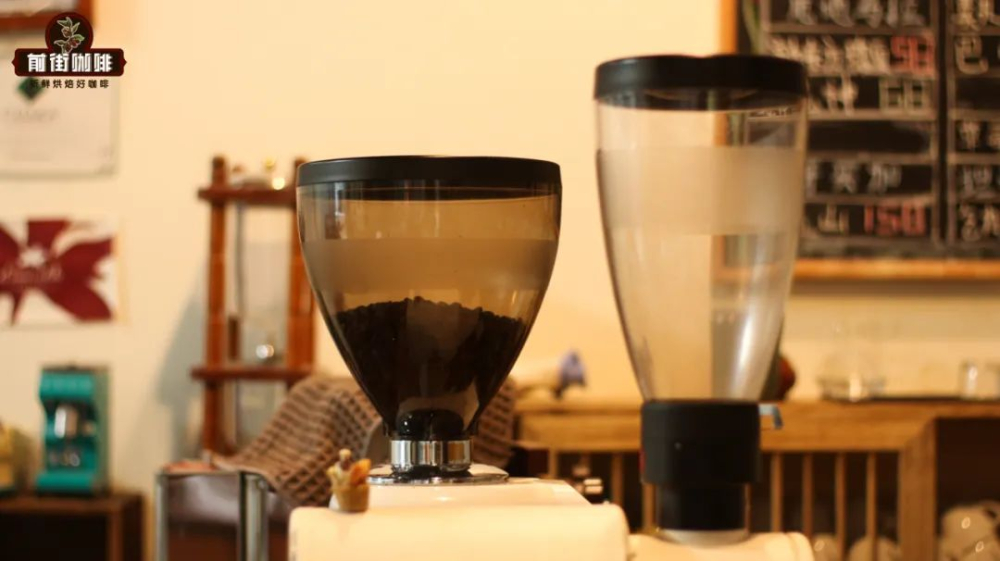
Therefore, if you need to extract multiple cups consecutively, it's best to use a pressurized hopper. After applying a certain amount of pressure to the coffee beans, the grind particles will be more uniform and the extraction state more stable. You don't have to use coffee beans themselves for the pressurized hopper—any other weighted object will work too, as long as it's properly wrapped.
2. Burr heating
When you pull too many consecutive shots and the burrs run at high frequency for a long time, burr heating occurs.
Heated burrs make the coffee beans they contact more brittle—in other words, easier to grind. But at the same time, the resulting particles also tend to be coarser, which changes the flow rate.
In addition, hot burrs accelerate the loss of flavor compounds in the coffee grounds. At higher temperatures, oxidation speeds up, and heat is the natural enemy of flavor.
So, for home extraction scenarios, to maintain consistency you can slow down the pace of consecutive shots; for café scenarios, it's best to make corresponding adjustments to your extraction parameters. (But it's not recommended to change the grind—just increase or decrease the dose)
3. The espresso machine's boiler problem
There is another situation that stems from the espresso machine itself. Many machines that people use don't have a boiler that supports steaming milk and extracting espresso at the same time. Even if it barely can, the pressure or water temperature during extraction will be extremely unstable, ultimately causing significant deviations in extraction time and coffee taste.
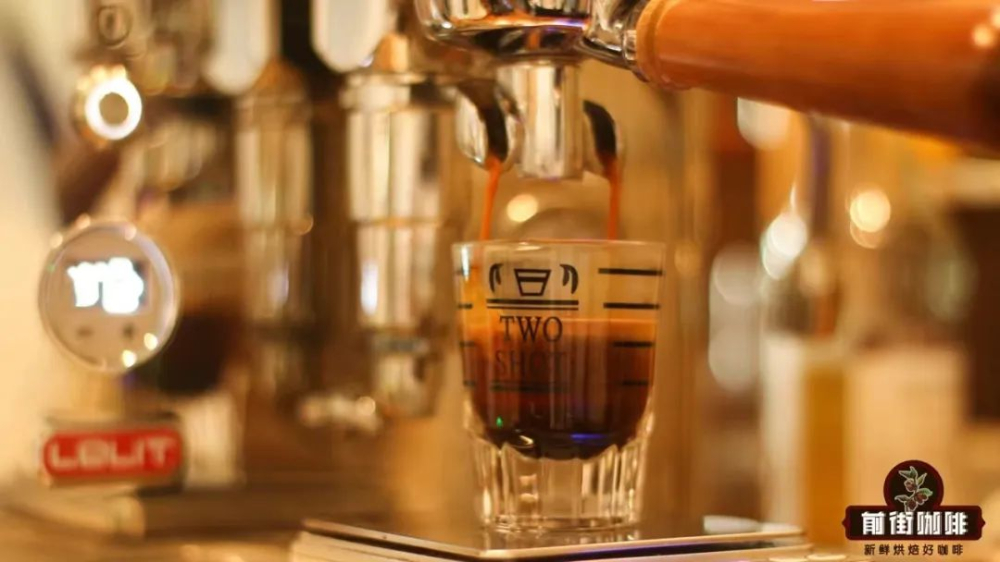
When facing this kind of problem, the solution is actually quite straightforward: just operate in sequence. Complete the espresso extraction first, then steam the milk. This way, the boiler won't bear too much load during the extraction phase, and its performance can remain stable.
- END -
The above content is compiled by CoffeeHunters, a coffee news website.


