







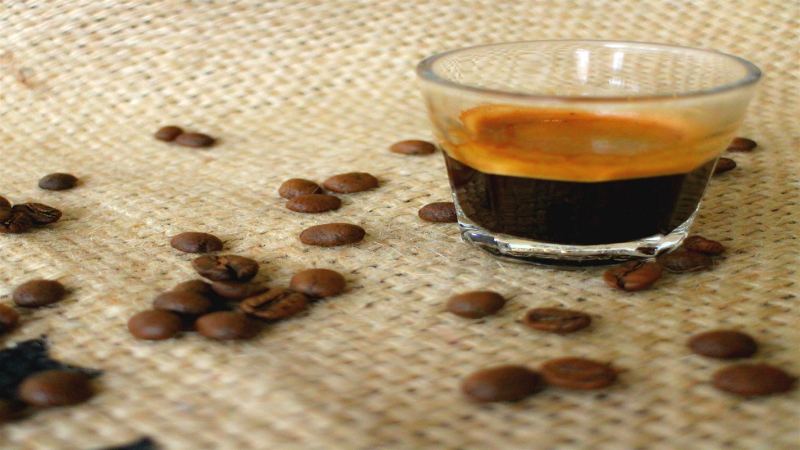

The most fundamental purpose of coffee is to keep you alert. Whether it's an espresso you down before rushing off, the ever-present American-style drip coffee pot in the office, or even a single-origin pour-over you go out of your way to a café for, they all share that energizing function. People simply choose the right coffee based on different scenarios, functions, and taste preferences.
So, with so many types of coffee out there, which one is the most effective at keeping you awake?
Why does drinking coffee keep you alert?
Coffee's alerting effect mainly comes from caffeine. The reason we feel tired is that a substance in our body called adenosine controls it. The longer we stay awake, the more adenosine accumulates in our body, making us more prone to drowsiness. Caffeine, however, can block adenosine from binding to brain neurons, so the brain doesn't receive the "message from adenosine that we're tired," and thus keeps up its drive to keep working, making people not feel tired (in plain terms, you've used caffeine to trick your brain).
So the most alerting coffee must be the one with a higher caffeine content. Ultimately, the caffeine content in coffee mainly depends on the caffeine content of the coffee beans and the brewing method. So Front Street will discuss this in two steps.
How much caffeine does a cup of coffee typically contain?
The release of caffeine is also related to time. Under the same high-temperature extraction, coffee with a longer extraction time will have a higher caffeine content. So espresso-based coffee drinks are actually not the highest in caffeine. Pour-over drip coffee and French press immersion coffee have higher caffeine content. Although cold brew and ice drip coffee are extracted at low temperatures, their extremely long extraction times make their caffeine content higher than all the above.
Below, Front Street provides some common coffee drinks' caffeine content for reference: (Note: all coffee beans are Arabica; cold brew and ice drip coffee are affected by extraction time, here based on 8 hours for ice drip and 12 hours for cold brew)

Making espresso uses 20g of Front Street Signature Blend coffee beans, extracting 40g of coffee liquid in 25–30 seconds, yielding about 100mg of caffeine;Because they all use a double shot of espresso as the base, the caffeine content of drinks like latte, Americano, and cappuccino is the same as espresso.
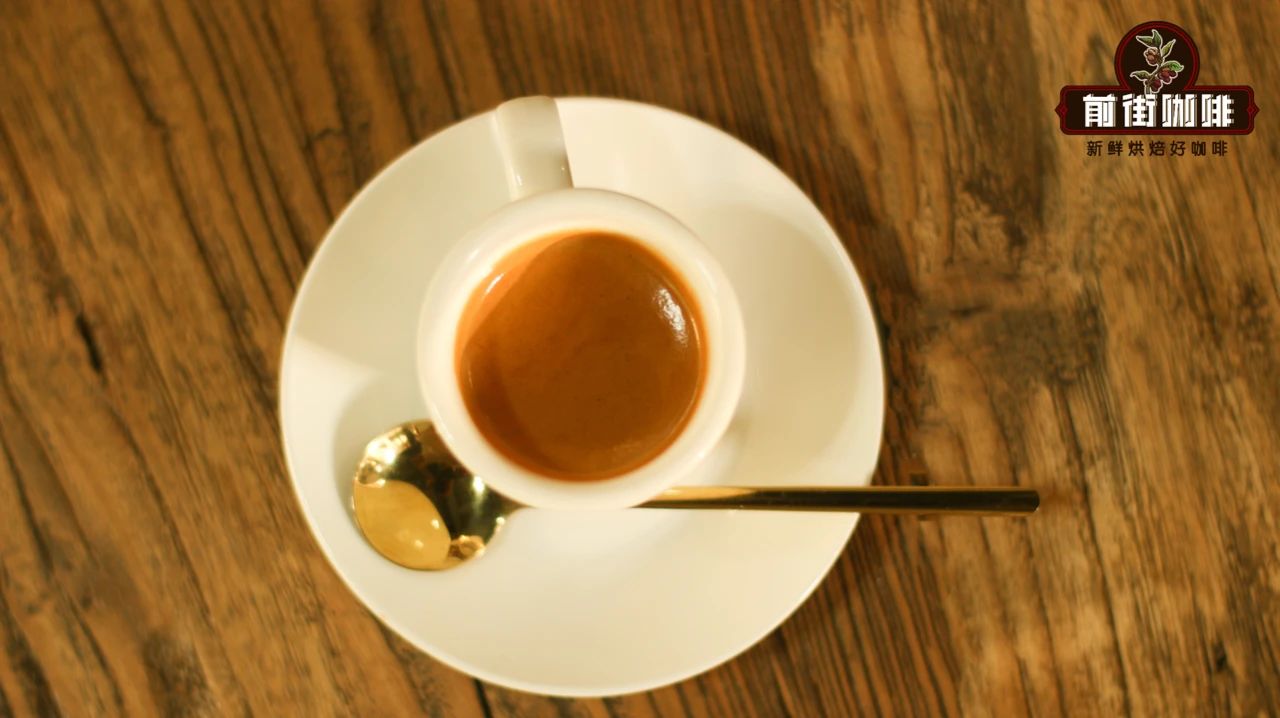
That is to say, whether it's a hot Americano or an iced Americano, since both add 40g of coffee liquid, their caffeine content is the same, and they keep you equally alert after drinking.

If you use 15g of grounds to make pour-over coffee, brewing 195ml of coffee liquid, the caffeine is about 90mg;When using 20g of coffee grounds to make pour-over coffee, obtaining 260ml of coffee liquid, the caffeine becomes 120mg;

French press (20g grounds / 4 minutes) is about 135mg;
Ice drip coffee (one cup with 20g grounds / 200ml coffee) is about 135mg;
A cup of cold brew coffee uses 20g of Front Street Strawberry Candy coffee grounds, finally yielding 200ml of coffee liquid. Drinking one cup of cold brew this way takes in about 140mg of caffeine;
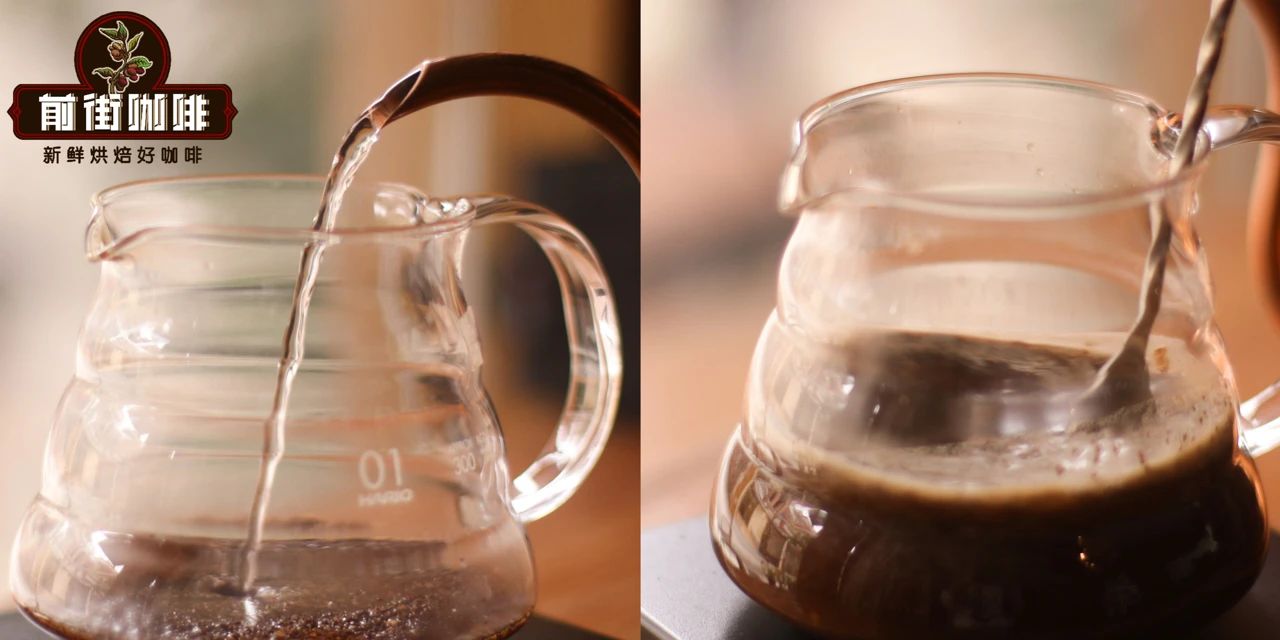
Drip bag coffee (one bag of 10g grounds / 120ml coffee) is about 50mg;
Instant coffee (one bag) is about 50mg.
How many cups of coffee can you drink at most in a day?
According to surveys, an adult's daily caffeine intake should not exceed 400mg. So that means, theoretically, as long as the intake is below this value, there generally won't be a problem! That is to say, for Americano, no more than 4 cups a day is fine; if drinking cold brew, no more than 3 cups a day is fine.
But we should know that everyone's constitution is different, and tolerance to caffeine varies from person to person. So Front Street recommends drinking coffee in moderation. If you experience palpitations, rapid heartbeat, shortness of breath, or other reactions after drinking coffee, it's advisable to reduce your intake, or keep it to just one cup of Americano or latte a day.
The above content is compiled by CoffeeHunters, a coffee news website.


