







Search Results for: El Diviso farm
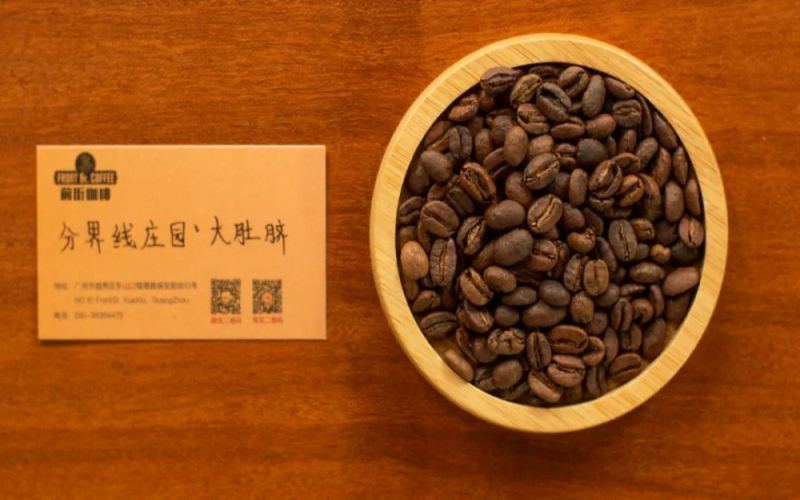
Colombia Finca La Divisa Ombligon Coffee Variety Analysis: A Full Reveal of Flavor Characteristics and Processing Methods
In the world of specialty coffee, there are always some rare varieties that burst into the public eye with their unique flavor expressions. Ombligon is a rising star that has attracted much attention in recent years—it originates from Finca El Diviso in the Huila region of Colombia, and is named for the navel-like shape at the bottom of the fruit. From the 2023 WBC finals to the Chicago WBrC, this bean has frequently appeared on the international competition stage, conquering judges and coffee lovers with its rich and varied juicy feel and fermented wine aroma. This article will give you a comprehensive understanding of the variety origin of Ombligon, its flavor characteristics, the background of Finca El Diviso, and its meticulous double anaerobic natural processing flow, along with Front Street Coffee's pour-over parameter suggestions, so that you can recreate the bean's captivating layers at home. [more…]
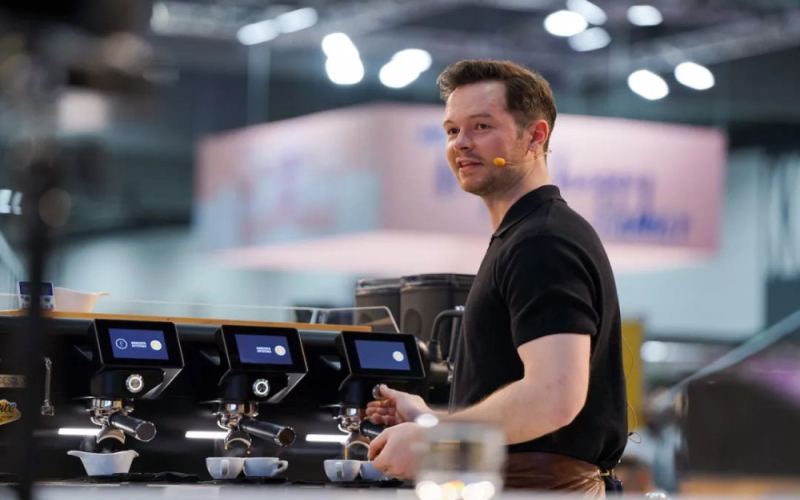
The Same Sidra Coffee as the 2022 WBC Champion: A Complete Analysis of the Flavor and Origin of Colombia's Sidra Variety
At the 2022 World Barista Championship, Anthony Douglas claimed the crown with a Sidra coffee from Colombia's Finca El Diviso, making this rare variety once again the focus of the specialty coffee world. In fact, back in 2019, Korean champion Jooyeon Jeon had already chosen an Ecuadorian Sidra to take the WBC stage. Where exactly does Sidra come from, and why can it rival Geisha? This article will walk you through the origins of the Sidra variety, the background of Colombia's Finca El Diviso, and the flavor profile and pour-over recommendations for this championship bean. Front Street Coffee has also brought in a Sidra lot from Finca El Diviso, using double anaerobic washed processing and a medium-light roast, presenting rich fruity notes of apricot, citrus, and grape. [more…]
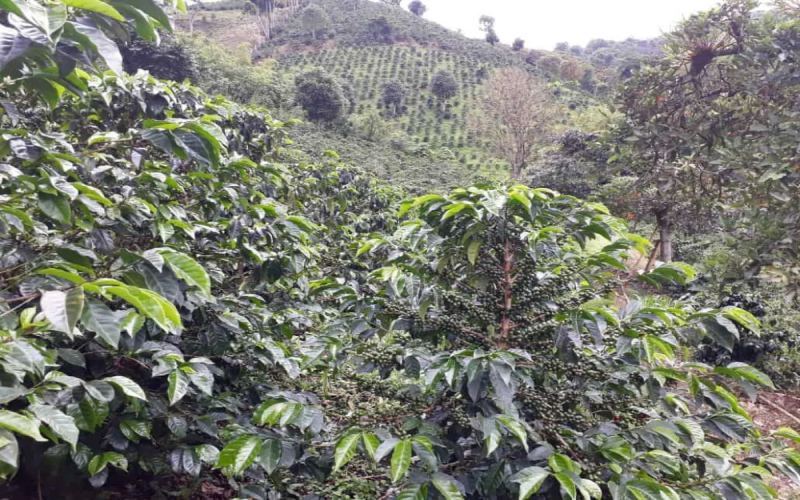
The Evolution of Colombia's Coffee Industry: From War and Decline to the Rise of the FNC, with Notes on Finca El Diviso's Sidra and Geisha
Colombia is located in the northern part of South America. Geographically, the western region consists of the Andes mountains and coastal plains, while the eastern region is made up of the Orinoco Plains and the Amazon Plains. Coffee is said to have been brought to this land by Jesuit monks in 1723, but it was not until the late 19th century that it truly developed into an industry. After that, the country experienced wars, and coffee cultivation declined for a time. The government then divided up wasteland and sold it to farmers, which allowed coffee to regain momentum in 1912 and account for half of total exports. Small farms lacked bargaining power in the market, which led to the creation of the coffee federation in 1920 and its development in 1927 into the more authoritative National Federation of Coffee Growers of Colombia (FNC). Through quality control, the establishment of research centers, and the creation of the Juan Valdez image, the FNC propelled Colombia to become the world's third-largest coffee producer and exporter. This article will also introduce Hacienda La Esmeralda in the Huila growing region, as well as Sidra and Geisha, which became popular after winning the 2022 WBC. [more…]
Sidra Coffee Variety Origin and Champion Bean Analysis: Colombia Finca El Diviso Flavor and Front Street Brewing Parameters
The rare variety Sidra came into the public eye thanks to its selection by two World Barista Championship winners. It originally comes from Pichincha Province, Ecuador, and genetic research shows it is related to Ethiopian native varieties. It is currently grown mainly in Ecuador and Colombia. The anaerobically fermented Sidra lot from Finca El Diviso in the Huila region of Colombia, selected by 2022 WBC champion Anthony Douglas, has further driven the estate and the variety's rising popularity. This article will sort out Sidra's origins, plant characteristics, and flavor profile, and introduce the Sidra coffee beans from Finca El Diviso brought in by Front Street Coffee, along with brewing suggestions, providing a complete reference for coffee lovers. [more…]
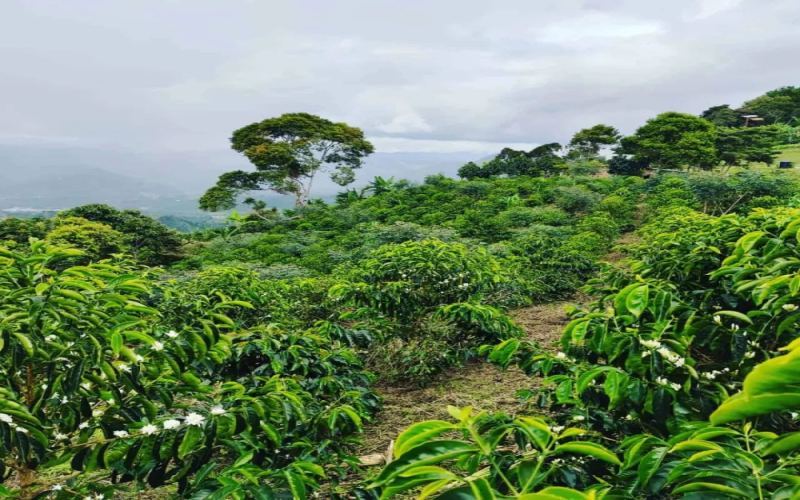
Colombia Huila Region Finca La Divisa Sidra Coffee Bean Variety and Flavor Analysis
Colombia, as the world's third-largest coffee producer and the largest exporter of Arabica, has given rise to numerous specialty coffee regions thanks to the high altitudes, volcanic soils, and diverse microclimates of the Andes. Huila is one of the most representative specialty regions, and Finca El Diviso is located there. The estate rose to fame after the 2022 WBC champion chose its Sidra coffee beans. This article introduces Colombia's coffee-growing conditions, the terroir of the Huila region, the background of Finca El Diviso, and the origins, cultivation characteristics, and Front Street Coffee's brewing performance of the Sidra variety, giving you a comprehensive understanding of the appeal of this rare variety. [more…]
A Complete Guide to Colombian Sidra Coffee Beans: From Huila's Finca La Divisa to Fame via Two WBC Champions
The Sidra variety has risen to fame in the specialty coffee world in recent years, becoming a focal point after being chosen by two World Barista Championship winners. It originally came from Ecuador, developed by crossbreeding Typica and Red Bourbon, and genetic testing shows it has a genetic connection to Ethiopian landraces. It is currently mainly grown in Ecuador and Colombia, with Finca El Diviso in the Huila region of Colombia drawing much attention after Anthony Douglas's championship win. Front Street Coffee has also introduced this bean, using a double anaerobic washed process and a medium-light roast, presenting rich fruit flavors of apricot, citrus, and grape. This article will guide you through the origins of Sidra, the story of Finca El Diviso, the variety's characteristics, and Front Street's brewing recommendations. [more…]
A Complete Guide to the Varieties and Flavors of Colombia Huila Finca La Divisa Sidra Coffee Beans
Colombia, with its high-altitude mountains, volcanic soil, and abundant rainfall, has become the world's third-largest coffee-producing country. Among its many regions, the southern Huila Department is known for its pure and gentle flavors, while Finca El Diviso has gained widespread fame after the 2022 WBC champion chose its Sidra coffee beans. This article will guide you through Colombia's coffee-growing conditions and the terroir characteristics of the Huila region, offer an in-depth look at Finca El Diviso's family background and the origins and botanical characteristics of the Sidra variety, and include complete brewing information and flavor notes for Front Street Coffee's double anaerobic natural Sidra. [more…]
A Comprehensive Analysis of the Development History of Colombian Coffee and the Sidra Variety from Finca La Divisa in Huila
Colombia is the world's third-largest coffee producer and the largest producer of washed Arabica, with specialty-grade beans making up as much as 40% of its exports. From the early experiments of Don Mariano Ospina Rodríguez in the 19th century to the founding of the National Federation of Coffee Growers in 1927, Colombia's coffee industry has forged a distinctive path of development. This article traces the historical threads of Colombian coffee and the distribution of its main producing regions, with a focus on Finca El Diviso in the Huila region, as well as the Sidra variety that has attracted considerable attention in recent years—what exactly is the appeal of this coffee that once shone on the world barista championship stage? Front Street Coffee has also brought in Sidra coffee beans from this estate, and the pour-over parameters will be shared below. [more…]
The Origins, Development, and Major Producing Regions of Colombian Coffee: A Comprehensive Interpretation from History to the Sidra Variety
As the world's third-largest coffee producer, Colombia is also the largest processor of washed Arabica, with 40% of its exported beans reaching specialty grade. Front Street Coffee regularly offers a range of Colombian beans in its stores, including Rose Valley, Flower Moon Night, Big Belly Button, Sidra, and Huila, all of which can be brewed by pour-over. This article begins with the nineteenth-century planting experiments, traces key milestones such as the founding of the FNC, introduces representative regions like Huila, Cauca, Nariño, and Santander, and focuses on analyzing the Sidra variety that has gained fame in recent years due to the World Barista Championship, as well as the cultivation story of Finca La Línea in the Huila region. Finally, it includes Front Street Coffee's pour-over parameters for Sidra coffee beans. [more…]
The Development History of Colombian Specialty Coffee and an Analysis of the Sidra Variety at Finca La Divisa in Huila
Colombia, as the world's third-largest coffee producer and the largest processor of washed Arabica, has a specialty-grade share of up to 40% in its coffee exports. From the establishment of the first experimental plantation by Don Mariano Ospina Rodríguez in the 19th century to the founding of the National Federation of Coffee Growers of Colombia in 1927, the Colombian coffee industry has undergone more than a century of development. In this article, Front Street will take you through this history, outline the characteristics of representative producing regions such as Huila and Cauca, and focus on Finca La Divisa in the Huila region and its Sidra variety—a coffee that has attracted much attention since being selected by Anthony Douglas, the 2022 World Barista Champion. What exactly makes it so uniquely charming? [more…]
Origins of Coffee Cultivation in Colombia and Analysis of the Sidra Variety: From Historical Evolution to Front Street Coffee's Hand-Brewed Flavor
Colombia is the world's third-largest coffee-producing country and the largest processor of washed Arabica, with specialty-grade beans accounting for 40% of its exports. From Don Mariano's establishment of the first experimental plantation in the 19th century, to the founding of the National Federation of Coffee Growers in 1927, and then to the emergence of the Sidra variety from specialty estates on the international stage, Colombian coffee has walked a path of specialization supported by smallholder farmers. In this article, Front Street Coffee provides a comprehensive overview of Colombian coffee, from its historical context and producing regions to the characteristics of the Sidra variety and the cultivation story of Finca La Divisa, along with Front Street's pour-over parameters and flavor description for Sidra coffee beans. [more…]

Pink Bourbon Coffee Full Analysis: Flavor Differences from Red and Yellow Bourbon, Brewing Parameters, and Front Street Finca El Diviso Hands-On Test
Pink Bourbon has attracted much attention in the specialty coffee circle in recent years thanks to its pinkish fruit and elegant flavor reminiscent of Geisha. How exactly does it differ from Red Bourbon and Yellow Bourbon? This article covers the variety's origins and genetic controversies all the way to practical brewing, giving you a comprehensive understanding of this rare bean. Front Street Coffee recently acquired Pink Bourbon from Finca Sanctuario in Colombia, using a honey process, with a medium-light roast and 92°C water for extraction; in cupping it showed layers of berry, citrus, floral, and oolong tea notes. If you're also curious about coffee varieties with colors in their names, or want to find a high-quality option that closely resembles Geisha, this article will give you the complete answer. [more…]

What variety is Chili Geisha coffee? What is the relationship between Aji, Bourbon, and Geisha? Does the Chili bean from Finca La Divisa really taste spicy?
In recent years, a rather buzzworthy name has emerged in the coffee world—Aji Chili Coffee. Is it actually Bourbon? Why is it also called Chili Geisha? Do the beans really carry a chili flavor? Front Street Coffee specially acquired a small lot of washed Aji Chili beans from Finca La Divisoria in Colombia, peeling back the layers of this mysterious coffee—from its varietal origins and genetic identification to actual cupping flavors. The article also fully documents Front Street's roasting approach and tasting impressions, helping you understand the identity and taste of Aji Chili Coffee all at once. [more…]
Coffee Enzyme Washed | What Is the Enzyme Washed Coffee Processing Method? How Does the Enzyme Washed Process Work? An Introduction to the Flavor and Taste Characteristics of Colombia Rose Valley Coffee
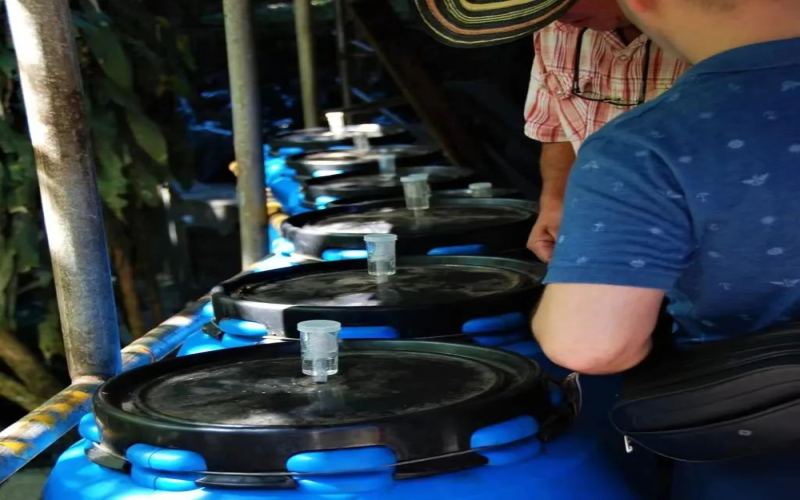
In recent years, there have been more and more innovative coffee processing methods, and new types of processing such as anaerobic processing, enzyme processing, and carbon dioxide maceration processing have begun to carve out a small niche for themselves. The enzyme-washed processing method that this article will introduce was met with mixed reviews when it first appeared, and now, years later, Front Street will take everyone back to observe this [more…]
Distribution and Flavor Characteristics of Colombian Coffee Regions: An Analysis of Andean Micro-Lots and the Case of Zacatin
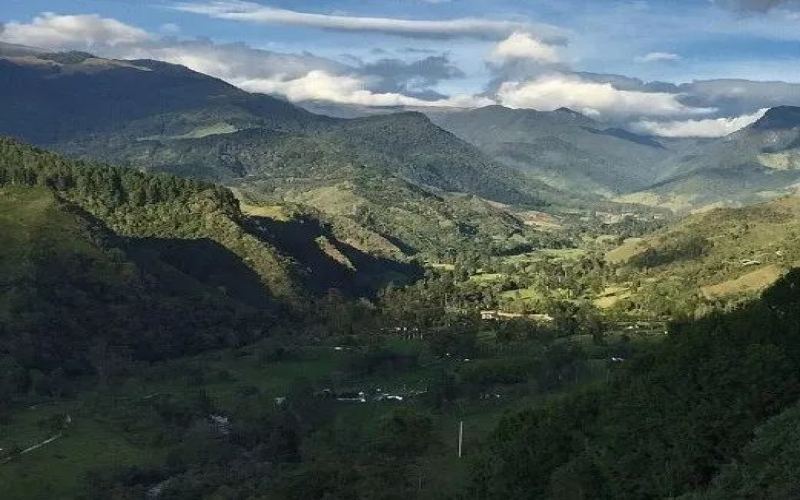
South America contributes over half of the world's coffee production, with Brazil and Colombia ranking as the world's first and third largest producers respectively. Unlike Brazil's large-scale plantation model, Colombia, due to its complex mountainous terrain and diverse microclimates, is dominated by small coffee estates. The best-selling Sidra, Rose Valley, and Flower Moon on Front Street Coffee's bean list come from locally renowned estates. Colombian coffee is mainly distributed in the central and western Andes mountain range, with 15 production regions divided by province nationwide. Cauca, Santander, Antioquia, Narino, Tolima, and Huila are the main forces. Huila's Finca La Divisa, Tolima's Finca La Roca, and Cauca's Finca La Esperanza are widely known, while Antioquia, though famous for its high yield, also has family businesses like Finca Zacatin that produce high-quality coffee. [more…]
Exploring Sidra and Pacas: The Origins, Characteristics, and Current Cultivation Status of Two Distinctive Coffee Varieties
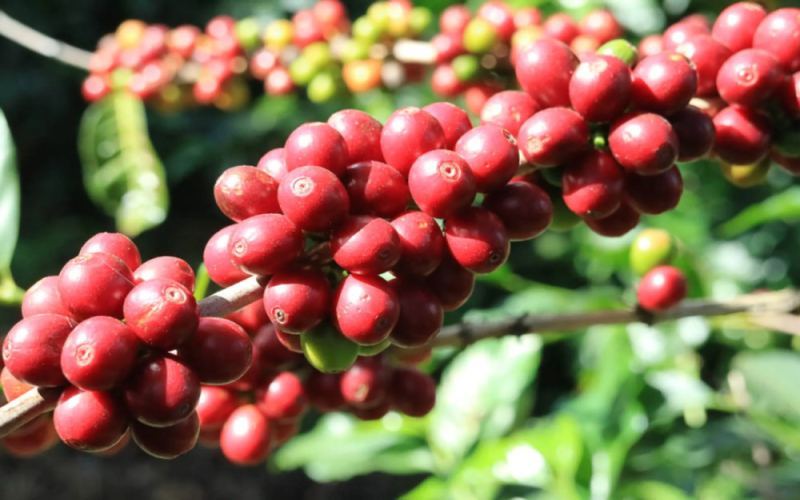
In the world of specialty coffee, beyond common varieties like Bourbon, Typica, and Caturra, some rare bean varieties are gradually coming into the public eye. Sidra and Pacas are two representatives that have attracted much attention. Sidra originated in Ecuador and rose to fame after winning the World Coffee Championship, and now performs brilliantly in Colombia's Huila region; Pacas is a natural mutation of Bourbon and is widely grown in El Salvador and Honduras. This article will introduce in detail the origins, genetic characteristics, growing conditions, and flavor profiles of these two varieties, and bring a brewing experience of the Sidra coffee beans from Colombia's Finca La Divisa obtained by Front Street Coffee. [more…]
A Complete Flavor Guide to Colombia's Coffee Regions: Bean Characteristics from Huila to Cauca and a Guide to Brewing Sidra by Hand
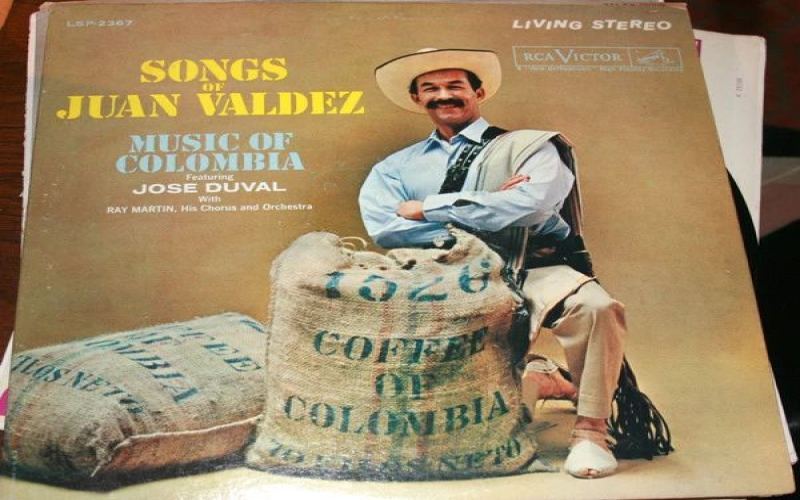
Colombia is one of the few single-origin coffee producers in the world named after its country. Thanks to the superior terroir of the Andes and the meticulous farming of smallholders, it nurtures specialty coffees with diverse flavors. This article systematically reviews Colombia's main producing regions—Santander, Antioquia, Tolima, Huila, Cauca, and Nariño—covering their geography, climate, processing methods, and the flavors of representative beans, and focuses on the origins of the Sidra variety and the competition-grade performance of Finca El Diviso. It also includes Front Street Coffee's pour-over parameters and roasting suggestions for several Colombian beans, providing coffee lovers with a complete reference from understanding producing regions to brewing practice. [more…]
Colombian Huila Region Flor de Luna Coffee: A Complete Guide to Anaerobic Natural Processing and Pour-Over Flavor Profile
Front Street Coffee introduces the Colombia Huila region La Noche Buena coffee beans, produced using the anaerobic natural process, from the El Diviso estate, Caturra variety, at an altitude of 1,800 meters. This coffee is known for its flavors of strawberry jam, liqueur-filled chocolate, and fermented wine aroma. The article provides a comprehensive analysis of La Noche Buena's unique charm, from the terroir of the producing region, the estate's background, processing techniques, to the roasting curve and brewing parameters. Front Street Coffee has always been committed to sourcing coffee beans from different producing regions around the world, so that every enthusiast can find their desired flavor. If you favor rose floral notes, strawberry sweetness, and a cocoa finish, you might want to try this experimental La Noche Buena. [more…]
The Rise of Colombia's Coffee Industry and an Analysis of Its Main Producing Regions: From Conflict to a Specialty Coffee Powerhouse
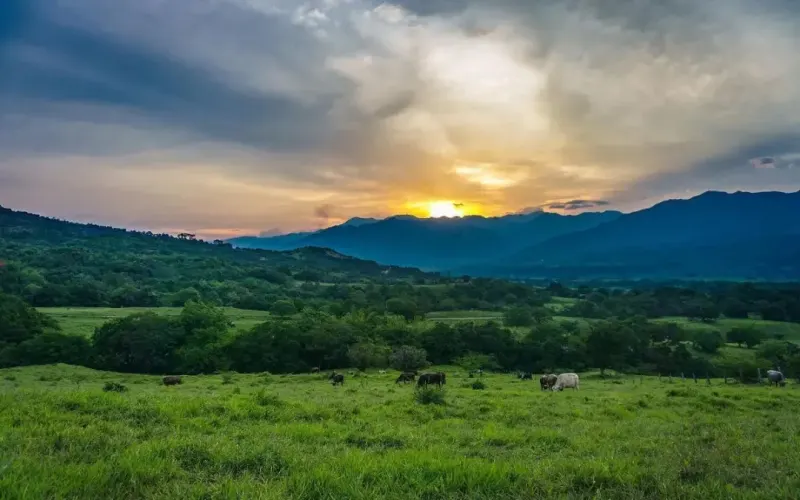
South America, with the volcanic fertile soils and tropical climate of the Andes, has nurtured major coffee-producing countries such as Brazil and Colombia. Among them, Colombia stands out as the world's third-largest coffee producer. Its western region is crossed north to south by three cordilleras, with numerous volcanoes, high-altitude mountains, and diverse climates providing ideal conditions for coffee to ripen year-round. However, Colombia's coffee industry has not had a smooth journey. After coffee was introduced in the 18th century, it suffered severe setbacks due to the wars of the 19th century. Only after the postwar land reforms and the efforts of the National Federation of Coffee Growers of Colombia (FNC) did it become a pillar of the national economy. Among the country's 15 producing regions, Huila is known for its canyon terrain, volcanic ash soil, and consistent quality. Front Street Coffee's washed Huila is a representative entry-level selection, while renowned estates such as Finca La Divisa and Roble Estate continue to write new chapters in specialty coffee. [more…]
An Analysis of the Coffee Characteristics of Colombia's Nariño Region and the Development History of the Obraje Estate
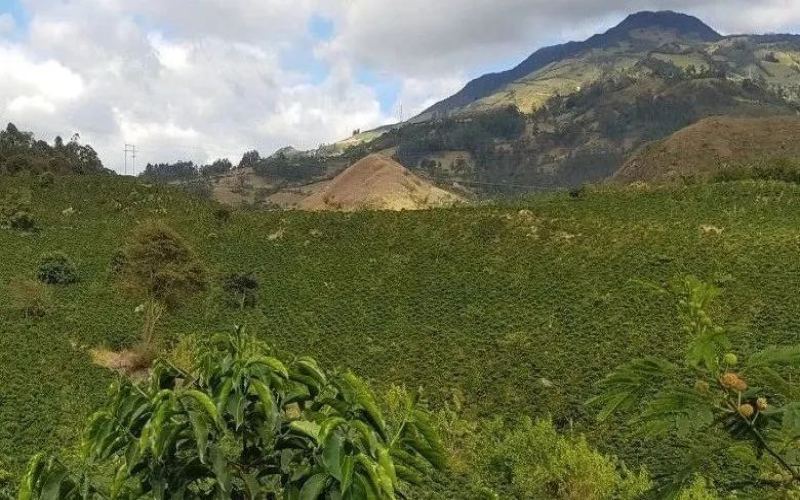
South America occupies a pivotal position in the global coffee supply, and within it, Colombia—thanks to the unique geographical and climatic conditions of the Andes—has given rise to numerous coffee-growing regions with strikingly different styles. As a rising star, the Nariño department is renowned for its complex flavors and floral aromas, while the Obraje estate is a pioneer and benchmark in this region. This article will guide you through the distribution characteristics of Colombia's coffee-growing regions, focus on analyzing the terroir advantages of the Nariño region, and review the Obraje estate's transformation from grain cultivation to COE champion. At the same time, we will also mention the Huila region representative from Front Street Coffee's everyday beans series for daily tasting reference. [more…]