







Search Results for: Ombligon
Colombian Ombligon Coffee Variety Analysis: Finca El Diviso Ombligon Flavor and Pour-Over Parameter Guide
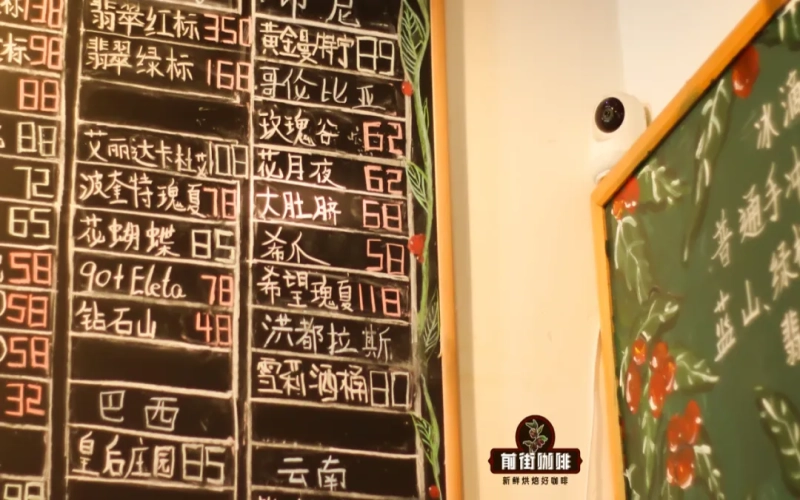
On the bean list blackboard at Front Street Coffee, the name Ombligon always sparks curiosity among friends. What kind of variety is it, really? Why is it called that? And how should it be brewed to bring out its unique flavors? This article will walk you through the origins of the Colombian Ombligon variety, its appearance, its growing regions, and how it made its way onto the stage of the World Barista Championship. We'll also share the detailed brewing parameters and flavor experience of Front Street's Finca La Divisa Ombligon, helping you better savor this complex and distinctive coffee. [more…]
Colombian Ombligon Coffee Variety Explained: A Complete Guide to Finca El Diviso's Ombligon Flavor and Growing Region
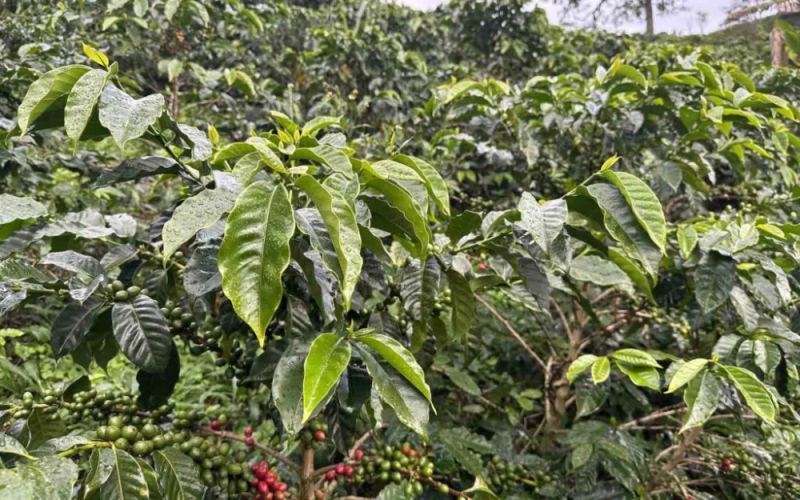
On Front Street Coffee's Colombian bean list, there is a coffee with a rather amusing name—Ombligon. What kind of variety is it exactly? Why does it have such a vivid name? Ombligon is a relatively recently introduced Arabica variety that is currently grown only in the Huila region of southwestern Colombia. It gets its name from the protrusion at the bottom of the fruit, which resembles a navel, and it rose to prominence through the World Barista Championship. Genetic research shows that it is related to Ethiopian landraces, while its plant characteristics are similar to Caturra, making it highly favored by local coffee farmers. Front Street Coffee has now also introduced Ombligon coffee beans from Finca La Divisa, using a double anaerobic process, presenting rich flavors such as blackcurrant, grapefruit, berries, and orange. This article will give you a comprehensive understanding of this unique variety's origins, characteristics, and brewing performance. [more…]
Colombia Finca La Divisa Ombligon Coffee: Variety Origin, Thermal Shock Fermentation Process, and Flavor Analysis
On the stages of the 2023 WBC finals and the WBrC in Chicago, a Colombian coffee variety named "Ombligon" appeared frequently, drawing industry attention. It comes from Finca El Diviso in the Huila region; its fruit resembles a papaya with a small ring at the bottom, and its name derives precisely from this. Genetic research shows it is related to Ethiopian landraces, yet it is a unique variety formed through natural mutation in Colombia. Finca El Diviso has tailored a processing protocol for Ombligon that includes hot-water flotation, sealed fermentation, and sugar-solution-activated yeast—known in the industry as "thermal shock fermentation"—allowing this bean to display layered fruit flavors reminiscent of grapes, oranges, blueberries, and pineapple juice. In this article, Front Street Coffee will guide you through a comprehensive understanding of Ombligon's varietal characteristics, estate background, processing details, and pour-over recommendations. [more…]
Colombia Finca La Divisa Ombligon Coffee Variety Analysis: A Full Reveal of Flavor Characteristics and Processing Methods
In the world of specialty coffee, there are always some rare varieties that burst into the public eye with their unique flavor expressions. Ombligon is a rising star that has attracted much attention in recent years—it originates from Finca El Diviso in the Huila region of Colombia, and is named for the navel-like shape at the bottom of the fruit. From the 2023 WBC finals to the Chicago WBrC, this bean has frequently appeared on the international competition stage, conquering judges and coffee lovers with its rich and varied juicy feel and fermented wine aroma. This article will give you a comprehensive understanding of the variety origin of Ombligon, its flavor characteristics, the background of Finca El Diviso, and its meticulous double anaerobic natural processing flow, along with Front Street Coffee's pour-over parameter suggestions, so that you can recreate the bean's captivating layers at home. [more…]
A Complete Analysis of Colombian Coffee Regions, Varieties, and Grading: From Huila Flavor Profiles to Front Street Coffee Roasting and Brewing Guide
Colombia has long been known as the land of "green gold," and its coffee is renowned worldwide for its rich, full-bodied character reminiscent of dark chocolate. With the rise of the fourth wave of specialty coffee, Colombian coffee has revealed a wealth of fruity sweetness and floral aromas, once again drawing in both new and veteran coffee lovers. This article systematically outlines the distribution of Colombia's three major coffee-producing regions—northern, central, and southern—analyzes the core logic of its grading system, which focuses solely on bean size rather than flavor, and provides a detailed introduction to the flavor profiles, medium-roast approach, and V60 three-pour brewing parameters of Front Street Coffee's everyday beans such as Huila, Narino, and Sidra, helping readers gain a comprehensive understanding of the diverse appeal of this South American coffee-producing nation. [more…]
The Historical Origins of Colombian Coffee and the Specialty Flavors of the Huila Region: From Front Street Coffee's Everyday Beans to Chiroso Cold Brew
Although Colombia is not a large country, it is a major coffee-producing powerhouse, second only to Brazil in global Arabica coffee production. From the early eighteenth century when Spanish missionaries brought coffee to this land, to the formation of a smallholder industry structure after the Thousand Days' War, and then to the establishment of FNC in 1927, Colombian coffee has traveled a tumultuous road. This article will take you through the historical threads of Colombian coffee and provide an in-depth interpretation of the most renowned Huila region—where volcanic ash soil gives the coffee refined fruit acidity, nutty flavors, and a caramel finish. Front Street Coffee selects high-altitude washed Huila as an everyday beans, with a medium-dark roast suitable for various extraction methods; in addition, there are Finca La Divisa's Ombligon and Sidra, the latter of which helped a competitor win the 2019 WBC championship. At the end of the article, the preparation steps for Sidra cold brew iced coffee are included for enthusiasts' reference. [more…]
Colombian Coffee | What Is Big Belly Button Coffee? Does Big Belly Button Refer to a Coffee Variety? What Are the Flavor Characteristics of Big Belly Button from Finca La Divisa in Colombia?
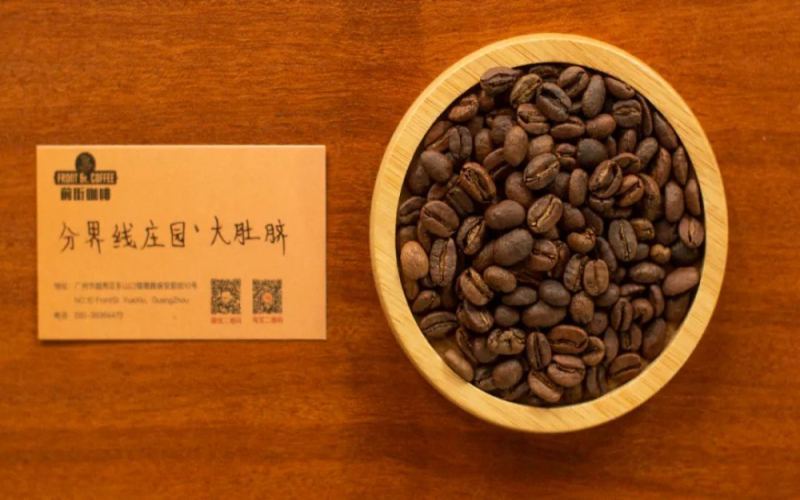
“Why is this coffee called Big Belly Button?” This is a question N friends ask when looking at the Front Street Coffee bean list blackboard! But indeed, it's not just on the Front Street Coffee bean list—the name Big Belly Button stands out no matter where it's placed, so it draws more attention than other coffees! [more…]

A Complete Guide to Colombian Coffee Bean Flavors: Castillo, Caturra Characteristics and Main Processing Methods Compared
Colombia is located in the northwest of South America, with a mild and humid climate that provides an ideal growing environment for coffee trees and has shaped the balanced, elegant style of local coffee. This article will explore the flavor characteristics and processing methods of Colombian coffee beans, focusing on the flavor differences between Front Street Coffee's Sidra and Front Street Coffee's Ombligon, and reviewing how washed, semi-washed, and anaerobic fermentation processes affect coffee performance. At the same time, the article will also share Front Street Coffee's Colombian coffee brewing parameters and techniques to help coffee lovers more fully understand this producing country known as the "coffee gentleman." [more…]
Flavor Analysis of Latin American Coffee Regions: The Rich Sweetness and Balanced Acidity of Brazilian and Colombian Specialty Beans
Latin American coffee occupies an important place in the global specialty coffee landscape, known for its balance, body, and mild fruit acidity, with common notes of cocoa and dark chocolate. Among these, Brazil, as the world's largest producer, offers diverse yields and regional styles; Colombia, on the other hand, is distinguished by its rich aroma, bright acidity, and nutty notes. This article systematically reviews the geography, climate, main producing regions, processing methods, and flavor characteristics of the two countries, and intersperses specific recommendations from Front Street Coffee such as Brazil Cerrado, Queen Estate, and Colombia Hi-Paw and Big Belly, helping coffee enthusiasts understand the full picture of Latin American beans from commercial bulk to specialty micro-lots. [more…]
A Complete Guide to Anaerobic Fermentation Processing: The Differences Between Anaerobic Natural, Anaerobic Washed, and Double Anaerobic Methods
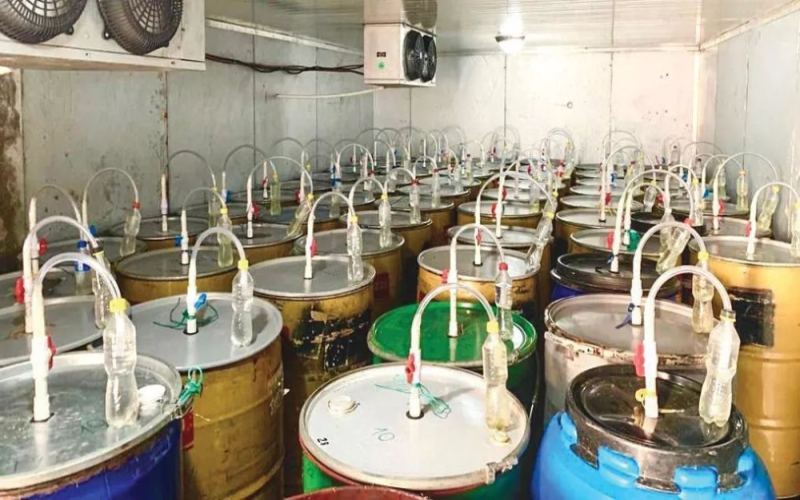
Anaerobic fermentation processing is a green bean processing technology that has attracted much attention in the coffee industry in recent years. Since Sasa Sestic, the 2015 WBC champion, brought it to the forefront, it has quickly swept through the specialty coffee world. Inspired by red wine-making techniques, this processing method injects carbon dioxide into a sealed container to expel oxygen, creating an oxygen-free environment that allows precise control of the fermentation process, giving coffee beans higher sweetness and more unique flavor layers. As processing technologies continue to evolve, experimental methods such as anaerobic natural, anaerobic washed, and double anaerobic have emerged one after another, each presenting distinctly different flavor expressions. This article will systematically sort out the principles and origins of anaerobic fermentation, and analyze one by one the process steps and flavor characteristics of these three common anaerobic processing methods, while also explaining them in conjunction with specific Front Street Coffee bean offerings. [more…]
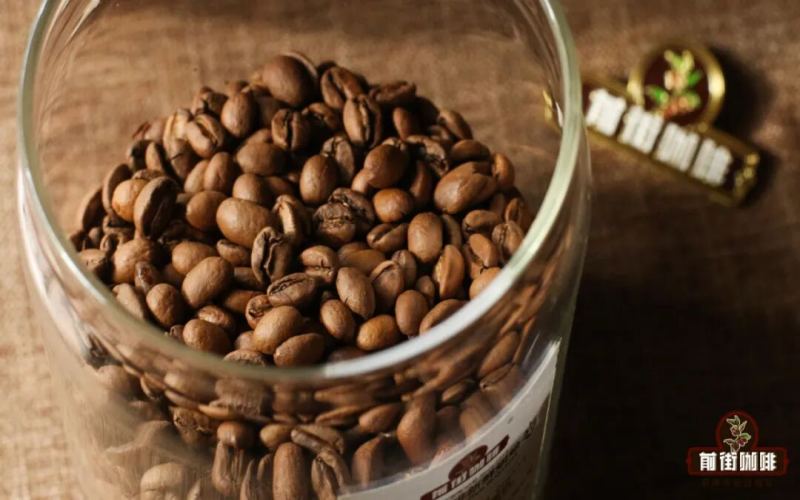
Coffee Knowledge | How to Quickly Identify Coffee Bean Roast Levels? Introduction to Grind Size and Brewing Water Temperature Parameters for Medium-Light and Medium-Dark Roasted Coffee
As everyone knows, Front Street Coffee mainly sells beans and has shops on both Taobao and Tmall, so friends who can't make it to the store often place orders online. Then some friends noticed that the labels on Front Street Coffee's beans don't indicate the roast level of the coffee beans, so they reported that after receiving them, they didn't know how to identify [more…]
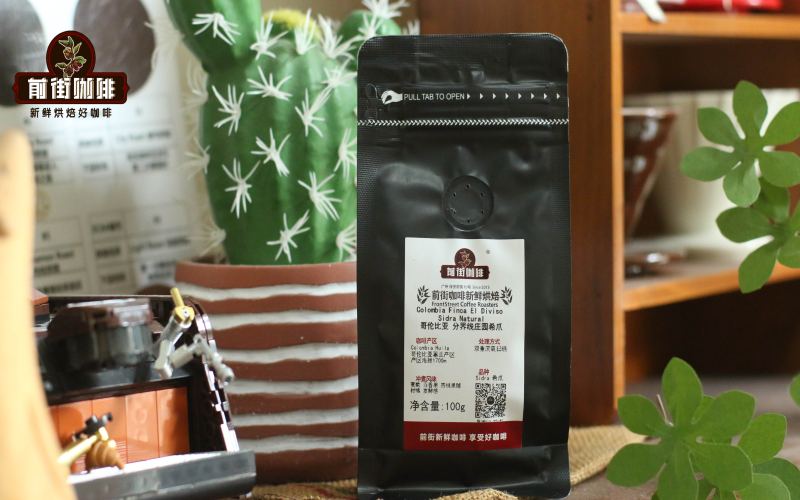
Ice Drip Coffee Beans | What are the techniques for making delicious ice drip coffee? What selected single-origin coffee beans are recommended for ice drip cold brew coffee?
Cold brew coffee refers to a method of slowly extracting coffee aromatic substances by evenly dripping ice water over coffee grounds under normal pressure. Since the low-temperature ice water does not easily extract the bitter substances from the coffee, and the slow flow rate greatly increases the extraction yield, cold brew has a rich but not bitter taste. If you choose a flavor that is more distinctive, [more…]
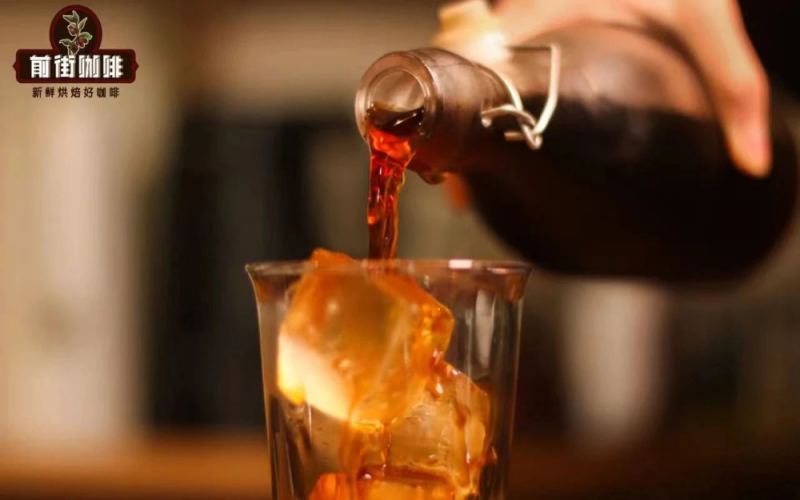
Cold Brew Coffee Making Guide: A Full Breakdown of Bean Selection, Extraction Parameters, and Flavor Profile
Cold brew coffee, with its unique low-temperature slow extraction method, presents a rich yet not bitter taste, making it an excellent choice for cooling off in summer. This article will start with the basic principles of cold brew coffee, provide a detailed introduction to the structure and use of a cold brew maker, and use Costa Rica Mozart coffee as an example to share key extraction parameters such as grind size, coffee-to-water ratio, and flow rate. At the same time, for different flavor preferences, it recommends four types of coffee beans—tropical fruit fermented wine aroma, refreshing and clean, sweet and delicious, and flavor blends—to help coffee lovers make an ideal cup of cold brew coffee at home. [more…]
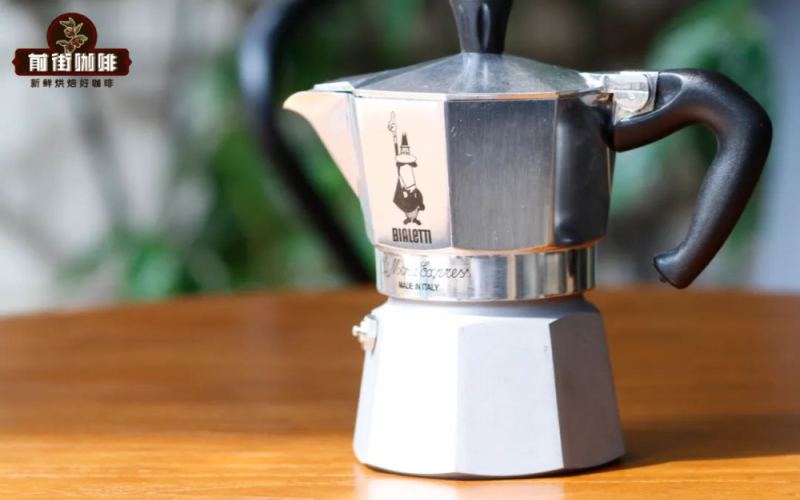
The Complete Moka Pot Guide: Step-by-Step Instructions, Tips, and an In-Depth Look at Pros and Cons
Since its debut in 1933, the moka pot has become the go-to entry-level choice for countless coffee lovers thanks to its compact convenience and rich brew. Yet controversy around it has never ceased: can it extract ideal crema like an espresso machine? And which coffee beans suit it best? This article systematically walks through the moka pot's operating steps and practical tips, compares its fundamental differences from coffee machines in crema performance, and objectively analyzes its pros and cons. At the same time, Front Street Coffee offers specific bean recommendations for the different flavor profiles of medium-dark and medium roasts, helping you consistently brew either silky, full-bodied coffee or fruit-forward, aromatic coffee with your moka pot. [more…]
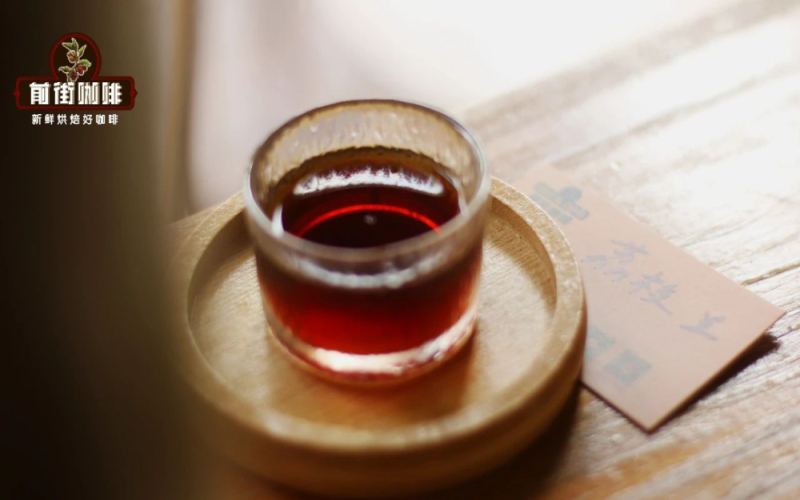
Where Does Coffee's Fruity Aroma Come From? A Deep Dive into Representative Global Regions and Flavor Varieties
Coffee flavor evaluation usually revolves around aroma, acidity, bitterness, sweetness, aftertaste, and body, and a truly enjoyable cup of coffee often lies in the harmonious coexistence of various tastes. In recent years, coffee with fruity notes has become highly popular, as such beans can present rich layers of sweet-and-sour notes on top of a balanced base. Fruit flavors cover multiple categories such as stone fruits, citrus, and berries, and different origins each have their own characteristics due to differences in variety and terroir. African origins are known for bright citrus notes, while South American origins often use them as supporting flavors. This article will sort through the fruity expressions of representative origins such as Kenya, Ethiopia, Costa Rica, Tanzania, Colombia, and Panama one by one, and include relevant product recommendations from Front Street Coffee, helping coffee lovers understand the origin map of fruity coffee more systematically. [more…]
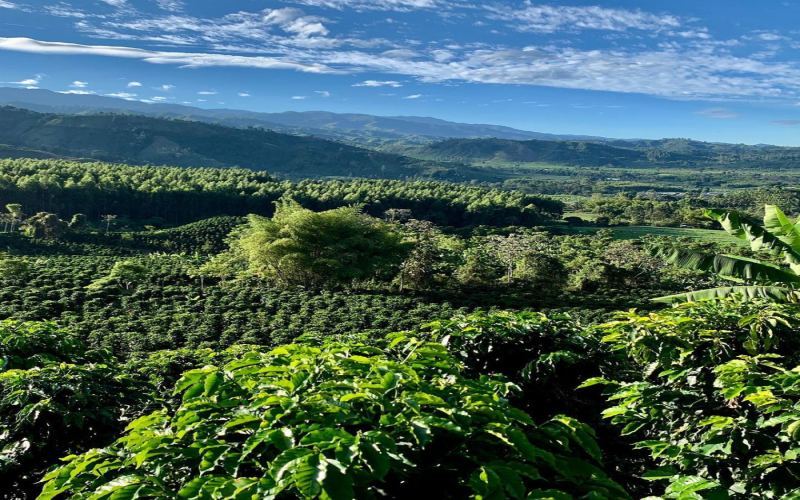
How Are Colombian Green Coffee Beans Graded? Looking at Huila Washed Caturra Through Defect Rate and Screen Size
Colombia's coffee grading system is more complex than that of most Central American producing countries. It is based not only on altitude, but also on a set of export standards built around defect rates and screen size. The Excelso grade adopted by the FNC is the highest export grade for Colombian green coffee. The burlap sacks are marked with "Excelso-Café de Colombia" and accompanied by a quality certificate. This article covers everything from the grading logic, screen size requirements, and defect deduction rules to the three most common export grades, and uses a washed Caturra from the Huila region as an example to explain green coffee traceability and cupping flavor performance, helping coffee enthusiasts understand the meaning behind Colombian green coffee labels. [more…]
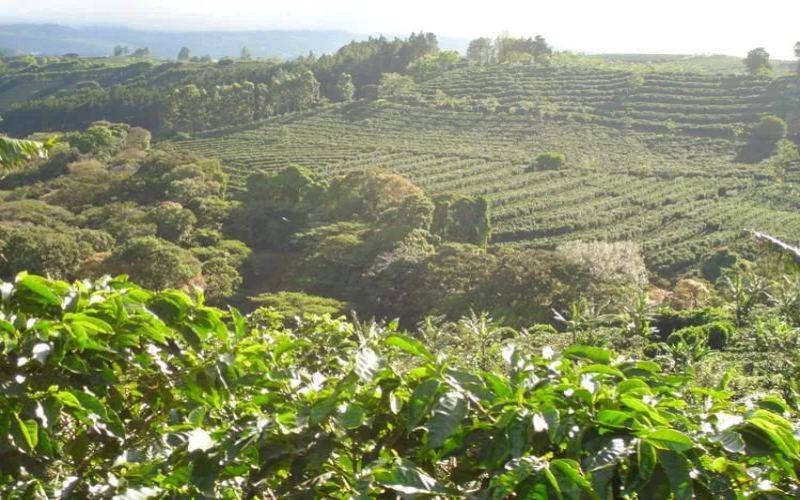
Why Are Colombian Coffee Flavors So Diverse? A Detailed Analysis of the Characteristics of Washed Caturra from the Huila Region
Colombian coffee has long been celebrated for its rich, nutty and chocolatey aromas, while striking a delicate balance between bright fruity acidity and sweetness. As the world's third-largest coffee producer, Colombia owes its remarkably diverse flavor profiles to the high altitudes of the Andes, varied microclimates, and a wealth of cultivated varieties. From the early days when production centered on the north-central regions, to today's shift of the specialty coffee heartland southward to Huila, Cauca, and Nariño, Colombia's coffee map has continued to evolve. This article will walk you through why the Huila region is able to produce outstanding coffee, how washed processing restores the bean's true flavors, and how the washed Caturra in Front Street Coffee's entry-level selection actually performs. [more…]
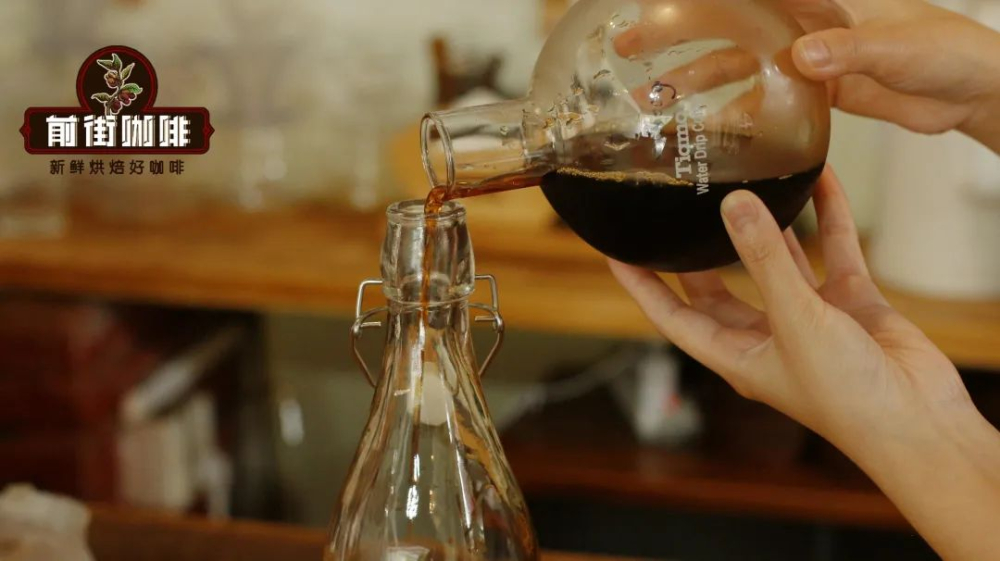
Detailed Guide to Cold Brew Coffee with Illustrations | What Is the Coffee-to-Water Ratio for Cold Brew? How Long Is the Cold Brew Extraction Time? Can You Drink Cold Brew Immediately After Making It?
For more specialty coffee knowledge, please follow the WeChat public account: Front Street Coffee (FrontStreet Coffee). For coffee partners, whether it's pour-over coffee, espresso, or cold brew coffee, the coffee fun they bring is different, but all are interesting. Entering the scorching [more…]

Where Do Tropical Fruit Flavors in Coffee Beans Come From? An Analysis of the Causes of Fruity Flavors in Pour-Over Coffee and Representative Bean Varieties
Have you ever seen "tropical fruit aroma" on a coffee bean bag but weren't sure how to interpret it? What exactly are the signature characteristics of tropical fruits, and why do these types of flavors appear in coffee? Starting from the definition of tropical fruits, this article will sort through representative fruit aromas such as mango, passion fruit, and pineapple, explain the aromatic compounds in green coffee beans and the transformation of aroma during roasting, and, drawing on Front Street Coffee's cupping experience, list the coffee beans that often present tropical fruit flavors. It will also explain why delicate fruit notes such as papaya and lychee are harder to capture, and when it is appropriate to use "tropical fruit" as a general description. [more…]
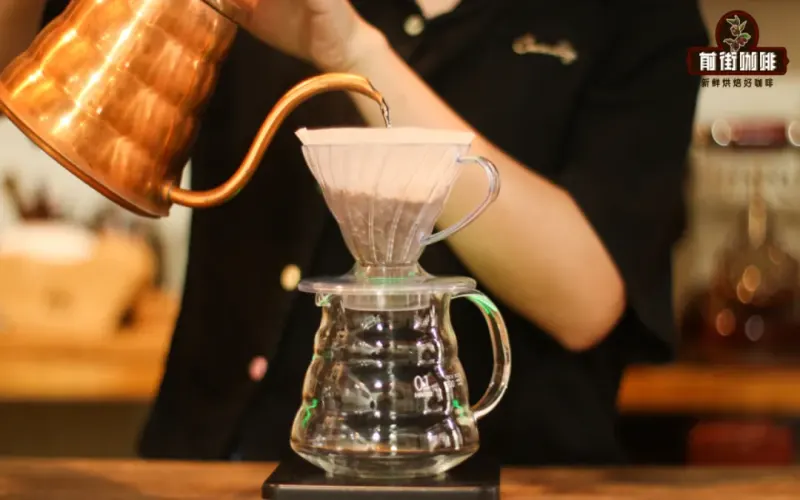
A Complete Guide to Pour-Over Coffee Grind Parameters: Differences in Water Temperature, Coffee-to-Water Ratio, and Grind Size Between Dark and Light Roasts
When brewing pour-over coffee, water temperature, water volume, grind size, and time are the four key factors that determine extraction. Among them, grind size is often the most easily misjudged because it cannot be directly observed—too fine or too coarse will throw the flavor off balance. This article starts with methods for judging grind size, explaining how to calibrate it using a No. 20 sieve, drawdown speed, and taste feedback, and compiles the three grind settings Front Street Coffee uses for light-roasted, anaerobic, and dark-roasted beans, including their respective passing rates through the sieve, water temperatures, and coffee-to-water ratios, while also offering grind adjustment advice for iced pour-over, helping enthusiasts build a stable, reusable brewing framework. [more…]