







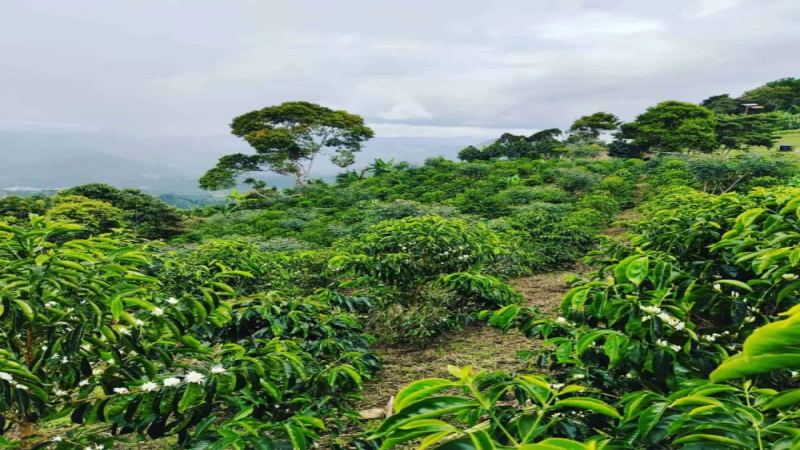
Why Does Huila Produce Such Distinctive Arabica Coffee Beans?
Colombia is the world's third-largest coffee producer and the largest exporter of arabica coffee. Its cultivation sits mainly in the Andes Mountains, where annual temperatures average about 18°C and rainfall runs 2,000 to 3,000 mm. Tropical location plus varying slope elevations create multi-layered climates, letting harvests occur through the year. Huila Province, in southern Colombia, is among the country's representative specialty regions.
Finca El Diviso, in Huila, drew attention after the 2022 WBC champion chose its Sidra coffee beans. High-altitude mountains, volcanic soil, and diverse microclimates form the growing conditions behind an arabica coffee bean of this type. Understanding the terroir and the Sidra variety's cultivation traits gives context for how the region's lots perform in the cup and why Huila stands out among Colombian origins.
Colombia, as the world's third-largest coffee producer and the largest exporter of Arabica, nurtures numerous specialty coffee regions thanks to the high altitudes, volcanic soils, and diverse microclimates of the Andes Mountains. Huila is one of the most representative specialty regions, and Finca El Diviso is located there. The estate rose to fame after the 2022 WBC champion chose its Sidra coffee beans. This article introduces Colombia's coffee-growing conditions, the terroir of the Huila region, the background of Finca El Diviso, as well as the origins, cultivation characteristics, and Front Street Coffee's brewing performance of the Sidra variety, giving you a comprehensive understanding of this rare variety's charm.
When it comes to coffee origins, Colombia is an unavoidable name. It is the world's third-largest coffee producer, after Brazil and Vietnam, and also the world's largest exporter of Arabica coffee beans. Its superior geographical and climatic conditions lay the foundation for Colombia's high-quality coffee.
Colombia is located in northern South America, with both coastlines and inland territory. Geographically, it can be roughly divided into mountainous areas in the west and plains in the east. The west is dominated by the Andes Mountains, while the east consists of the Orinoco Plains and the Amazon Plains. Colombia's coffee cultivation is mainly concentrated in the Andes Mountains, where the annual temperature is about 18°C and annual rainfall ranges from 2,000 to 3,000 mm. Combined with its tropical location, different mountain slope elevations create multi-layered climatic conditions, allowing harvests throughout the year. High-altitude mountains, volcanic soil, and varied microclimates together create a naturally ideal environment for coffee growth.
Colombian Coffee Huila Region
Colombia is a vast country, which has led to the formation of multiple coffee-growing regions. Influenced by mountainous terrain and microclimate differences, the coffee produced in each region presents rich diversity in flavor. Currently, Colombia's better-known regions include Antioquia, Santander, Huila, and Narino.
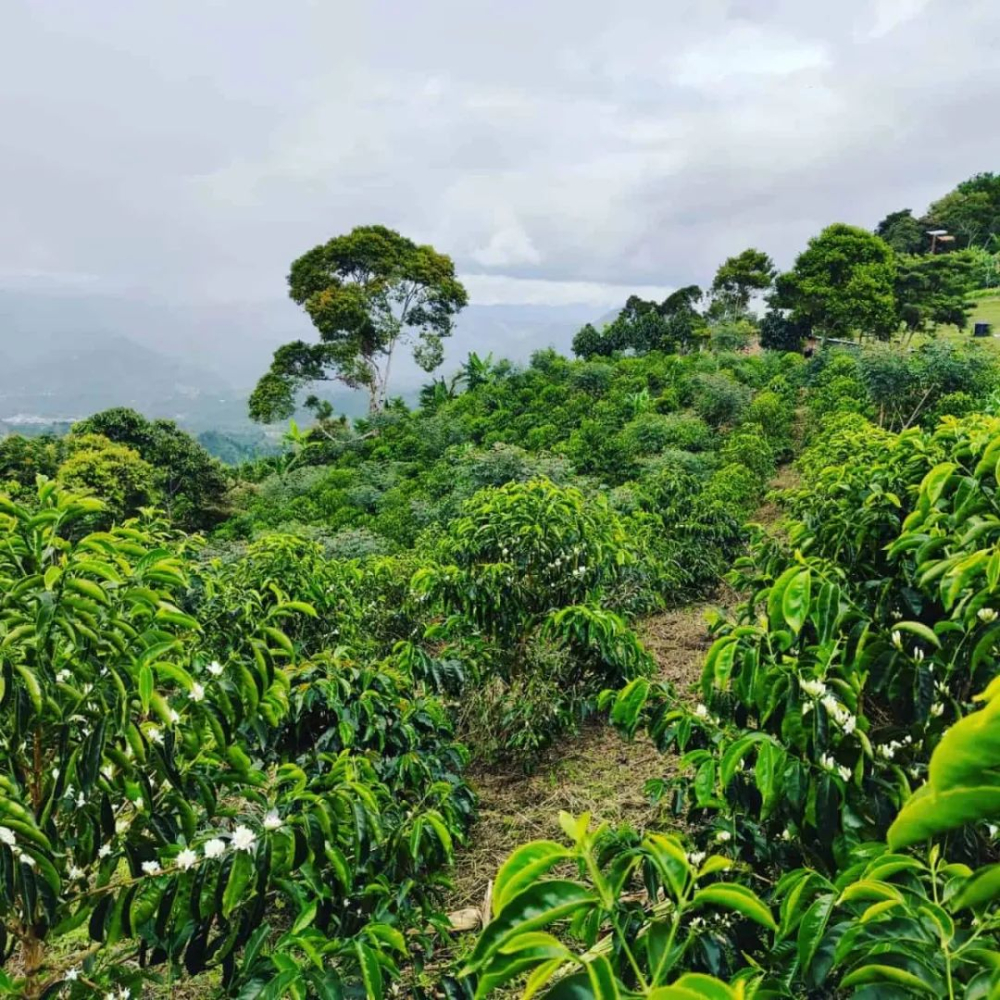
Huila Province is located in southern Colombia, in the southern section of the Central Cordillera. It is formed by the Central and Eastern Cordilleras of the Andes, with most of the area lying in the Magdalena River Valley, making it Colombia's most renowned specialty coffee region. Surrounded by mountains, coffee in this area is grown at altitudes between 1,200 and 1,800 meters, with temperatures usually maintained between 17°C and 23°C. High altitude, volcanic soil, abundant water sources, and unique climatic conditions give the coffee from this region a pure, balanced, and soft taste. Front Street Coffee's entry-level selected Colombian coffee beans come from the Huila region.
Finca El Diviso Finca El Diviso
The Huila region has many well-known estates, and Finca El Diviso is one of them. This is a small farm of only 14 hectares and a family business that has been engaged in coffee production for 27 years. The estate was founded by founder Jose Uribe Lasso in 1996. It is currently managed mainly by his grandson Nestor Lasson, and most of the daily workers are family and friends. Nestor is young and full of drive, constantly striving for improvement in cultivation and processing. In addition to growing varieties such as Bourbon, Caturra, and Geisha, he has also introduced rare varieties such as Pink Bourbon, Sidra, and Castillo.
Finca El Diviso truly came into the public eye at the 2022 World Barista Championship (WBC). Australian competitor Anthony Douglas chose Finca El Diviso's Sidra coffee beans for the competition and ultimately won the championship, making both Finca El Diviso and the Sidra coffee beans famous overnight.
Sidra Variety
In recent years, the trend of using rare varieties in world coffee competitions has become increasingly obvious, and Sidra is one of them. According to some records, the Sidra variety originally came from Pichincha Province in Ecuador and may have originated from a Nestlé coffee breeding institution in that region. At the time, the institution used Ethiopian varieties and Bourbon varieties for hybrid development. Although the institution closed several years ago, Sidra is considered "one of the unreleased varieties." Later, researchers conducted genetic testing on Sidra samples and found that it is genetically close to Ethiopian native varieties, so Sidra also possesses similar floral and fruity acidity characteristics.
Sidra needs to grow in a shaded environment and is suitable for planting in areas above 1,600 meters in altitude. In terms of yield, Sidra performs relatively high, thanks to its certain resistance to several pests and diseases, though it lacks resistance to leaf rust and some coffee berry disease.
Front Street Coffee Colombian Finca El Diviso Sidra Coffee Beans Region: Huila Region Estate/Processing Plant: Finca El Diviso Altitude: 1,700-1,850 meters Variety: Sidra Processing Method: Double Anaerobic Natural
Flavor: Grape, Passion Fruit, Dried Apricot, Citrus, Fermented Notes
This Front Street Coffee Finca El Diviso Sidra coffee uses double anaerobic natural processing and a medium-light roast. Front Street uses a V60 dripper, brewing at a 1:15 ratio and 92°C water temperature. You can smell the vinous aroma brought by fermentation, and on the palate it presents fruit flavors such as grape, passion fruit, and dried apricot, with citrus-like acidity and a soft mouthfeel.
The above content is compiled by CoffeeHunters, a coffee news website.


