







Where Are Arabica Beans From and Why Does Sidra Stand Out?
Sidra, the variety that won the 2022 World Barista Championship in the hands of Anthony Douglas, traces back to Pichincha Province in Ecuador, where locals call it Sydra. Records describe it as a laboratory cross between Typica and Red Bourbon, and later genetic comparison linked it to Ethiopian native species. It is now grown mainly in Ecuador and Colombia, including Finca El Diviso in Huila.
Finca El Diviso sits at about 2,100 meters and covers 14 hectares, founded by Jose Uribe Lasso in 1996 as a family operation. That is the farm behind the champion lot. The article also notes that Korea's Jooyeon Jeon used an Ecuadorian Sidra at the 2019 WBC, and describes a double anaerobic washed, medium-light roast with apricot, citrus and grape notes.
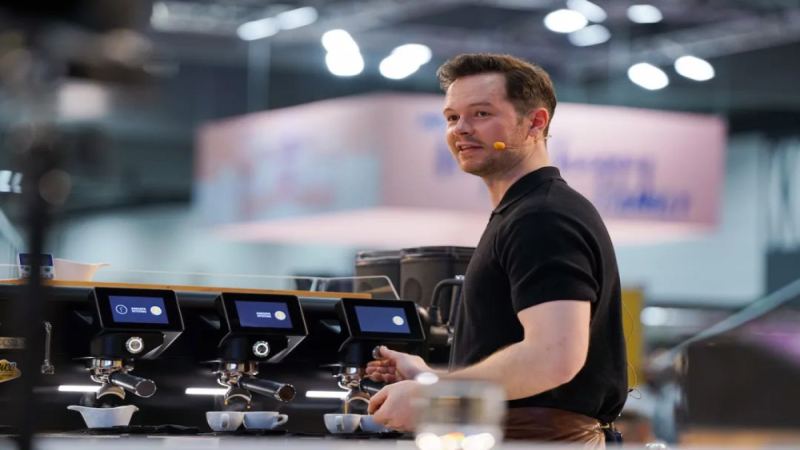
At the 2022 World Barista Championship, Anthony Douglas took the crown with a Sidra coffee from Colombia's Finca El Diviso, making this rare variety once again the focus of the specialty coffee world. In fact, back in 2019, Korean champion Jooyeon Jeon had already chosen an Ecuadorian Sidra to compete on the WBC stage. Where exactly does Sidra come from, and why can it stand shoulder to shoulder with Geisha? This article will walk you through the origins of the Sidra variety, the background of Colombia's Finca El Diviso, and the flavor profile and pour-over recommendations for this champion bean. Front Street Coffee has also brought in a Sidra lot from Finca El Diviso, using double anaerobic washed processing and a medium-light roast, presenting rich fruit notes of apricot, citrus, and grape.
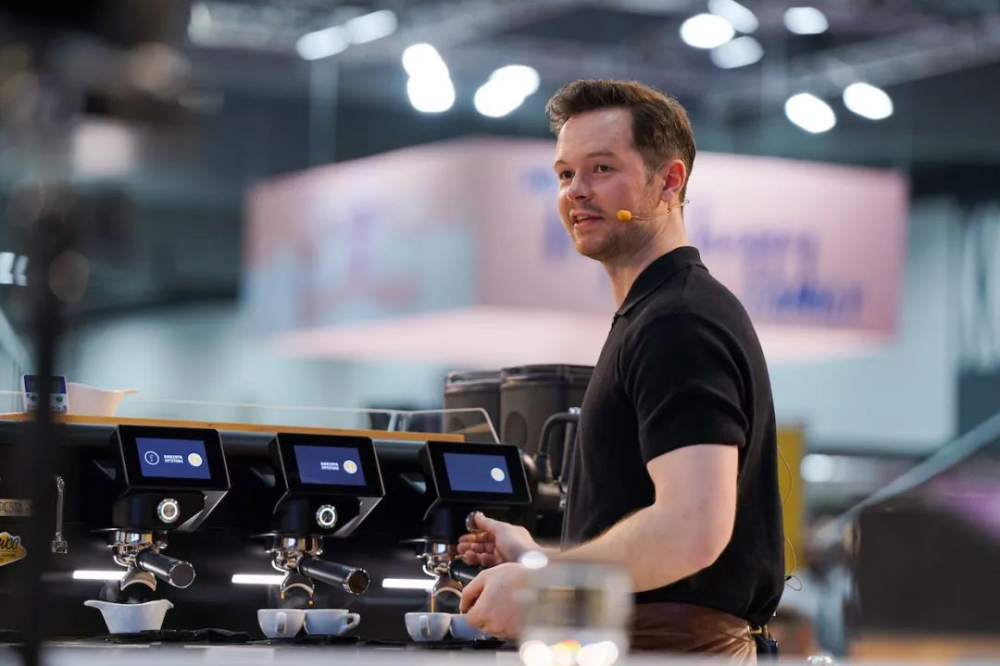
The top honor at the 2022 World Barista Championship was claimed by Anthony Douglas, who chose a Sidra coffee from Colombia for the competition. Looking back at the 2019 WBC stage, that year's champion Jooyeon Jeon also competed with a Sidra coffee as his signature bean, except that bean came from Ecuador. The favor shown by these two champions has left the industry and enthusiasts alike wondering: just what is the story behind Sidra coffee?
Through researching materials, Front Street found that Sidra coffee originally came from Pichincha Province in Ecuador, where the locals call the variety Sydra. According to the records, Sidra is a laboratory variety bred from a cross between Typica and Red Bourbon. Later, genetic comparison revealed that Sidra coffee shares similar genes with Ethiopian native species, leading some scholars to speculate that Sidra was a cross between an experimental research variety exported from Ethiopia and a local Bourbon coffee variety in Ecuador. Currently, the Sidra variety is mainly grown in producing countries such as Ecuador and Colombia.
After Anthony Douglas won the championship, coffee enthusiasts began scrambling to find the same beans the champion used. The Sidra coffee he used came precisely from Finca El Diviso in Colombia's Huila region.
Where is Finca El Diviso located?
Finca El Diviso is located in Huila, one of Colombia's most representative coffee-producing regions; the farm sits at an altitude of about 2,100 meters and covers 14 hectares. This is a family-run coffee farm, founded by Jose Uribe Lasso in 1996, and has since accumulated more than 25 years of growing experience.
The farm is currently run mainly by Nestor Lasso. Young but full of drive, he was introduced to the vast world of coffee by his grandfather, while his father took over the farm and showed outstanding ability in cultivation. In such a family atmosphere, Nestor continuously pursues improvement in coffee cultivation and post-processing, and the farm grows twelve varieties including Caturra, Colombia, Sidra, Castillo, Geisha, and Bourbon.
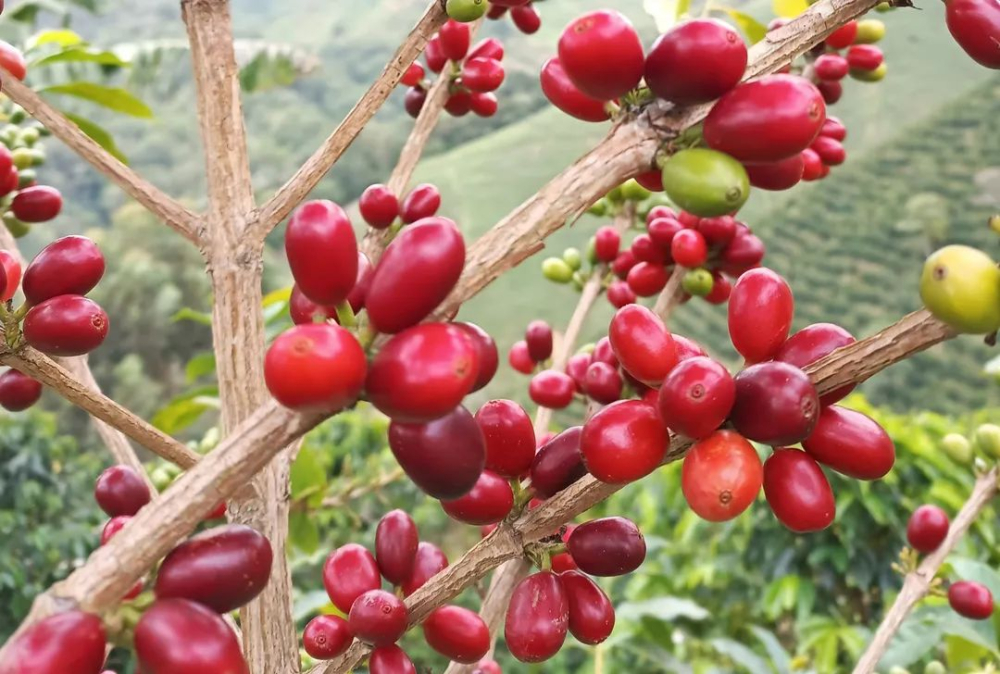
The Nestor family runs this farm together, and the coffee quality has improved year after year, bringing Nestor more substantial returns. They successfully opened a larger new farm for growing and producing higher-quality coffee beans, and continue working toward the goal of becoming a great generational estate.
In Nestor's view, Finca El Diviso is a fortunate new beginning. He believes the land in Huila is very fertile, and as long as one is willing to put in hard work, anyone can rely on this nutrient-rich soil to grow coffee and thereby escape poverty.
Sidra's "Highlight Moments"
Sidra's rise to fame is largely thanks to the "endorsement" of two World Barista Champions. The signature bean of 2019 WBC champion, Korean competitor Jooyeon Jeon, was precisely a Sidra coffee from Colombia's La Palma y El Tucan estate. In the same competition, third-place finisher Cole Torode also chose a Sidra lot from that estate.
Last year's newly revealed World Barista Champion, Anthony Douglas from Australia, reached the top with an anaerobic fermented Sidra lot from Colombia's Finca El Diviso. With Anthony's victory, the popularity of Finca El Diviso and the Sidra variety within the specialty coffee world has continued to climb.
What are the characteristics of Sidra coffee?
Although genetic testing shows a hereditary link between Sidra and Ethiopian coffee varieties, the variety is currently grown mainly in Colombia and Ecuador, distributed across areas at altitudes of 1,650 to 1,800 meters. In addition, some origins also grow small amounts of Sidra on a limited scale for experimental purposes.
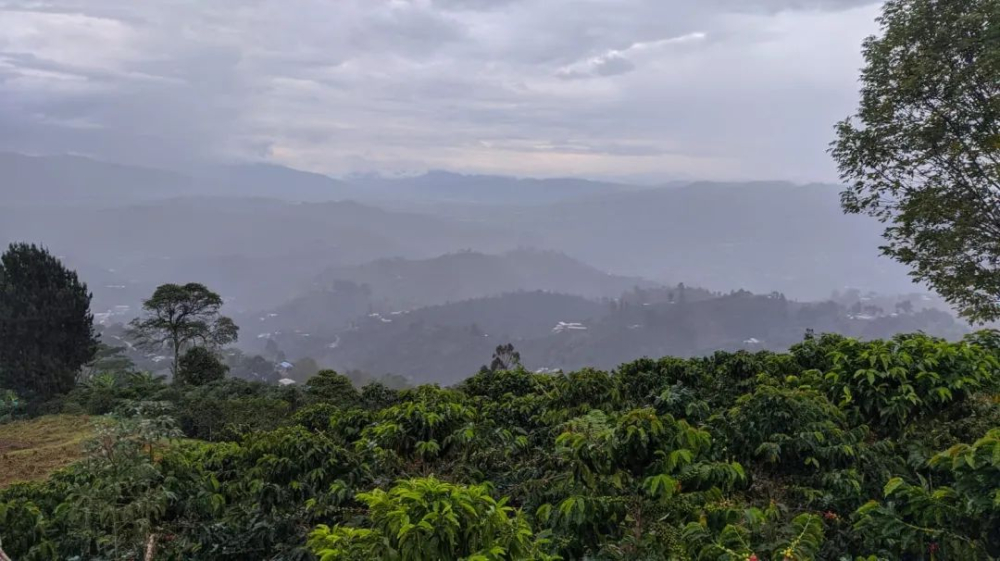
The Sidra plant has a relatively thick trunk and can grow up to 4 meters tall. During cultivation it needs appropriate shade and is resistant to various pests, but is susceptible to leaf rust and coffee berry disease. The leaves are slender, and the flowers open with five petals. The fruit sets densely, giving a high yield, and the fruit is larger and rounder than most Arabica varieties; the green beans are slender and elongated, somewhat resembling Geisha in appearance.
Because Sidra's current cultivation scale is still limited, and because it has floral and fruity characteristics comparable to Geisha, showing notes of peach, citrus, grape, and honey with moderate acidity and a rounded mouthfeel, its price is also relatively high.
Front Street has also brought in Sidra coffee beans from Finca El Diviso. These coffee beans use double anaerobic washed processing, highlighting the coffee's rich acidity. Front Street uses a medium-light roast, and in cupping the flavor shows rich fruit notes of apricot, citrus, and grape.
Sidra Coffee Pour-Over Recommendations
Dose: 15g
Ratio: 1:15
Water temperature: 91°C
Grind size: medium-fine (80% passing a No. 20 sieve)
Pouring technique: three-stage
For the first stage, pour 30ml and bloom for 30 seconds. For the second stage, pour 120ml in a slow circular stream; when the water level drops to the halfway point, pour 90ml in a slow circular stream for the third stage. Extraction time is 2 minutes.
For professional coffee knowledge exchange and more coffee bean information, please follow Coffee Workshop (WeChat public account: cafe_style). For more specialty coffee beans, please add the private WeChat of Front Street Coffee (FrontStreet Coffee), WeChat ID: qjcoffeex
The above content is compiled by CoffeeHunters, a coffee news website.


