







Why did WBC coffee bring Sidra into the spotlight?
Colombian Sidra coffee beans gained attention after two World Barista Champions chose the variety: Anthony Douglas in 2022 with Colombia Sidra, and Jooyeon Jeon in 2019 with Sidra from Ecuador. This WBC coffee spotlight turned Sidra into a sought-after variety, and Finca El Diviso in Colombia's Huila region became a focal point.
Sidra originated in Pichincha Province, Ecuador, bred from a cross between Typica and Red Bourbon, and genetic testing shows a link to Ethiopian landraces. It is now grown mainly in Ecuador and Colombia. The lot from Finca El Diviso uses double anaerobic washed processing and a medium-light roast, giving apricot, citrus, and grape notes.
The Sidra variety has risen to fame in the specialty coffee world in recent years, becoming a focal point after being chosen by two World Barista Champions. It originally came from Ecuador, bred from a cross between Typica and Red Bourbon, and genetic testing shows a hereditary link to Ethiopian landraces. It is currently grown mainly in Ecuador and Colombia, with Finca El Diviso in Colombia's Huila region drawing much attention after Anthony Douglas won the championship. Front Street Coffee has also brought in this bean, using double anaerobic washed processing and a medium-light roast, presenting rich fruit flavors of apricot, citrus, and grape. This article will walk you through Sidra's origins, the story of Finca El Diviso, the variety's characteristics, and Front Street's brewing recommendations.
For more specialty coffee knowledge, please follow our WeChat official account: FrontStreet Coffee
Walking into FrontStreet Coffee, when baristas recommend beans to customers, besides considering personal taste preferences, they sometimes also make choices based on the season and mood. In midsummer, FrontStreet Coffee baristas bring out Front Street Ethiopia Yirgacheffe Gotingding—whether brewed iced or hot, this bean delivers a refreshing, invigorating sensation; as autumn deepens, the baristas recommend Front Street Colombia Sidra, which undergoes double anaerobic natural processing, offering intense fruit aromas with almond notes, and many customers can't forget it after tasting it. Next, let Front Street take you through the rise to fame of this coffee bean.
Anthony Douglas, the 2022 World Barista Championship winner, chose Colombia Sidra coffee beans in the competition; and Jooyeon Jeon, the 2019 World Barista Championship winner, also used Sidra coffee (that time from Ecuador). The favor of two champions has sparked strong interest in Sidra coffee.
After consulting the materials, Front Street found that Sidra coffee originated in Pichincha Province, Ecuador, where locals call it Sydra. The materials indicate that Sidra is a lab-cultivated variety, bred from a cross between Typica and Red Bourbon. Later, through genetic comparison, scholars discovered that Sidra is genetically similar to Ethiopian landraces, so some speculate that Sidra is the offspring of an experimental variety exported from Ethiopia crossed with local Bourbon coffee in Ecuador. Currently, Sidra is mainly distributed in the two producing countries of Ecuador and Colombia.
Anthony Douglas's performance in the competition made more people start seeking out the same coffee beans as the champion. The Sidra coffee beans he used came from Finca El Diviso in Colombia's Huila region.
Where is Finca El Diviso located?
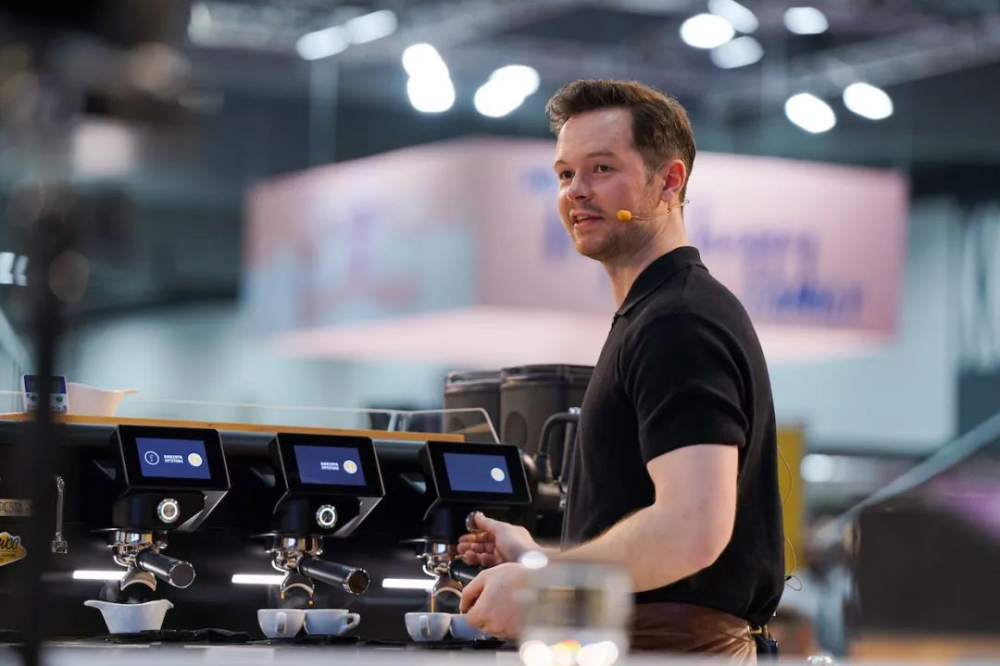
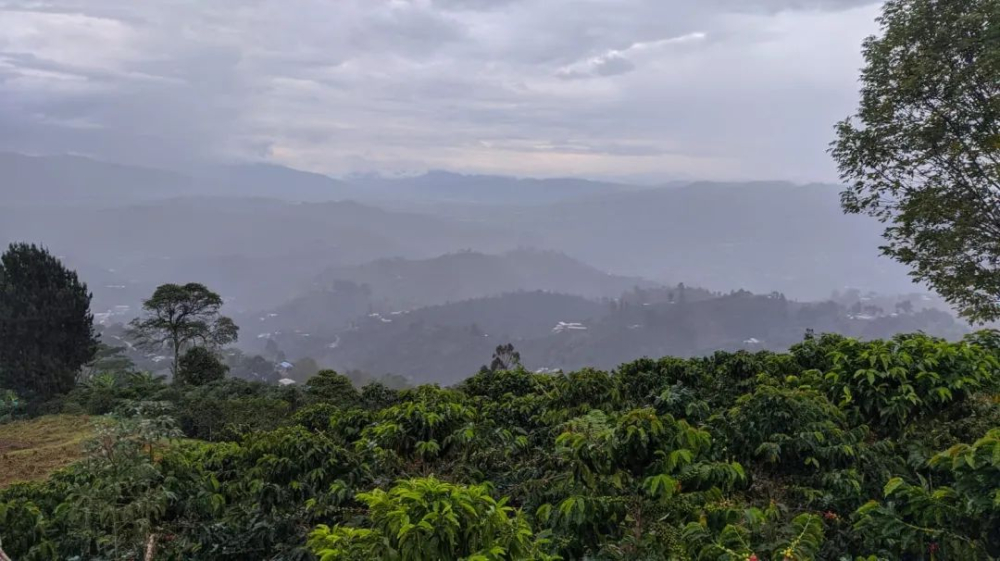
Finca El Diviso is located in Huila, one of Colombia's most renowned coffee-producing regions; at an altitude of about 2,100 meters, covering 14 hectares. This is a family-run coffee estate founded by Jose Uribe Lasso in 1996, with more than 25 years of coffee-growing history to date.
The estate is currently managed mainly by Nestor Lasso, who is young and full of drive. His grandfather introduced him to the vast world of coffee, and his father inherited the farm and showed exceptional ability in cultivation; in such a family atmosphere, Nestor continuously pursues excellence in cultivation and processing. The estate grows twelve varieties including Caturra, Colombia, Sidra, Castillo, Geisha, and Bourbon.
Nestor's family runs the estate together, coffee quality has steadily improved, and this has brought Nestor better returns. They successfully opened a larger new farm for growing and producing higher-quality coffee beans, and are steadily advancing toward the goal of becoming a great estate passed down through generations.
For Nestor, Finca El Diviso is a fortunate new starting point. He believes the land in Huila is extremely fertile, and that as long as one is willing to put in the effort, anyone can improve their life by growing coffee on this nutrient-rich soil.
Sidra's "Highlight Moments"
Sidra's rapid rise to fame is largely thanks to the "endorsement" of two World Barista Champions. The 2019 World Barista Championship (WBC) winner—Korean competitor Jooyeon Jeon—used as her signature bean precisely Sidra coffee from Colombia's La Palma y El Tucan estate. The same edition's third-place winner Cole Torode also chose a Sidra lot from that estate.
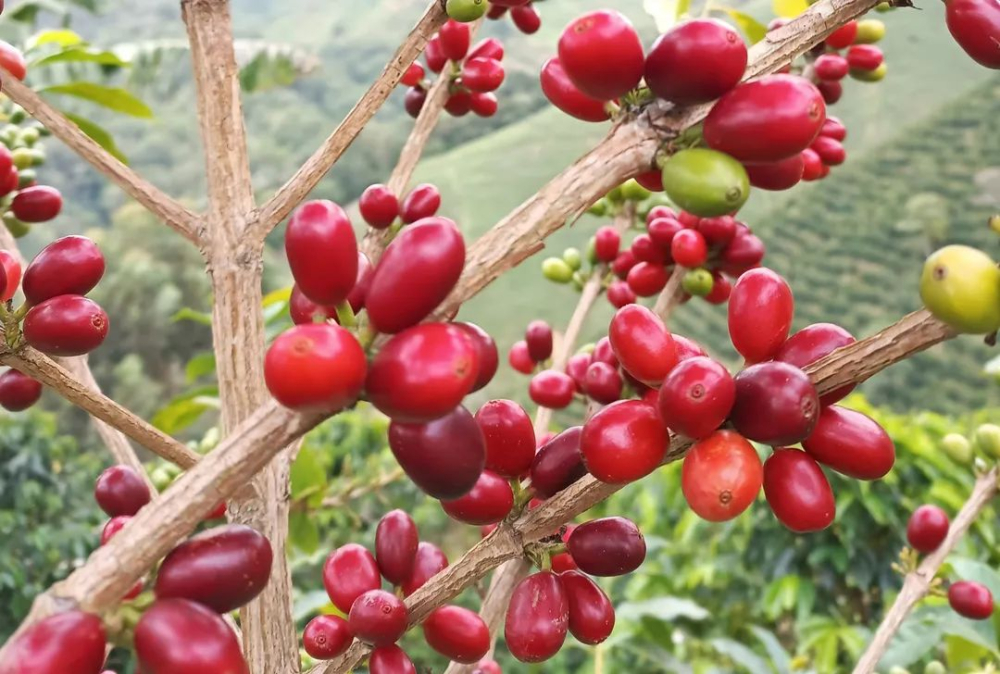
Last year's newly crowned World Barista Champion, Anthony Douglas from Australia, took the title with an anaerobic fermented Sidra lot from Colombia's Finca El Diviso. With Anthony's victory, Colombia's Finca El Diviso and the Sidra variety have continued to rise in popularity within the specialty coffee circle.
What are the characteristics of Sidra coffee?
Although genetic testing shows that Sidra has a genetic link to Ethiopian coffee varieties, it is currently grown mainly in Colombia and Ecuador, distributed at altitudes of 1,650–1,800 meters. In addition, some producing areas also grow Sidra in small plots for experimental purposes.
The Sidra plant has a thick trunk and can grow up to 4 meters tall. It needs appropriate shade when growing, is immune to many pests, but is susceptible to leaf rust and coffee berry disease. The leaves are slender, and the flowers have five petals. The fruits are densely distributed, resulting in higher yields, and the fruit is larger and rounder than most Arabica varieties; the green beans are slender and elongated, somewhat similar in appearance to Geisha.
Since Sidra is still grown in relatively small quantities, and because it has floral and fruity aromas comparable to Geisha, capable of expressing flavors such as peach, citrus, grape, and honey, with moderate acidity and a round mouthfeel, its price is relatively high.
Front Street has also brought in Sidra coffee beans from Finca El Diviso. This bean uses double anaerobic washed processing, highlighting the coffee's rich acidity. Front Street chooses a medium-light roast, and in cupping it shows fruit flavors of apricot, citrus, and grape.
Front Street Sidra Coffee Pour-Over Recommendations
Dose: 15g
Ratio: 1:15
Water temperature: 91°C
Grind size: medium-fine grind (80% passing through a No. 20 sieve)
Pouring technique: three-stage
For the first stage, pour 30ml of water and bloom for 30 seconds. For the second stage, pour 120ml of water in a circular motion with a small stream; when the water level drops to the halfway point, continue with the third stage, pouring 90ml in a circular motion with a small stream. Total extraction time is 2 minutes.
The above content is compiled by CoffeeHunters, a coffee news website.


