







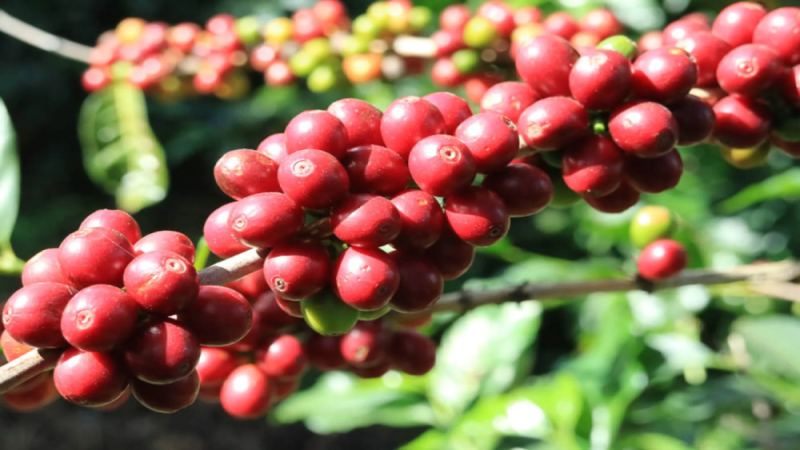
How Does Coffee Cultivation Shape Sidra and Pacas?
Sidra and Pacas are two distinctive coffee varieties that have drawn attention in specialty coffee. Sidra comes from Pichincha Province in Ecuador and became known after winning the World Barista Championship in 2019 and 2022. Pacas is a natural Bourbon mutation widely grown in El Salvador and Honduras. Both varieties differ in genetics, growing conditions, and flavor, shaping how they are cultivated and brewed.
For cultivation coffee, Sidra grows well in South America, mainly Ecuador and Colombia, at altitudes around 1,650 to 1,800 meters. It offers high yield and resistance to pests and leaf rust, but is highly susceptible to coffee berry disease. Pacas, by contrast, is a Bourbon mutation that has spread through El Salvador and Honduras. WBC coffee stages helped bring Sidra wider recognition among roasters and consumers.
In the world of specialty coffee, beyond common varieties like Bourbon, Typica, and Caturra, some rare bean varieties are gradually coming into the public eye. Sidra and Pacas are two representatives that have attracted considerable attention. Sidra originates from Ecuador and rose to fame after winning the World Coffee Championship, and now it performs impressively in Colombia's Huila region; Pacas, on the other hand, is a natural mutation of Bourbon and is widely cultivated in El Salvador and Honduras. This article will introduce in detail the origins, genetic characteristics, growing conditions, and flavor profiles of these two varieties, and share the brewing experience of Front Street Coffee's Colombia Finca El Diviso Sidra coffee beans.
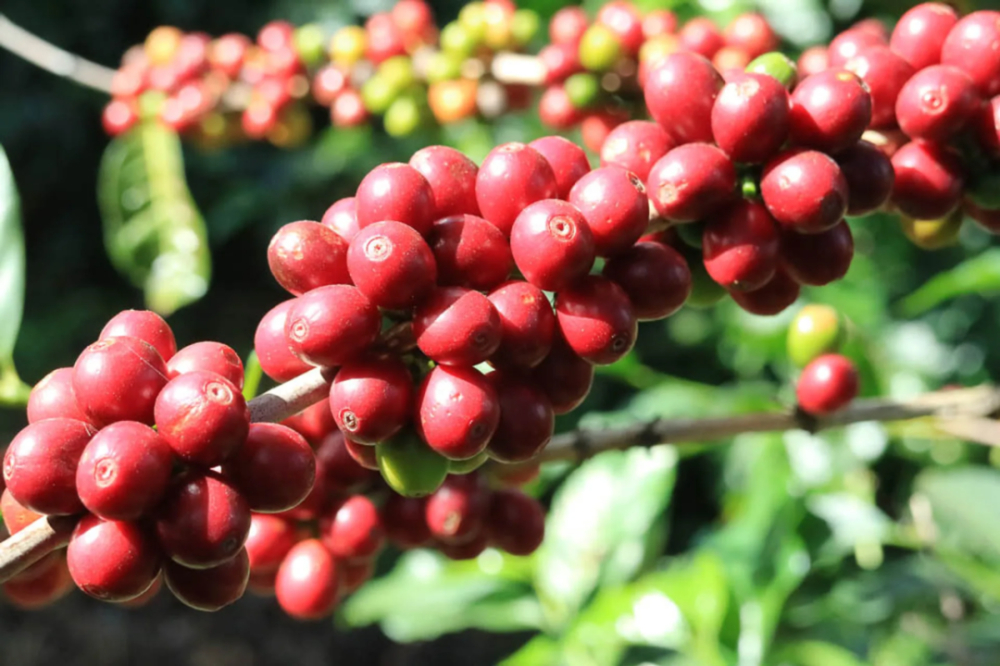
As the coffee industry continues to evolve, coffee varieties have undergone repeated introduction, genetic mutation, and artificial hybridization, giving rise to a large number of new categories. In addition to well-known varieties such as Bourbon, Typica, Caturra, and Catimor, coffee research institutions and large enterprises in many countries are also actively cultivating some rare varieties.
When it comes to varieties that have attracted much attention in recent years, in addition to Geisha, the popularity of Sidra has also been rising. Like Typica Mejorado, Sidra originally came from Pichincha Province in Ecuador. This province once housed Nestlé's coffee breeding center, which at the time was mainly dedicated to crossbreeding Ethiopian native varieties with varieties such as Bourbon. Although the center has now closed, Sidra is very likely one of the varieties that Nestlé never officially released. Some reports say that Sidra is a cross between Typica and Bourbon, but subsequent research institutions found through genetic testing that Sidra is genetically closer to Ethiopian native varieties.
Despite its genetic connection to Ethiopian native varieties, Sidra is more suitable for cultivation in South America, mainly in Ecuador and Colombia, at altitudes ranging from about 1,650 to 1,800 meters. This variety has high yield and resistance to pests and leaf rust, but it is highly susceptible to coffee berry disease.
Sidra truly became popular thanks to the stage of the World Barista Championship (WBC). In the 2019 and 2022 competitions, two contestants both chose Sidra coffee beans to compete and both won the championship, making Sidra famous. Currently, Front Street Coffee has acquired Sidra coffee beans from Colombia's Finca El Diviso, produced in Colombia's famous Huila region. This Front Street Colombia Sidra uses a double anaerobic natural process. After brewing with a V60 dripper at a 1:15 coffee-to-water ratio, it presents flavors of grape, passion fruit, and citrus, with a slight fermented note and a round mouthfeel.
Another variety worth noting is Pacas. It is similar to Brazil's Caturra or Costa Rica's Villa Sarchi, and also belongs to the natural mutation group of Bourbon. Due to a single-gene mutation, the plant became smaller in size, but this instead became its advantage—because of its compact size, it can be planted densely with other plants. Pacas was first discovered in 1949 on a farm owned by the Pacas family in the Santa Ana region of El Salvador, and the variety name comes from this.
In 1960, the Salvadoran Coffee Research Institute (ISIC) launched a lineage selection program for Pacas, improving it through multiple generations of single-plant selection. At present, this variety is still widely planted in El Salvador, accounting for 25% of the country's total coffee production. In 1974, the Honduran Coffee Institute (IHCAFE) introduced Pacas to Honduras for cultivation, mainly distributed in the Montecillos region.
The above content is compiled by CoffeeHunters, a coffee news website.


