







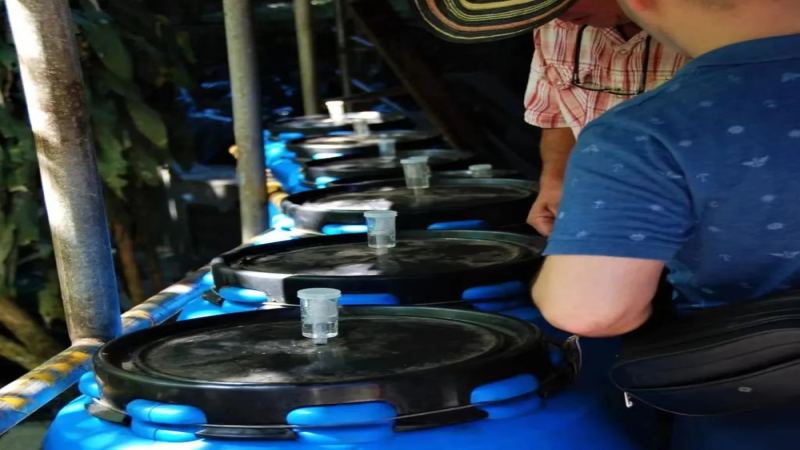
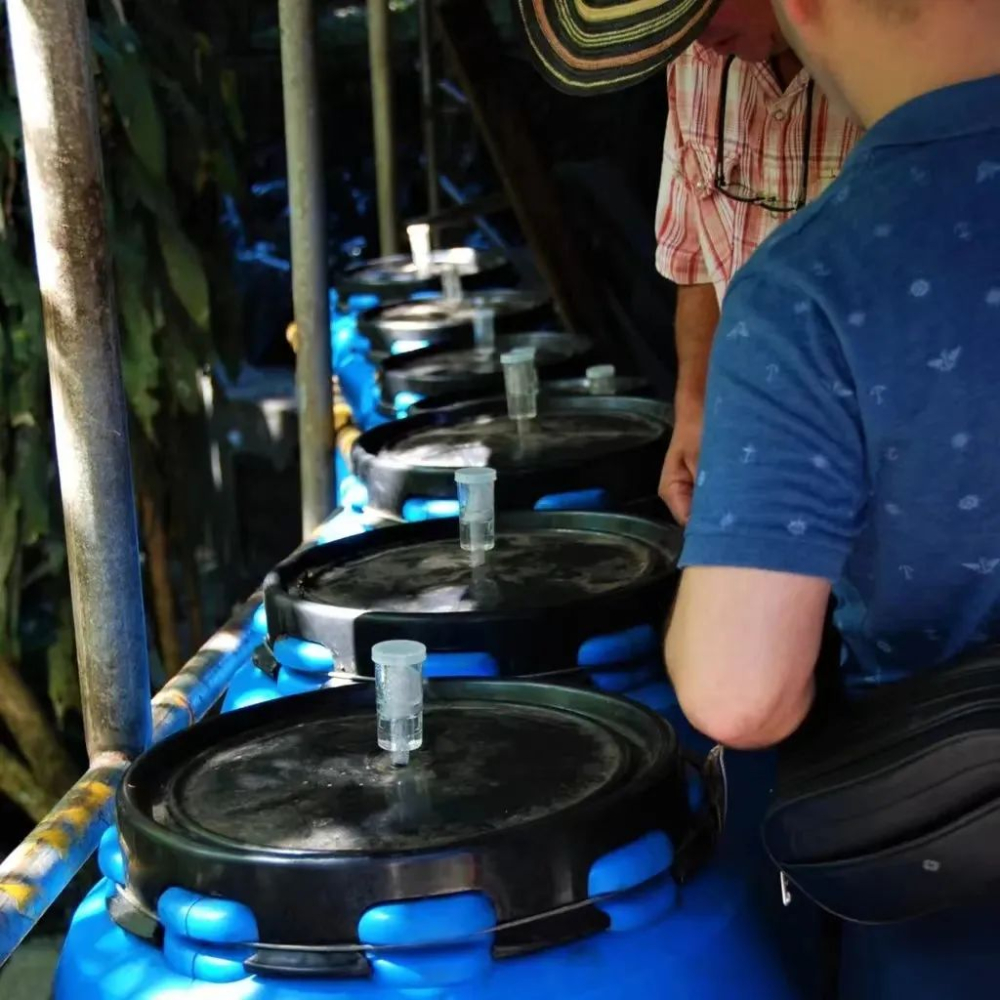
In recent years, there have been more and more innovative coffee processing methods, such as anaerobic processing,enzyme processing, carbon dioxide maceration processing, and other new processing methods that have begun to carve out a niche. The enzyme washed processing method to be introduced in this article received mixed reviews when it first appeared. Now, many years later, Front Street will take everyone back to observe what is special about this processing method.
Innovative Processing Method — Anaerobic Enzyme Wash
This processing method is different fromtraditional washed processingin that traditional washed processing is carried out through natural fermentation, while anaerobic enzyme washing uses an oxygen-free environment with added enzymes to assist fermentation, so as to achieve the desired flavor.
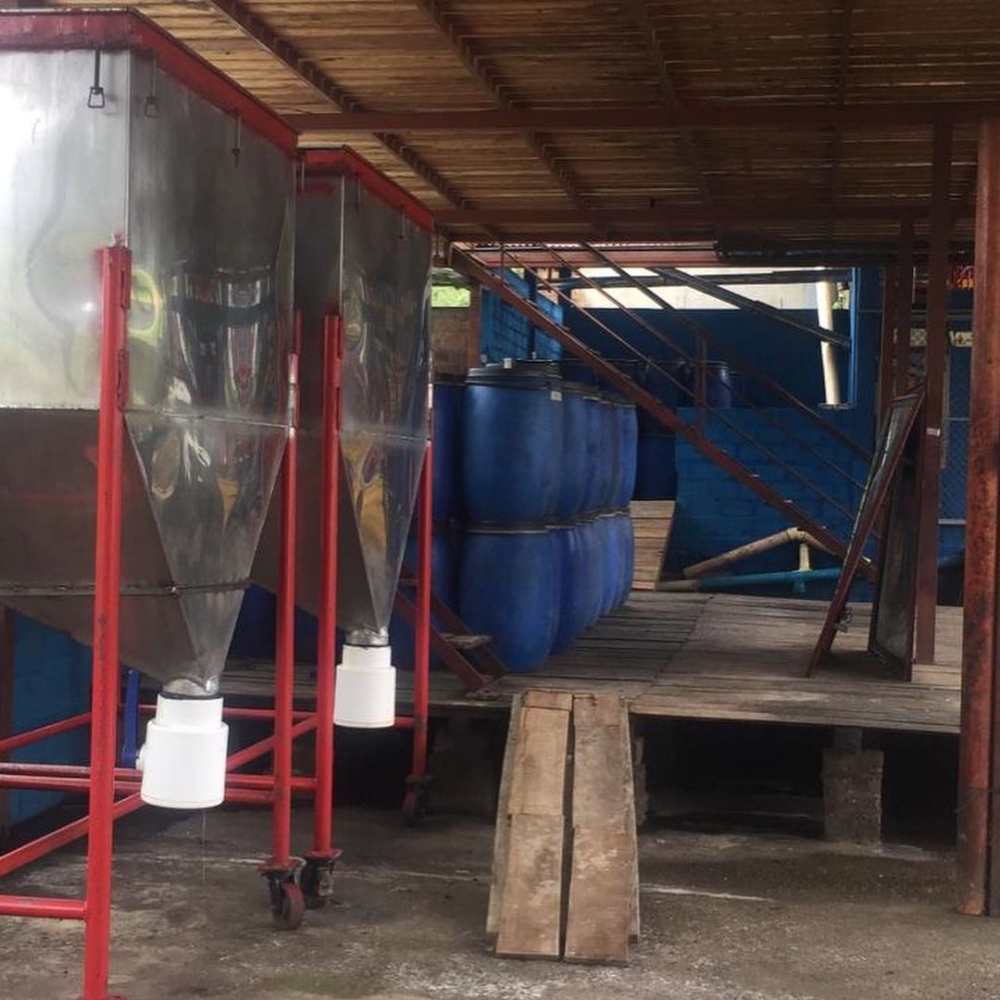
This processing method is most classic at Colombia's Finca El Diviso, among which one of its products, Rose Valley, burst onto the scene and made a stunning impact. The owner of Finca El Diviso, Vargas, has been operating the farm and growing coffee for as long as 20 years. At Finca El Diviso, only fully ripe coffee cherries with a bright red appearance are selected for picking, and defective floating beans are removed through washing, followed by two rounds of anaerobic fermentation and fermentation with a special enzyme group. At the same time, great attention is also paid to the drying process of the coffee beans. During drying, excessively high temperatures are avoided, and a slow drying method is adopted.
Anaerobic enzyme washing removes defective coffee beans through washing, and finally places the processed coffee beans into a sealed container, injects carbon dioxide to expel oxygen, and in an oxygen-free environment slows down the rate of sugar decomposition in the coffee mucilage, while the pH also decreases at a slower rate, extending the fermentation time, thereby developing better sweetness and a more balanced flavor in the coffee.

Front Street Coffee Rose Valley comes from Finca El Diviso. This coffee bean processed by anaerobic enzyme washing has a peach-like aroma and a faint rose fragrance.
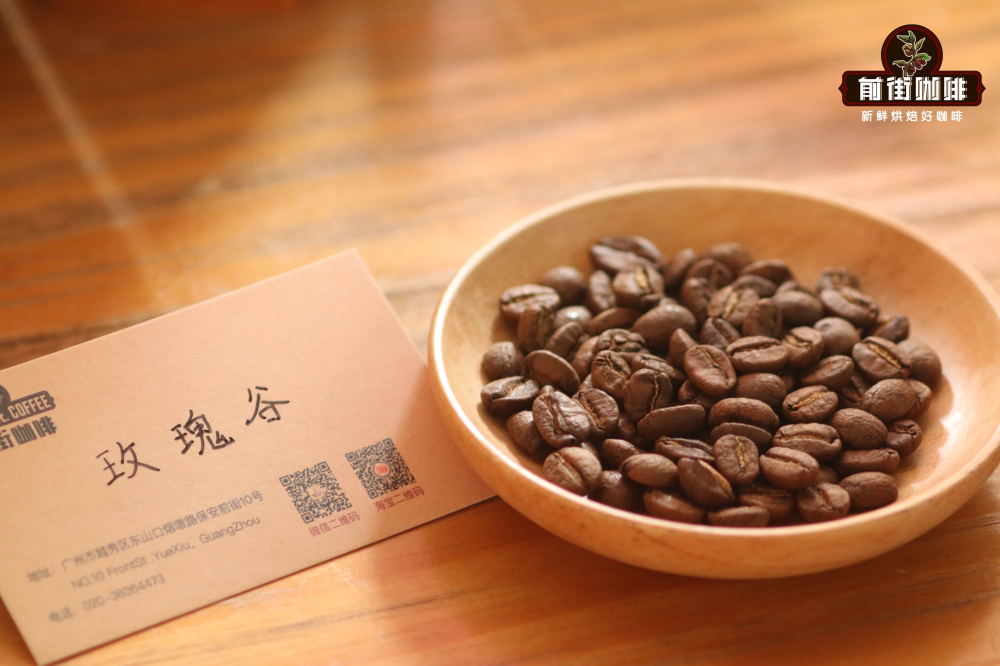
Front Street Coffee: Colombia · Rose Valley Coffee Beans
Region: Colombia, Santander Region
Farm: Colombia Finca El Diviso
Processing Method: Anaerobic Double Enzyme Wash
Altitude: 1,700 meters
Variety: Caturra
Coffee Variety
Caturra is a natural mutation of the Bourbon variety. It was discovered between 1915 and 1918 on a plantation in Minas Gerais, Brazil. A group of genes in the Bourbon planted on the plantation mutated, causing the plant to grow smaller (similar to dwarfism). This new coffee variety, expressed in a new biological form, was called Caturra by the locals in the Guarani language, meaning "small." It is sometimes also called "Nanico."
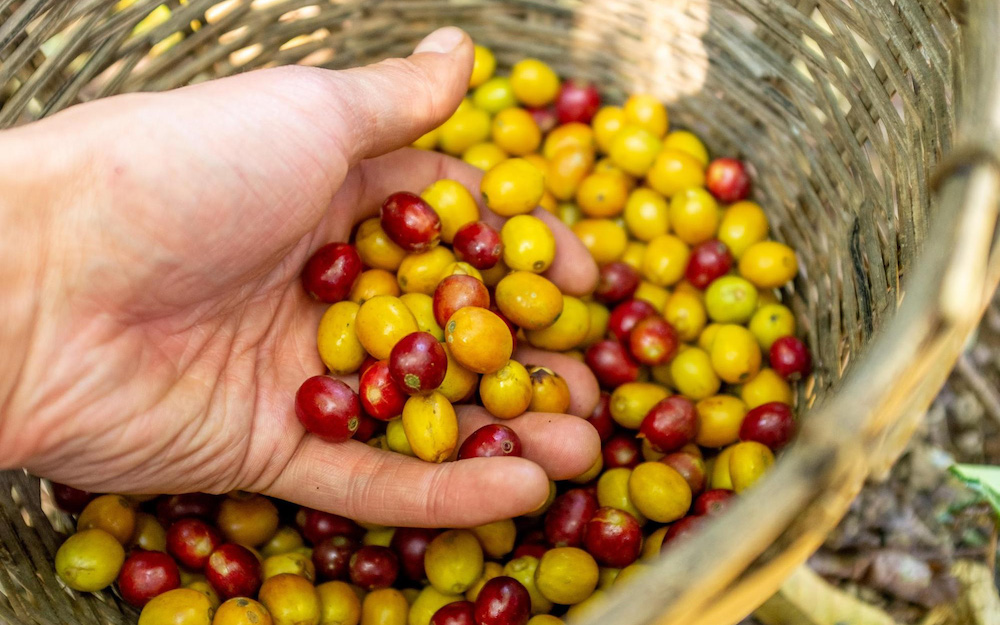
Caturra is small in stature, so it allows plants to be planted more densely, and its secondary branches are very closely spaced, which enables it to produce more fruit in the same space. This greatly increases yield per unit area. Moreover, because of its small stature, it is also more convenient to harvest. In Colombia, Caturra production is considered to account for almost half of the country's total output. It also has high-quality acidity and aroma, is bright overall, and has good sweetness.
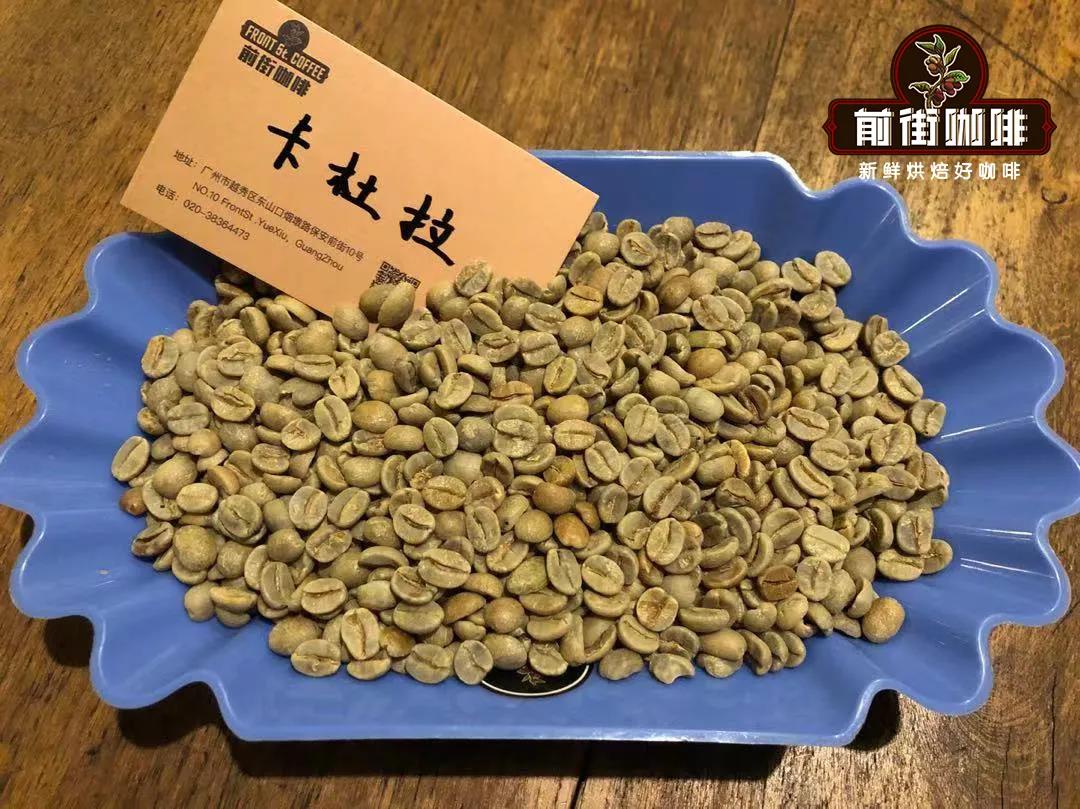
Front Street Coffee Roasting Analysis
Considering that Colombia Rose Valley uses a double anaerobic washed method, in order to preserve the beans' fruity notes and rich acidity while also showcasing cleanliness in the mouthfeel and the sweet-and-sour flavors, Front Street's roaster uses a medium roast for the Rose Valley coffee beans.
Yangjia 800N, charge weight: 480 g. When the drum temperature reaches 180°C, charge the beans, set the damper to 3, and the heat to 130; the turning point is 1'36"; when the drum temperature reaches 140°C, set the damper to 4; when the drum temperature reaches 151.6°C, the yellowing point is at 6'00", at which point the bean surface turns yellow, the grassy smell completely disappears, and the dehydration stage begins; at 8'17", ugly wrinkles and dark streaks appear on the bean surface, and the toast aroma clearly turns into coffee aroma, which can be defined as the prelude to first crack. At this time, it is necessary to listen clearly to the sound of the first crack. First crack begins at 9'48"; open the damper fully, lower the heat to 80 at 188°C; lower the heat to 50 at 192°C; develop for 2'10" after first crack, and drop at 197°C.

Front Street Coffee Brewing Sharing
Dripper: Hario V60 #01
Water Temperature: 91°C
Dose: 15 g
Coffee-to-Water Ratio: 1:15
Grind Size: Medium-fine grind (80% passing through a No. 20 sieve)
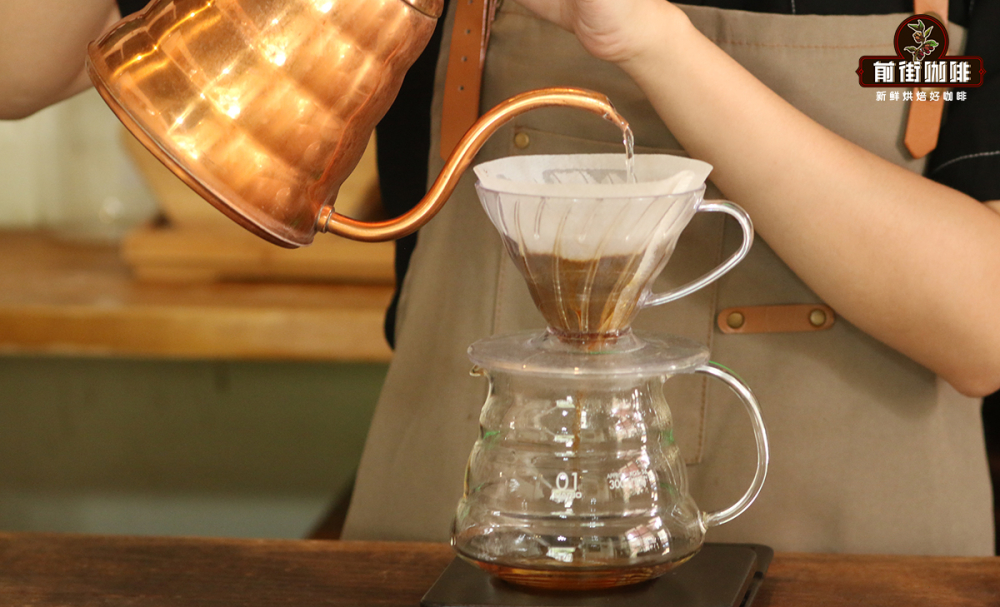
Front Street Coffee segmented extraction method: First, use 30 g of water to fully wet the coffee bed into a "hamburger" shape and bloom for 30 s (if no "hamburger" shape is seen, we should note that the coffee beans are not fresh enough or the grind is too coarse); for the second pour, at 50 s on the timer, pour water until it reaches 125 g, then stop and wait until the water level drops to 2/3 of the coffee bed before pouring the third segment; for the third segment, at 1'40" on the timer, pour water until it reaches 225 g, and after the coffee liquid has completely dripped through, the total extraction time is 1'50". After extraction is complete, gently swirl, and wait until the coffee liquid is fully uniform before tasting.
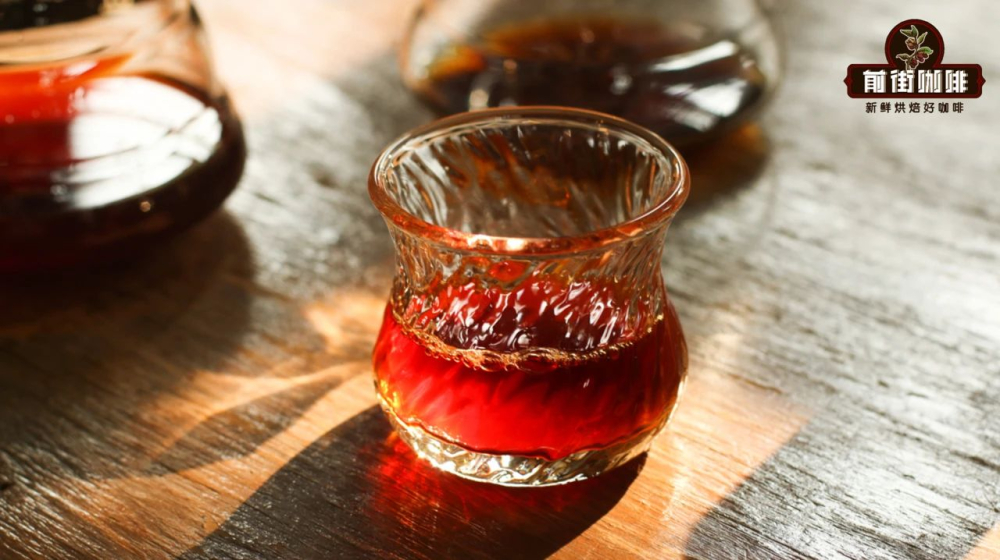
Flavor Description
In terms of processing method, Rose Valley uses a double anaerobic enzyme wash, so the acidity is more pronounced. Overall, Rose Valley drinks more like a glass of fruit juice, with grape and strawberry notes mixed with floral aromas. Huayueye is more balanced, with floral and strawberry notes accompanied by a finish of dark cocoa, cream, and fermented notes.
The above content is compiled by CoffeeHunters, a coffee news website.


