







Search Results for: East Asia coffee report

Maxim's Group's Starbucks East Asia Empire Surpasses 1,000 Stores: The Expansion Path from Hong Kong and Macau to Southeast Asia
Maxim's Group has officially surpassed 1,000 Starbucks stores across East Asia, a milestone reached with a new store at the Diamond Plaza shopping center in Hanoi, Vietnam. From partnering with Starbucks to enter Hong Kong in 2000 to now spanning seven markets—Hong Kong, Macau, Singapore, Thailand, Cambodia, Laos, and Vietnam—Maxim's Group has become one of Starbucks' most important franchise partners in East Asia. This article reviews the history of their partnership, the distribution of stores in each market, and plans to expand to 800 stores in Thailand in the future. For readers interested in coffee industry trends, Front Street Coffee also continues to bring in-depth reports like this. [more…]

China's branded coffee shop count has leapt to the top worldwide, accelerating the reshaping of the East Asian market landscape.
The latest annual report on the East Asian coffee market shows that China has overtaken the United States to become the country with the most branded coffee shops in the world. Over the past year, China's total number of coffee shops reached 49,691, a year-on-year increase of 58%, far outpacing the United States. This growth was mainly driven by domestic chain brands such as Luckin Coffee and Cotti Coffee, which together added more than 11,000 net new stores. At the same time, other East Asian markets such as Malaysia and the Philippines also showed double-digit growth, and Asian domestic chain brands are gradually going international, shaking the position of traditional giants such as Starbucks. The report points out that Chinese consumers' enthusiasm for coffee continues to heat up, with 20% of respondents visiting coffee shops every day, and convenient small-format stores have become the mainstream. Front Street Coffee will also continue to follow this rapidly evolving coffee landscape for you. [more…]
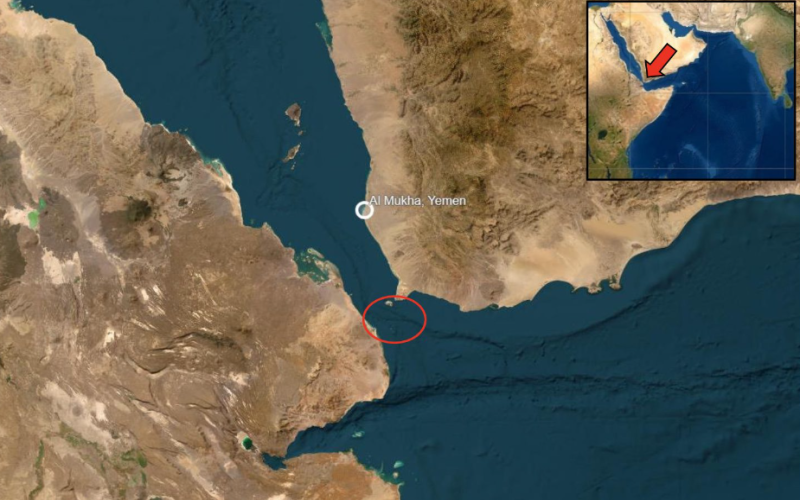
Red Sea Security Crisis Hits Global Coffee Supply Chain: Shipping Disruptions and Rising Prices
Recently, the Houthi armed forces in Yemen launched a large-scale attack on U.S. warships in the Red Sea. Although the U.S. military successfully intercepted the attack, the incident once again highlighted the tense situation in the Red Sea region. Since the escalation of the Israeli-Palestinian conflict last year, the Houthis have frequently attacked commercial ships, forcing global shipping routes to change and thereby having a profound impact on the coffee trade. Problems such as soaring transport costs, longer voyages, and container shortages followed one after another. European buyers turned to Brazil for purchases, East African coffee exports were hit hard, and international coffee prices continued to rise. This article will analyze in detail how the Red Sea crisis has disrupted the global coffee supply chain and discuss its specific impact on coffee-producing regions and consumer markets. [more…]
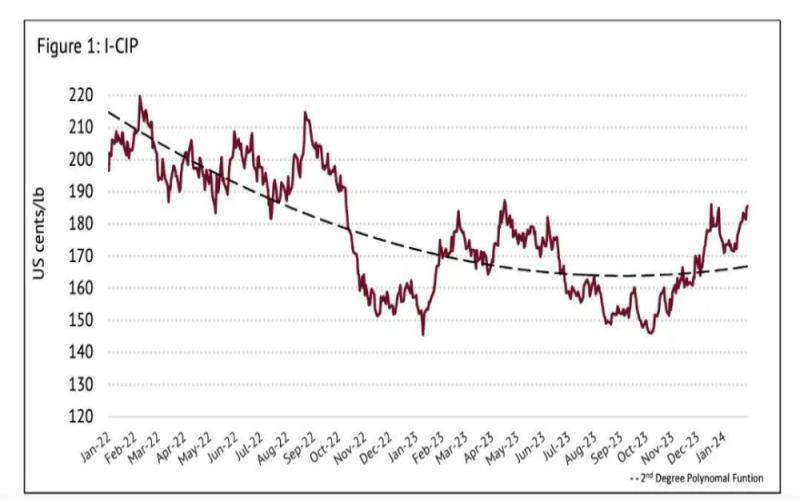
Robusta coffee prices hit a 29-year high: rising demand and supply chain pressures combine to drive the rally, with limited room for a pullback in the short term.
Recently, the coffee consulting platform Perfect Daily Grind published a report pointing out that Robusta coffee prices have climbed to their highest level in 29 years, mainly driven by multiple factors including growing global demand, supply shortages, and transportation bottlenecks. From Brazil to Vietnam, purchase prices in major producing regions have risen in tandem, and the Red Sea crisis has further intensified trade pressure on routes from East Asia to Europe. At the same time, the popularity of coffee blends has brought more attention to Robusta in the specialty coffee sector, and its climate-resistance advantages are also attracting increasing investment. Front Street Coffee believes that unless there is a fundamental shift in the supply-demand landscape, Robusta prices are likely to remain volatile at high levels and will be difficult to bring down quickly in the short term. [more…]

Russian version of Starbucks, Stars Coffee, plans overseas expansion, with Armenia to welcome its first store.
After Starbucks withdrew from the Russian market, Stars Coffee, which took over its assets, is accelerating its expansion. On one hand, the brand has reopened in St. Petersburg and plans to restore 100 stores by the end of September; on the other hand, co-founders Timur Yunusov and Anton Pinsky revealed that they have received about 50 overseas partnership inquiries, with the first overseas branch to open in Armenia, and plan to open more than 20 locations across Asia, the Middle East, and Europe. These regions see opportunities for Stars Coffee due to the absence of Starbucks. This article reviews Stars Coffee's expansion dynamics and the historical turning point of Starbucks' franchising in Russia. [more…]
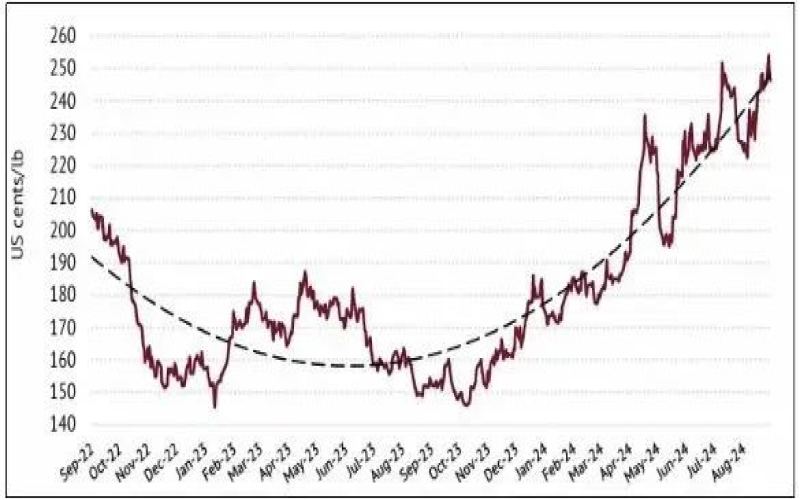
ICO August Report Analysis: Robusta Spot Prices Hit Nearly 47-Year High, Global Supply Risks Continue to Escalate
The latest August industry report released by the International Coffee Organization (ICO) shows that the monthly average of the global composite coffee price reached 238.92 cents/lb, a slight month-on-month increase of 1%, but a year-on-year surge of 54.6%, with prices fluctuating between 222.58 and 254.12 cents during the month. Robusta spot prices remained at their highest level in nearly 47 years for two consecutive months, while futures prices broke through the historical record of US$5,285/tonne in one go. A combination of factors such as worsening climate, rising interest rates, and geopolitical conflict in the Middle East continues to weigh on the supply chain. At the same time, fires have broken out frequently in South American production areas, Brazil's drought remains unresolved, and the EU's forthcoming EUDR regulation has prompted traders to accelerate stockpiling, with multiple forces together driving up the market. Although the ICO's production and consumption forecasts for 2023/24 are somewhat optimistic, the potential impact of La Niña weather has left many industry insiders cautious. [more…]

Luckin Accelerates North American Expansion? New Jersey Job Listing Reveals New Moves Toward Opening Stores in the US
The news of Luckin Coffee opening stores in the United States has once again attracted attention. Recently, a WeChat public account post claimed that Luckin is advancing the site selection for U.S. stores, has begun contacting relevant service agencies, and is actively recruiting staff. LinkedIn information shows that within the past month, Luckin posted 5 job openings located in New Jersey, covering areas such as IT operations, finance, interior design, human resources, and tax, among which the tax manager position requires directly reporting to the CFO. Combined with previous reports by the Financial Times and statements by CFO Guo Jinyi, Luckin may explore the U.S. market with a prudent and flexible strategy, preferring East Coast cities such as New York. Whether this series of moves means that Luckin's overseas strategy will shift from Southeast Asia to North America is worth continued attention. [more…]

Two major coffee-producing regions in Indonesia have been hit by disasters in succession; output may decline further, and prices could keep rising.
Recently, several major coffee-producing regions in Indonesia have been hit by natural disasters. A magnitude 5.0 earthquake struck near Bandung in West Java on the island of Java, causing injuries and damage to homes; the Aceh region in northern Sumatra was hit by heavy rain and strong winds, and with the coffee harvest season underway, harvesting work has been disrupted. At the same time, several provinces are also facing ongoing drought, and coffee production may decline further. This article summarizes the disaster situations in various areas and their impact on Indonesia's coffee industry. [more…]
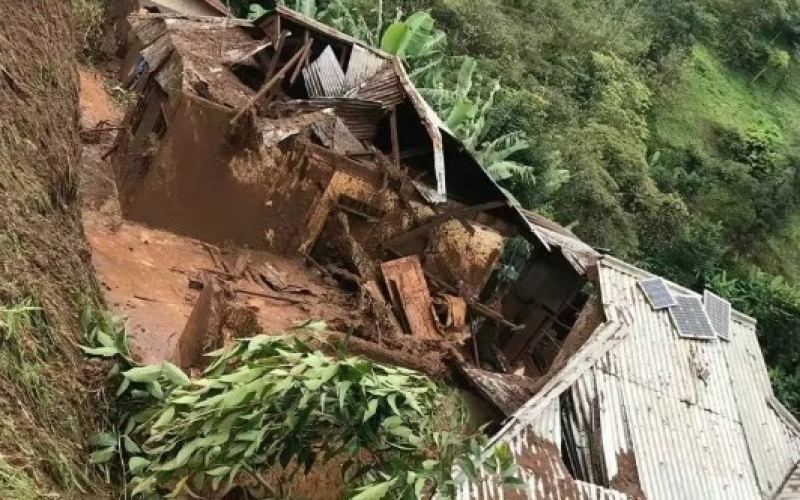
Continuous heavy rain in East Africa! Tanzanian coffee producing areas are affected.
Tanzania is located in the eastern part of Africa and has rich natural resources and a unique coffee culture. However, recently, the country of Tanzania has suffered from heavy rainfall and floods, causing casualties and large-scale damage. Local tim [more…]

Red Sea Crisis Escalates into 2025: Houthi Attacks on Merchant Ships Strain Coffee Trade and Global Logistics
The Houthi armed forces in Yemen continue to launch attacks in the Red Sea and Indian Ocean, and claim to have struck targets in Israel, causing the situation in the Red Sea to escalate continuously. Multiple international shipping giants have judged that the region will still be unsafe in 2025 and decided to continue diverting around the Cape of Good Hope. Longer voyages and port congestion are driving up global logistics costs. As an industry highly dependent on maritime shipping, the coffee trade is bearing the brunt. Freight rates on Europe-Asia routes have soared, and combined with production cuts in many countries, international coffee prices have continued to surge. This article will review the attack incidents, the shipping impact, and coffee market developments, and also pay attention to the challenges facing brands such as Front Street Coffee. [more…]

ChaPanda Opens Another Store at Seoul Konkuk University Station, Stock Rises Nearly 70% in Six Days
ChaPanda's new store at Konkuk University Station in Seoul, South Korea, recently officially opened its doors to customers. This is the brand's second store in the greater Seoul area, following its first store in Gangnam District earlier this year. At the same time, ChaPanda's stock price has performed impressively recently, with cumulative gains of nearly 70% over the past six trading days. From choosing South Korea as its first overseas destination, to launching Korea-exclusive products, to local consumers accounting for more than 80%, ChaPanda is validating its store model in the East Asian market through a differentiated strategy. This article will review ChaPanda's expansion path in South Korea, its product strategy, and the latest developments in the capital market. [more…]
World Coffee Origins | Which famous coffee beans come from each coffee-producing country? What are the flavor, taste, and characteristics of each coffee variety? Introduction to coffee grading systems
I. Brazil (South America) Since 1960, Brazil has consistently ranked first in the world in coffee cultivation, with an average annual output of 24.6 million bags (each bag weighing 60 kilograms). According to a November 2002 report by the United States Department of Agriculture, Brazil's actual coffee output in 2002 should have been 51.6 million bags. Brazil is the world's most [more…]

Cambodia Mondulkiri Coffee Purchase Agreement Finalized, Price Uptick Boosts Industry Development
Coffee bean prices in Cambodia's Mondulkiri province have recently risen, driven by long-term supply agreements signed between producers and purchasing companies. Suong Chanthorn, head of the Mondulkiri Agriculture Department, noted that in the past, when farmers sold coffee beans individually to traders, prices fluctuated significantly, but now with contractual guarantees, prices are expected to stabilize over the next two years. This cooperation not only boosts farmers' incomes but also helps ensure food security, strengthen the economic empowerment of women, especially ethnic minorities, and promote standardization and sustainable development of the production chain. Currently, Mondulkiri's coffee planting area covers 351 hectares, with 342 hectares harvestable and a yield of 705 tons. The price of fresh coffee beans has risen from 1,350 riel per kilogram to 1,500 riel, and is expected to continue climbing next year. Cambodia has a long history of coffee, dating back to the French colonial period, and today its main production areas are located in highland regions above 800 meters in elevation, with superior soil and climate conditions. As the government actively promotes the coffee industry, Cambodian coffee beans are gradually entering European, Asian, and American markets, and are poised to become a rising star in Asia's coffee market. [more…]
A Panoramic Analysis of Global Coffee Regions: Flavor Characteristics, Grading Systems, and Roasting Recommendations for Celebrated Beans from Around the World
From South America to Africa, from Asia to Central America, coffee-growing regions around the world cultivate beans with distinctive styles thanks to their unique terroir. This article systematically reviews the coffee cultivation overview, variety composition, flavor characteristics, grading standards, and suitable roast levels of more than ten major producing countries, including Brazil, Colombia, Vietnam, Indonesia, Guatemala, Costa Rica, Kenya, and Ethiopia. Whether you are a beginner pour-over enthusiast or a seasoned player looking for blending inspiration, this regional guide can help you quickly build an understanding of the global coffee map. Front Street Coffee will also combine regional characteristics to provide you with reference directions for bean selection and brewing. [more…]
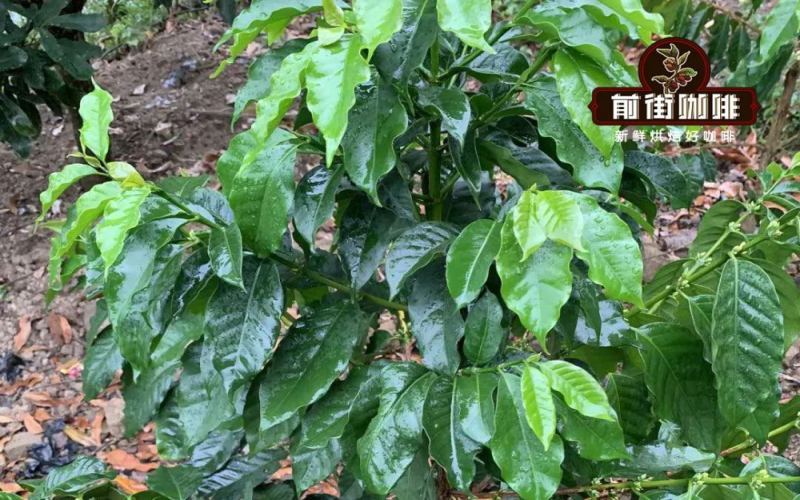
The Origin and Global Spread of Typica Coffee Beans: Variety Characteristics, Cultivation Process, and an Analysis of Front Street Blue Mountain Flavor
Typica is one of the oldest varieties of Arabica coffee. Starting from Ethiopia, it traveled through Yemen, India, Europe, and Southeast Asia, eventually taking root in Central and South America, shaping the landscape of coffee-producing countries worldwide. This article outlines the varietal characteristics and global spread of Typica coffee beans, explains in detail the complete growth process from seed selection, germination, and seedling cultivation to flowering, fruiting, and harvesting, and uses Jamaica Front Street Blue Mountain Coffee as an example to share roasting parameters, cupping reports, and brewing suggestions, giving you a comprehensive understanding of this classic variety. [more…]
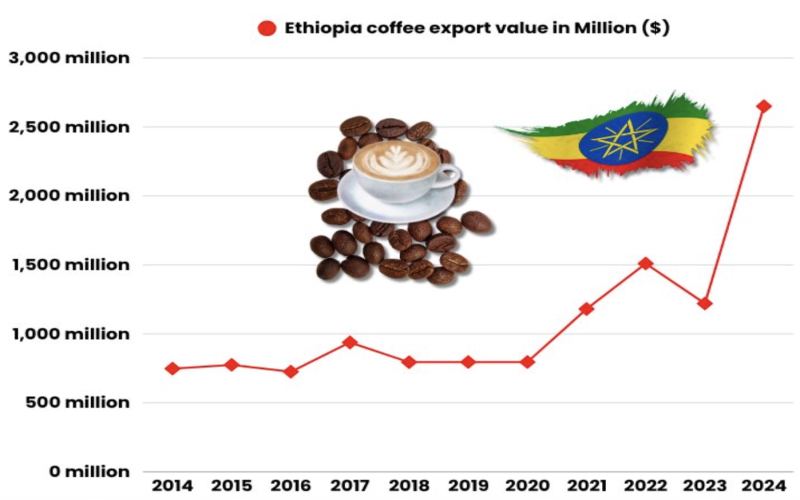
2024-2025 Ethiopia Coffee Export Report: Ethiopia's Main Coffee Export Destinations and Production
Ethiopia is not only the birthplace of Arabica coffee but also one of the world's major suppliers of high-quality coffee beans. Coffee occupies a central position in Ethiopia's economy, culture, and trade. In 2024-2025, Ethiopia's coffee export volume and export revenue both reached historic highs, marking [more…]

Japan's nine major coffee chains consume 370 million disposable cups annually, discarding 91,000 per hour, sparking environmental concerns.
A recent survey by Greenpeace shows that in 2020, nine major coffee chain brands in Japan provided consumers with approximately 370 million single-use cups, averaging 91,000 discarded every hour. Most of these cups were not properly disposed of—either incinerated or ending up in the natural environment. Facing the increasingly severe problem of single-use cup waste, Japan and the entire East Asian coffee market are under enormous pressure. Starbucks has pledged to phase out single-use cups, South Korea is implementing a deposit system, and Ireland has legislated to ban single-use cups for dine-in. Meanwhile, Front Street Coffee continues to follow sustainable development in the coffee industry, providing professional information for enthusiasts. [more…]
Vietnamese Robusta Coffee Prices Soar but Hidden Concerns Lurk, New Crop Supply May Reverse the Market
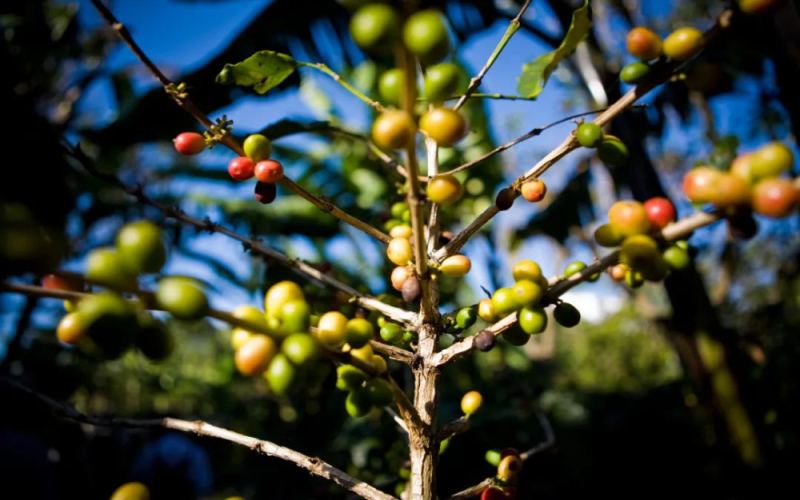
Vietnamese Robusta coffee prices have repeatedly hit new highs recently, with spot prices surging 49% compared to the same period last year and accumulating a 30% gain so far this year. Declining production, robust demand, and strong exports have combined to drive the market higher, but industry insiders are not optimistic about future trends. With Brazil and Indonesia's new harvest seasons approaching, supply is expected to improve and prices may fall back. Meanwhile, the Red Sea crisis continues to spill over, and rising shipping costs are adding uncertainty to the coffee trade. This article will review the latest developments and potential risks in the Vietnamese coffee market. [more…]
Ethiopia Joins Forces with Djibouti to Strengthen Logistics Corridor, Red Sea Tensions May Affect Coffee Export Costs
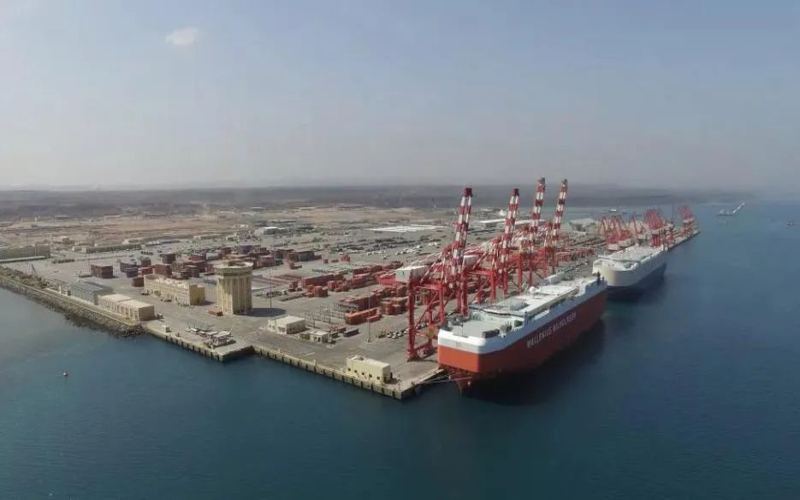
As a landlocked country, Ethiopia's foreign trade is highly dependent on the Port of Djibouti. Recently, logistics industry organizations from both countries met in Addis Ababa to discuss deepening cooperation, with plans to sign a memorandum of understanding to establish a formal communication mechanism. However, the security situation in the Red Sea region continues to deteriorate, with Houthi armed forces frequently attacking merchant ships. Several shipping companies have announced freight rate increases for November, putting cost pressure on the coffee industry, which relies on maritime transport. The volume and logistics costs of Ethiopia's coffee exports may be affected in the short term, while the conflict in the north of the country is driving up prices and increasing production expenses. This article will review the progress of logistics cooperation, the dynamics of the Red Sea situation, and their potential impact on the coffee trade. [more…]

Cotti Coffee enters the Japanese market, and its low-price strategy sparks heated discussion in the coffee community and draws attention from entrepreneurs.
Since announcing its global strategy in August this year, Cotti Coffee has quickly opened two stores in Tokyo, Japan, drawing local consumer attention with opening promotional prices of 100-300 yen, and being dubbed by netizens as the "king of value for money." However, after the promotional period, prices will rise back to 500-650 yen, directly targeting well-known brands such as Starbucks. Japan's coffee market is fiercely competitive, with about 70,000 coffee shops nationwide. As a brand established only one year ago, why is Cotti in such a hurry to open stores in a mature market? Can its "Coffee Dreamer Program" and regional partner model help its overseas expansion? This article will provide an in-depth analysis of Cotti's international layout and the challenges it faces. [more…]