I. Brazil (South America)
Since 1960, Brazil has consistently ranked first in the world in coffee cultivation, with an average annual production of 24.6 million bags (each bag weighing 60 kg). According to a November 2002 report by the United States Department of Agriculture, Brazil's actual coffee production in 2002 was expected to be 51.6 million bags.
Brazil is the world's largest coffee exporter. Over the past 40 years, Brazil's trade in coffee beans and instant coffee has averaged 1.38 billion USD annually. In 2002, total world coffee trade amounted to 88.7 million bags, with Brazil exporting 27.99 million bags, a 19.3% increase over 2001, accounting for 30% of world coffee trade and ranking first (second was Vietnam, with a trade volume of 12.2 million bags, or 13.7%), an increase of nearly 8 percentage points over 22.3% in 1998. Europe is the largest buyer of Brazilian coffee, purchasing 50% of Brazil's exports. In 2002, coffee exports to European Community countries reached 708.7 million USD, accounting for 52.3%, with most of the remainder going to the United States and Asia. Of coffee exports,coffee beansaccount for 85%.
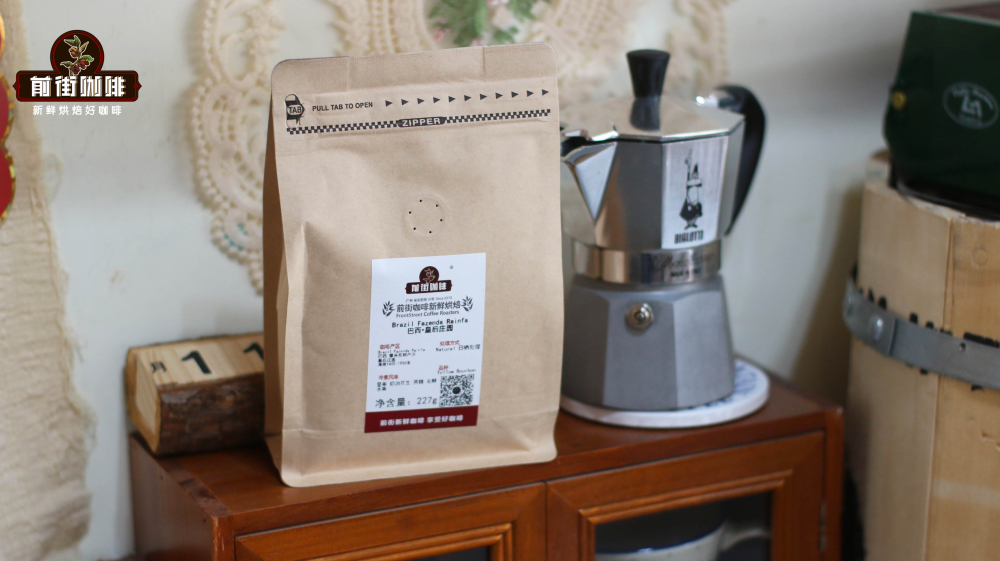
Brazilian coffee-producing regions are mainly distributed across the states of Minas, Espírito Santo, São Paulo, Paraná, Rondônia, and Bahia. Currently, Brazil has 6 billion coffee plants covering approximately 3 million hectares. Minas is Brazil's main coffee-producing region, with a 2002 output of 22.71 million bags, accounting for 48% of national production. Espírito Santo is Brazil's main producing region for large-bean coffee, ranking first nationwide.
Brazilian coffee is mainly divided into three categories: large-bean coffee (robusto), small-bean coffee (arabico), and pulped cherry coffee (cereja descascada). Brazil's pulped cherry coffee share of the world market for this type rose from 19% in 1996 to 25%. Due to market price influences, Brazil is adjusting its coffee variety structure, reducing the area for small-bean coffee, expanding the area for large-bean coffee, and focusing on developing cherry coffee, with the coffee layout trending toward expansion into the northeast.
Name | Suitable Roast Level | Flavor Characteristics | Introduction |
Brazilian Coffee | Medium Roast | Mild, moderate acidity and bitterness, gentle aroma | Especially those satisfying Brazil, Santos, quality typeNo.2,Screen 18~19, and mild flavor — these four conditions — are the most highly praised coffee beans and the most widely used. |
II. Colombia (South America)
In 2002, Colombia's coffee planting area was 775,000 hectares, with a production area of 613,000 hectares.
Colombian coffee is all Arabica mild coffee. Colombia is one of the world's most important coffee exporters. According to International Coffee Organization statistics, between 1991 and 1996, Colombia's coffee exports averaged 17% of total world exports, second only to Brazil (which accounted for 24% of total world exports). In 2001, total global coffee exports were 89.7 million bags, of which Brazil accounted for 26.2%, Vietnam 15.8%, and Colombia 11.1%.
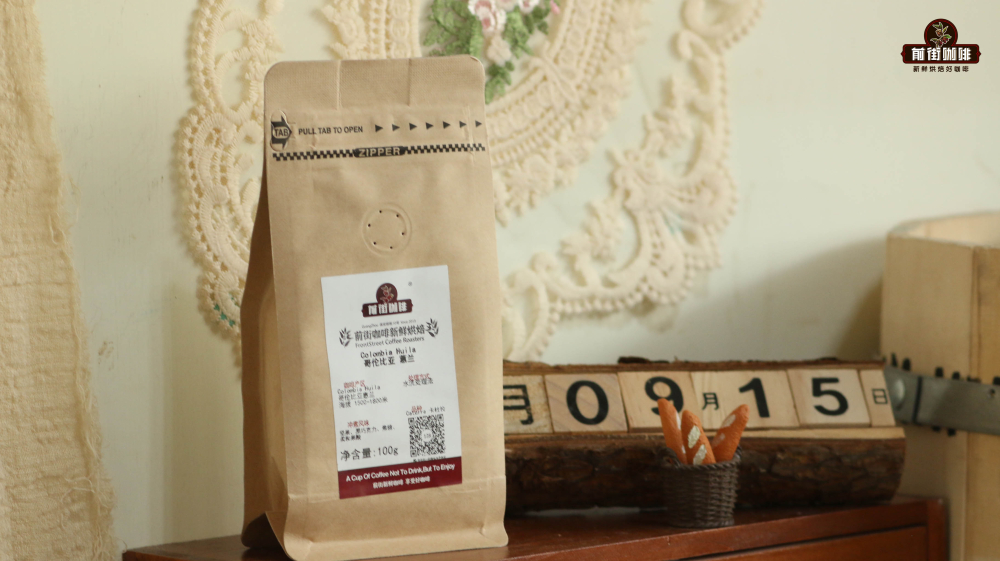
Colombia's main coffee export destinations include: the United States, Germany, Japan, Belgium, France, Canada, the Netherlands, Sweden, Spain, and others. The United States is Colombia's largest coffee export market.
Name | Suitable Roast Level | Flavor Characteristics | Introduction |
Colombian Coffee | Medium~Dark | Heavy and intense acidity, bitterness, and sweetness, with a color like well-brewed wine | The coffee beans have a distinctive full-bodied flavor, making them highly suitable whether used as pure coffee or in blends. |
III. Vietnam(Southeast Asia)
French missionaries introduced coffee trees to Vietnam for cultivation in the early 1860s, but it was not until 1990 that Vietnam's coffee production gradually secured a place in the world market. In 2001, total global coffee exports were 89.7 million bags, of which Brazil accounted for 26.2%, Vietnam 15.8%, and Colombia 11.1%. This was the first time Vietnam surpassed Colombia to rank second in the world. However, Vietnam's coffee beans are mainly cheap robusta beans, with the primary variety produced being Robusta. The sharp increase in Vietnam's export volume contributed to the decline in international coffee prices.
IV. Indonesia (Southeast Asia)
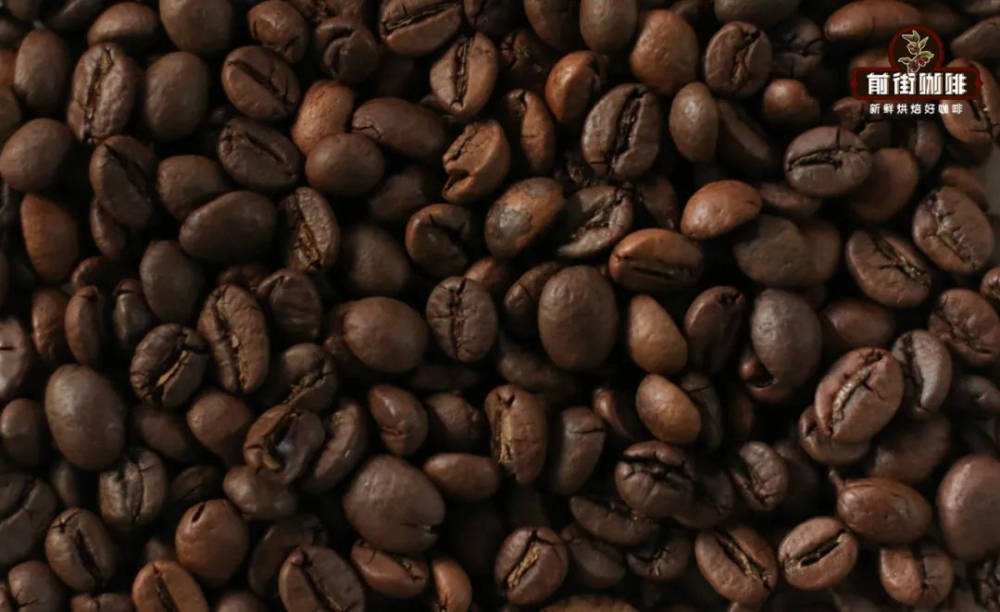
Currently, the Arabica coffee produced in Indonesia comes from three coffee-growing regions: Sulawesi, Sumatra, and Java. Among these, Sumatra is the most productive and is renowned for its Arabica coffee, which features bright acidity and clean fruity notes.
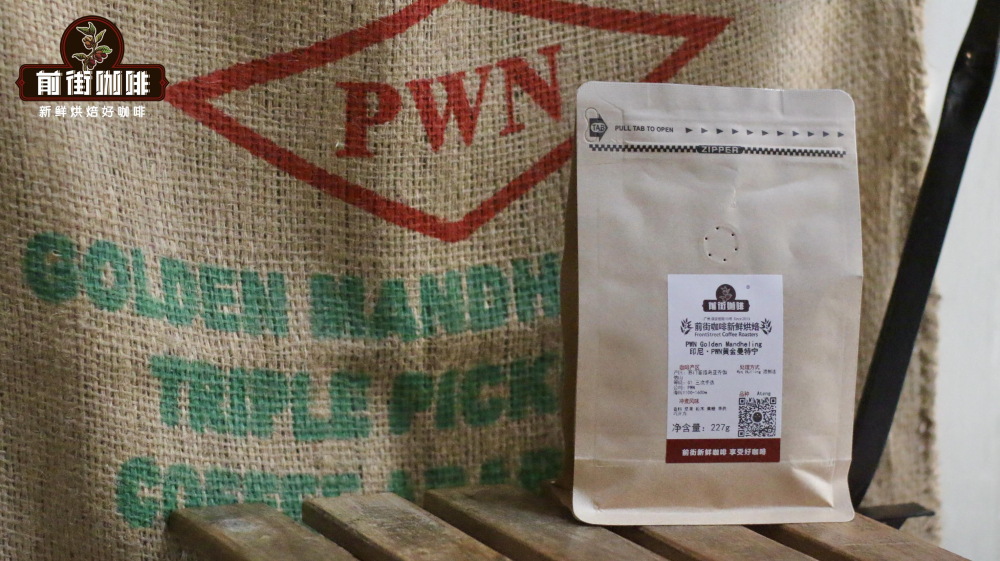
The coffee grown in Sumatra's environmental soil is rich in woody tones and a full-bodied mouthfeel, with restrained flavors and lively yet moderate acidity, along with distinctive notes of herbal medicine, cedar, cocoa, and fermented fruit. Among them, Sumatra Mandheling is the most classic coffee bean among the Arabica varieties, which make up only 25% of Indonesia's coffee production. Its exceptional flavor has earned it the title of the representative of Indonesian specialty coffee.
Name | Suitable Roast Level | Flavor Characteristics | Introduction |
Indonesian Coffee | Dark | Bitter and rich, with sweetness as well | The rich, full-bodied flavor from the East, with a honey-like smooth mouthfeel, led it to be regarded as the finest before Blue Mountain appeared. Its unique flavor is still loved by many today. |
V. Mexico (Central America)
Mexico began cultivating coffee in the late 18th century. Coffee production is concentrated in the southern areas closer to Guatemala, with mountain ranges running through both the east and west sides, creating sloped mountainous terrain ideal for coffee cultivation. It was not until 1870 that a considerable volume was exported. The largest export destination for Mexican coffee beans is the United States.
Name | Suitable Roast Level | Flavor Characteristics | Introduction |
Mexican Coffee | Medium~Dark | Tangy with lively acidity and sweetness, rich aroma | Particularly the washed coffee beans from highland areas, whose aroma and acidity are outstanding. |
VI. Guatemala (Central America)
Few places in the world can offer the variety of high-quality coffee beans that Guatemala produces. Guatemala's coffee beans are outstanding in quality due to the special conditions of their origin, including distinct climate variations in each region, rich volcanic soil, abundant natural water resources, high-altitude mountain ranges, and cool, humid forests.
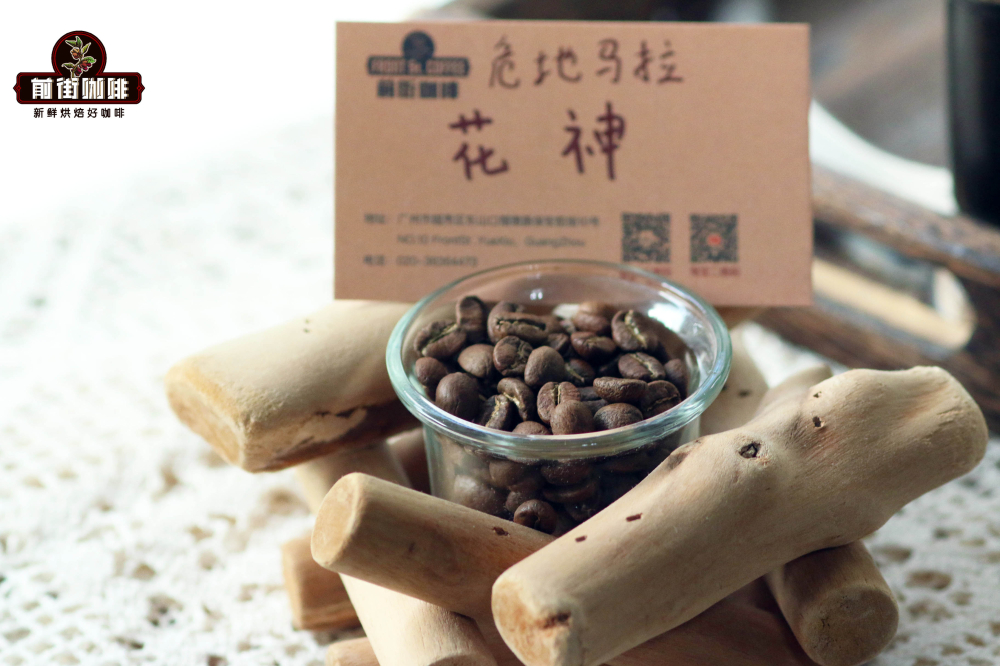
Guatemala has seven main coffee-producing regions: Antigua, Coban, Atitlan, Huehuetenango, Fraijanes, Oriente, and San Marcos. The coffee beans from each region have their own characteristics, earning Guatemala considerable acclaim internationally. Antigua in particular has a perfectly balanced acidity, sweetness, and body; with a hint of smoky flavor that adds to its mystique, after tasting it you will have reason to stop searching for substitutes elsewhere.
Most Guatemalan coffee beans are cultivated in high-altitude volcanic soil and belong to the highest-grade Arabica varieties. Due to the longer maturation period, the beans are medium-sized and dense (Guatemalan coffee bean grading is not based on bean size but on the number of defects). The beans are dark blue-green in color. Their distinctive features are aroma, body, sweetness, and a fresh, pleasant unique acidity, because the coffee's fragrance and mouthfeel are hidden within its acidity. Therefore, only coffee beans with these characteristics can be called premium coffee beans.
Name | Suitable Roast Level | Flavor Characteristics | Introduction |
Guatemalan Coffee | Dark | Bitter and aromatic, with a good mouthfeel | Highland-grown coffee is aromatic and full-bodied with good-quality acidity, highly praised, and the best material for blended coffee. |
VII. El Salvador (Central America)
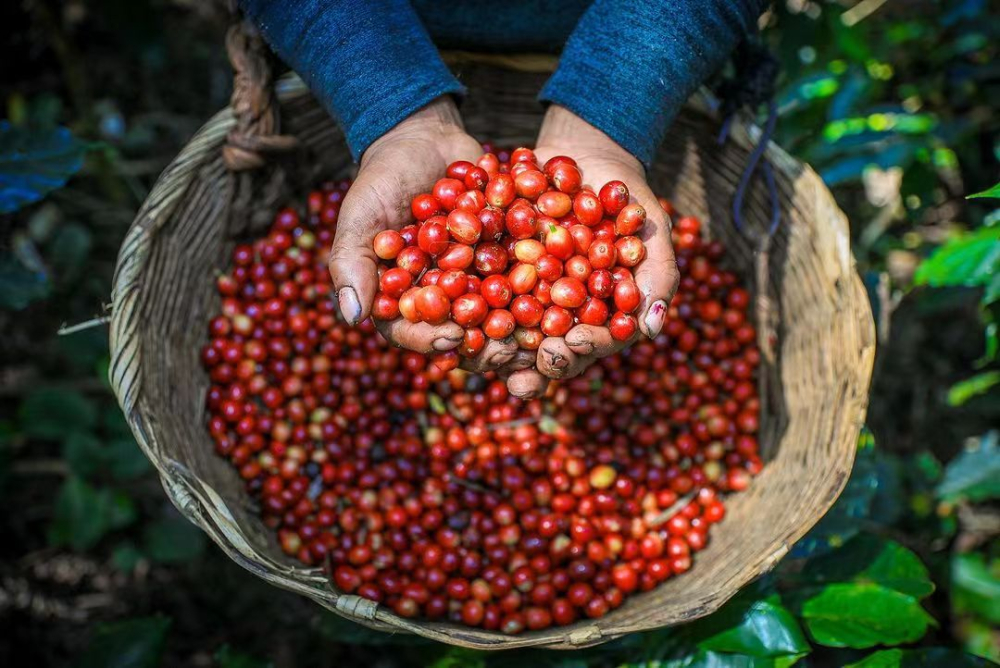
Geographically, El Salvador is adjacent to Honduras, Guatemala, and the North Pacific, with beautiful natural surroundings and breathtaking volcanoes. The country's terrain is highland, with an average elevation of 650 meters, and the national territory lies between two parallel mountain ranges (one parallel to the Pacific coast, the other at the border with Honduras). This unique geographical environment creates five distinct ecological zones within El Salvador. Conditions such as soil, climate latitude, and extensive natural shade show that El Salvador is highly suitable for cultivating quality Arabica coffee; in fact, since the 19th century, coffee has been one of the country's most important economic products.
Excellent Salvadoran coffee has a bright but not aggressive flavor. At medium-light roast levels, it has a refreshing mouthfeel and well-balanced flavor, occasionally with plum and spice notes. Generally speaking, it has a heavier body than neighboring Costa Rican coffee. Dark-roasted Salvadoran coffee often displays an alluring rich chocolate flavor. It is worth mentioning that the vast majority of Salvadoran coffee is organic. Although the country still produces large quantities of low-altitude, low-priced coffee beans, estate-level specialty coffees from El Salvador are increasingly abundant.
Name | Suitable Roast Level | Flavor Characteristics | Introduction |
Salvadoran Coffee | Medium~Dark | Mild and moderate acidity, bitterness, and sweetness | Highland-grown beans are large, uniform coffee beans with rich aroma and a mild mouthfeel. |
VIII. Honduras (Central America)
Coffee beans are also classified by altitude, with washed coffee beans from high mountain areas being better, while lowland coffee beans are somewhat inferior. Well-known origins include Santa Barbara, Gracias, Comayagua in the east, and Choluteca near Nicaragua.
Name | Suitable Roast Level | Flavor Characteristics | Introduction |
Honduran Coffee | Medium~Dark | Acidic with slight sweetness | Generally ranging from medium to large beans, with a mild, well-balanced flavor. |
IX. Costa Rica (Central America)
Costa Rica is located in the low-latitude volcanic belt of Central America. The Central Plateau and mountain areas at elevations of approximately 800–2,000 meters are suitable for coffee cultivation. Costa Rican coffee has always been known for its extremely balanced, extremely clean, and extremely bright flavor, with a fruity acidity reminiscent of berries. Excellent Costa Rican coffee has a finish that reveals spice notes and cocoa flavors.
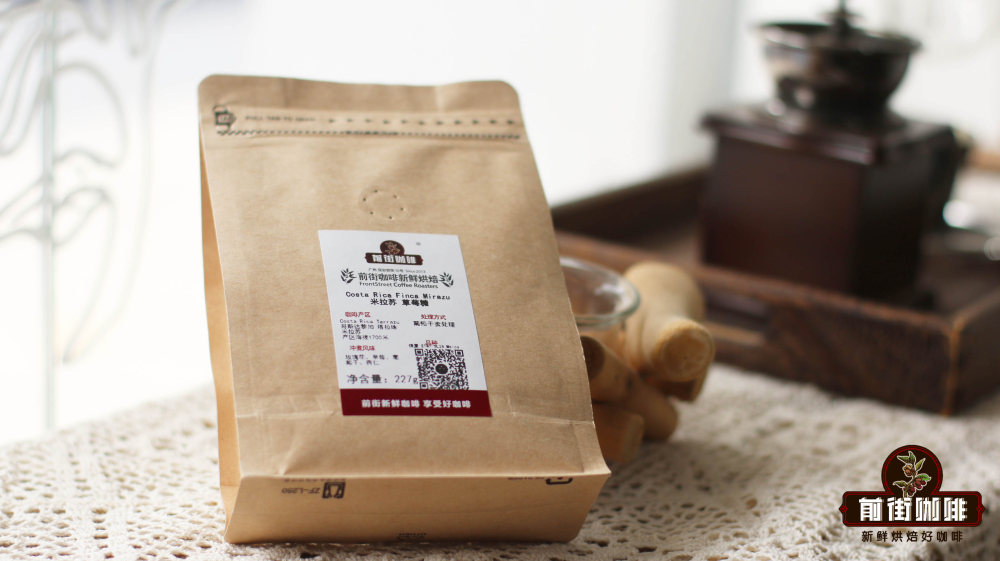
The country's most famous large growing region is Tarrazu, near the capital San José. The Tarrazu region has the highest average latitude and excellent climate and soil conditions, making Tarrazu the country's most famous and generally recognized finest coffee-growing region. Tres Rios is a well-known small sub-region within Tarrazu. The most famous Costa Rican single-estate coffee in the specialty coffee world is the La Minita estate in the Tarrazu region, with an annual production of only 160,000 pounds.
Name | Suitable Roast Level | Flavor Characteristics | Introduction |
Costa Rican Coffee | Medium | Moderate acidity, aromatic and full-bodied | The coffee beans are large-bean type, with those produced in the highlands along the Pacific coast being the finest selection. |
X. Cuba (West Indies)
Cuba is famous for its cigars and coffee. Coffee was introduced by the French from Haiti in the mid-18th century. Cuban coffee grades are classified by bean size into three types: ETL (extra large), TL (medium), and AL (regular).
Name | Suitable Roast Level | Flavor Characteristics | Introduction |
Cuba · Cristal Mountain | Medium | Stable flavor. Balanced acidity, bitterness, and sweetness | The coffee beans are medium~to large. In particular, "Cristal Mountain" is Cuba's most proud premium large-sized high-grade coffee bean. |
XI. Jamaica (West Indies)
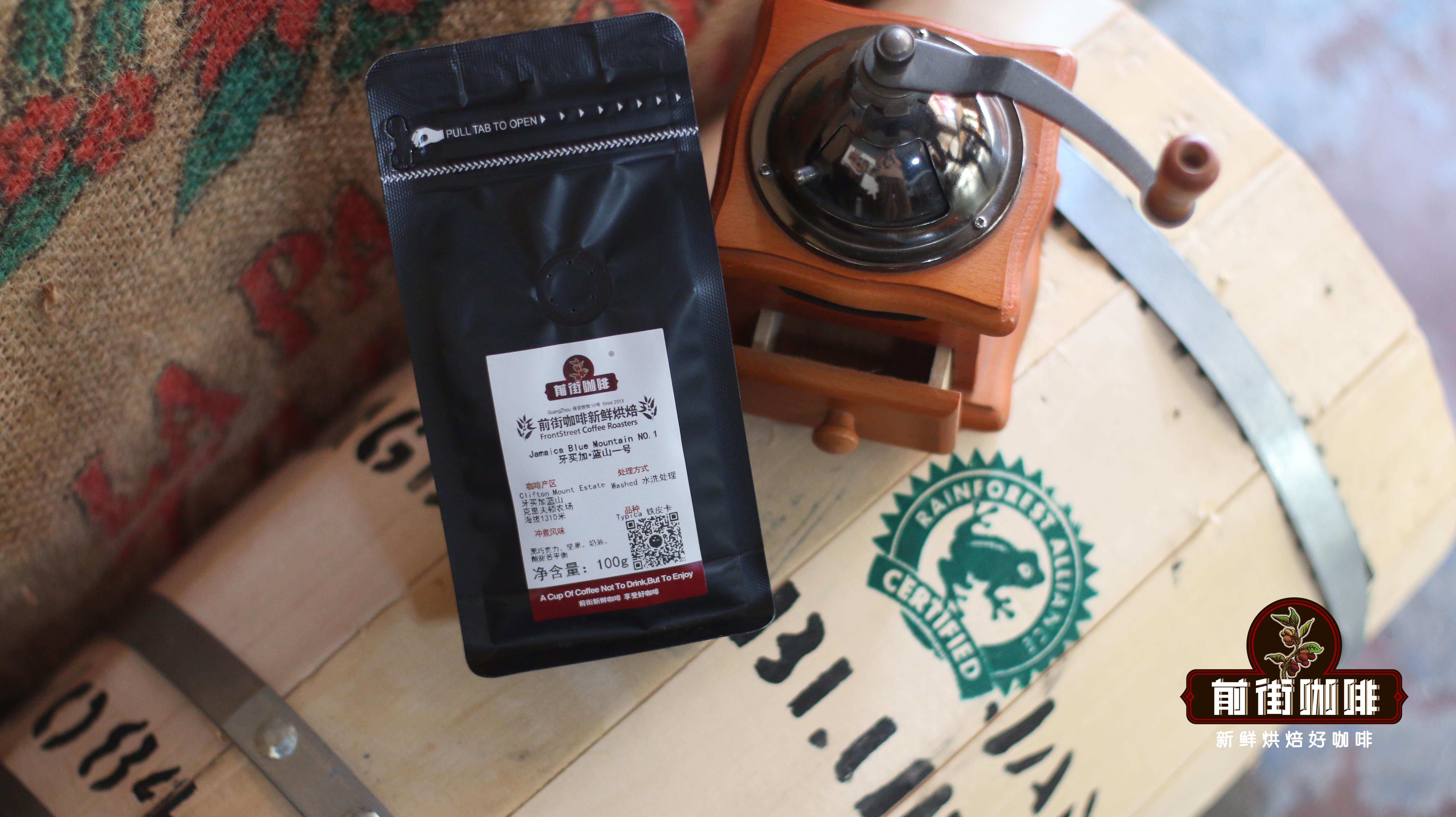
Jamaican Blue Mountain coffee has three grades: Blue Mountain Coffee, Jamaica High Mountain Supreme Coffee Beans, and Jamaica Prime Coffee Beans. Among these, Blue Mountain Coffee and High Mountain Coffee are each further divided into two grades. By quality from highest to lowest: Blue Mountain No. 1, Blue Mountain No. 2, High Mountain No. 1, High Mountain No. 2, and Jamaica Coffee.
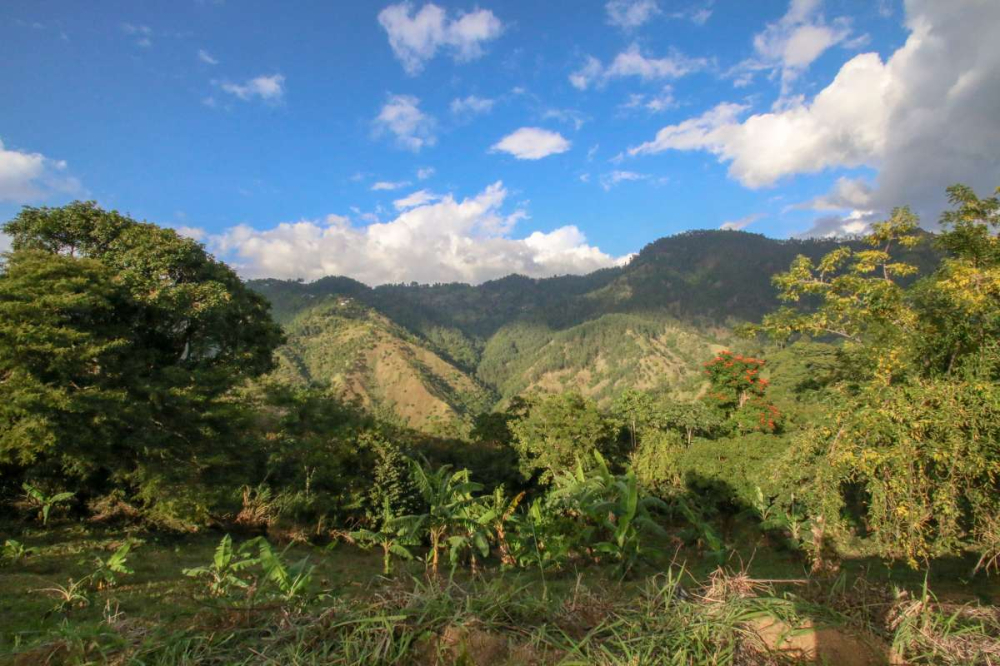
By quality from highest to lowest: NO.1, NO.2, NO.3, and PB, where PB refers to peaberry. According to CIB standards, the basic criteria for NO.1 Blue Mountain green beans are beans of 17 screen size or above, a defect rate below 3%, and a moisture content of around 13%.
Name | Suitable Roast Level | Flavor Characteristics | Introduction |
Jamaican Coffee | Light~Medium | Consistent acidity, bitterness, and sweetness, with excellent aroma | Among them, "Blue Mountain" has a very balanced flavor, aroma, body, and acidity, and is hailed as the finest of coffees, with a very high reputation. |
XII. Kenya (Africa)
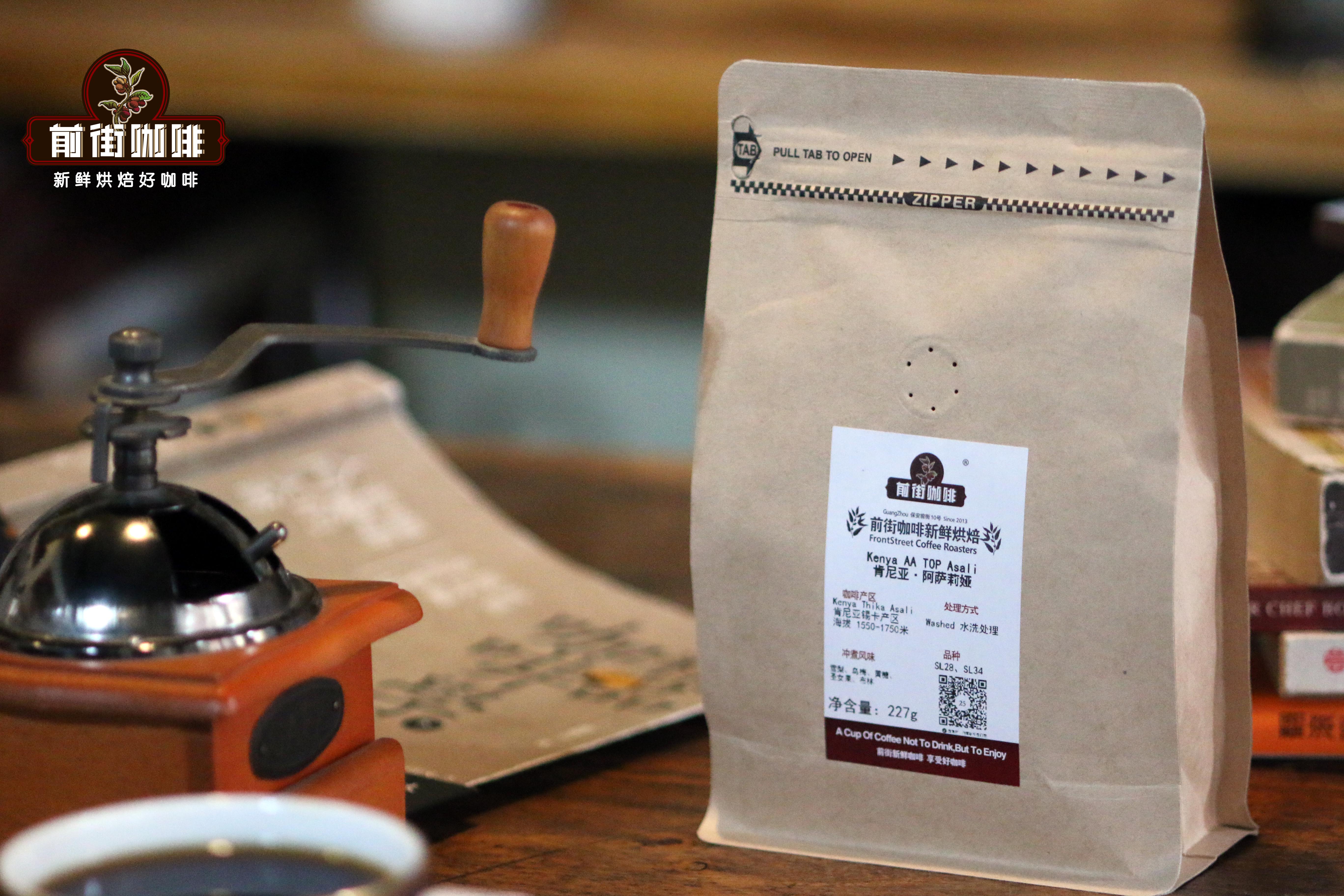
Kenya, located beneath the equator in East Africa, grows high-quality Arabica coffee beans. The Mocha-type small-bean coffee introduced from Bourbon Island has a unique flavor, is suitable for blending, and is highly praised.
Name | Suitable Roast Level | Flavor Characteristics | Introduction |
Kenyan Coffee | Dark | Strong acidity and aroma, the favorite of Germans | In terms of flavor, "KenyaAA" is especially highly praised. |
XIII. Tanzania (Africa)
Tanzania is adjacent to Kenya and other famous coffee-producing countries, and coffee exports account for a very important proportion of the national economy. Tanzanian coffee typically has aromatic qualities with a slight fruity acidity and a rich, refreshing character. The famous producing region is the area around Mount Kilimanjaro in the northwest. Of Tanzania's coffee production, Arabica accounts for 75% and Robusta 25%.
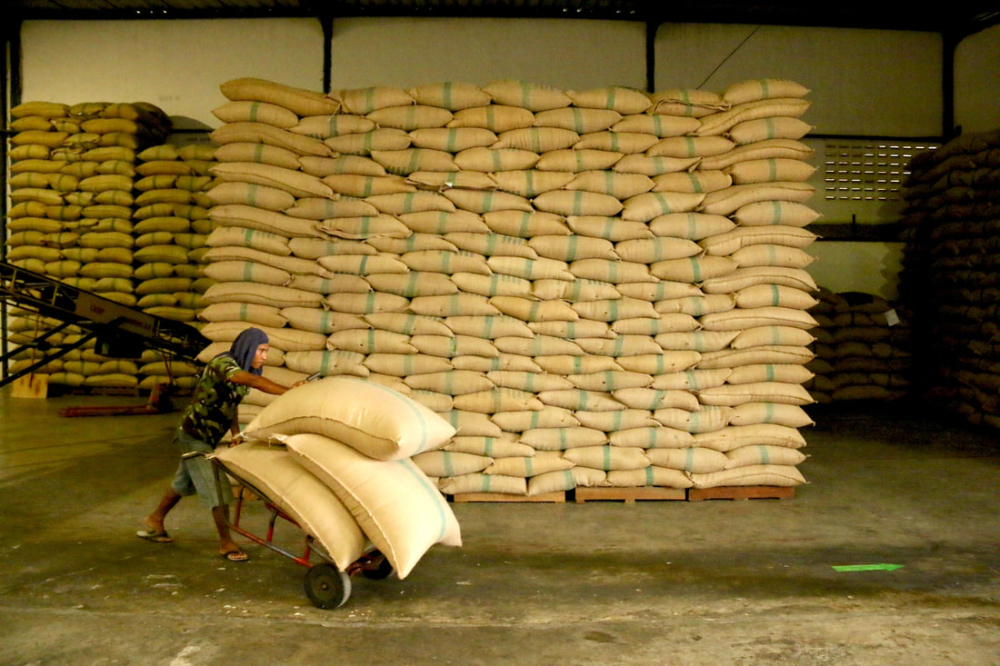
Tanzania produces a large quantity of peaberries (also called round beans). After harvest, round-shaped peaberries are typically sorted out by vibrating automated machines and sold at higher prices to the international specialty coffee market, where they are widely welcomed by North American and European buyers. Due to their shape and internal density, peaberries heat up more quickly during roasting than flat beans, so mastering the roast profile is relatively important. They are suitable for light to medium roasting.
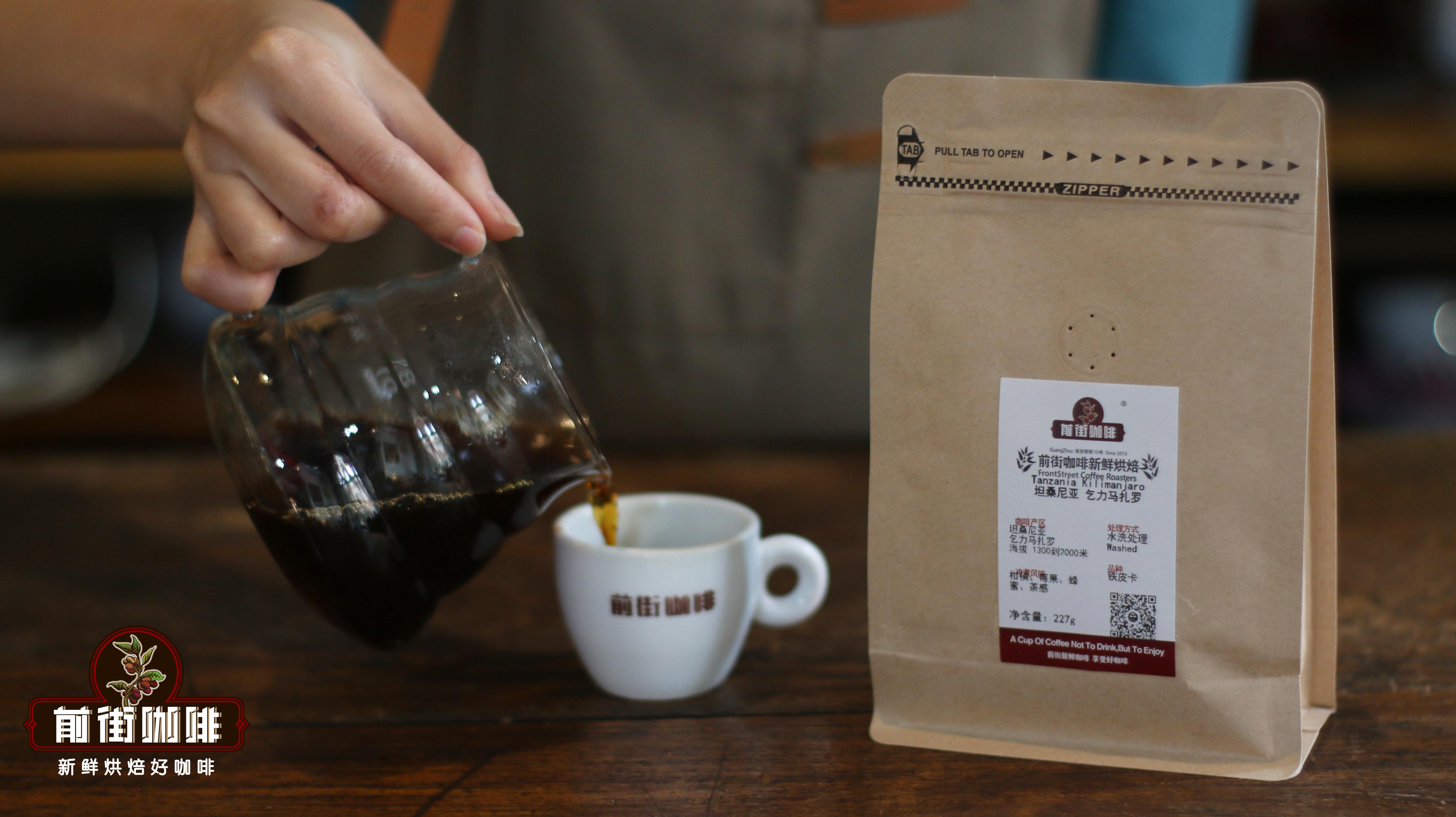
At lighter roast levels (City), they are aromatic and refreshing, with a flavor similar to Kenya's—bright and prominent, with sweetness—and are suitable for enjoying as a single origin to directly taste their natural aroma. At darker roast levels (Full City), the acidity diminishes to extremely weak while the sweetness becomes very prominent, making them a great choice for espresso blending. Tanzanian coffee has a more prominent aroma than ordinary coffee beans, with a unique and delicately rich mouthfeel, blending nutty and chocolate notes with intense fruity aromas—infinitely varied and worth tasting.
Kilimanjaro coffee is produced at the foot of Mount Kilimanjaro, Africa's highest peak, and is the king of Tanzanian coffee.
Name | Suitable Roast Level | Flavor Characteristics | Introduction |
Kilimanjaro Coffee | Medium~Dark | Moderate acidity, Elegant flavor, sweet and fragrant | The Arabica coffee beans produced, especially theAAgrade(large beans) are the finest premium quality. |
XIV. Ethiopia (Africa)
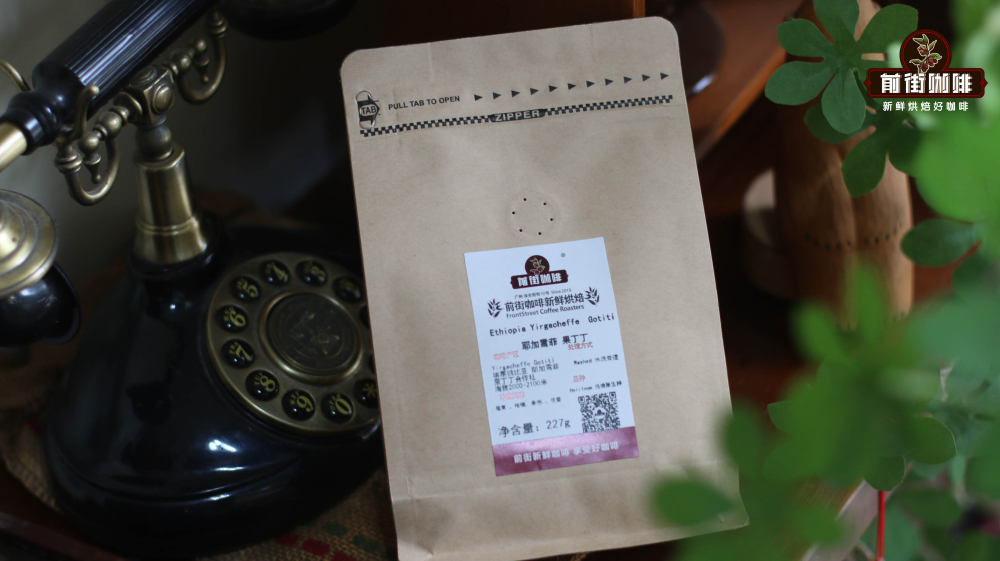
Ethiopia is an agricultural country with a history and tradition that can be called the birthplace of coffee. The origin of the name "coffee" is believed to be Kaffa in the southwest, while Sidamo and Yirgacheffe in the south are the main producing areas.
Name | Suitable Roast Level | Flavor Characteristics | Introduction |
Ethiopian Coffee | Medium to Dark | Excellent aroma and acidity; washed coffee has strong acidity | Small beans with rich aroma, and the special names "Harrar Mocha" and "Longberry" possess unique flavors, typically referred to simply as "Mocha." |
XV. Yemen (Asia)
Yemen is the birthplace of the Arabica variety. Yemeni Mocha coffee was once all the rage, and Yemen cultivates coffee at elevations of 1,500–2,500 meters. The altitude at which Yemeni coffee is grown determines its excellent quality.
Name | Suitable Roast Level | Flavor Characteristics | Introduction |
Yemeni Coffee | Medium to Dark | Slightly acidic with a strong finish, and sweetness as well | Along with coffee from Brazil and Colombia, it is one of the three musketeers selected for use in blended coffee. |
XVI. Hawaii (Americas)
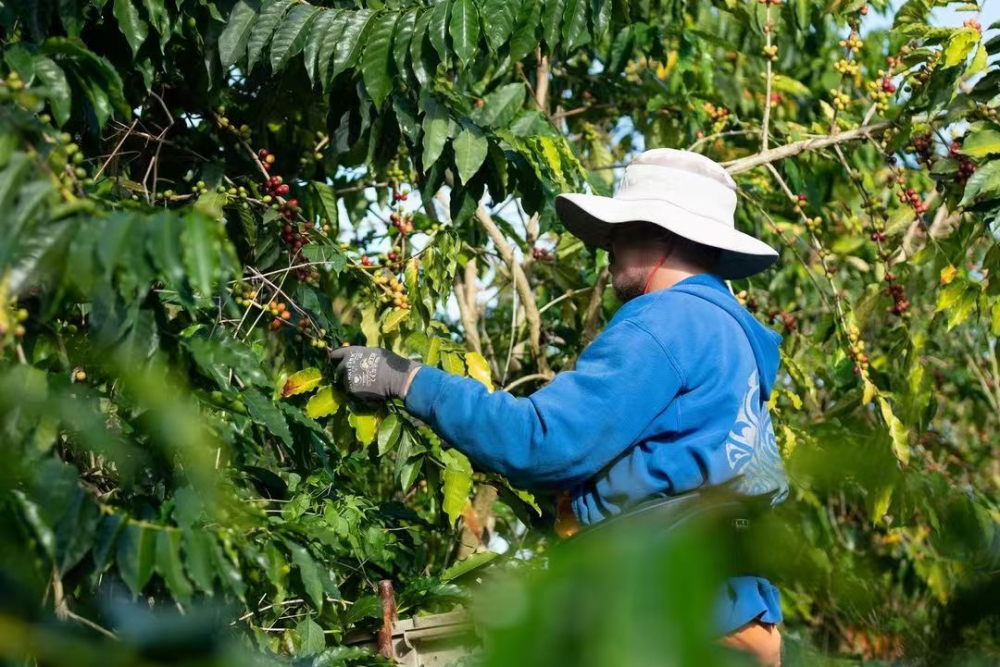
This is the representative coffee of Hawaii and belongs to the Arabica variety. Due to climatic influences, Kona coffee beans contain a rich floral fragrance and a distinctive flavor reminiscent of nuts and cinnamon that other coffees do not have. It is one of the best coffees in the world, with an annual production of two million pounds. Coffee consumed in the continental United States comes from Hawaii.
Name | Suitable Roast Level | Flavor Characteristics | Introduction |
Hawaiian Kona Coffee | Medium~Dark | Smooth mouthfeel and moderate acidity; often blended with other spices to create special flavors | Known to coffee enthusiasts,"Old Kona"(Aged Kona)has, through the passage of time, become a mellow coffee. |
The above content is compiled by CoffeeHunters, a coffee news website.