







What does Cotti Coffee's entry mean for coffee in Europe and beyond?
Cotti Coffee opened two stores in Tokyo, one near the University of Tokyo and one in Nishi-Ikebukuro, after announcing a global strategy in August. Opening drinks sell for 100-300 yen, rising to 500-650 yen after the promotion, which puts the brand close to Starbucks Japan's 390-700 yen range.
Japan already has roughly 70,000 coffee shops and about two in three residents drink coffee, so the market is crowded. Cotti's targets include South Korea, Indonesia, Canada, and Japan, a pattern familiar to observers of coffee from other countries, where price-led chains must adapt to local tastes and habits.
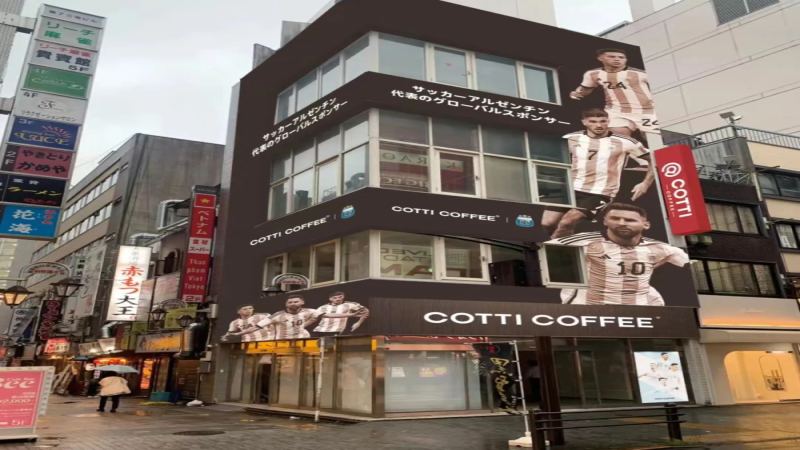
Since announcing its global strategy in August this year, Cotti Coffee has quickly opened two stores in Tokyo, Japan, attracting local consumers with a promotional opening price of 100-300 yen, and being dubbed the "king of value for money" by netizens. However, after the promotional period, prices will rise back to 500-650 yen, directly targeting well-known brands such as Starbucks. Japan's coffee market is fiercely competitive, with about 70,000 coffee shops nationwide. Why is Cotti, a brand only one year old, in such a hurry to open stores in a mature market? Can its "Coffee Dreamer Plan" and regional partner model help its overseas expansion? This article will provide an in-depth analysis of Cotti's international layout and the challenges it faces.
▲
Click to follow | Daily specialty coffee culture magazine Coffee Workshop
In August, Cotti Coffee announced its global development strategy, planning to expand into overseas markets, with target countries including South Korea, Indonesia, Canada, and Japan. From the end of August to now, it has opened two stores in Japan, one near the University of Tokyo and one in Nishi-Ikebukuro.
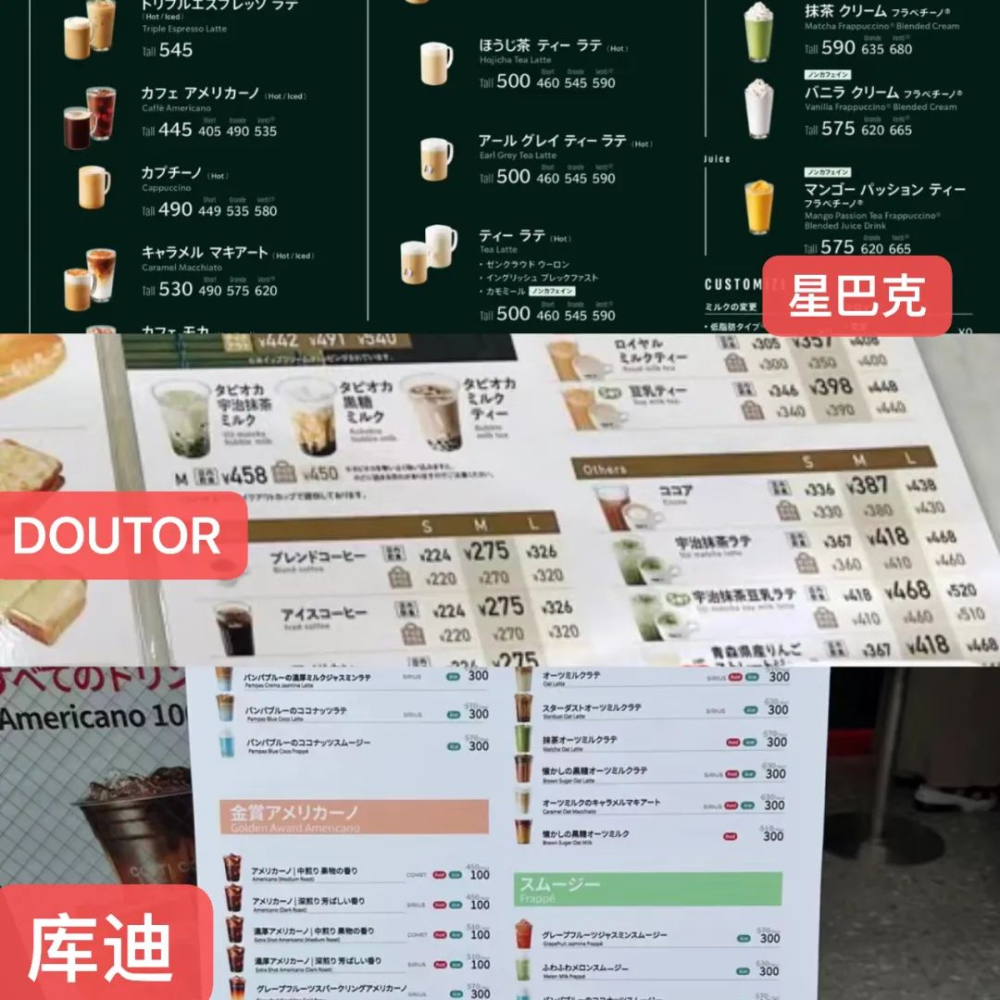
Judging from the store menu, it is currently in the opening promotion period, with drink prices between 100-300 yen, equivalent to about 5-15 yuan, which is extremely affordable in Japan. But after the promotion ends, prices will return to around 500-650 yen. This original price level is already competitive with other well-known brands. For example, Starbucks in Japan sells for 390-700 yen, the Japanese local brand DOUTOR is priced at 270-520 yen, and the average price at some niche cafes is as high as 700-1,300 yen.
Cotti Coffee's current prices are quite cutthroat in the Japanese coffee market. Many Chinese students and office workers in Japan have rushed to check it out and share their experiences on social media. On September 25, Cotti's second store officially opened in Nishi-Ikebukuro, Japan, and attracted a queue of people on the very first day.
In fact, Japan's demand for coffee is very large. There are about 70,000 coffee shops nationwide, and two out of every three Japanese people drink coffee. Therefore, competition in Japan's coffee circle is also extremely fierce. On the other hand, overseas markets still need a certain process of becoming familiar with China's coffee category, and Cotti Coffee has only been established for one year. The coffee cultures of countries such as South Korea and Japan are relatively mature. Why is it in such a hurry to open stores in countries with such fierce competition?
Earlier, Cotti Coffee announced the launch of its internationalization strategy, and its first overseas store opened in Gangnam, Seoul, on August 8. According to reports, Cotti Coffee will adopt directly operated, joint venture, and regional partner models overseas. Cotti Coffee hopes to work with small and micro entrepreneurs around the world to realize the coffee dream together. In the company profile, Cotti Chairman and CEO Qian Zhiya calls herself a "coffee dreamer" and has launched the "Coffee Dreamer Plan" to help coffee lovers and entrepreneurs realize their coffee dreams, making it so that there is no difficult coffee shop to open in the world. Cotti Coffee has been established in China for only one year, but its stores have already exceeded 5,000, so it can use its domestic achievements to attract more overseas investors. Rather than promoting products, this coffee brand now seems to want entrepreneurs to know that Cotti is capable of providing help with opening stores.
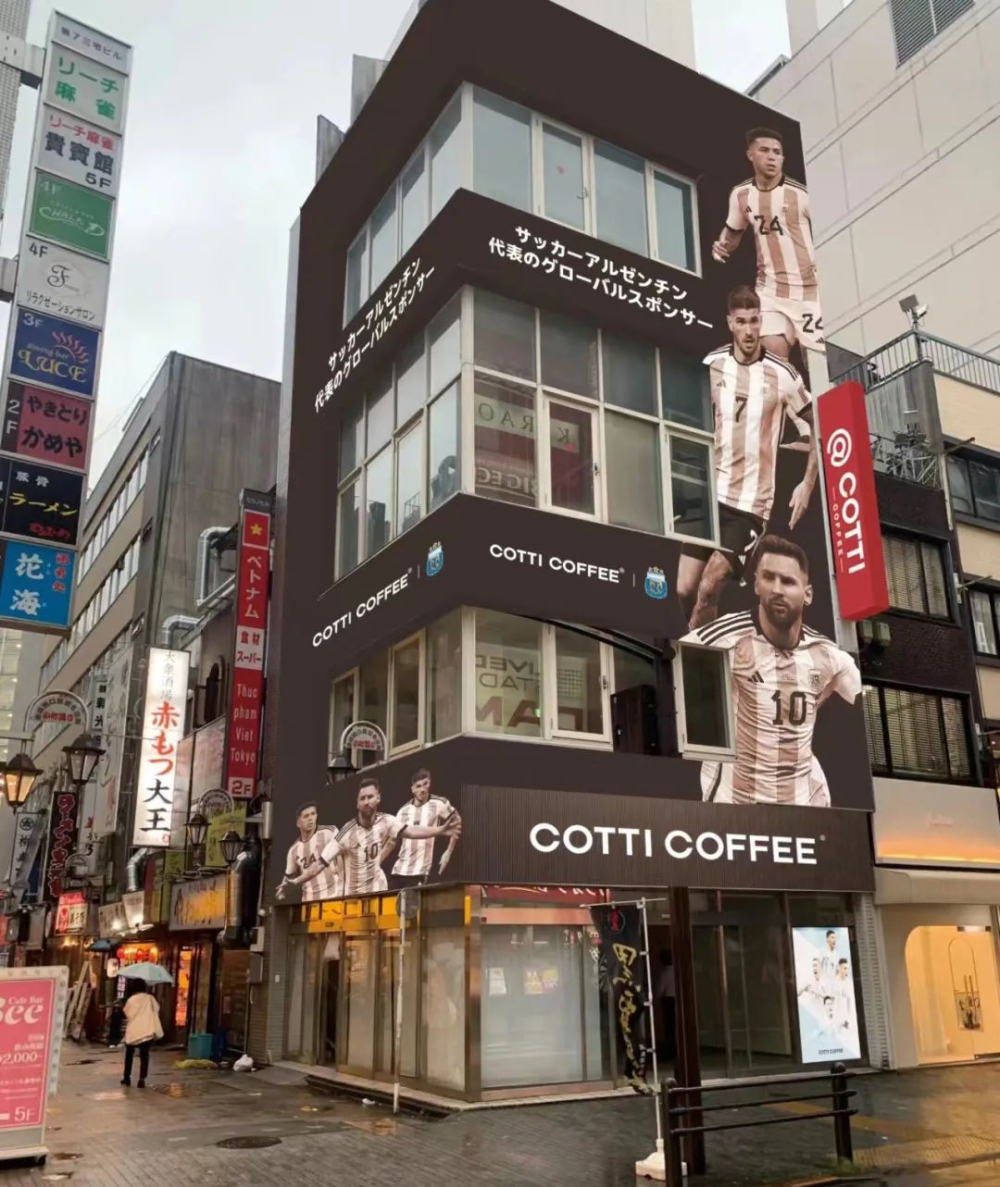
The overseas regions in Cotti's layout include Southeast Asia, East Asia, North America, Europe, and the Middle East, with each region covering multiple countries. The cooperation methods differ in each market, and some markets are also actively recruiting, with the focus on regional partners in order to rapidly expand the number of stores. Let us wait and see how Cotti will develop in overseas markets in the future.
Image source: Internet
Disclaimer: Some images in this article are from the Internet. For some content on the website, such as images, we will respect the original author's copyright and indicate the source. However, due to the large quantity, a few images and texts may not have been attributed in time. Please understand. If the original author has any dispute, they can contact the website for handling. Once verified, we will correct it immediately. Compiled and edited by "Coffee Workshop." Please indicate the source when reposting. If there is infringement, please inform us for deletion. Thank you~!
The above content is compiled by CoffeeHunters, a coffee news website.


