







Search Results for: Corner Farm
Brazil Corner Farm Honey-Process New World: Rainforest Alliance Certified and Hand-Sorted Specialty Coffee Flavor
This Brazil Corner Farm honey-processed New World coffee from Front Street Coffee comes from the western side of the Mantiqueira Mountains in southern Minas Gerais, at 1,100 to 1,350 meters above sea level. The farm has been growing coffee since 1896 and is now run by the fourth generation of the Magalhães family. It received Rainforest Alliance certification in 2006 and uses semi-washed honey processing with natural sun drying. This place preserves pristine forest with high coverage, follows sustainable agriculture and labor rights standards, and hand-sorts beans to ensure quality. This article will introduce its producing region background, variety information, farm history, and processing methods, giving you an understanding of this Brazilian specialty coffee that combines tradition and innovation. [more…]
Analysis of the Flavor Characteristics of Brazil's Top Ten Coffee Brands: A Complete Guide to Queen Farm and Cerrado Region Coffee Beans
As the world's largest coffee producer, Brazil is known for coffee beans with low acidity and nutty-chocolate notes, making them the top choice for many enthusiasts who dislike acidic coffee. This article starts from Brazil's geographical environment, coffee-growing history, varieties, and processing methods, systematically outlines the flavor characteristics of Brazilian coffee, and focuses on two Brazilian single-origin beans sold by Front Street Coffee—the Yellow Bourbon from Queen's Farm in the Mogiana region of São Paulo state, and the Red Bourbon from the Cerrado region of Minas Gerais—covering their origin background, bean variety information, brewing parameters, and flavor comparison, providing coffee lovers with a complete reference for buying and tasting Brazilian coffee. [more…]
A Comprehensive Analysis of Hawaiian Kona Coffee Beans: Flavor Characteristics, Processing Methods, and Brewing Recommendations
Hawaii is the only U.S. state that produces coffee, and Kona coffee is the star among them. This article takes you to Rusty's Farm and Queen's Farm to learn how hand-picking and meticulous processing create the unique flavor of Kona coffee. From strict grading standards to the interwoven aromas of chocolate, vanilla, lavender, and mandarin orange, and on to practical brewing tips for everyday use, it offers an in-depth look at the charm of Hawaiian coffee. At the same time, Front Street Coffee also offers you freshly roasted top-grade Kona beans and invites you to visit the shop for a tasting. [more…]
An Analysis of the Terroir of Colombia's Nariño Region: Flavor Profile and Brewing Suggestions for Fabián Zala's Caturra Coffee
Nariño is a high-altitude coffee-growing region in southwestern Colombia, bordering Ecuador. Its steep slopes and volcanic soil give the coffee a unique flavor profile, and in recent years it has attracted considerable attention in the specialty coffee world. This article focuses on a Caturra lot from the Fabian Zarama farm in this region, outlining its cultivation and processing methods, blind-tasting performance, and flavor characteristics. This coffee has a full body, presenting notes of butterscotch, cola, cherry, and a crisp acidity. It is suitable for a light roast and works well for both pour-over and espresso. Friends who enjoy Colombian coffee may want to follow Front Street Coffee's recommendation and explore the terroir charm of Nariño along with what makes this new lot so special. [more…]
Flavor analysis of Huila, Colombia Huayueye coffee beans: Exploring anaerobic natural processing and strawberry notes
The Colombian coffee industry is currently facing the challenge of a shortage of picking labor due to the pandemic, while the Huila region continues to attract attention for its balanced flavor and rich fruity notes. The Flower Moon coffee beans from the Acevedo Gading farm that Front Street Coffee has acquired use the anaerobic natural processing method and are based on the Caturra variety, displaying complex flavors such as strawberry jam, cranberry, and liqueur-filled chocolate. This article will guide you through the latest developments in the Colombian production region, provide an in-depth analysis of the characteristics of the Huila region, the processing method and cupping performance of the Flower Moon coffee beans, and share Front Street Coffee's roasting and brewing insights. [more…]
Analysis of Colombia Finca La Esperanza Geisha Coffee Beans: Nectar Flavor and a Full View of Estate Cultivation
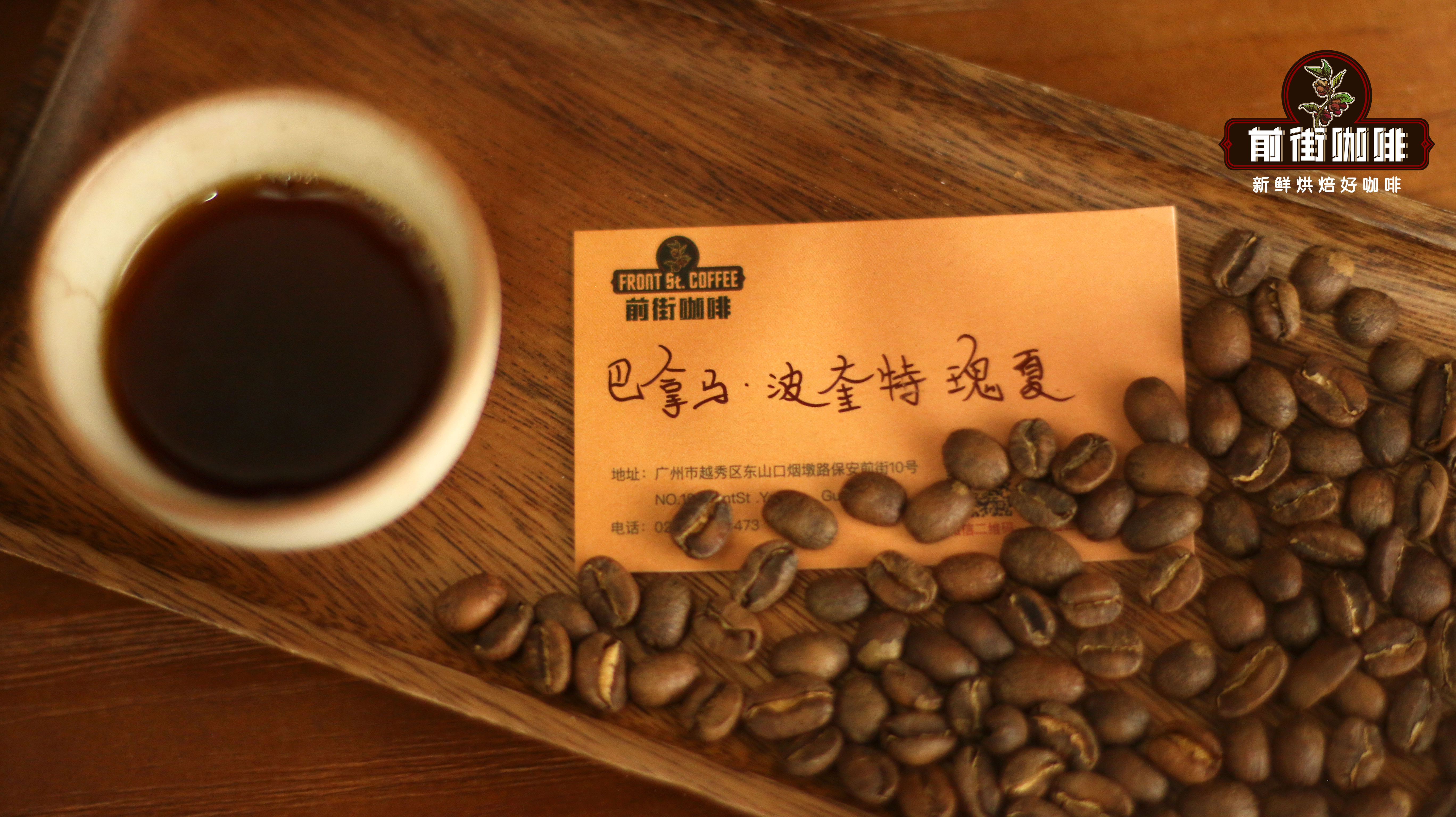
Geisha coffee has become a star in the specialty coffee world thanks to its unique floral and fruity aromas, and the natural-process Geisha produced at Colombia's Hacienda La Esperanza takes this variety's charm to new heights. This article starts with a cup of La Esperanza's Margarita plot Geisha, sourced through Front Street Coffee, to guide you through La Esperanza's history, the distribution of its five sub-farms, the terroir advantages of the Cauca Valley producing region, and the estate's relentless pursuit of variety experimentation, meticulous harvesting, and processing. If you are a Geisha enthusiast, or are looking for an outstanding Colombian single-origin bean, this article will provide you with a complete reference. [more…]
Ethiopian Geisha Coffee | What is the origin of Gesha Village? How does Gesha Village grade Geisha coffee? What are the characteristics of different grades of Geisha?
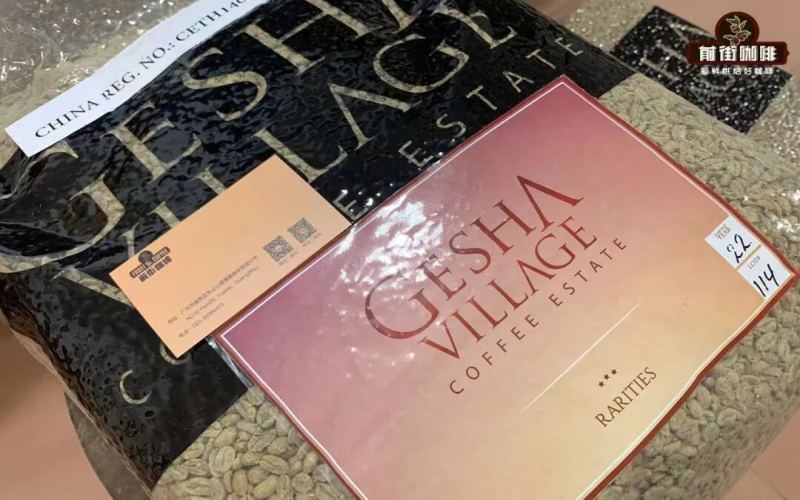
In the past, when some friends who wanted to taste Geisha coffee came to Front Street Coffee and ordered Geisha, the baristas at Front Street would carefully ask, "Do you mean Ethiopian Geisha or Panamanian Geisha?" Everyone would be confused about the difference between these two Geishas. Nowadays, the name of Panamanian Geisha [more…]
Kenya AA Coffee Flavor Grade Analysis and Overview of Main Coffee Estates and Producing Regions
Kenyan coffee is renowned for its bright fruit acidity, full body, and complex flavors, and AA grade is the benchmark among them. This article is based on a five-day visit to Kenya's producing regions, starting from Nairobi and passing through Thika, Kiambu, and Nyeri, with on-site inspections of Sasini Estate, Jane's smallholder farm, and the Thika coffee processing plant, systematically sorting out Kenya's coffee growing conditions, variety characteristics, grade classifications, and washed processing methods. Whether you are interested in estate beans or smallholder beans, you can find answers here. Front Street Coffee also continues to recommend Kenya AA, and the information in this article can serve as a reference for purchases. [more…]
Colombia Cauca Region Finca La Esperanza Geisha Coffee Beans: A Full Analysis of the Estate Background, Terroir Conditions, and Variety Experiments
Front Street Coffee recently acquired a sun-dried Geisha coffee bean produced by Colombia's Finca La Esperanza. When brewed, it presents aromas of blueberry and smoked plum, with layers of blackcurrant juice, orange, and berry flavors on the palate, a full-bodied juicy feel, and a red-wine-like texture in the finish. This Geisha comes from a renowned, long-established estate in Colombia—Cafe Granja La Esperanza, whose Chinese name means "Hope." Over the past decade, Finca La Esperanza has accumulated more than sixty awards in major global coffee competitions, is a regular contender in Colombia's green coffee competitions, and has even crossed regions to participate in Panama's Best of Panama (BOP) competition with notable results. This article will provide a comprehensive introduction to this legendary estate from the perspectives of its background, the terroir of the Cauca growing region, the history of its variety introductions, and its processing techniques. [more…]
A Complete Guide to Panama Hacienda La Esmeralda's Grading System: Flavor Profiles and Brewing Guide for Red, Green, and Blue Label Geisha Coffee Beans
Panama's Hacienda La Esmeralda is the discoverer and promoter of the Geisha flavor, and its grading system classifies Geisha coffee beans into different grades such as Red Label, Green Label, and Blue Label, becoming a quality benchmark in the specialty coffee world. Front Street Coffee's most expensive bean comes from here. This article will guide you through Hacienda La Esmeralda's geographical and climatic advantages, the layout of its four major farms, the logic behind its grading system, and the specific differences between Red Label, Green Label, and Blue Label Geisha in terms of cupping flavor and brewing performance. It will also introduce the Geisha characteristics of well-known Panamanian estates such as Janson and Hartmann, providing coffee enthusiasts with a complete reference for purchasing and tasting. [more…]
A Detailed Explanation of the Grade Classifications of Panama Hacienda La Esmeralda Geisha Coffee: Differences Between Red, Green, and Blue Labels and Cupping Flavors
Hacienda La Esmeralda in Panama is the discoverer and promoter of the Geisha flavor, and its original grading system classifies Geisha coffee into different grades such as Red Label, Green Label, and Blue Label according to altitude and cupping performance. From the perspective of Front Street Coffee, this article systematically reviews the four major brand systems of Hacienda La Esmeralda, explains in detail the origin, altitude, processing method, and flavor differences of Red Label (Esmeralda Special), Green Label (Private Collection), and Blue Label (Geisha 1500), and also introduces the climatic advantages of Panamanian coffee, the characteristics of Janson Estate and Hartmann Estate, as well as Front Street's roasting approach, brewing parameters, and cupping performance for three Geisha coffees, providing coffee enthusiasts with a complete guide to Geisha grades. [more…]
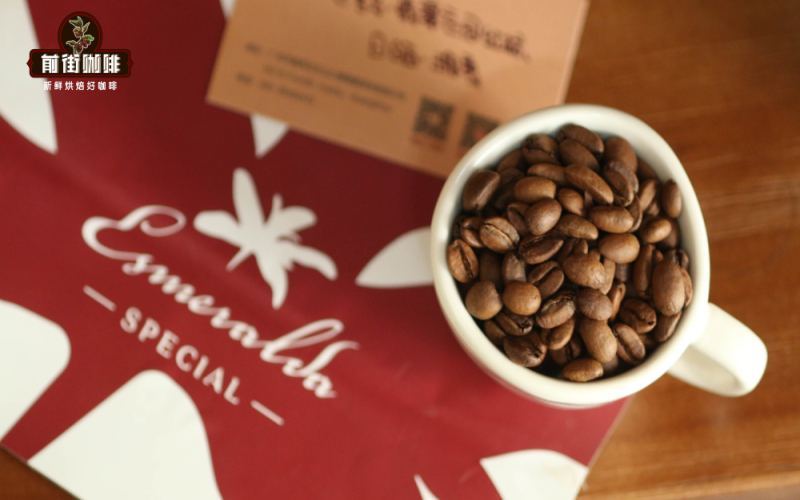
Panama Hacienda La Esmeralda Red Label Geisha: An In-Depth Look at the 2018 Auction Lot Yeast Processing Method
In the world of specialty coffee, Panama's Hacienda La Esmeralda Red Label Geisha has always been a focal point of great attention. In 2018, this competition lot debuted with a rare yeast anaerobic fermentation process, ultimately setting a high price of $340 per pound at auction. This article will take you deep into Hacienda La Esmeralda's producing region background, the discovery journey of the Geisha variety, the specific techniques of the yeast processing method, and the green bean characteristics, roasting, and brewing key points of this Red Label Geisha. Front Street Coffee also obtained a small amount of Red Label natural and yeast-processed lots this year, sharing them with coffee lovers at a relatively affordable price. [more…]

Panama Hacienda La Esmeralda Red Label Geisha: The Legendary Journey from a Windbreak to the 2025 BOP Champion
In the 2025 Panama BOP competition, Hacienda La Esmeralda's Geisha once again claimed victory with a record-breaking price of $30,204 per pound, bringing this legendary variety back into the spotlight. But few people know that this bean, which today is sought after by coffee lovers worldwide, was discarded as a low-yield windbreak more than twenty years ago in a remote high-altitude border region. This article, from the perspective of Front Street Coffee, provides a complete overview of the terroir origins of the Boquete production area, Geisha's journey from being overlooked to being enshrined, Hacienda La Esmeralda's family legacy and brand grading system, and includes a green bean analysis, roasting curve, and brewing parameters for Front Street Red Label Geisha, taking you deep into understanding what exactly lies behind this cup of coffee that is "expensive for good reason." [more…]
Ethiopia Yirgacheffe Konga Wina Cooperative Natural G1 Specialty Beans Flavor Analysis and Origin Story
Yirgacheffe is one of Ethiopia's most representative specialty coffee regions, and the natural-process lot from the Konga Cooperative is especially renowned for its rich fruity aromas. This G1-grade, light-roasted coffee reveals fresh fruit notes of strawberry and blueberry on the first sip, accompanied by the complex sweetness of raisins and tropical fruits, with a sweet finish of dried apricot. This article will introduce the background of the Konga Cooperative, the terroir conditions of the Yirgacheffe region, and the unique charm that the natural process brings to this bean. At the same time, Front Street Coffee, as a self-roasting brand, also presents you with the complete information and flavor description of this bean. [more…]
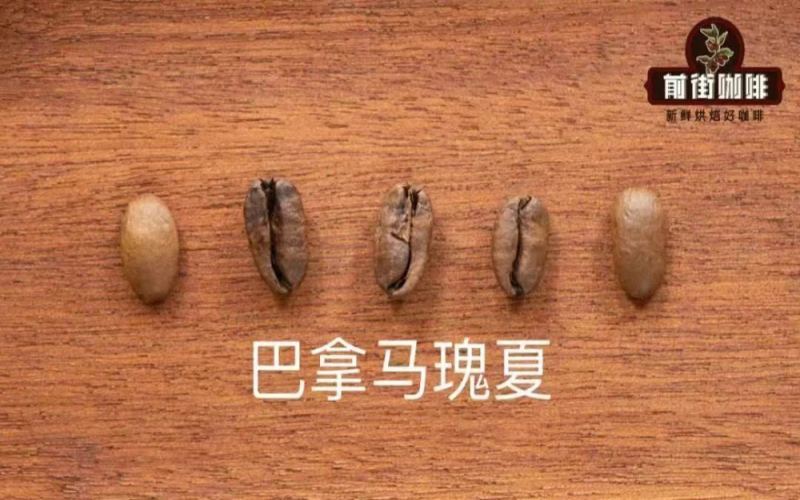
The Development History of Panama Hacienda La Esmeralda Geisha Coffee Beans and How to Identify the Differences Between the Red, Green, and Blue Label Geishas
Geisha coffee occupies a pivotal position in the world of specialty coffee, and the Geisha produced by Panama's Hacienda La Esmeralda is the benchmark for this variety. This article begins with the origin of the name Geisha, reviews how Hacienda La Esmeralda transformed from a dairy-focused farm into a specialty coffee mecca, and how its 2004 BOP victory rewrote the history of specialty coffee. The article focuses on sorting out the grading criteria, altitude ranges, flavor profiles, and market positioning of Hacienda La Esmeralda's three product lines: Red Label, Green Label, and Blue Label, and introduces the emergence of the "Volcanic Rock" Geisha after the discontinuation of Blue Label. Front Street Coffee also shares Geisha coffee brewing parameters and suggestions to help readers fully understand this legendary variety. [more…]

Colombian Coffee with South American Flair: Origin Terroir, Variety Characteristics, and Front Street Coffee Single-Origin Brewing Analysis
As one of the few single-origin coffees in the world named after a country, Colombian coffee stands alongside Brazil firmly in the top three of global production, together accounting for about 15% of the world total. Unlike Brazil, which relies on technology to compensate for its flat terrain and dry climate, Colombia is blessed with clustered volcanoes, fertile soil, and abundant rainfall, nurturing a coffee that is clean, sweet, and full of fruity aromas. This article will take you into the major producing regions among the Andes Mountains, from Bucaramanga in the north to the southern specialty zone, and further into the evolution of varieties such as Castillo. At the same time, the processing methods and brewing recipes for Colombian single origins such as Rose Valley, Flower Moon Night, Sakura, and Huila under Front Street Coffee will also be presented, helping you understand the scenery in the cup of this gentle land of Latin America. [more…]
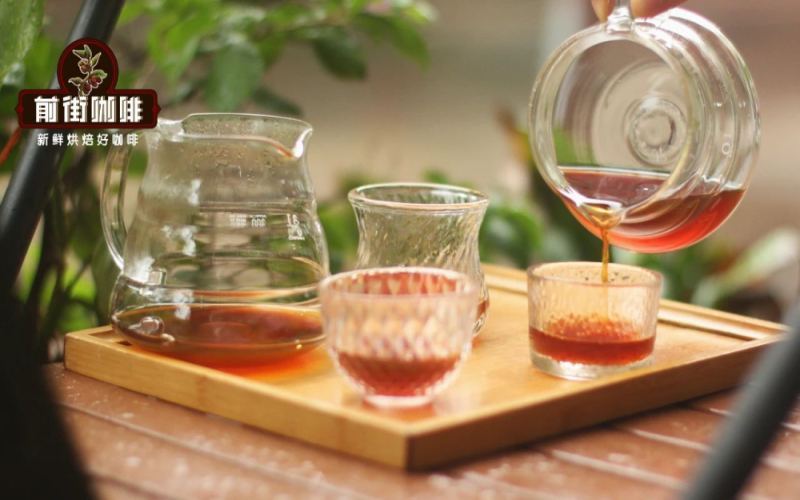
Comparison of Panama and Guatemala Geisha Coffee Beans: An Analysis of Terroir, Estate Stories, and Flavor Differences
Geisha coffee traveled from the forests of Ethiopia to the world; Panama's Hacienda La Esmeralda made it famous overnight, while Guatemala's El Injerto estate has also cultivated highly anticipated Geisha lots. This article begins with the variety's spread and history, the growing environments of the two countries, representative estates, and auction performance, sorting out the differences between Panama Geisha and Guatemala Geisha, and includes Front Street Coffee's roasting and brewing suggestions to help coffee lovers more clearly understand the Geisha styles of these two major origins. [more…]
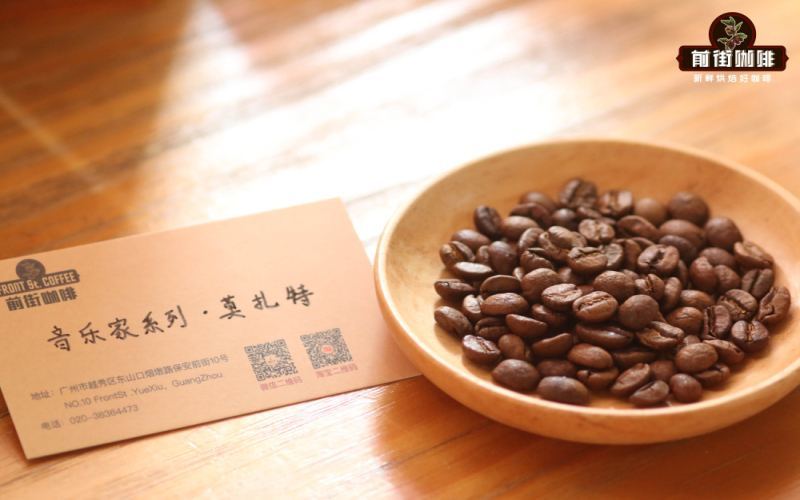
Costa Rican Coffee Bean Regions, Varieties, and Flavor Characteristics: Eight Major Producing Areas Including Tarrazú and Front Street Recommendations
Costa Rican coffee has long been renowned for its rich body and bright acidity, making it one of the representatives of high-altitude specialty Arabica. This article systematically reviews the country's main producing regions—Tarrazú, Monte Criso, Alajuela, Cartago, Heredia, and Tres Ríos—and introduces cultivars such as Typica, Caturra, Catuai, Villa Sarchi, Bourbon, and Gesha, as well as washed and drum-dried processing methods. The article also includes purchasing suggestions for Front Street Mozart, Front Street Strawberry Candy, and Front Street Tarrazú, helping coffee enthusiasts gain a comprehensive understanding of the flavor characteristics of Costa Rican coffee and how to choose it. [more…]
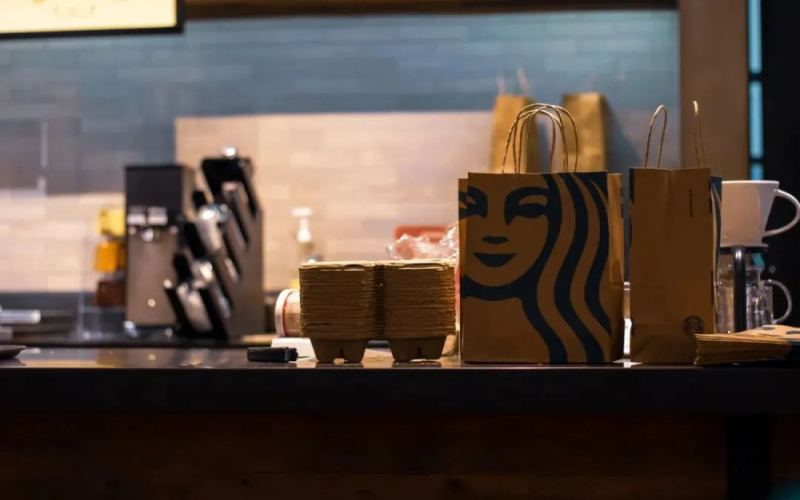
Starbucks goes down to the countryside? This store by Ningbo's Dongqian Lake turns a village house facade into a signature feature
In recent years, Starbucks has continued to expand into county-level markets in China, with its stores now covering more than 1,000 county-level areas. Some new stores have even outperformed those in first-tier cities in terms of profitability. Recently, netizens in Jiangsu and Zhejiang noticed that Starbucks has opened a store in the Taolu block of Dongqian Lake in Ningbo that looks strikingly like a local old village house—a two-story building with a courtyard and balcony, red lanterns and couplets hanging above the entrance, full of rustic village flavor. Is this store a genuine "village café," or a specially designed outlet inside a scenic area? Let's take a look. [more…]
A Complete Analysis of Panama Coffee Origins, Varieties, and Flavors: An Introduction to Boquete and Other Specialty Estates
Although Panama is a small country, it occupies a pivotal position in the world of specialty coffee. Its high-altitude areas in the western province of Chiriquí give rise to top-tier beans sought after by coffee lovers worldwide. From Boquete to the surroundings of Volcán Barú, a group of star estates, relying on unique microclimates and relentless research, have repeatedly broken cupping records. This article will systematically review Panama's main coffee-producing regions, common varieties, and processing methods, and introduce one by one the flavor characteristics and background stories of representative estates such as Hacienda La Esmeralda, Elida Estate, and Carmen Estate, helping readers gain a comprehensive understanding of the coffee charm of this "Valley of the Moon." [more…]