







Geisha coffee traveled from the forests of Ethiopia to the world, rose to fame thanks to Panama's Hacienda La Esmeralda, and Guatemala's El Injerto estate has also cultivated highly anticipated Geisha lots. This article starts from the variety's dissemination history, the growing environments of the two countries, representative estates, and auction performance, to sort out the differences between Panama Geisha and Guatemala Geisha, and includes Front Street Coffee's roasting and brewing suggestions to help coffee enthusiasts more clearly understand the Geisha styles of these two major origins.
Panama Geisha vs. Guatemala Geisha: What exactly is the difference?
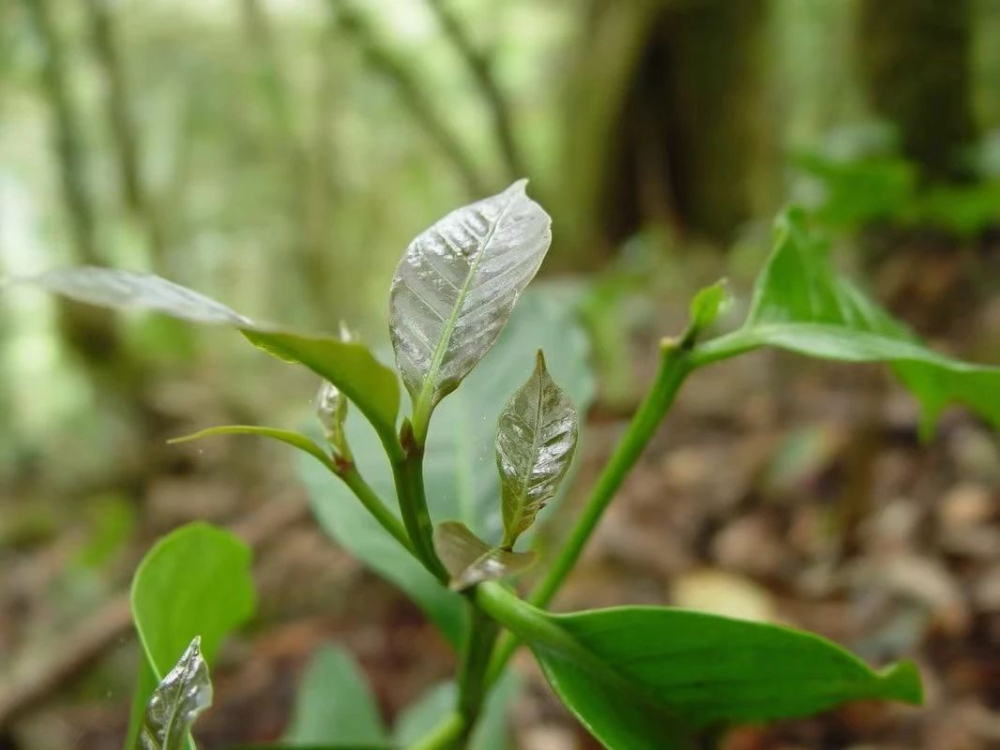
The Geisha variety was first discovered in 1931 in the Geisha forest of Ethiopia, and was subsequently sent to a coffee research institution in Kenya; in 1936 it was introduced to Uganda and Tanzania, and in 1953 Costa Rica began introducing it. As for Panama, in the 1970s, Mr. Francisco Serracin of Don Pachi Estate obtained seeds from CATIE in Costa Rica, thus beginning Geisha's cultivation history in Panama.
In the past, the judging standards for top coffee mostly followed the Japanese market, with Jamaica Blue Mountain and Hawaii Kona respectively occupying the positions of "one king and one queen." However, as coffee standards in producing countries continued to improve and information exchange became smoother, more and more specialty coffees entered the public eye, and Panama Geisha accordingly became a much sought-after rising star in coffee in recent years.
Geisha swept through the coffee world like a storm. The momentum of this revolution was so fierce that even Jamaica Blue Mountain and Hawaii Kona, long securely seated on coffee's throne, had to temporarily yield. This wild variety native to Ethiopia, after being tested in countless producing regions, is now widely planted across major coffee origins, and its most dazzling representative is Panama's "La Esmeralda" estate.
The history of Hacienda La Esmeralda can be traced back to 1924, when a Swede named Hans Elliott founded the estate. At that time it was not a coffee farm but a cattle ranch. Forty years later, in 1964, Mr. Daniel Peterson's grandfather, Mr. Rudolph Peterson, bought the estate, originally intending it as a peaceful place to live after retirement. Rudolph Peterson was born in Sweden and had served as president of Bank of America and as administrator of the United Nations Development Programme; his son Price Peterson moved from California to Panama in 1973 to take over the management of his father's farm, converted most of the estate to coffee in 1987, and in 1994 purchased coffee-processing equipment in order to create a brand. While running the coffee farm, Price Peterson and his wife Susan also raised three children: Eric (born in Philadelphia in 1966), Rachel (born in Sweden in 1967), and Daniel (born in Panama in 1974).
In 1996, Price and Rachel went to the Jaramillo area of the Boquete Valley to visit a farm that was for sale. Attracted by its beautiful scenery, they decided on the spot to buy it. This was Hacienda La Esmeralda Jaramillo, and it was here that their third son, Daniel Peterson, grew the Geisha coffee that would astonish the coffee world.
Geisha is pronounced the same as the Japanese word for "geisha," so some people also call it geisha coffee. Because the tree is taller than ordinary coffee trees, it was initially planted only in a small section of the estate and used as a windbreak. The estate owner's son, in order to take part in the annual Best of Panama coffee competition, tested every coffee variety on the estate one by one, and only then did Geisha have the chance to stand out; afterward it went on to compete in many international coffee competitions, winning a total of eleven championships.
Panama's Coffee-Growing Environment
Panama is located on the Central American isthmus, bordering Colombia to the east, the Pacific Ocean to the south, Costa Rica to the west, and the Caribbean Sea to the north. The country forms an S shape connecting North America and South America, and the Panama Canal links the Atlantic and Pacific from north to south, earning it the name "Bridge of the World."
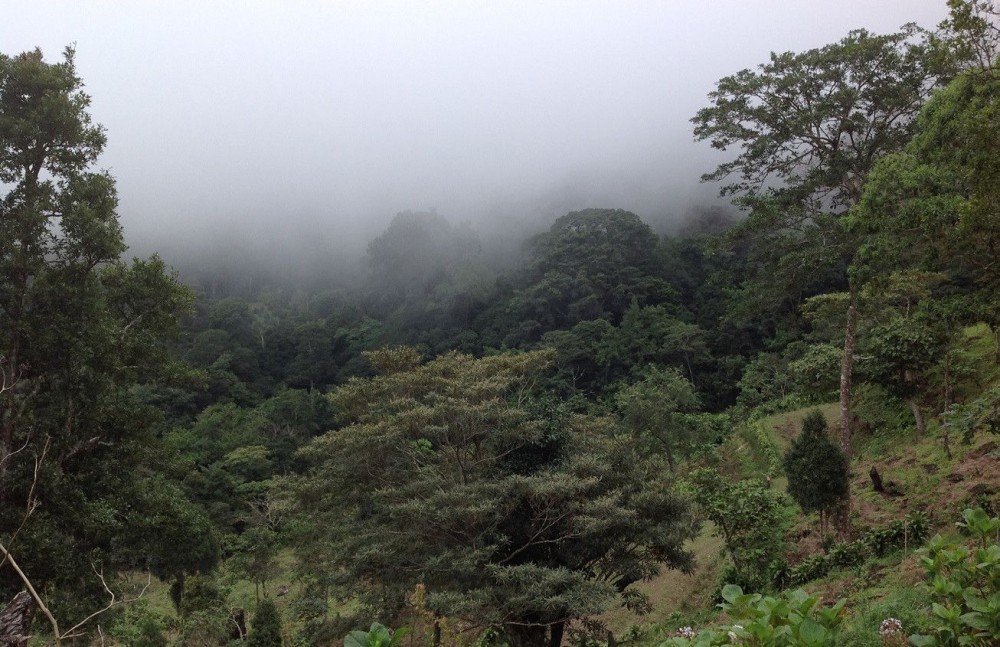
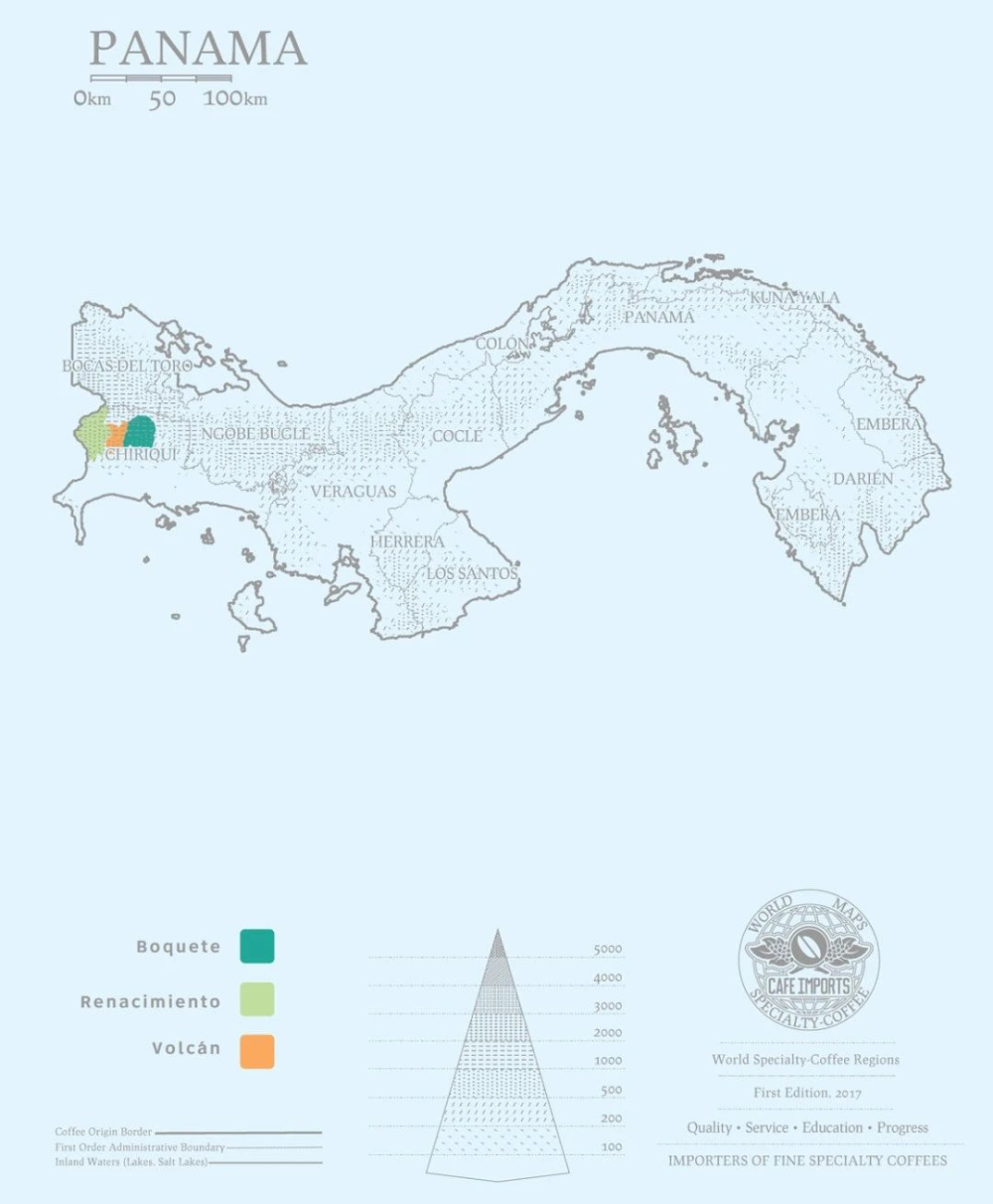
Panama's coffee-growing regions are distributed in the west of the country in Boquete, Volcan, Santa Clara, and Piedra de Candela, among which Boquete and Volcan are the most frequently mentioned specialty coffee producing areas. Both are located in Chiriqui Province, entirely within the center of the coffee belt, with fertile volcanic soil and ancient forests. Panama's terrain is undulating throughout, with many ravines and valleys; apart from the northern and southern coastal plains, it is mostly mountainous. Because it is close to the equator, it has a tropical maritime climate, humid during the day and cool at night, with an average annual temperature of 23–27°C. The year is divided into dry and rainy seasons, with average annual rainfall of 1,500–2,500 mm.
The flavor characteristics of Panama Geisha are pronounced floral aromas, a full fruit-juice sensation, and rich layers of mouthfeel, which Geisha grown in other producing regions find difficult to match. After La Esmeralda's Geisha became famous, Geisha was introduced around the world, but its flavor has never matched La Esmeralda's, and this is precisely what Panama's microclimate has achieved.
Geisha coffee is one of the most expensive coffees in the world, and friends who want to taste its flavor may find the price a little high. In order to let more coffee lovers experience the deliciousness of Geisha, Front Street Coffee has specially included the washed Boquete Geisha coffee from the Boquete producing area as one of its everyday beans. For friends who like it and want to try Geisha, this is undoubtedly good news.
Panama La Esmeralda Estate
La Esmeralda is the estate where Geisha coffee rose to fame. It is located at one corner of the Baru volcano, so before it became famous, Panama coffee beans produced in this area were mostly named after Baru Mountain. The area around Boquete has beautiful scenery, with many leisure hotels and resort estates, even built along the important Rio Caldera. In 1964, American banker Rudolph Peterson retired and moved to Panama, buying La Esmeralda in Boquete, initially focusing on dairy.
After Price took over, he divided the estate's growing areas into five brands for sale according to altitude, microclimate, cupping performance, and planted variety. Under the Geisha variety there are three brands: Esmeralda Special, Private Collection, and Geisha 1500. Under the Catuai variety there are two brands: Diamond Mountain grows and Palmyra. Front Street Coffee has La Esmeralda's Red Label Geisha and Green Label Geisha, as well as Geisha coffees from other estates, such as Elida Estate's Elida coffee, and Geisha coffees from Colombia and Costa Rica.
Panama Geisha coffee mainly uses the most natural washed and natural processing methods.
Guatemala's Growing Environment
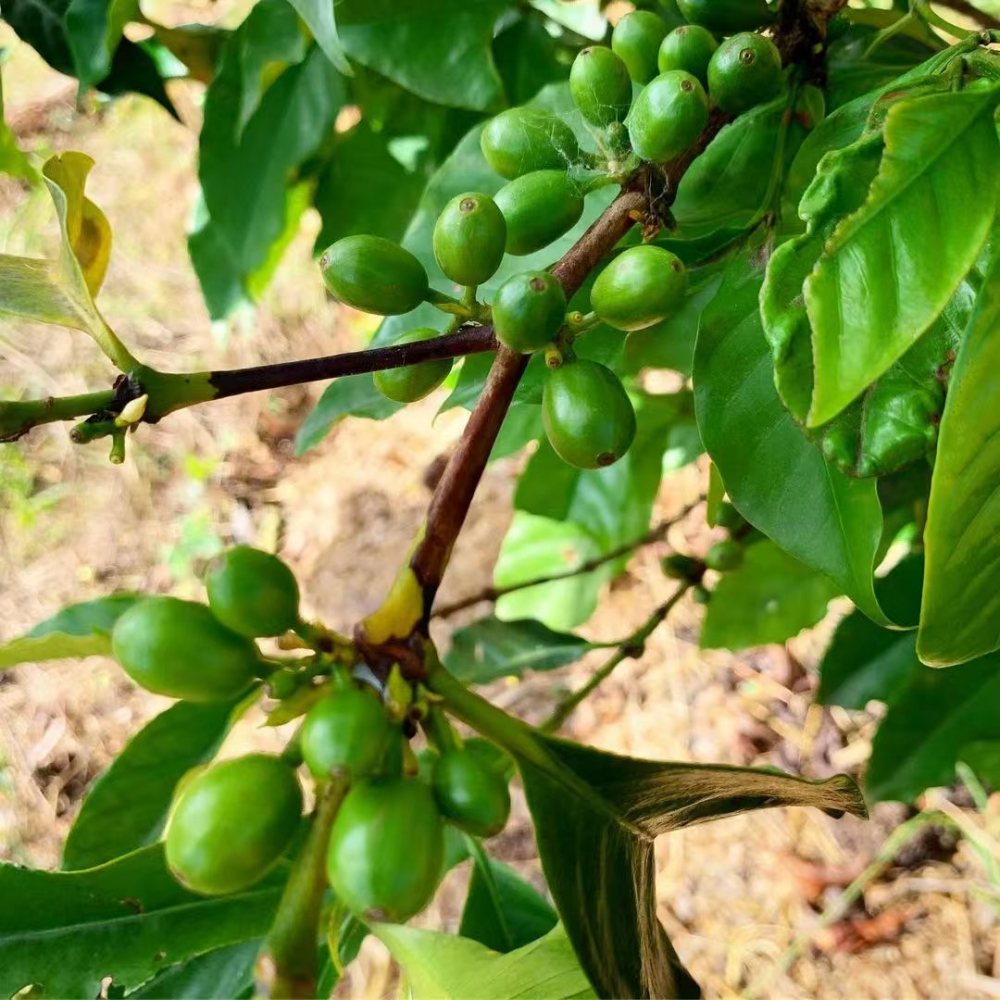
Although Panama Geisha is famous far and wide, Geisha coffee from other places is also worth trying. Guatemala coffee has a smoky note of its own, which is related to the volcanic soil environment in which it grows and is also a characteristic of Guatemalan coffee. Guatemala is located in the center of North and South America and holds an important geographical position in Central America. It has a subtropical climate and high-altitude volcanic terrain; the mild climate and fertile soil create an excellent coffee-growing environment. Therefore coffee is an important cash crop in Guatemala, with green coffee beans accounting for about 40% of the country's total agricultural exports.
Guatemala borders Mexico, Belize, Honduras, and El Salvador, faces the Pacific Ocean to the south, and lies on the Bay of Honduras of the Caribbean Sea to the east, with a total area of 108,889 square kilometers. Guatemala is located in the tropics; the northern and eastern coastal plains have a tropical rainforest climate, while the southern mountains have a subtropical climate. The year is divided into wet and dry seasons, with May–October as the wet season and November to April of the following year as the dry season. The narrow, fertile flatlands along the Pacific coast have a tropical climate. The central highlands are Guatemala's cultural center; at elevations of 1,300 to 1,800 meters, temperatures are mild year-round, with daily temperatures between 18 and 28°C, and at higher elevations January and February are often colder. Annual rainfall in the northeast is 2,000–3,000 mm, while in the south it is 500–1,000 mm.
Guatemala El Injerto White Stone Geisha
El Injerto estate can be called Guatemala's representative estate, having won countless awards worldwide, and combined with its own conditions such as fertile volcanic soil and microclimate, its coffee quality is outstanding. El Injerto produces two Geisha varieties, one Panama Geisha and one Malawi Geisha. The Panama Geisha seeds came from La Esmeralda estate, and after careful tending they became El Injerto's most popular coffee after Pacamara, with auction prices even surpassing the previously unrivaled Pacamara.
The Geisha bid on by Sang Ho Park is precisely Panama Geisha, named by El Injerto as "Young Gesha Central America," from a very remote micro-lot within the estate—White Stone, located beneath a huge cliff and overlooking the beautiful El Injerto valley. White Stone is a newly developed Geisha producing area, only in its second harvest season last year. The seeds came from El Injerto's most famous Geisha producing area, La Calaca, and are classified by El Injerto as second-generation Geisha. In the estate's own global auction it is a lot, distinct from the African Geisha lots from Malawi.
El Injerto estate is located on the Huehuetenango highlands of Guatemala. It has won 9 major awards at Guatemala's Cup of Excellence (CoE), including 5 championships, the most recent in 2015. El Injerto was first known for Bourbon, then in the following years for Pacamara, and then for Geisha. At the 2017 Cup of Excellence, El Injerto's Geisha took second place; this Geisha was El Injerto estate's 2016 auction lot.
About the Pacamara Variety
The 2004 Cup of Excellence (COE) made Pacamara famous worldwide, and in the following 2–3 years it frequently won championships. The Pacamara produced by Guatemala's El Injerto estate set a sky-high price of US$80.2 per pound of green beans in 2008. This variety is derived from Maragogype and Pacas; taking the first four letters of Maragogype and Pacas forms Pacamara. It is an excellent coffee variety developed in El Salvador. The beans are very large, close to Maragogype at about 21–22 screen size, and it has been an outstanding coffee variety in Central and South America in recent years.
Independent Washing Technology
El Injerto hires workers at twice the local wage to hand-select fully ripe coffee cherries. It has an independent wet-processing facility. After pulping and removing the skin, the beans are separated twice by bean shape and screen size, then washed with clean mountain spring water, and then placed in clean tanks. After 2 days of fermentation and 7 days of sun-drying, they are stored in the warehouse for at least 45 days before being sent for professional cupping.
Front Street Coffee's suggestions for roasting Geisha coffee beans:
In order to highlight the characteristics and aroma of Geisha beans, Front Street Coffee uses a light roast, as this roast level can better bring out the beans' own characteristics; too dark a roast will diminish the floral aroma and fruit acidity. Of course, this also needs to be adjusted according to the characteristics of the coffee beans and the roaster's understanding of the beans themselves. Through cupping, Front Street Coffee has learned that Geisha coffee beans have very rich layers, so it is suggested to slightly lower the coffee concentration when brewing, so that the flavors of each layer of Geisha coffee are clearer. A recommended brewing ratio is 1:15, brewed at 90–91°C, and a medium-fine grind is recommended for the coffee beans (80% passing through a Chinese standard No. 20 sieve).
How to brew Panama Geisha coffee beans?
Front Street Coffee recommends drip brewing, that is, pour-over coffee. If you want to drink rich layers, you can brew with a V60 dripper, while if you want a full coffee flavor you can brew with a cake dripper~ Front Street Coffee's daily output mostly uses the V60 dripper, because its 60-degree angle design and spiral-rib design allow everyone, by controlling the water flow and the number of pours, to fully extract the essence of Geisha coffee, while the large spout design avoids over-extraction of the coffee.
The body of the V60 dripper has guide ribs connecting the top and bottom and a large round hole in the center, which serve to speed up the flow rate of water falling, while the spiral-shaped vent groove design lengthens the water flow path and increases the contact time between coffee grounds and hot water. Each stream of water converges along the grooves toward the center of the dripper, concentrating the pressure on the coffee grounds and extracting coffee with richer layers.
Dripper: Hario V60, water temperature: 91°C, dose: 15 g, coffee-to-water ratio: 1:15, grind level: 80% passing through a Chinese standard No. 20 sieve
[Flavor characteristics of Panama Washed Boquete Geisha coffee]: It has a clear acidity of citrus, lemon, and bergamot, a creamy smooth mouthfeel when swallowed, and a finish of green tea and honey sweetness.
Front Street Coffee's brewing suggestions:
Regarding coffee brewing, Front Street Coffee has always believed that the freshness of coffee beans has a great relationship with the flavor of the coffee. Therefore, the coffee beans shipped by Front Street Coffee (FrontStreet Coffee) are all within 5 days of the roasting date. Front Street Coffee's roasting principle is "freshly roasted good coffee," so that every customer who places an order receives the freshest coffee. The resting period for coffee is about 4–7 days, so when customers receive it, it is exactly at its best flavor.
For friends who need ground coffee, Front Street Coffee offers a warm reminder: once coffee beans are ground in advance, there is no need for further resting, because during transportation the pressure generated by carbon dioxide inside the package can also make the coffee flavor rounder, so once you receive the ground coffee you can immediately brew a cup and drink it. However, ground coffee needs to be brewed promptly, because after contact with air it oxidizes relatively quickly; in other words, the coffee's flavor will dissipate relatively quickly, and the coffee's flavor will not be as good. Therefore, Front Street Coffee recommends buying whole beans and grinding fresh for each brew, so that you can better taste the coffee's flavor.
Professional coffee knowledge exchange. For more coffee bean information, please follow Coffee Workshop (WeChat public account: cafe_style)
For more specialty coffee beans, please add the private WeChat of Front Street Coffee (FrontStreet Coffee), WeChat ID: qjcoffeex
The above content is compiled by CoffeeHunters, a coffee news website.


