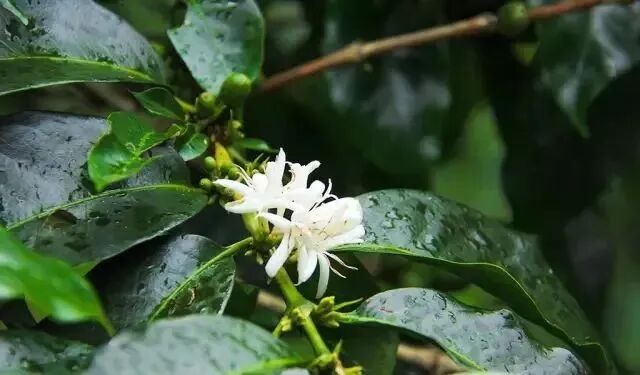
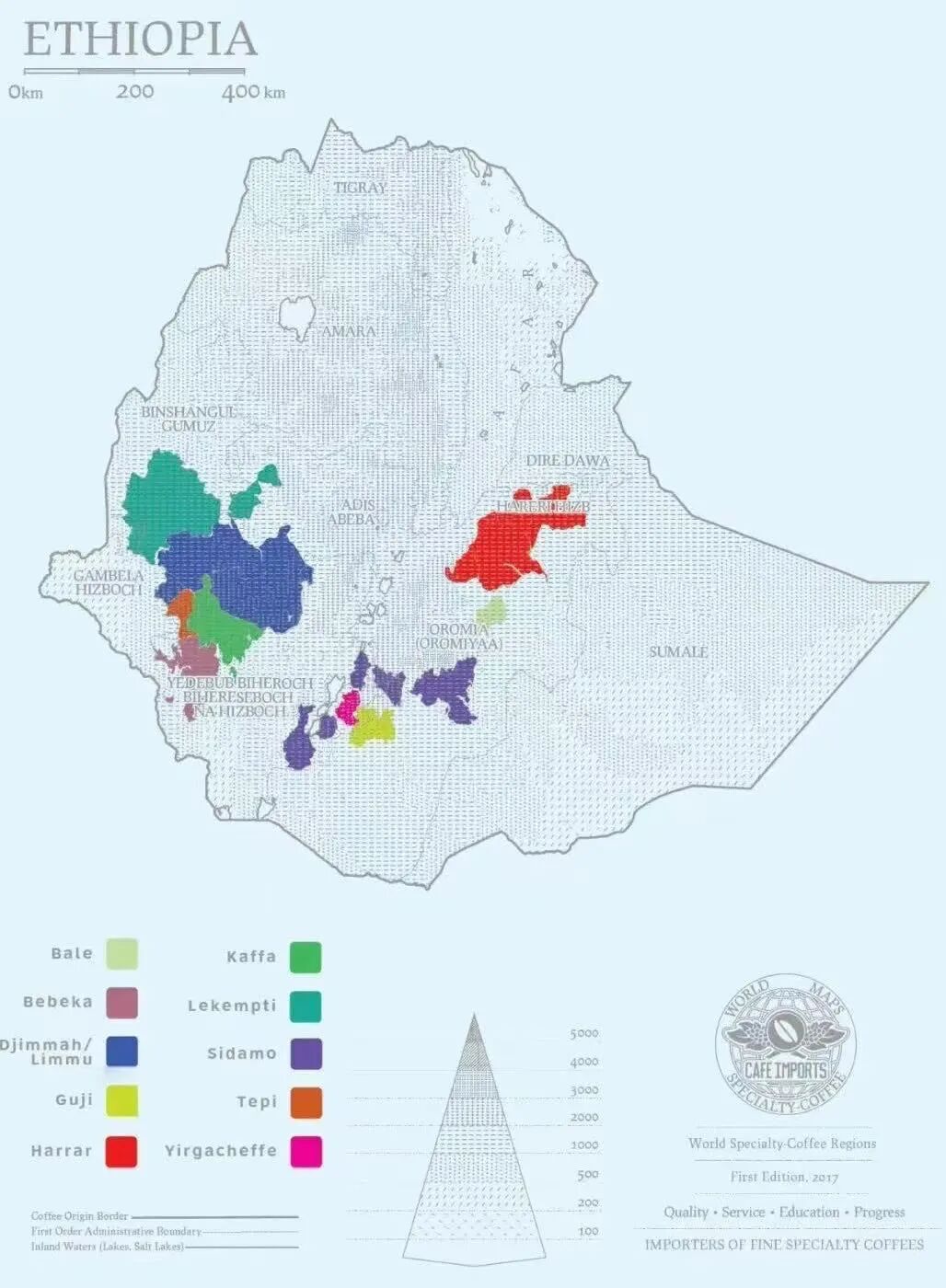
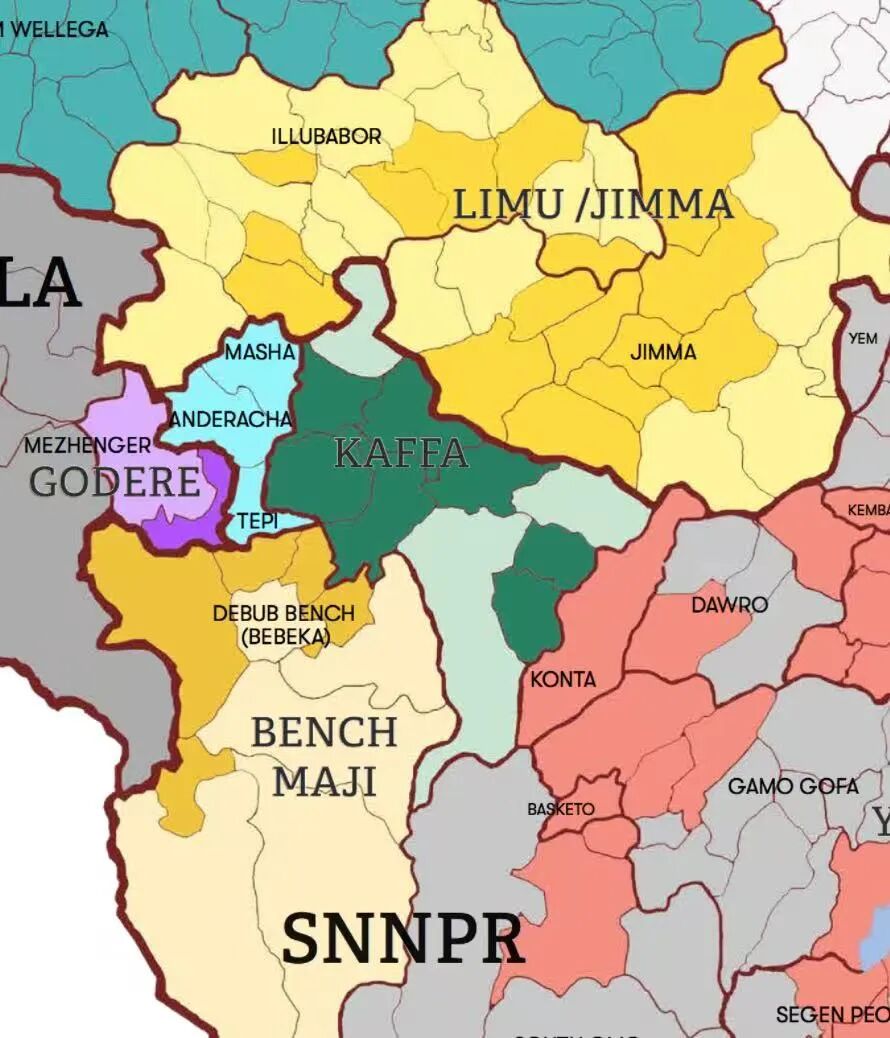
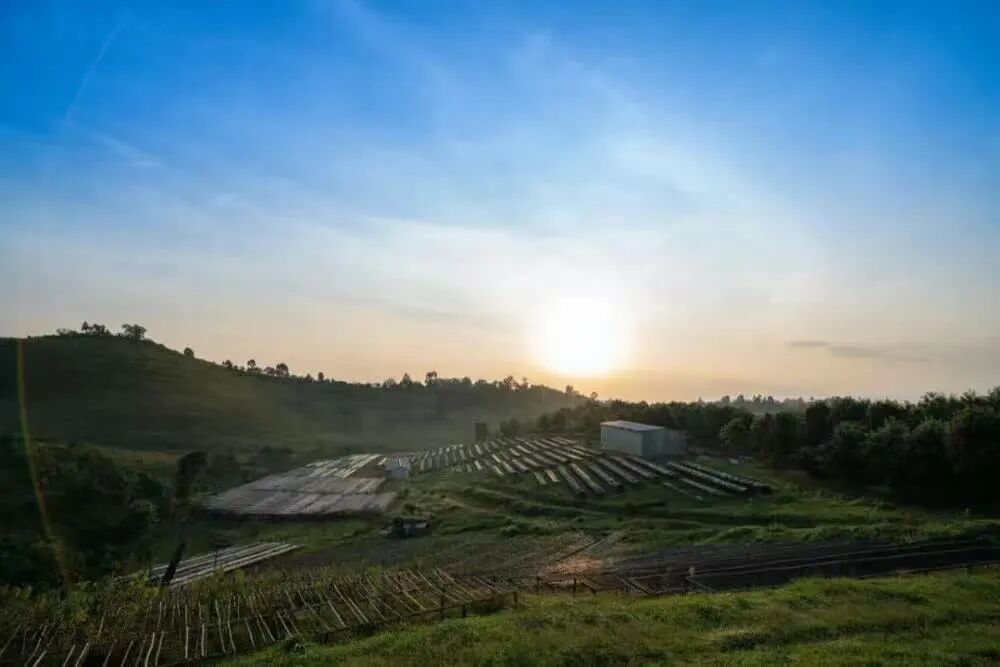
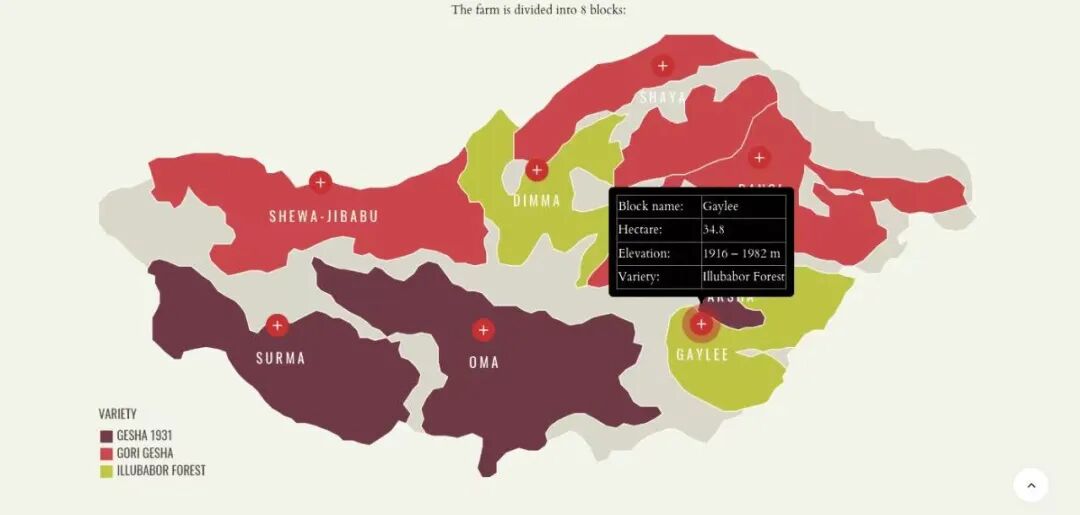
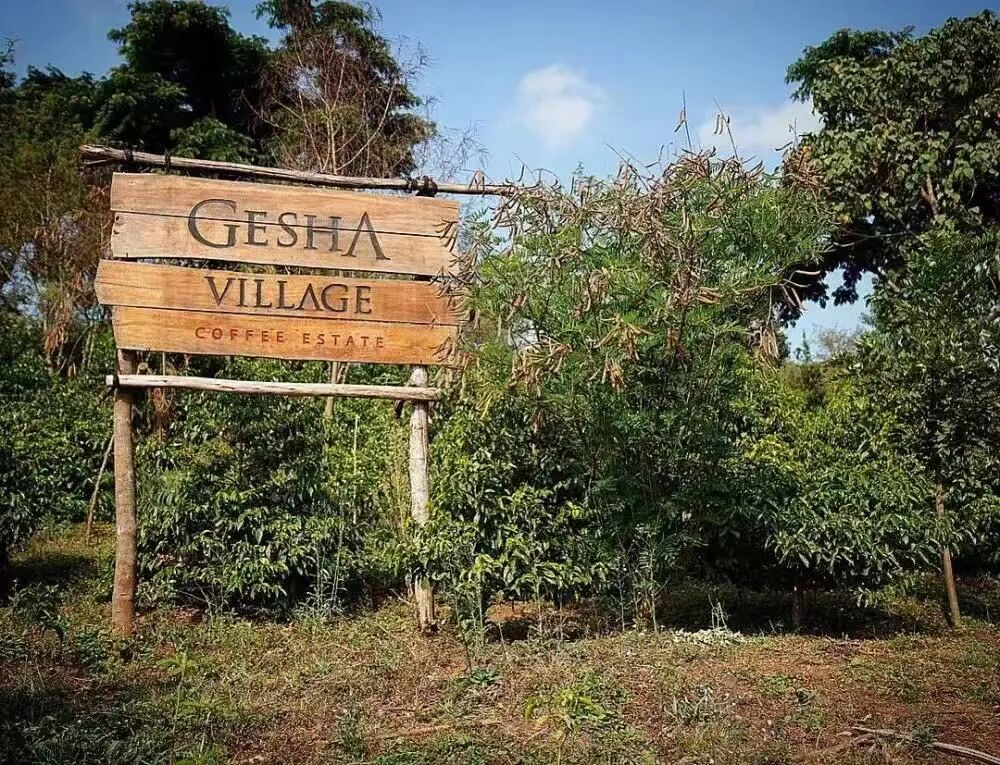
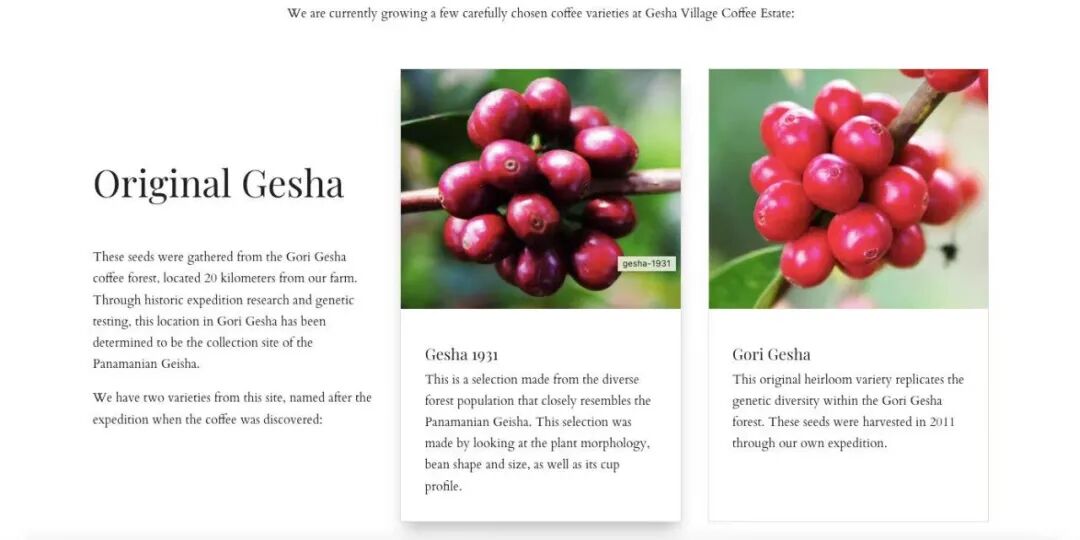
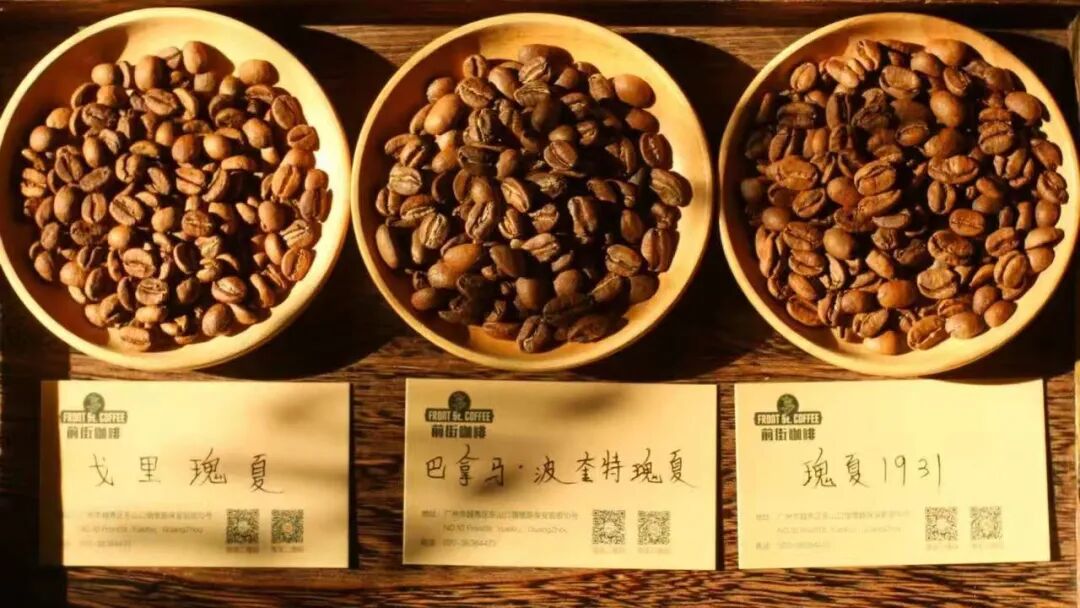
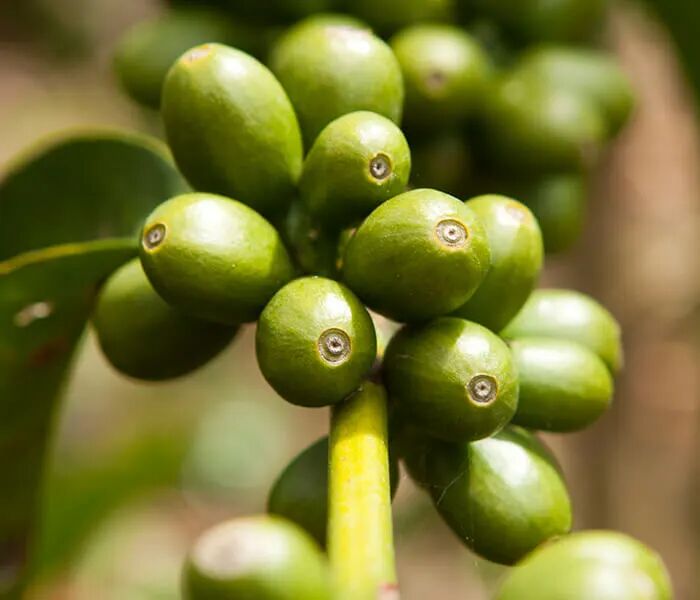
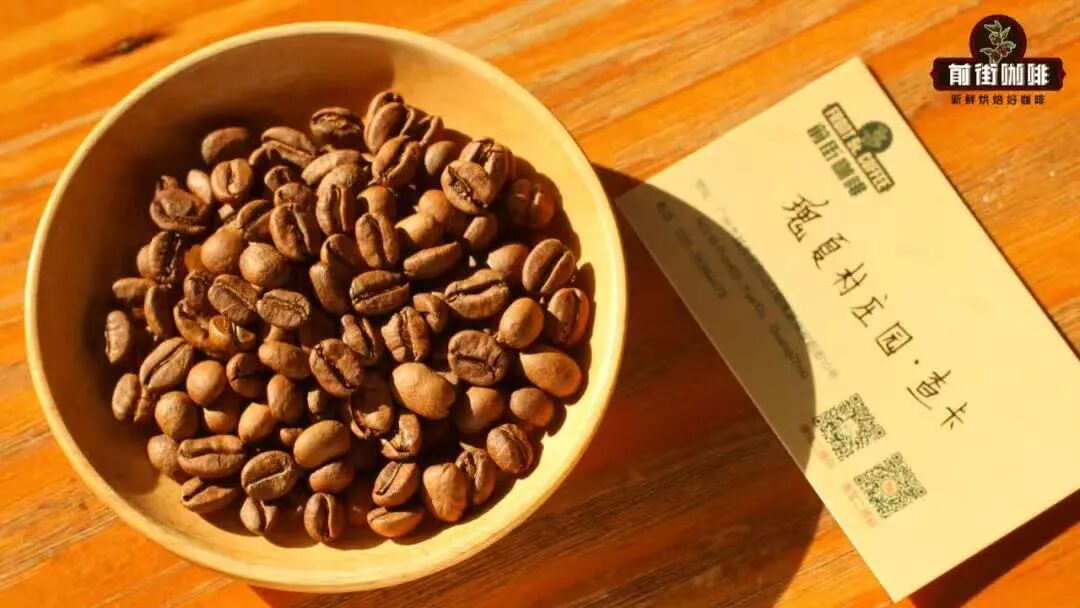
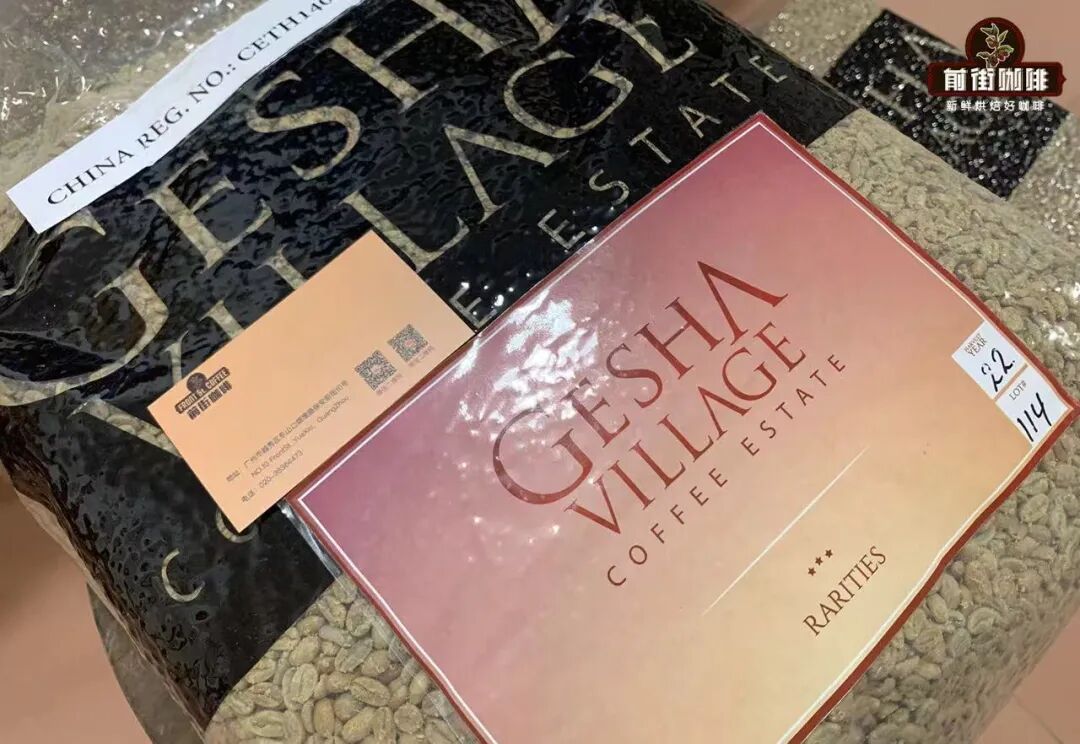
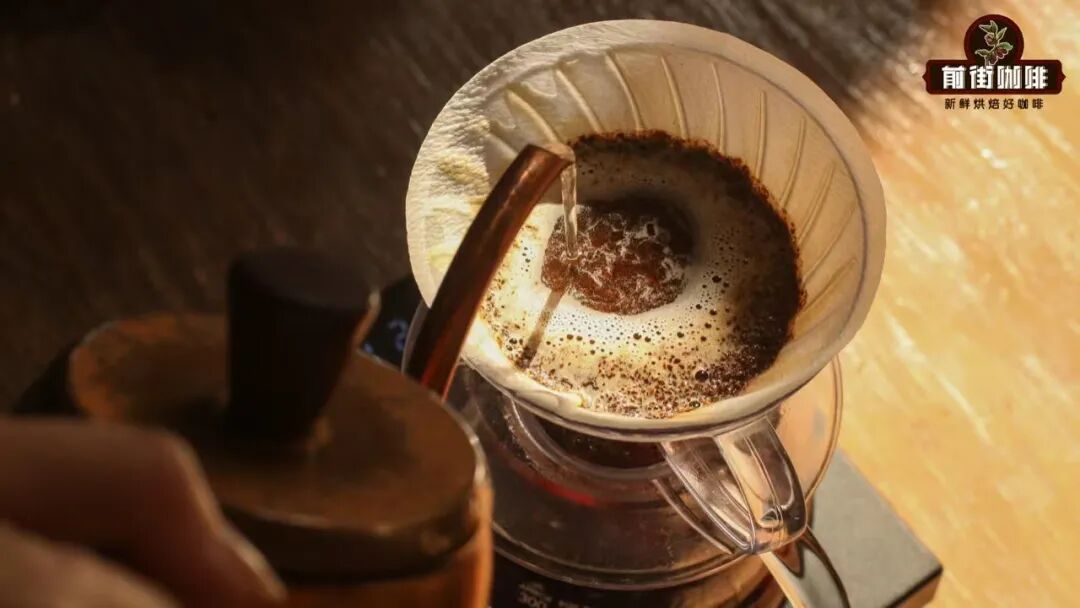
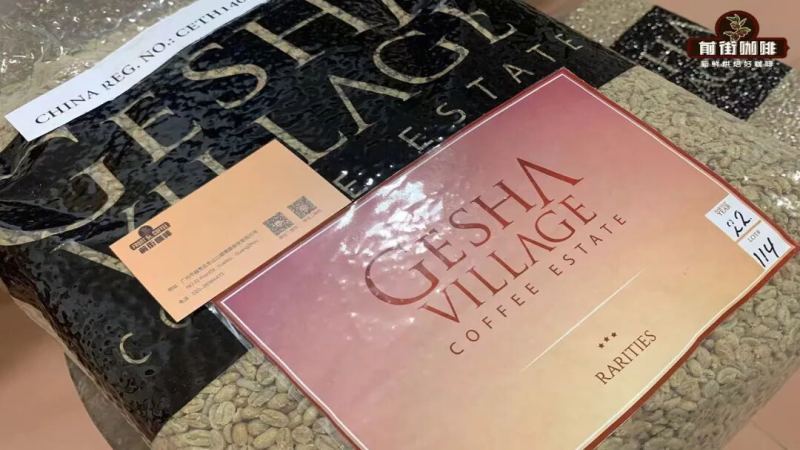
In the past, when some friends who wanted to taste Geisha coffee came to Front Street Coffee and ordered Geisha, the baristas at Front Street would carefully ask, "Do you mean Ethiopian Geisha or Panamanian Geisha?" Everyone would be confused about the difference between these two Geishas. Nowadays, Panamanian Geisha is becoming more and more famous, and when people mention Geisha, they generally refer to Panamanian Geisha. The Geisha from Gesha Village has been forgotten in a corner. So today, Front Street Coffee will talk to everyone about the ancestor of Panamanian Geisha, Ethiopian Geisha. First, let's talk about the history of Geisha's spread. Geisha(Geisha)This variety was first discovered in 1931 in the Geisha forest in Ethiopia; in 1932 it was sent to the Coffee Research Institute in Kenya; in 1936 it was transferred to Tanzania and Uganda; in 1953 it was transferred to Colombia; in the 1960s, it was introduced to Panama.However, as early as more than 90 years ago, when the Geisha variety was discovered, the official Ethiopian archives evaluated its flavor as "its taste is not good," and the Geisha variety also went through more than 40 years of obscurity after arriving in Panama before it emerged in the 2003 Best of Panama competition(Best of Panama, abbreviated as BOP)and won the BOP championship in 2004. Later, after expert appraisal, it was discovered to be the Ethiopian Geisha variety.Speaking of Ethiopia, coffee has been integrated into the country's social structure and cultural economy for hundreds of years. In Ethiopia, coffee is their culture and also an important source of income for most people. This country is not only the birthplace of the Geisha variety, but also the world-recognized birthplace of coffee. It is highly respected in the specialty coffee market. You can see Ethiopian coffee in any specialty coffee shop you walk into, and even Front Street is no exception.Ethiopia is mainly divided into nine major producing regions:Yirgacheffe, Sidamo, Limu, Harrar, Gimma, Illubabor, Kimbie and Lekempti, Teppi and Bebeka, and Lake Tana.The Bench Maji producing region, also called the Bebeka producing region, is easy to explain:Bench MajiZone(Bench Maji Zone)is a zone under the Southern Nations, Nationalities, and Peoples' Region, and Bebeka Town(Bebeka Town)isBench Majithe capital of the zone.Bench Majihas an area of 23,442.76 square kilometers, with Sudan to the west, Gambella Region to the northwest, and South Omo to the east. This producing region has an estate with a name that resounds like thunder—Gesha Village Coffee Estate(Gesha Village Coffee Estate). The Geisha variety coffee trees at Gesha Village Coffee Estate are said to have been found inBench Maji's wild forests.[Gesha Village Coffee Estate]In 2007, documentary director Adam Overton(right in the picture)and his photographer wife Rachel Samuel(center in the picture)were asked by the Ethiopian government to shoot a documentary about Ethiopian coffee. During the shooting process, they came into contact with the Gera(Bench Maji)forest in Bench Maji(Gera), gained a new understanding of the land of Ethiopia, and at the same time conceived the idea of establishing their own coffee estate and brand.In 2009, Adam and his wife met Willem Boot, the owner of Mule Estate and a BOP judge, and Willem Boot's idea of "returning to Ethiopia to find the birthplace of Geisha" also provided an opportunity for the couple. In 2011, they returned to Bench Maji. Several local areas are called Gesha Village, and they are also the areas most likely to contain native Geisha varieties.Adam followed Willem and began exploring the surrounding forests, and in a jungle wrapped in dense forest they discovered multiple wild coffee tree species. So they began to screen among them, selecting varieties that looked similar to Geisha, and then planted them in Gesha Village. They also decided to establish an estate here, naming it Gesha Village Coffee Estate(Gesha Village Coffee Estate).Gesha Village Coffee Estate covers an area of about 471 hectares, with a coffee planting area of about 320 hectares, and the planting density is maintained at 7,000 trees/hectare.Gesha Village Coffee Estate is divided into 8 farms: Bangi(54 hectares, 1911-2001 meters), most of the estate's workers come from a community called "Bangi-Chichuru" east of the farm. The coffee produced in this plot has aromas of honeysuckle and spices, with rich flavors of dark chocolate, berries, black tea, black sugar, and blackcurrant.lDimma(28.7 hectares, 1966-2019 meters), named after the famous gold mining town Dimma located north of the farm. The coffee produced in this plot has vivid floral and stone fruit aromas, with sharp and awakening citrus acidity.Gaylee(34.8 hectares, 1916-1982 meters), connected to the Kebele community on the southeast, officially named "Gaylee-Gesha," near the Yetgordon River, the water source of Gesha Village. The coffee produced in this plot has fruit flavors and spice flavors tightly combined, with strong sweetness of almond, lemongrass, and hibiscus, mixed with the aromas of jasmine and stone fruits.Oma(67.6 hectares, 1931-2040 meters), named after a respected and beloved religious leader in the Meanit area. The coffee produced in this plot has exotic aromas of redcurrant and jasmine, with fruit characteristics of peach, apricot, candied fruit, melon, and mandarin orange, and a honey-like sweetness in the aftertaste.Narsha(5.3 hectares, 1963-1977 meters), located in the southern part of Gesha Village Coffee Estate, named after a fruitful tree on the farm. The coffee produced in this plot has flavors of honeysuckle, yellow fruits, lime, dark chocolate, peach, apricot, and rose, with refreshing acidity and a long bergamot aftertaste.Surma(45.9 hectares, 1909-2063 meters), overlooking a valley scenery like a paradise, named after the pastoralist ethnic group "Surma" living in the southwestern lowlands. The coffee produced in this plot has delicate aromas of jasmine and Damask rose, fruit tones of strawberry, ripe watermelon, and apple, as well as a slight spice flavor.Shewa-Jibabu(48.5 hectares, 1973-2069 meters), located in the northern part of the estate, named after a mountain near the farm and the kebele community from which some employees come. The coffee produced in this plot has flavors of spices, strawberry, ripe peach, papaya, floral notes, dark chocolate, tamarind, orange, and bergamot.Shaya(36.5 hectares, 1926-2069 meters), named after the leader of the Meanit area. The coffee produced in this plot exudes aromas of jasmine, bergamot, and orange. It has rich flavors of dark chocolate, orange juice, frozen cherry, molasses, lemon, and berries, with the sweetness of red apple.Panama's Geisha and Gesha Village's Geisha are both called Geisha, but the Geisha varieties in these two places are quite different. Gesha Village mainly plants two varieties of Geisha: Gori Gesha (GG) and Gesha 1931 (G31).Gori Gesha (GG) perfectly inherits the genetic diversity within the Gori Gesha coffee forest, so its appearance is somewhat different from Panamanian Geisha; while Gesha 1931 (G31) is very similar to Panamanian Geisha, both in appearance and flavor performance.In addition to the above two varieties, Gesha Village also grows a variety called Illubabor Forest 1974 (IF)! It was discovered in a survey in 1974 in the Illubabor Forest, and was later developed by the Ethiopian research center as a variety with natural resistance.Gesha Village Coffee Estate has a strict internal grading system, namely Auction, Gold, Red, Green, and Chaka lots.Accounting for only 3.7% of Gesha Village's annual output, it is the estate's top lot after rigorous screening and can only be obtained through the global auction of Gesha Village Coffee Estate, and it is further divided into Champion's Reserve and Farm Reserve.Gold Lot coffee accounts for about 10% of Gesha Village Coffee Estate's annual output, with complex flavors and is very rare. These rare coffees are the estate's top coffees besides the Auction Lot. Many baristas choose the Gold Lot as their competition beans, and roasters with high quality requirements also purchase them. It has complete traceability, and each lot has outstanding flavor and high complexity.Red Lot coffee beans account for about 15% of Gesha Village Coffee Estate's annual output. These are lots with complete traceability, with cupping scores exceeding 88 points (SCA standard), and they have typical Gesha Village flavors. The flavor intensity and complexity are slightly weaker than the Gold Lot, making them single-origin lots with relatively high cost performance.Green Lot comes from a single plot of Gesha Village Coffee Estate and is a single-variety lot. The Green Lot provides complete traceability information for each lot number, including the farm plot name, coffee variety, and processing date.The Chaka Lot blends coffee from all plots of the estate and the entire production season. Chaka Lot coffee has two processing methods: natural and washed, and includes three coffee varieties from Gesha Village Coffee Estate: Gesha 1931, Gori Gesha, and Illubabor. Front Street Coffee Brewing ParametersCoffee powder amount: 15 grams Ratio: 1:15 Water temperature: 92 degrees Celsius Grind size: Ek43 10 setting, 75% passing rate on a No. 20 sieve, Filter: Hario v60 #01 filterBrewing process: First pour 30 grams of water to bloom for 30 seconds, second pour 95 grams of water (electronic scale shows 125 grams), completed in about 1 minute, third pour 100 grams of water (electronic scale shows 225 grams), completed in about 1 minute 30 seconds, extraction time: 2 minutes, remove the filter and complete brewing. The flavors are as follows:Gesha Village Gold: chamomile, citrus, cream, oolong tea, juice-like mouthfeel, plum, high cleanliness.Gesha Village Red: rose floral aroma, fermented wine aroma, citrus, berries, oolong tea, strawberry.Gesha Village Green: citrus, cream, chocolate, almond, balanced flavor, full-bodied mouthfeel.Gesha Village Chaka: fermented aroma, citrus, grapefruit, cream, chocolate, caramel. The above content is compiled by CoffeeHunters, a coffee news website.