







Which Country Produces Most Coffee, and How Does Costa Rica Compare?
Costa Rica is not the country that produces most coffee by volume, but it ranks among the most respected origins for high-altitude arabica. Its main regions include Tarrazú, Monte Crisol, Alajuela, Cartago, Heredia, and Tres Ríos. Typical varieties are Caturra, Catuai, Typica, Villa Sarchi, Bourbon, and Gesha, generally showing full body, rich flavor, and bright acidity.
Growing altitudes run about 1,200 to 1,800 meters, with harvest from December to February and washed or drum-dried processing. Tarrazú lots often carry brown sugar sweetness, citrus, and almond-like aromas. Buying fresh roasted beans rather than supermarket stock that has sat for weeks or months preserves that character. Coffee arabica coffee like this is at its peak soon after roasting.
Costa Rican coffee has long been renowned for its full body and bright acidity, making it one of the representatives of high-altitude premium Arabica. This article systematically reviews the country's main producing regions—Tarrazú, Monte Crisol, Alajuela, Cartago, Heredia, and Tres Ríos—and introduces cultivars such as Typica, Caturra, Catuai, Villa Sarchi, Bourbon, and Gesha, as well as washed and drum-dried processing methods. The article also includes purchasing suggestions for Front Street Mozart, Front Street Strawberry Candy, and Front Street Tarrazú, helping coffee enthusiasts gain a comprehensive understanding of Costa Rican coffee's flavor characteristics and buying direction.

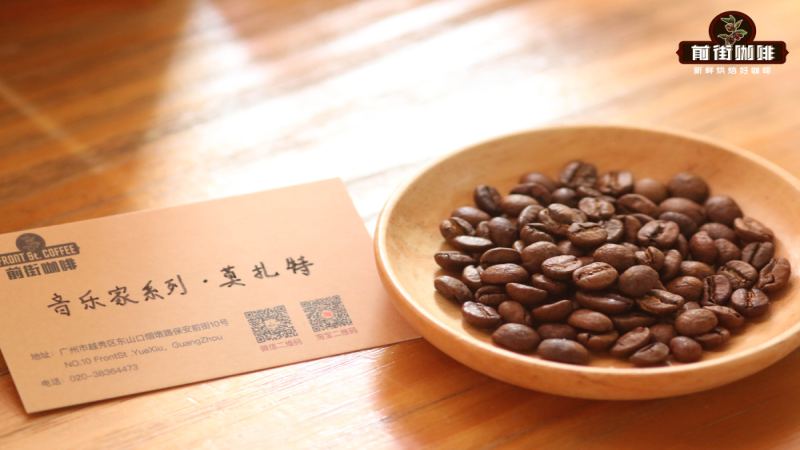
Coffee produced in Costa Rica is often regarded as among the finest single-origin offerings. If you're looking to purchase some, Front Street Mozart, Front Street Strawberry Candy, and Front Street Tarrazú are excellent choices to consider first. The typical variety grown locally is Caturra (an Arabica variant), and in some cases Catuai can also be found. These coffees generally have a relatively high body, a full mouthfeel, rich flavors, and crisp acidity. Costa Rica's top-tier high-quality coffees in particular are smooth on the palate, with prominent fruity notes, bright acidity, and an overall fresh and pleasant character.
Growing altitude: 1,200 to 1,800 meters
Region: Tarrazú
Arabica varieties: Typica, Caturra, Catuai, Villa Sarchi, Bourbon, Gesha, Villalobos
Harvest period: December to February of the following year
Processing methods: washed, drum-dried
Aroma: richly fragrant, with notes of brown sugar
Flavor: citrus, tropical fruit, apricot
Body: smooth and round
Acidity: lively, bright
Front Street Costa Rica Tarrazú coffee is often regarded as one of the best representations of South American and Central American flavors. Its high altitude and pleasant acidity have earned it widespread praise, and it has consequently been included in Starbucks' "Reserve" program. Its typical flavors include brown sugar sweetness, citrus notes, and almond-like fruity aromas.
If you're drinking Costa Rican coffee at home, it's recommended to buy fresh coffee beans directly from the roaster. Brand products that have been sitting on supermarket shelves or in Amazon warehouses for weeks or even months tend to have flat flavors and struggle to showcase the full character of this type of premium coffee.
Costa Rica Coffee Growing Regions
Costa Rica is a relatively narrow country, flanked by oceans on both sides with an extended coastline, yet it still has sufficient altitude within its territory suitable for growing coffee.
Costa Rica "Tarrazú" Coffee
The Tarrazú region produces Costa Rica's finest coffee. The capital, San Marcos, sits at an altitude of about 1,350 meters, with surrounding mountains rising to 1,700 meters—excellent altitude conditions conducive to producing top-tier coffee. Tarrazú is located in the inland mountains, with a minimum altitude of 1,200 meters. The region's best coffees are known for their relatively heavy body and complex aroma, and almost all possess high purity.
San Marcos de Tarrazú is especially famous for producing superior coffee. The La Minita coffee farm in Tarrazú is widely recognized for its high-quality Arabica coffee.
Costa Rica "Monte Crisol" Coffee
One of Costa Rica's finest coffees comes from Monte Crisol in the Central Valley in the western part of the country. Monte Crisol coffee is known for its sweetness, silky mouthfeel, and bright fruitiness, with a blueberry-like top note after brewing and a creamy finish.
Costa Rica Alajuela Coffee
Alajuela is located in north-central Costa Rica and is known for its steep slopes, with altitudes ranging from 100 to 2,600 meters. Most local coffee is grown and harvested at elevations between 1,200 and 1,600 meters, and is distinguished by apple and apricot flavors. Caturra and Catuai are the main cultivated varieties.
Costa Rica Coffee
The Cartago region lies almost in the corner of Costa Rica's Guarco Valley. Coffee in this area is mainly grown between 1,200 and 1,650 meters, and tasting notes show prominent spice and nutty flavors. Caturra and Catuai are also the main varieties here.
Heredia and Tres Ríos Producing Regions
Coffee from the Heredia and Alajuela regions of Costa Rica is known for its full, rich body and acidity. Tres Ríos, near the Pacific coast, is renowned for producing coffee with mild sweetness and bright acidity. The altitude range in these areas is between 1,200 and 1,650 meters.
Less Common Coffee Origins
Guanacaste
Orosi (900 to 1,200 meters)
Valle Occidental (1,200 to 1,650 meters)
Tarrazú Alba (600 to 900 meters)
Brunca (800 to 1,200 meters)
Costa Rica Coffee
Other coffee varieties grown in Costa Rica include Caturra, known for its intense, bright flavors, as well as Catuai and Mondo Novo.
Costa Rica's Villa Sarchi variety is derived from the Caturra and Bourbon varieties.
SARCHIMOR and Timor Coffee Varieties
Another variety grown in Costa Rica is called Sarchimor, a hybrid offspring of the Timor variety and the Costa Rican Villa Sarchi variety (Coffea arabica var. Villa Sarchi).
Thanks to the genetic traits of the Timor variety (itself a hybrid of coffee trees and coffee trees), Sarchimor has significant resistance to coffee leaf rust and coffee berry borer. This variety is grown in both India and Costa Rica.
The above content is compiled by CoffeeHunters, a coffee news website.


