







Search Results for: Coffee flavor
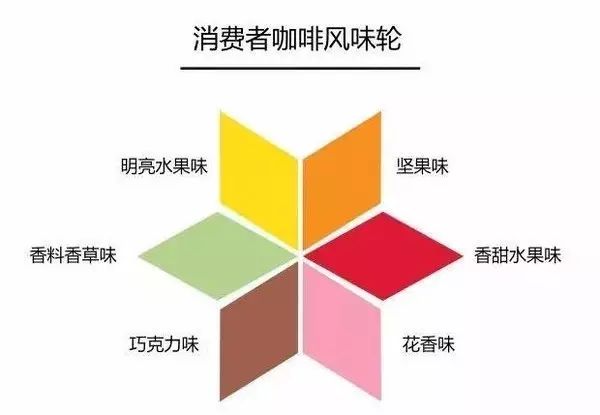
Origins of the Coffee Flavor Wheel | What's the difference between the old and new coffee flavor wheels? What are the limitations of the SCAA Coffee Flavor Wheel? How do you use the flavor wheel to taste and describe coffee?
On the journey of learning about specialty coffee, I believe everyone is especially impressed by a colorful ring. It is the SCAA 2016 Coffee Flavor Wheel that has tormented you countless times. Of course, this is already a "simplified" version; the first edition of the flavor wheel in 1995 had two, one on the front. [more…]

Is It Normal That You Can't Taste the Notes on the Coffee Flavor Wheel? Is Localization Necessary? Explained in One Article
Many people who are just getting into specialty coffee are often baffled by the flavors described on packaging or by baristas, and may even wonder whether they are simply not suited to drinking single-origin coffee. In fact, it is not at all unusual to be unable to taste specific flavors—the purpose of the SCA Flavor Wheel is to provide a reference range, not to require you to identify each item one by one. This article discusses the origins of the flavor wheel, the 2016 revised edition, localization attempts in Taiwan and Indonesia, and whether China needs its own local flavor wheel, helping coffee lovers set aside their anxiety and return to the simple pleasure of drinking coffee. [more…]
A Complete Guide to the SCA Coffee Flavor Wheel HD Wallpaper: From the Old Version to the New, Teaching You How to Understand and Apply the Flavor Wheel
Have you ever wondered where those citrus, berry, chocolate and other flavor descriptions on coffee packaging come from? This article provides a detailed interpretation of the SCA Coffee Flavor Wheel, starting from the first edition released by the SCAA in 1995, tracing its background, the classification logic of positive and negative flavors, and the major updates in the 2016 new edition. The article not only explains the different roles of taste and smell in coffee cupping, but also introduces the simplified consumer flavor wheel launched by the Belgian company Cuperus. Front Street Coffee takes you through a systematic understanding of the design intent and practical application of the coffee flavor wheel, helping beginners build sensory awareness more quickly and understand the language of flavor communication in cupping. [more…]

The Two-Generation Evolution of the Coffee Flavor Wheel: A Comparative Interpretation of the SCAA Specialty Coffee Flavor Maps from 1995 to 2016
The Coffee Taster's Flavor Wheel is an important tool for every coffee enthusiast and professional to understand coffee flavors. From the first edition of the flavor wheel published by the SCAA in 1995 to the comprehensively revamped new flavor wheel in 2016, the two generations differ significantly in structure, classification logic, and sensory description. This article will compare the design concepts and methods of use of the old and new flavor wheels from a professional perspective, analyze the background and significance of the birth of both versions, and help you cup and taste coffee more accurately. When you come to Front Street Coffee, you can see physical displays of both versions of the flavor wheel in the shop, and follow this article to gain a deeper understanding of the evolution of the Coffee Taster's Flavor Wheel. [more…]
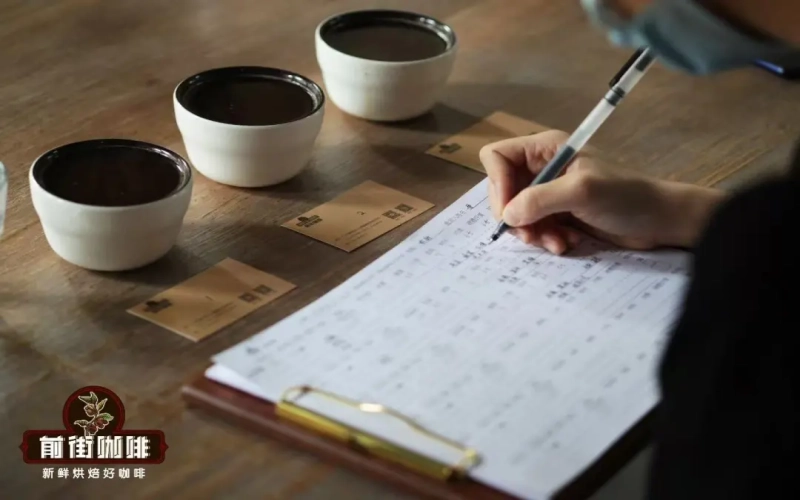
SCAA Coffee Flavor Wheel User Guide: From the Three-Ring Structure to Sensory Training, Systematically Master the Pour-Over Coffee Tasting Method
The coffee flavor wheel is an authoritative sensory tool recognized by the industry, but it cannot make you directly taste a certain flavor; rather, it is an auxiliary guide to help you organize and identify flavors. This article will use the new version of the flavor wheel released by the SCAA in 2016 as a blueprint, starting from its research background, and disassemble one by one the correspondence among the three-layer structure of the inner ring, middle ring, and outer ring. Combined with a comparative example of Front Street Yirgacheffe Gedingding and Front Street Boquete Geisha, it explains how to use the flavor wheel to gradually narrow the scope of judgment and build sensory memory. At the same time, it also reminds enthusiasts that they do not need to blindly follow the flavor wheel, because the samples it includes are limited, and real flavors such as lychee may not necessarily appear on the wheel. At the end, the article also shares the ingenious design between the flavor wheel's color scheme and flavor associations, helping you more efficiently improve your ability to identify the flavors of pour-over coffee. [more…]
A Comprehensive Analysis of the Evolution of the SCAA Coffee Flavor Wheel: From the Authoritative Version to Localized and Consumer-Friendly Simplified Versions
The Coffee Flavor Wheel is an important tool in specialty coffee learning. From the first version published by the SCAA in 1995, to the updated version in 2016, to localized adaptations in Taiwan, Indonesia, and elsewhere, as well as simplified versions aimed at consumers, the flavor wheel has continually evolved. This article reviews the characteristics and limitations of each version, explores how to use the flavor wheel to taste and describe coffee more accurately, and examines how cultural differences influence flavor perception. [more…]
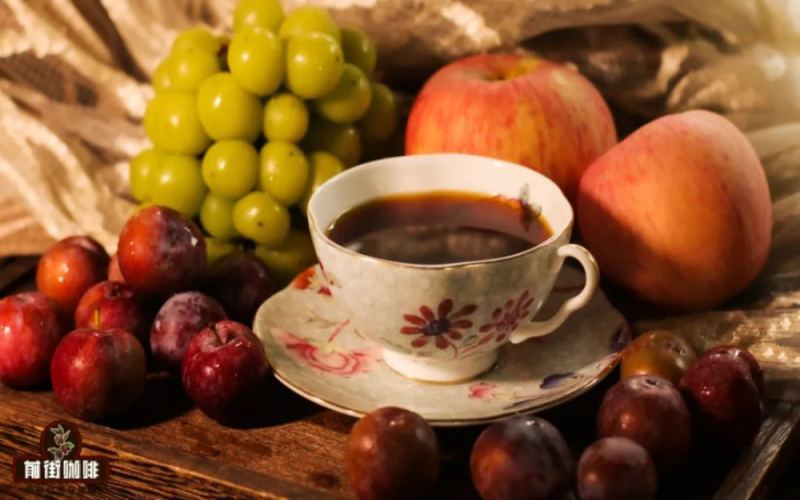
Where Does Coffee Flavor Actually Come From? Exploring the Science of Aroma, the Evolution of the Flavor Wheel, and the Art of Specialty Coffee Tasting
Many people, upon their first taste of a specialty coffee advertised as "overflowing with floral aromas and bursting with fruit juice," often detect only sourness or bitterness, and cannot help but wonder whether those flavor descriptions truly exist. Starting from the scientific principles of taste and smell, this article explains the origins of coffee flavor—the tongue can only perceive five basic tastes: sweet, sour, bitter, salty, and umami, while the concrete flavors we experience, such as strawberry or citrus, are actually associations produced when aroma compounds are captured by the olfactory sense through the nasal cavity and combined with taste. The article also traces the evolution of the coffee flavor wheel from 1995 to 2016, explaining how flavor descriptions became the communication standard for specialty coffee, and points out that there is no shortcut to improving flavor identification ability—it can only be achieved through repeated sensory training and accumulated experience. [more…]

SCA Specialty Coffee Flavor Wheel User Guide: How to Interpret It Correctly and Download High-Resolution Images
The coffee flavor wheel is an important tool for coffee enthusiasts and professionals in sensory training, but the prerequisite is that one must correctly master its method of use. The most commonly used version at present is the one released by the SCAA in 2016, and many coffee training institutions use it as sensory teaching material. Front Street uses this flavor wheel as a blueprint and introduces how to understand and digest it from four aspects: do not blindly follow the flavor wheel, seek flavor relationships from the three-ring structure, use colors for association, and observe the density details among categories. Although understanding the flavor wheel cannot make you immediately taste all flavors, it can help you systematically sort out the connections among various flavors in coffee, and then by tasting more in correspondence with the flavor wheel, gradually step into the door of coffee flavor sensory perception. [more…]

SCA Coffee Flavor Wheel Analysis Tutorial | What Is Coffee Flavor? Which Single-Origin Coffee Beans Best Represent Coffee Flavor? How Can Beginners Distinguish Coffee Flavor Characteristics?
Professional barista exchange, please follow Front Street Coffee (FrontStreet Coffee). Many friends have asked Front Street's baristas: "Can you really taste so many flavors in the beans? How do you taste them?" First, this is about personal sensory perception. As everyone grows up, [more…]
A Detailed Guide to Single-Origin Coffee Classification: A Comprehensive Analysis of Flavor Characteristics Across Major Producing Regions from Africa to the Americas and Differences in Coffee Shop Flavors
Have you ever walked into a specialty coffee shop, faced the dazzling array of single-origin coffees on the menu, and felt at a loss where to begin? Single-origin coffee refers to coffee made from beans sourced from a single origin, and it can be traced back to a specific region or even estate. This article will systematically sort through the representative single-origin coffees from major producing regions such as Africa, Central and South America, and Asia, introduce Front Street Coffee's rigorous process from roasting curve testing to cupping selection, and present the flavor descriptions of coffee beans from each region one by one, helping you find the cup that best suits your taste. [more…]
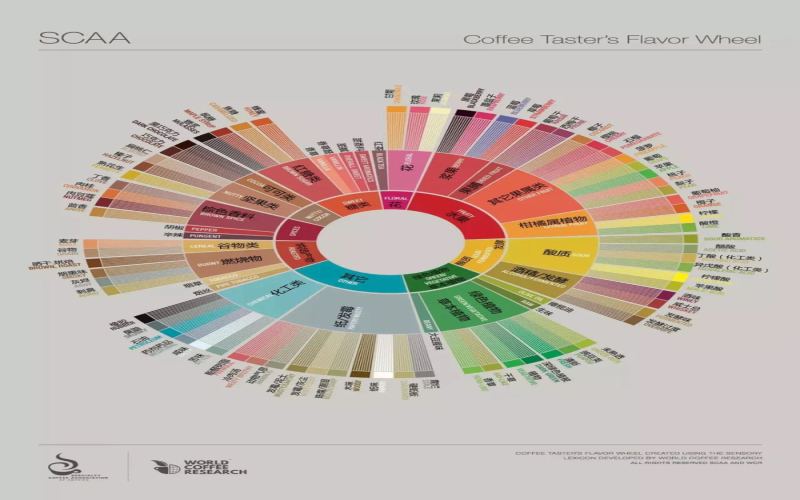
SCAA Coffee Flavor Wheel Full Analysis: Sensory Classification from Fermentation to Roasting and the Defect Deduction Mechanism
The SCAA Coffee Flavor Wheel is a core tool for specialty coffee enthusiasts to identify flavors, yet many people are still unfamiliar with it. This article systematically breaks down the left-right structure of the flavor wheel: the right side, the normal flavor spectrum, reveals the three major aroma sources of fermentation, sugar browning, and dry distillation, while the left side, the negative flavor spectrum, corresponds to the defective flavors produced by improper green bean processing, storage, and roasting. It also explains in detail the deduction rules for different defects in SCAA cupping—serious defects deduct 4 points, minor defects deduct 2 points—and how roasting and organic matter loss, although not deducting defect points, can lower flavor performance. The article includes the latest high-definition Chinese-English flavor wheel images and retains Front Street Coffee's communication channels, making it suitable for readers who want to gain a deeper understanding of coffee sensory evaluation. [more…]
The Complete Guide to Using the SCA Coffee Flavor Wheel: A Tutorial on Breaking Down Pour-Over Coffee Flavor Descriptions and Taste Categories
The coffee flavor wheel is known as the "flavor dictionary" of specialty coffee and is an indispensable professional tool in cupping and quality control. Based on Front Street Coffee's cupping practice, this article systematically breaks down the structure of the SCA coffee flavor wheel. Starting from the four major taste spectra of sour, sweet, bitter, and salty, it analyzes the causes and representative bean varieties of each flavor category, covering all categories including floral, fruity, nutty/cocoa, sweet, spicy, sour and fermented, alcoholic fermentation, roasted, and defective flavors. It also provides practical methods for building a flavor memory bank from everyday life and improving sensory identification ability, helping coffee enthusiasts more accurately describe the flavor characteristics and taste categories of pour-over coffee. [more…]

Are Coffee Flavor Descriptions Really Reliable? Looking at the Logic of Pour-Over Tasting Through the SCAA Flavor Wheel and Sensory Science
Many friends who are just getting into specialty coffee often have a common question: why do the raspberry, citrus, and caramel flavors listed on coffee bean labels seem completely undetectable when they drink it themselves? Are these flavor descriptions just mystification, or do they actually exist? This article will start with the first version of the coffee flavor wheel released by the SCAA in 1995, and combine scientific research from "The Chemistry of Coffee Aroma" to explain why flavor descriptions are not fabricated out of thin air, but rather a communication standard supported by compound foundations and sensory thresholds. At the same time, the article will also explore whether flavor descriptions play a "psychological suggestion" role, and why the same cup of coffee can influence your tasting experience just by being described differently. If you also want to understand how to actually taste the flavors in pour-over coffee, this content is worth reading. [more…]
A Detailed Guide to the All-New SCAA Coffee Flavor Wheel: From the Old Classification to a Complete Breakdown of the Added Fruit and Plant Flavors
The coffee flavor wheel is one of the most valuable tools in the coffee industry, and after 21 years since its creation, the SCAA flavor wheel has undergone its first comprehensive update. This revision relied on deep collaboration between the World Coffee Research organization and the SCAA, bringing together the collective wisdom of sensory experts, scientists, buyers, and roasters, making it arguably the largest and most collaborative flavor wheel research project in history. The new version not only restructured the logic of flavor classification but also added a large number of fruit and plant-based descriptors. This article will guide you through the structure and meaning of the old flavor wheel, compare the changes in the new version, and interpret the industry trends behind the newly added flavors. Whether you are a newcomer just getting into specialty coffee or a seasoned enthusiast, you can gain a clear framework for understanding flavor from it. [more…]
High-Resolution Coffee Flavor Wheel Reference Chart Download | How Can Coffee Beginners Understand the Coffee Flavor Wheel? How to Taste and Describe Single-Origin Coffee Flavors?
A large part of the reason the coffee flavor wheel was created was to meet the tasting standards that emerged after coffee became more specialty-oriented. It also drew on wine tasting and cupping, gradually evolving from vague, general flavor descriptions into a detailed, logical flavor wheel. The first version of the coffee flavor wheel was released in 1995, [more…]
SCA Specially coffee flavor wheel | Understanding the flavor wheel is the first step in learning the flavors of coffee.
As an authoritative coffee flavor guide map, as long as it is used properly, the new partners who join can quickly categorize the flavors presented by the coffee, and after learning it, combined with practice, mastering the coffee flavor is simply a [more…]

A Guide to Improving Coffee Flavor Perception: A Complete Analysis from Using the Flavor Wheel to the Mechanisms of Aroma Discrimination
The world of coffee flavor is richly layered, but many people can only taste sourness and bitterness, struggling to capture those stunningly delicate aromas. To truly appreciate the value of an expensive cup of coffee, you need to systematically train your flavor perception. From the perspective of Front Street, this article breaks down the composition of coffee flavor—how taste and aroma combine—explains in depth the chemical makeup and volatile characteristics of coffee aroma, and introduces the two mechanisms by which the human body perceives aroma: orthonasal and retronasal olfaction. At the same time, the article details how to use the Super Clear Flavor Wheel to make abstract flavors concrete, and how to gradually build a personal aroma memory bank by drinking more, smelling more, and feeling more, ultimately improving your precision in discerning coffee flavors. [more…]
A Comprehensive Interpretation of the Coffee Flavor Wheel: From Compounds to Sensory Classification, Mastering the Correct Approach to Coffee Flavor Tasting
Every cup of coffee contains thousands of aromatic compounds, and these substances interweave into a complex and fascinating flavor profile. The coffee flavor wheel, developed through research by the SCAA (Specialty Coffee Association of America) in collaboration with several universities, provides tasters with a systematic descriptive language. This article will guide you through the origins and composition of coffee flavors, explain the meanings of approximately eighty-five flavors across nine major categories on the flavor wheel, and describe how floral, fruity, nutty, cocoa, spice, and fermented flavors form during roasting and processing. At the same time, we will also introduce the flavor characteristics of specific coffees such as Front Street Yirgacheffe, Front Street Geisha, and Front Street Mandheling, helping you more accurately identify and express coffee flavors in daily life. [more…]
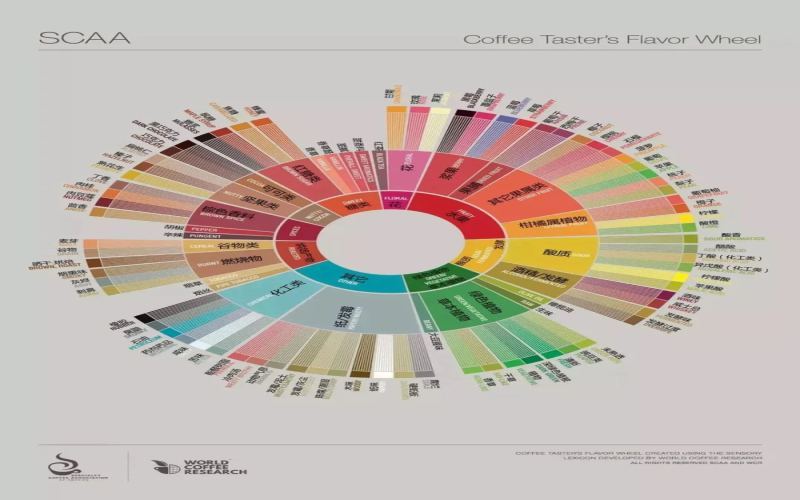
How can you tell if a latte tastes good? Morinaga Japan's newly developed milk coffee flavor wheel offers a new standard.
The coffee flavor wheel has always been an important tool for evaluating black coffee, but when it comes to drinks with milk added, such as lattes, consumers often lack a systematic reference standard. Recently, Japan's Morinaga Milk Company published a study in the journal Food Science and Technology Research, specifically developing a "milk coffee flavor wheel" for milk coffee. This flavor wheel is based on the real perceptions of 203 ordinary consumers, combined with discussions among 12 beverage developers, and selected 53 characteristic terms from 456 descriptions, striving to make it easy for the general public to judge the quality of a cup of milk coffee. This article will introduce in detail the research and development background of this flavor wheel, its creation method, and its significance for coffee lovers. [more…]
Analysis of the Flavor Characteristics of Sidamo Huakui Coffee Beans and the Latest Updates on the 2022 Harvest 6.0 Batch
The Huakui coffee beans from the Sidamo region of Ethiopia have long been favored by coffee enthusiasts for their unique berry-like sweetness and acidity along with fermented aromas. 2022 marks the sixth year since Huakui rose to fame, and the new harvest's 6.0 batch should have been highly anticipated; however, problems such as shipping disruptions and a relatively high defect rate in the green beans followed one after another. After Front Street Coffee received the 6.0 batch, it found the overall defect rate to be relatively high. After communicating with the importer Hongshun, it decided not to sell this batch this year and instead use naturally processed Huakui coffee beans from the same region and the same processing station. This article will guide you through the origins of Huakui, the distribution of various processing stations in the Hambela region, the reasons for the division between Huakui and Small-Bean Huakui, as well as Front Street Coffee's recommended brewing method and flavor description, helping you gain a more comprehensive understanding of these coffee beans. [more…]