







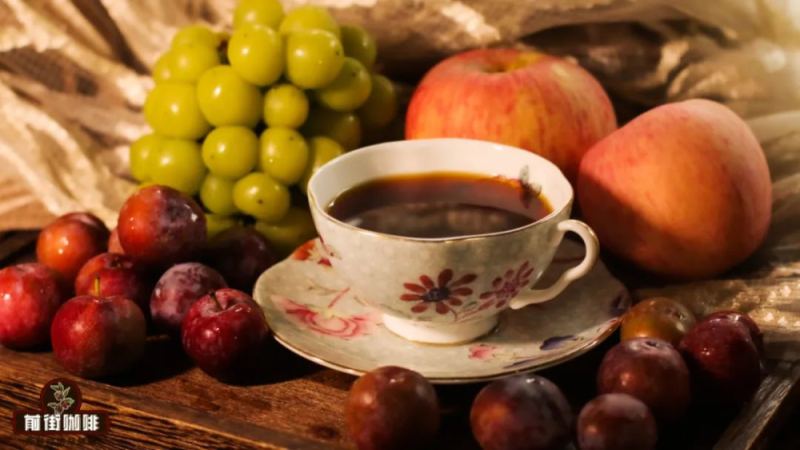
Why Does Specialty Coffee Aroma Read as Fruit?
The flavors described in specialty coffee come mostly from smell, not taste. The tongue detects only five basic tastes: sour, sweet, bitter, salty and umami. Specific notes such as strawberry or citrus are associations formed when aroma compounds travel through the nasal cavity and combine with those basic tastes, so a cup can taste sour or bitter even when the label promises fruit.
The coffee flavor wheel, revised between 1995 and 2016, gave tasters a shared vocabulary and turned coffee aroma description into a communication standard for the trade. Identifying those notes is a learned skill rather than a shortcut; repeated sensory training and accumulated tasting experience are what let drinkers connect what is in the cup to a named flavor.
When many people first taste a specialty coffee advertised as "overflowing with floral aromas and exploding with fruity flavors," they often taste only sourness or bitterness, and can't help but doubt whether those flavor descriptions really exist. This article starts from the scientific principles of taste and smell to explain the source of coffee flavors—the tongue can only perceive five tastes: sour, sweet, bitter, salty, and umami, while the concrete flavors we sense, such as strawberry and citrus, are actually associations produced when aroma compounds are captured by the olfactory sense through the nasal cavity and combined with taste. The article also reviews the evolution of the coffee flavor wheel from 1995 to 2016, explaining how flavor descriptions became a communication standard for specialty coffee, and points out that there is no shortcut to improving flavor identification ability—only repeated sensory training and accumulated experience.
In coffee shops, there is always a group of people who sit together, enthusiastically exchanging the various flavors they have just captured from a cup of "specialty coffee." These descriptions sound so alluring that they inevitably make some "outsiders"—friends who drink coffee only to get caffeine for a boost—unable to resist ordering a cup, wanting to experience the dazzling world of specialty coffee for themselves.
However, when they actually drink the same coffee, they find that this cup, said to have rich floral aromas and explosive fruity flavors, leaves only sourness or bitterness on the palate. This naturally raises doubts: Could the coffee they drank be different from mine? Did they add some special ingredient that made them hallucinate those flavors? How could a single cup of coffee have so many flavors?
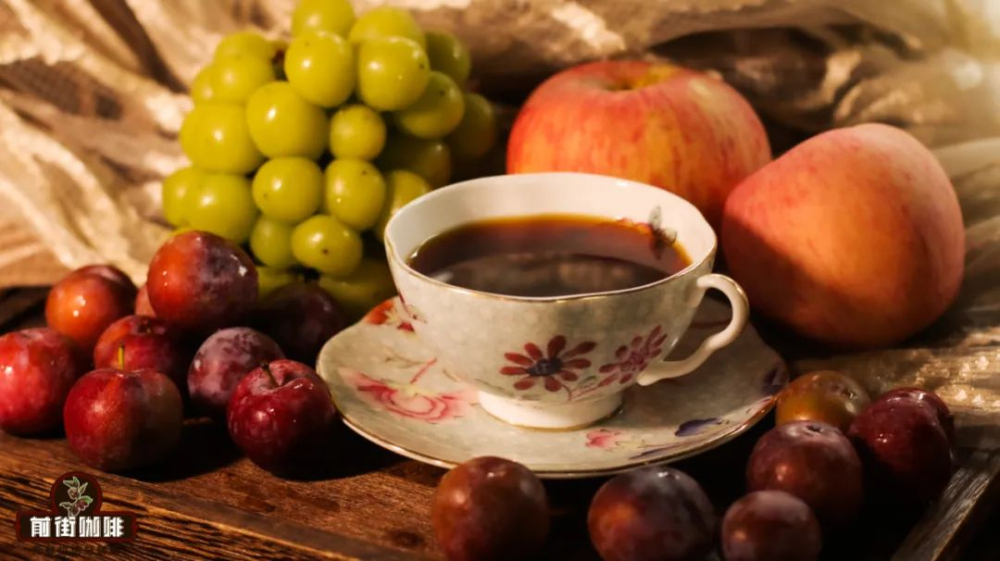
Do coffee flavors really exist?
To answer this question, we first need to clarify: What are coffee flavors? So-called coffee flavors are the concrete tastes of other foods that we sense while drinking coffee. For example, the white floral, citrus, and strawberry notes we often mention when drinking coffee. But here is a point that easily causes misunderstanding—many people think these flavors are all tasted by the taste buds on the tongue.
This is not the case. Our tongue can perceive only five tastes: sour, sweet, bitter, salty, and umami. The strawberry and citrus flavors we sense in coffee mainly come from the aromas released after coffee enters the mouth, including the "sweetness" we feel from coffee. These aromas are captured by the olfactory sense through the passage between the mouth and nasal cavity, and then combined with the tastes perceived by the taste buds, which is what triggers our associations with specific flavors. If you pinch your nose while eating, aside from the five basic tastes of sour, sweet, bitter, salty, and umami, you will find it hard to sense any other flavor.

Seeing this, many friends will probably think that coffee flavors are merely the drinker's imagination and do not really exist. This situation indeed often occurs in the daily lives of coffee lovers: many people do not taste the coffee's flavors at first, but as soon as they see descriptions given by others or on a flavor card, they can immediately taste the same flavors in the cup. So many people think this is just psychological suggestion, not truly tasting the flavors, but merely "fooling" themselves.
Regarding this question, Front Street would like to say that coffee flavors are not something you can just make up. Everyone knows that green coffee beans contain more than 200 aroma substances, and after roasting into roasted beans, they transform into thousands of aromatic compounds. The key point is that research shows a large portion of these aroma substances produced after roasting can also be found in other individuals (plants, foods, spices, etc.) as the same aroma components.
This is true not only of coffee but also of other things. The apple flavor we sense from an apple and the orange flavor we sense from an orange are actually the result of the aroma emitted by that food being perceived by the olfactory sense. Here is a more intuitive example: the orange smell we detect when peeling an orange actually comes from d-limonene hidden in the aroma of the orange peel, and it is its presence that makes us sense the so-called "orange flavor." So we should understand that it is not that oranges have an orange flavor, but that oranges have an orange aroma. Among the thousands of aromatic substances in coffee, there are also aroma compounds such as d-limonene, which is why we can taste similar flavors in coffee.

Why do we say similar? Because an odor is not composed of a single aroma component. Just like a single color we see in daily life—although it appears to be only one color, it is actually composed of other colors. There is a saying that as long as you master the three primary colors, any color can be mixed. The same principle applies to flavors. But the difference is that colors can be categorized, while aromas cannot. The same d-limonene will combine with different other aromas to produce different flavors. And each person's ability to perceive flavors varies, so even the same flavor will evoke different concrete flavor associations in different people. Still taking d-limonene as an example, some people sense this aroma from orange peel, so they consider it an orange flavor; others sense it from lemon peel, so they consider it a lemon flavor.
Everyone says something different, and it is completely impossible to unify, which creates a great obstacle to communication. So in 1995, the SCAA published the first version of the coffee flavor wheel. The birth of the flavor wheel provided coffee professionals with a systematic sorting-out, allowing everyone to better understand the aromas and tastes they sense with its help.

This version of the flavor wheel contains two parts: one is positive flavors, and the other is negative flavors. Since it was aimed at baristas, ordinary people may find it somewhat difficult to understand. But as coffee quality continued to improve, and because this set of flavor wheels was indeed not easy to understand, in 2016 the SCAA published a brand-new coffee flavor wheel. The new version removed most negative flavors and became more accessible, so not only baristas but also beginners can easily understand it. (For the specific method of using the flavor wheel, please move on to today's second article.)
With these foundations, coffee flavor descriptions became a communication standard for discussing coffee quality. Specialty coffee itself pursues higher coffee quality and culture, and flavor descriptions happen to make coffee flavors concrete and form a coffee culture. We can sense the presence of other flavors while drinking coffee, which sparks endless imagination—truly a pleasure.
Therefore we can conclude: coffee flavors are not mysticism, but a real existence with a scientific basis. But as stated at the beginning, many friends cannot taste the coffee's flavors right away because the aroma threshold is not high enough, and we cannot identify them quickly. It takes careful tasting to perceive the main type of that aroma.
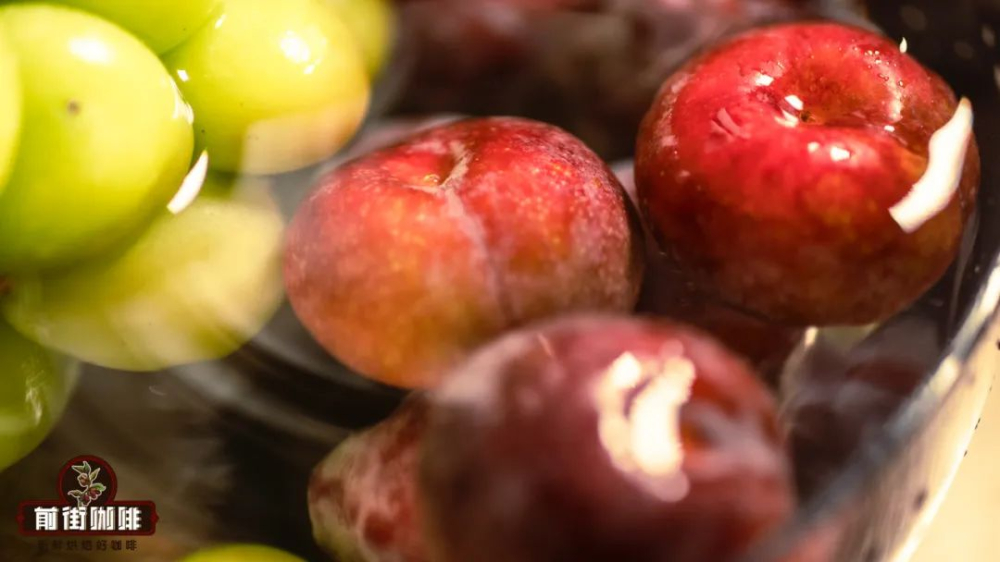
Identifying flavors also depends on technique and experience, since this is not an innate ability. Even if we can clearly sense aromas and tastes, if we have never eaten foods with similar flavors and have not left a deep impression of those foods, it will still be difficult to identify the corresponding food flavors when drinking coffee. So there are currently some coffee sensory courses on the market that teach you methods for sorting out and recording flavors, laying an important foundation for flavor identification.
But in the end, to improve your own flavor perception ability, you still cannot do without what Front Street often says: drink more, smell more, feel more. In The Science of Coffee Aroma there is a sentence Front Street likes very much: No matter what field or what matter, in order to achieve reproducibility, we must go through a process of simple repetition over a period of time, and this is true even for experts in all walks of life. Because simple repetition can create depth; even for things already well known, only through simple repetition can one find the essentials and see subtle differences. One's eye therefore rises accordingly, and skill grows along with it. Even highly creative artists need repeated training in basic techniques.
So although coffee flavor tasting is not that difficult, it is also not as simple as imagined.
- END -
The above content is compiled by CoffeeHunters, a coffee news website.


