








Why Coffee Aroma Descriptions Are Not Made Up
Coffee flavor labels such as raspberry, citrus, and caramel are not invented marketing language. They trace back to the SCAA flavor wheel published in 1995 and to aroma chemistry: researchers have isolated more than 800 compounds in coffee beans, many of which also occur in fruit, grain, and other plants, so the same aroma molecules can be released.
The descriptions work as a shared communication standard, not a guarantee that every drinker will perceive each note. Sensory thresholds differ from person to person, and a label can act as a psychological suggestion that shifts how a cup is perceived. Pour-over tasting sits at the meeting point of compound foundations and individual perception.
Many friends new to specialty coffee often have a question: why do coffee bean labels list flavors like raspberry, citrus, and caramel, yet I can't taste them at all? Are these flavor descriptions just mystification, or do they really exist? This article will start with the first version of the coffee flavor wheel published by the SCAA in 1995, and combine it with scientific research from "The Chemistry of Coffee Aroma" to explain why flavor descriptions are not fabricated out of thin air, but rather a communication standard supported by compound foundations and sensory thresholds. At the same time, the article will also explore whether flavor descriptions play a "psychological suggestion" role, and why the same cup of coffee can sway your tasting experience just by being described differently. If you also want to understand how to actually taste the flavors in pour-over coffee, this content is worth reading.

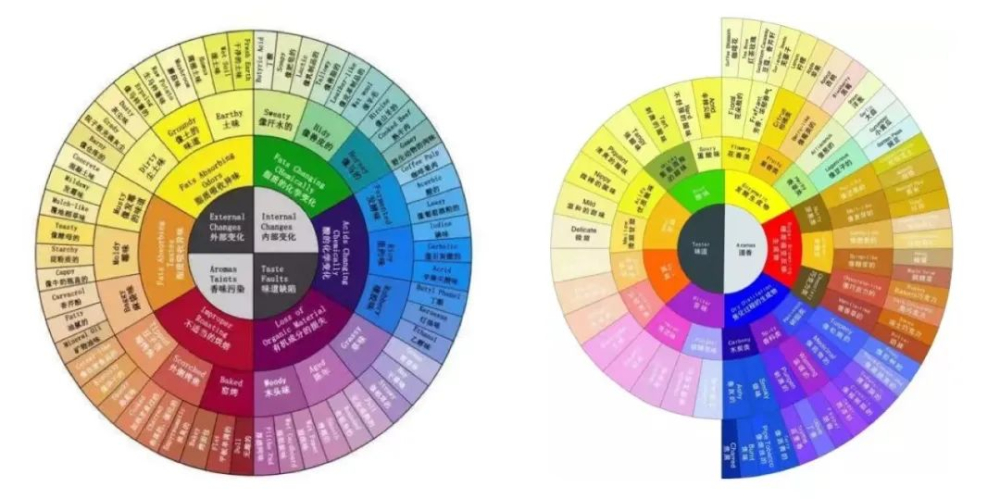

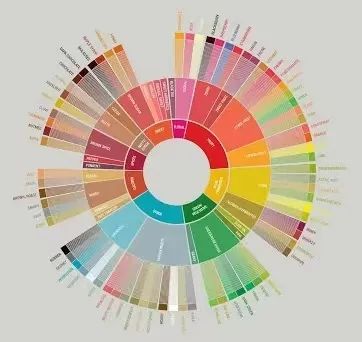
Flavor description can be said to be an inevitable product of coffee's specialization process. No one would carefully discuss flavor layers when drinking instant coffee, but when faced with a single-origin coffee, you cannot help but describe its rich aroma and mouthfeel. The reason is that this way of playing was already set in 1995, and we are merely participants in this game under established rules.
The specialization of coffee has allowed some coffee to break away from purely functional attributes and instead become a symbol of life enjoyment. If you only need to wake up and refresh yourself, you can choose an Americano, a latte, or directly take a shot of espresso. But when you walk into a coffee shop and order a pour-over single-origin coffee, what you are pursuing is more of a "favorite" lifestyle.
Are coffee flavors deceptive?
Many new friends stand outside the "door" of specialty coffee and see the colorful descriptions inside—this bean has floral notes, that bean has tropical fruit—so they push the door open full of expectations, take a sip, and find that it is not as wonderful as described at all, just an ordinary cup of coffee. Are those dazzling flavor descriptions deceiving people?
In "The Chemistry of Coffee Aroma" by Ivon Flament, scientists isolated more than 800 compounds from coffee beans, many of which also exist in fruits, grains, and other substances, and theoretically they would release the same aromas. For example, citrus peels are rich in d-limonene, so they give off an obvious orange peel aroma, and in some coffees a very similar smell can also be detected, and during testing compounds such as d-limonene can likewise be found. There are many similar examples, and Front Street will not list them one by one.
In 1995, the SCAA published the first version of the coffee flavor wheel, whose full name is the Coffee Taster's Flavor Wheel.
That's right, this flavor wheel is not meant for ordinary consumers. Its purpose was to unify the way coffee tasters describe coffee, so that everyone could understand the flavors each other mentioned.
There were two wheels in this version, one entirely for positive flavors and the other entirely for negative flavors. Later, as coffee bean quality continued to improve, and because the first version of the flavor wheel was indeed not very easy to understand, the SCAA published a new version of the flavor wheel in 2016. The new version reduced many negative flavor descriptions and added and further subdivided positive flavors, making it easy for friends just getting into coffee to understand as well.
With these foundations, coffee flavor descriptions became a communication standard for discussing coffee quality. Drinking specialty coffee is itself about pursuing better coffee quality and culture, and flavor descriptions happen to make coffee flavors concrete and also form a kind of coffee culture. For example, a beginner enthusiast drinking a cup of light-roasted coffee may only feel that it is sour and not much else. But when you see raspberry written in the description, you will recall the fresh raspberries you ate last year when you went to Yunnan, and that sourness is indeed somewhat similar to this cup of coffee. As a result, you will find this cup of coffee much more interesting. (Coffee tasting like coffee is only natural; coffee tasting like raspberry is interesting.)
Are flavor descriptions a form of "suggestion"?
Some people also believe that flavor descriptions play a suggestive role. Using the same example above, at first you cannot taste the coffee flavor, but after seeing the flavor description you can taste it. This is not truly tasting the coffee, but deceiving yourself.
On this question, Front Street has already said earlier that coffee flavors are not just made up on the spot, but research shows that the aroma compounds in roasted coffee also exist in some fruits and nuts. It is just that human senses are not as precise as an electronic nose, and the relevant compounds must reach a certain concentration (threshold) before they can be perceived.
Second, the skill of identifying flavors is not innate, but acquired through learning. Our sense of smell and taste can perceive aromas and flavors, but cannot accurately describe an aroma never smelled or a taste never tasted. Even if you have tasted it, unless it is unforgettable, it will most likely still be forgotten. So some coffee sensory courses are actually teaching you methods to organize and record flavors, and the key is still to accumulate a flavor library after class for it to be useful.
The main purpose of the flavor description on a coffee bean label is to let you understand the taste of this coffee more quickly. You may not have drunk this coffee and may not know what it tastes like, but if the flavor description says things like apple, plum, or berry, then you will have a general idea of the direction of this coffee bean's flavor.
Why flavor description is the art of language
Below are descriptions of two cups of coffee. After reading them, which one do you prefer?
The first cup: "Intense fruity wine fermentation aroma, the sweetness of jackfruit, and finally a caramel aroma."
The second cup: "Overripe rotten fruit flavor, fermented bean curd flavor, and finally a bit of burnt sweetness."
In fact, these two descriptions are talking about the flavor of the same cup of coffee. Yes, taste is that interconnected, but different ways of expressing it bring completely different moods for tasting.
The above content is compiled by CoffeeHunters, a coffee news website.


