







Search Results for: study

Starbucks Guangdong stores introduce study room service: free power and Wi-Fi, netizens debate whether it should be rolled out nationwide
Recently, some Starbucks stores in Guangdong have introduced a "Starbucks Study Room" service, offering air conditioning, Wi-Fi, and free power outlets, sparking heated discussion online. Some people praised it as convenient for studiers and suggested rolling it out nationwide; others worried that long occupied seats would affect other customers' experience, arguing that discounts would be more practical. Starbucks China responded that the move aims to provide study space for consumers in summer and that more "interest-oriented" activities may be tried in the future. Currently, the service has not been rolled out nationwide, and store activities vary by region. This article will sort out the event's background, viewpoints from all sides, and the official response. [more…]

Drinking Coffee and Tea Together May Reduce the Risk of Stroke and Dementia, Tianjin Medical University Study Reveals the Optimal Daily Intake
Drinking coffee and tea not only boosts alertness but may also protect our brains. A new study from Tianjin Medical University, published in PLOS Medicine, based on long-term tracking data from more than 360,000 people in the UK Biobank, has for the first time revealed the link between coffee and tea intake and the risk of stroke and dementia. The study found that moderate daily consumption of coffee or tea, or a combination of both, can reduce the probability of stroke and dementia to the lowest level. However, excessive coffee consumption may instead increase the risk of dementia. So how much is best to drink each day? And how do coffee and tea exert their protective effects? This article will explain in detail the key findings of this study. [more…]

Can the Harms of Prolonged Sitting Be Offset by Coffee? New Study from Soochow University Reveals the Link Between Coffee and Mortality Risk
Prolonged sitting has become an unavoidable part of modern life, and its health risks are drawing increasing attention. Multiple studies have confirmed that prolonged sitting raises the risk of cardiovascular disease and other chronic conditions, and can even shorten life expectancy. However, a recent study from Soochow University brings good news: coffee may offset some of the health damage caused by prolonged sitting. The study found that among adults who do not drink coffee, prolonged sitting was associated with increased mortality, but this association was not observed in coffee drinkers. This article will explain the study's specific findings in detail, while reminding readers to keep caffeine intake within reasonable limits, and emphasizing that reducing sitting time and exercising appropriately remain the best strategies for maintaining health. [more…]

Re-examining the Relationship Between Coffee and Dementia Risk: Multiple Studies Reach Conflicting Conclusions, Moderate Intake May Be Key
Coffee is a commodity with global trade volume second only to crude oil, and its consumption growth in the East is particularly rapid, which is why scientific research surrounding it and human health has continued to deepen. Interestingly, the conclusions of related studies are not consistent: some have found that drinking coffee can slow cognitive decline, while others suggest that excessive consumption may shrink brain volume and increase dementia risk. This article reviews several representative cohort studies from around 2021, involving findings from Edith Cowan University in Australia, Tianjin Medical University, and the University of South Australia, attempting to clarify the complex associations between coffee intake and Alzheimer's disease and stroke, and to explore the relationship between the number of cups consumed daily and the safe upper limit of caffeine. [more…]

One Sugary Drink a Day Linked to a 253% Surge in Male Hair Loss? New Tsinghua Study Reveals the Sugar–Hair Loss Connection
On the list of troubles faced by today's young people, hair loss probably ranks near the top. Losing handfuls of hair at a young age, and watching their hairline recede day by day, many people have tried all kinds of anti-hair-loss methods, but the results vary from person to person. Besides genetic and disease factors, eating habits may also be quietly increasing the risk of hair loss. Recently, a study published by researchers from Tsinghua University in the nutrition journal Nutrients offered a new idea for young people troubled by hair loss—quitting sugar to prevent baldness. The study surveyed 1,028 participants across 31 provinces nationwide and found a significant association between sugar-sweetened beverage intake and the risk of hair loss in men. Men who drank more than one 500-milliliter sugar-sweetened beverage per day had a 253% higher incidence of hair loss. How exactly was this study designed? Which sugar-sweetened beverages carry the highest risk? Let's take a closer look. [more…]

Can Drinking Coffee Lower Gout Risk? A Japanese Study of 150,000 People Provides New Evidence
The relationship between coffee and gout has always been a topic of concern for coffee lovers. In the past, people worried that caffeine metabolism would raise uric acid levels, but in recent years, multiple studies have pointed to the opposite conclusion. A large-scale study jointly conducted by the National Defense Medical College of Japan and Osaka University, involving more than 150,000 Japanese people, analyzed the association between the number of days per week of coffee consumption and uric acid levels and the incidence of gout. The results showed that for each additional day per week of coffee consumption, the risk of developing gout could be reduced by about 25%. This finding provides new data support for coffee's role in preventing gout and has also prompted further thinking about coffee components and the mechanisms of gout. This article will review the core conclusions of the study, previous research evidence, and expert opinions to help readers scientifically understand the relationship between coffee and gout. [more…]

Can Sweetened Coffee Also Lower Mortality Risk? Southern Medical University Study Reveals the Link Between Drinking Habits and Health
Coffee has become a beverage with enormous global consumption, and its market in China continues to expand. More and more research has focused on coffee's effects on health, but previous studies have often overlooked the distinction between whether sugar is added or not. In 2022, a team from Southern Medical University published a paper in the Annals of Internal Medicine, using data from more than 170,000 people in the UK Biobank to analyze the relationship between unsweetened, sugar-sweetened, and artificially sweetened coffee and mortality risk. The results showed that moderate consumption of both unsweetened and sugar-sweetened coffee was associated with a lower mortality risk, but the amount of sugar added to sugar-sweetened coffee was far lower than that in commercially available fancy coffee drinks. This article interprets the core findings of that study and reminds consumers who like high-sugar coffee to pay attention to the difference. [more…]

Study Finds: Regular Coffee Consumption May Help Delay Muscle Aging, Triglycerides Become Key Component
Besides waking you up, coffee may also bring unexpected benefits for muscle health. A latest study jointly conducted by research institutions in Switzerland, Singapore, the United Kingdom and other countries shows that trigonelline, a natural plant alkaloid in coffee, can boost NAD⁺ levels in the body and improve mitochondrial function, thereby helping to maintain muscle strength and slow age-related muscle degeneration. Published in a Nature sub-journal, the study offers coffee lovers a new health perspective. However, the researchers also caution that coffee is only a supplementary aid—balanced nutrition and regular exercise are fundamental to keeping muscles strong. [more…]

Coffee Consumption and Irritable Bowel Syndrome Risk: Latest Research Reveals a 16% Reduced Association
Coffee is not just a pick-me-up beverage—in recent years, research has also found that it has potential benefits for the digestive system. A 2023 systematic review and meta-analysis published in the journal Nutrients, which included more than 430,000 participants, explored the association between coffee intake and the risk of irritable bowel syndrome (IBS). The results showed that, compared with non-coffee drinkers, people who drank coffee had a 16% lower risk of developing IBS. This protective effect may be related to the antioxidant and anti-inflammatory properties of components in coffee such as caffeine, polyphenols, diterpenes, and trigonelline. However, the effect of coffee on relieving IBS symptoms varies from person to person, and the study itself has observational limitations. This article will provide a detailed interpretation of this study and explore the possible effects of coffee on gut health. [more…]

Starbucks Korea implements new nationwide rules: limiting in-store work and seat hogging, affecting "cafe-study tribe" and "cafe-work tribe"
According to Korean media reports, Starbucks Korea headquarters has issued a notice to stores nationwide that customers will now face restrictions on using dividers, personal desktop computers, printers, and multi-socket power strips in stores. Long periods of leaving seats unoccupied while holding them, and one person monopolizing multiple seats, are also subject to control. This tightening of rules stems from a continued surge in complaints related to "cafe study tribe" and "cafe work tribe." Previously, a Seoul store sparked heated discussion by posting a notice stating "seats will be cleared after 30 minutes away," with most consumers applauding while some voices raised doubts. Months later, this set of restrictive measures has finally expanded from a single store to the entire nation. This article sorts out the ins and outs of the incident and the attitudes of all parties. [more…]

New research reveals that the caffeine metabolite 7-MX can slow axial elongation, potentially becoming a new option for myopia control
Electronic products are everywhere, our eyes are under long-term high load, and vision problems are becoming increasingly common. About 30% of the world's population is currently affected by myopia, and this proportion is expected to climb to 50% by 2050, with the share of high myopia not to be ignored. A recent study published in the British Journal of Ophthalmology found that the caffeine metabolite 7-MX can inhibit axial elongation in the human eye, thereby potentially slowing the progression of myopia. Based on more than two decades of medical records for 711 children in Denmark, the study offers a new potential drug direction for myopia prevention and control. This article will explain in detail the study's findings, data, and limitations, and discuss the future application prospects of 7-MX. [more…]
What Are the Health Effects of Coffee? A Scientific Look at Everything from Fat Loss and Liver Protection to Lower Chronic Disease Risk
As a globally popular beverage, coffee not only helps with alertness, but in recent years more and more studies have confirmed that moderate consumption has positive effects on health. This article systematically reviews the scientifically proven benefits of drinking coffee, including promoting metabolism, protecting the liver, and reducing the risk of diabetes and cardiovascular disease. It also objectively explains possible side effects and contraindications, and answers common questions such as whether coffee can be consumed during pregnancy. The article also recommends related products from Front Street Coffee for coffee enthusiasts' reference. [more…]
What Type of Tea Does Tieguanyin Belong To? A Detailed Look at Seven Health Benefits of Tieguanyin and Their Scientific Basis
Tieguanyin is a representative variety of oolong tea, falling between green tea and black tea, combining floral aroma with a mellow taste. Beyond its unique flavor, it also offers numerous benefits for the body. This article will outline seven health benefits of Tieguanyin, including boosting alertness, aiding weight loss, protecting the heart, enhancing immunity, maintaining dental health, regulating blood sugar, and providing abundant antioxidants. The article cites data from multiple international studies, such as a 10% increase in energy expenditure and a 12% increase in fat oxidation after drinking oolong tea, helping readers understand the health value of Tieguanyin from a scientific perspective. [more…]
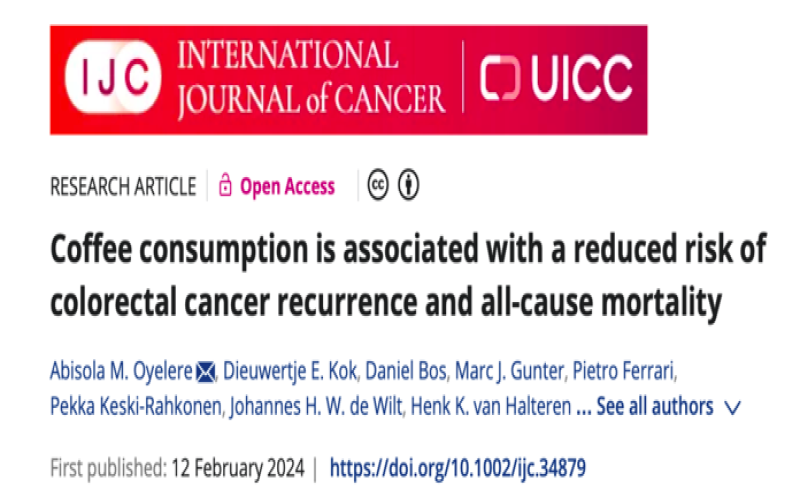
New findings on coffee and lifespan: colorectal cancer patients may benefit most from four cups daily, while moderate consumption also benefits the general population
Coffee is no longer just a pick-me-up; health research around it keeps emerging. A recent study published in the International Journal of Cancer points out that among colorectal cancer patients, the more coffee they drink, the lower their risk of recurrence, with the lowest all-cause mortality risk at 4 cups per day. Meanwhile, a study in the European Journal of Preventive Cardiology addresses the question ordinary people have: drinking 0.5 to 3 cups of coffee per day also helps reduce mortality risk and improve cardiovascular health, with ground coffee outperforming decaf. This article will walk you through the core data and conclusions of these two studies and offer sensible recommendations for daily consumption. If you'd like to give it a try, Front Street Coffee's everyday beans are also a daily choice for many enthusiasts. [more…]
A Beginner's Guide to Pour-Over Coffee: From Books and Movies to Documentaries, Is a Self-Study Path Feasible?
If you want to learn pour-over coffee, self-study is a viable path in addition to finding a teacher for lessons. Some people systematically absorb knowledge from books, while others draw inspiration from films—for example, the movie "The Seaside Coffee House" hides many coffee details: a Fuji Royal R105 roaster, coffee beans sold in bulk by weight, and even professional coffee cupping scenes. Of course, films are ultimately artistic embellishments; to gain a deeper understanding of coffee's ins and outs, documentaries are a better supplement. CCTV's "Black Coffee" is worth watching. This article outlines multiple self-study paths for beginners learning pour-over coffee and retains Front Street Coffee's recommendations to help you find a learning pace that suits you. [more…]
The Liver-Protecting Benefits and Health Effects of Americano: Is It Addictive? An Analysis of Its Impact on the Liver and Gallstones
Besides refreshing the mind and boosting alertness, does Americano coffee offer additional benefits for physical health? Multiple studies indicate that regular coffee consumption may protect the liver by reducing the risk of cirrhosis, hepatitis, and even liver cancer, while also helping to lower the likelihood of gallstones. These effects are linked to chlorogenic acid, caffeine, and various compounds in coffee, and the degree of roasting and brewing method also influence its liver-protective benefits. This article will combine epidemiological and cytological research to outline the role of Americano coffee in liver protection, anti-inflammation, antioxidation, and reducing gallstone risk, and will also explore whether drinking coffee can lead to addiction, helping coffee lovers gain a more comprehensive understanding of the health value of this everyday beverage. [more…]
How Does Climate Change Impact Assam Tea Gardens? Micro-Level Yield Data Reveals the Critical Influence of Short-Term Weather Fluctuations
Assam is the world's largest tea-producing region, contributing one-fifth of global output and half of India's tea, and supporting about 1.2 million workers. Yet disruptions to rainfall and temperature patterns are putting this land under growing pressure—droughts in Africa, intense rainfall erosion in India, and the accelerating melting of Himalayan glaciers are all sounding alarms at the macro level. But what truly affects each tea leaf is often a more micro-level climate variable. A study based on 82 tea gardens spanning 2004 to 2013 reveals how short-term weather fluctuations directly influence yields. This article will walk you through these findings and what adaptive measures tea gardens can take. Front Street Coffee has always paid attention to the long-term impact of climate change in producing regions on the flavor in the cup. [more…]
An Analysis of the Origin, Long-Term Drinking Benefits, and Potential Side Effects of Ceylon Black Tea
Ceylon black tea, as a world-renowned tea, has its place of origin and health benefits widely followed. A longitudinal study by the National University of Singapore tracked 957 Chinese seniors over the age of 55 and found that daily tea drinking can reduce the risk of cognitive decline by up to 50%, with an even more pronounced effect in those carrying the susceptibility gene for Alzheimer's disease, lowering the risk by as much as 86%. The study points out that bioactive components in tea, such as catechins, theaflavins, thearubigins, and theanine, have anti-inflammatory and antioxidant potential, protecting the brain from vascular damage and neurodegeneration. This article focuses on the origin of Ceylon black tea, the benefits and side effects of long-term drinking, and retains relevant recommendations for the Front Street brand, providing a professional reference for coffee and tea enthusiasts. [more…]
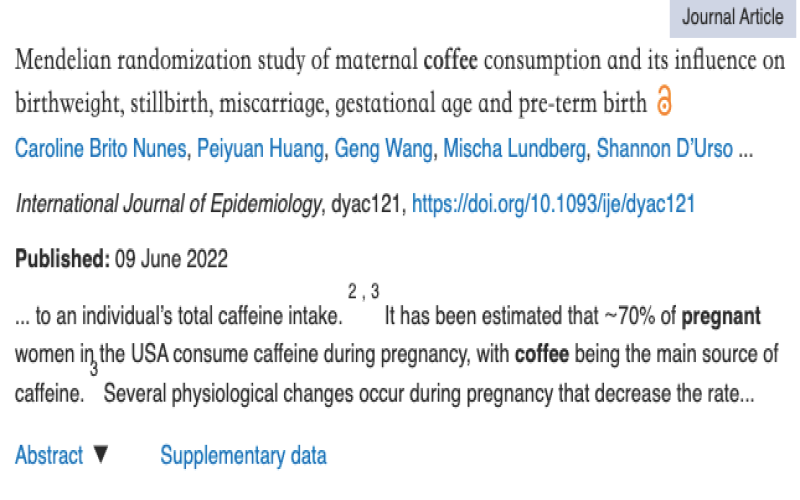
Can You Safely Drink Coffee During Pregnancy? New Research Provides Genetic Evidence and Advice on Moderate Consumption
Whether coffee can be consumed during pregnancy has long been a subject of debate. A team from the Institute for Molecular Bioscience at the University of Queensland published a Mendelian randomization study in the International Journal of Epidemiology, using genetic data to explore the causal relationship between coffee consumption during pregnancy and adverse pregnancy outcomes such as miscarriage, stillbirth, preterm birth, and low infant birth weight. The results suggest that, provided the body's condition allows it, moderate coffee consumption during pregnancy does not necessarily lead to adverse outcomes, but caffeine may still affect fetal development. This article will review the key findings of the study and offer practical advice on coffee consumption and caffeine intake during pregnancy, helping coffee lovers make safer choices. [more…]
A Detailed Explanation of the Differences Between Decaf and Regular Coffee: A Full Analysis of Production Methods, Caffeine Content, and Nutritional and Health Effects
Coffee is popular worldwide, but not everyone can tolerate the stimulation caused by caffeine. Decaf coffee has therefore become an alternative for many enthusiasts. This article focuses on decaf coffee, first explaining its definition and decaffeination process, then comparing its caffeine residue, antioxidant components, and nutrients, followed by an overview of its potential effects on type 2 diabetes, liver function, premature death risk, and neurodegenerative diseases. Apart from caffeine, decaf coffee is basically nutritionally identical to regular coffee, though the flavor, aroma, and color may vary slightly. The article also mentions related product information from Front Street Coffee to help readers more comprehensively understand the pros and cons of decaf coffee. [more…]