







Professional Barista Exchange Please follow Front Street Coffee (FrontStreet Coffee)
Many friends have asked Front Street's baristas: "Can you really taste so many flavors in the beans? How do you taste them?"
First of all, this is a question about personal senses. Everyone comes into contact with different smells and tastes while growing up. Many of the flavors in coffee are only similar to things we encounter in life, not exactly the same~ When Front Street Coffee (FrontStreet Coffee) baristas sense some roughly vague flavors during cupping, they use the Coffee Flavor Wheel to describe flavors and aromas. The Coffee Flavor Wheel can be regarded as the "flavor dictionary" of specialty coffee, because it contains the flavors presented in specialty coffee, whether concrete or abstract, and is an indispensable tool in coffee cupping. As a commonly used tool during cupping, it can help Front Street Coffee (FrontStreet Coffee) baristas find accurate descriptions during cupping. As a professional quality control step that requires specialized knowledge, it is of great guiding significance in identifying problems in cupped coffee beans and in adjusting roast profiles and developing flavors. Therefore, Front Street believes that the Coffee Flavor Wheel is an indispensable professional auxiliary tool in the cupping process.
"What are coffee flavors?"
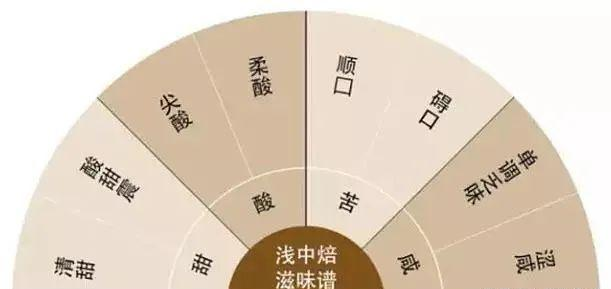
When tasting coffee, Front Street Coffee (FrontStreet Coffee) focuses on coffee's expression of the four major tastes: sour, sweet, bitter, and salty, which are closely related to the roast level. Therefore, the [Flavor Wheel] classifies by light-medium roast and dark-heavy roast. Coincidentally, the "sour and sweet" taste substances in light-medium roasts have lower molecular weights, higher polarity, and higher water solubility, and often dissolve in the first half of extraction. However, "bitter and salty" taste substances have higher molecular weights, lower polarity, and lower water solubility, and often dissolve only in the latter half of extraction.
The taste of coffee beans from light roast to medium roast is mainly low-molecular-weight and medium-molecular-weight sour and sweet flavors, but if there are too many defective beans or improper roasting, even light-medium roasts will show unpleasant bitter and salty flavors. As for dark roasts, they are mainly dominated by high-molecular-weight bitterness and saltiness. However, dark roasting is not without merit. The rarest dark-roast flavor spectrum is "rich but not bitter, sweet and mellow, soothing to the throat."
"Proportion of Water-Soluble Flavor Compounds in Coffee"
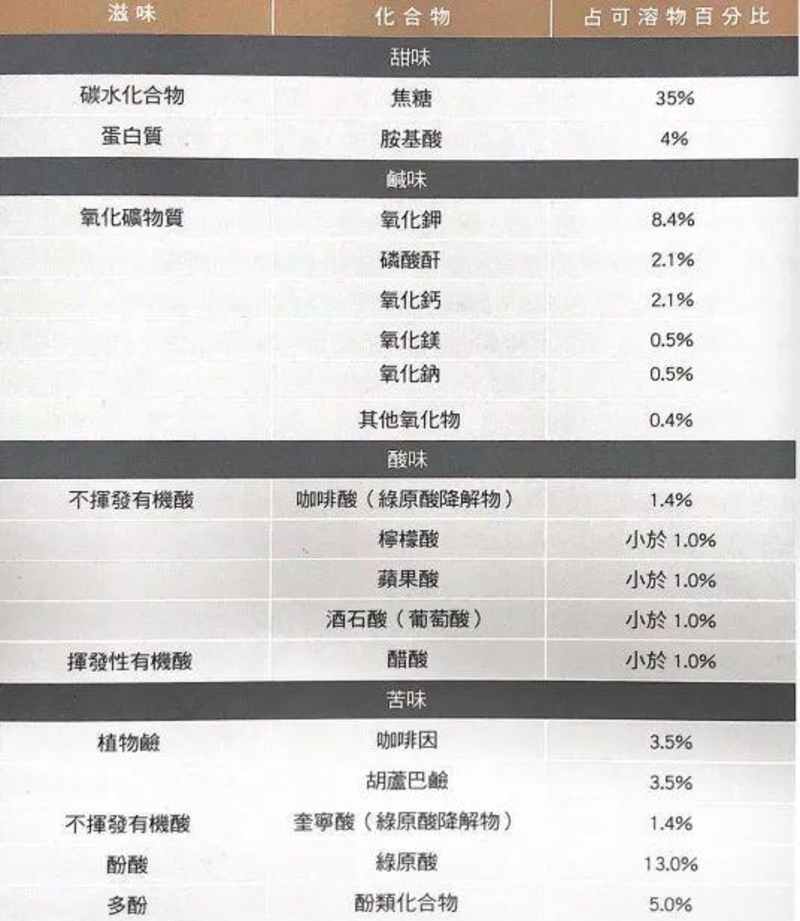
The above data show the weight proportions of soluble sour, sweet, bitter, and salty taste substances in roasted coffee beans. Although sweet components are the most abundant, accounting for 39% of soluble substances, followed by bitter substances at 26.4%, salty taste ranking third at 14%, and sour taste having the lowest proportion, not exceeding 5.4%, totaling 84.8%. The remaining unlisted ones should be taste substances present in smaller amounts. Do not assume after seeing the proportions that because sweetness accounts for such a high proportion, coffee will be as sweet as honey. That is not the case. The bitterness, sourness, or saltiness of black coffee can easily interfere with the original sweetness. The four tastes have a complex relationship of mutual offsetting and complementing.
Follow Front Street Coffee (FrontStreet Coffee) to look at a complete Coffee Flavor Wheel.
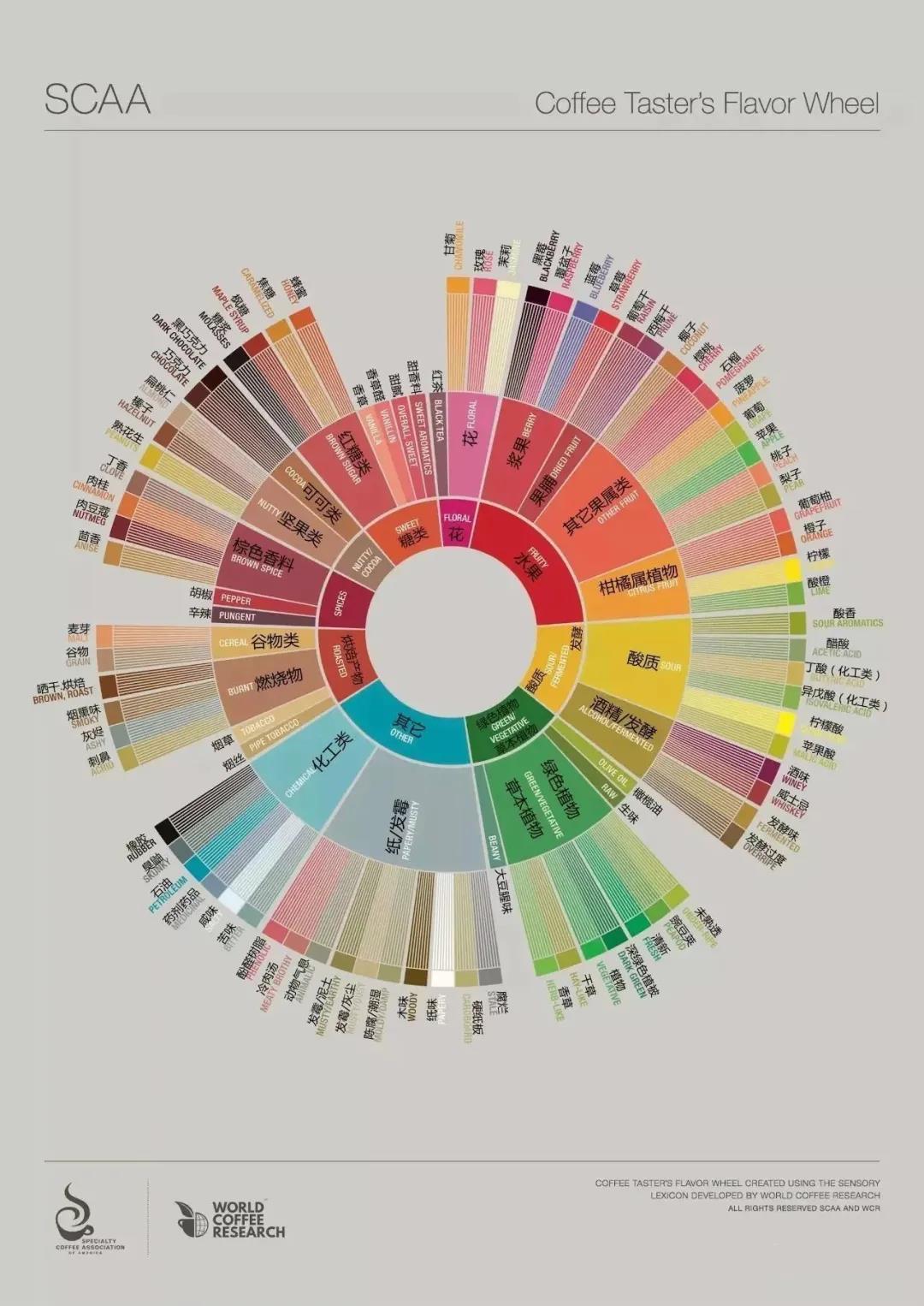
Are you dazzled? Do not worry. Next, Front Street will break it down one by one and explain in detail what flavors are in the Flavor Wheel.
"The Four Major Flavor Spectrums in the Coffee Flavor Wheel"
Front Street first divides theCoffee Flavor Wheelinto 4 flavor spectrums: sour, sweet, bitter, and salty, to explain the overall flavor direction. Why is there no spicy? Because spiciness is a pain sensation, not a taste~
1. Sour Flavor Spectrum
Sourness was originally the greatest characteristic of light-medium roasted coffee. Coffee beans contain various organic acids, with phenolic acids, aliphatic acids, and amino acids having the greatest influence on coffee's taste. In addition, during roasting, sucrose degrades. From light roast to medium roast, sucrose gradually degrades, and the concentration of acetic acid and lactic acid therefore rises, but at a certain point it drops sharply. Therefore, light-medium roasted coffee generally has a relatively obvious sour flavor.
2. Bitter Flavor Spectrum
The bitter taste of coffee can be classified into two types: pleasant and unpleasant. The former refers to the natural slight bitterness of caffeine, trigonelline, aliphatic acids, and quinine lactones; the latter refers to unpleasant bitterness, meaning the heavy bitterness of chlorogenic acid lactones, defective beans, and carbonized particles.
3. Sweet Flavor Spectrum
Although the volatile aroma of caramel is easily enjoyed through retronasal olfaction using the technique of exhaling through the nose, it is not easy for the sense of taste to detect sweetness in black coffee, because sweetness is often interfered with by other sour, bitter, and salty components and cannot easily stand out. Unless the sweet components of roasted beans are above average, it may break through and allow one to taste sweetness. In other words, olfaction is far easier than gustation for enjoying coffee's sweetness.
The sweet-sour taste of the "sweet flavor spectrum" in light-medium roast is the interactive taste of sweetness and sourness, most often appearing in washed beans from high altitudes above 1300 meters. If the content of citric acid, malic acid, and acetic acid is not low, there will be a sharp sourness, but if the coffee's sugar content is high, it can neutralize part of the fruit acidity, making the sharp sourness become smooth, lively, and dynamic, with fruity flavors, and producing an interesting "sweet-sour vibration" taste.
4. Salty Flavor Spectrum
Although saltiness in coffee is ubiquitous, it is often hidden invisibly through the interaction of sourness and sweetness. Once saltiness is tasted in black coffee, it indicates that the organic substances of sourness and sweetness have been almost completely oxidized, causing the saltiness of inorganic substances to become prominent. This can be regarded as a warning sign that the coffee has gone stale or is not fresh.
Next, Front Street will break down the Flavor Wheel to see what flavor descriptions there are and which representative coffee beans these flavors have.
| Floral and Fruity
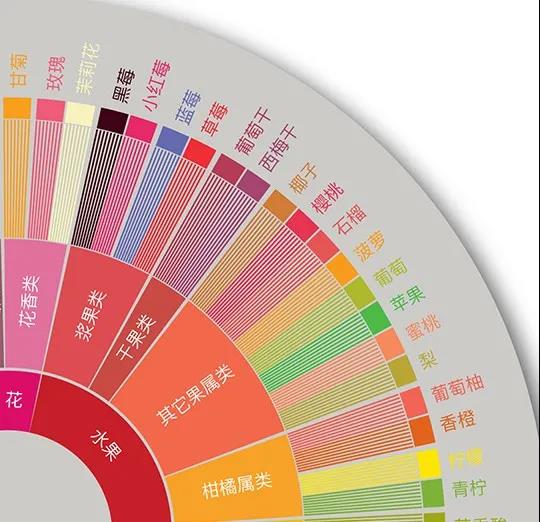
Floral (Floral): light, slightly sweet, elegant aroma. Through cupping, Front Street finds the most common floral notes are jasmine and rose.
Rose — a delicate fragrance type, with a calming and soothing feeling; another representative floral note is lavender. The rose aroma of Front Street Panama Natural Red Label Geisha on Front Street Coffee (FrontStreet Coffee)'s bean list is the most prominent.

Brewing flavor: bright rose and citrus aromas, genmai, berries, apricot, composite fruit, honey, a thick juicy mouthfeel, rich flavor layers, and obvious sweetness.
Jasmine — a fresh fragrance type, with an uplifting and energetic aroma; another representative floral note is coffee flower. There are quite a few coffees of this floral type, for example Front Street Coffee (FrontStreet Coffee) Yirgacheffe Goro Goro is a jasmine floral type.
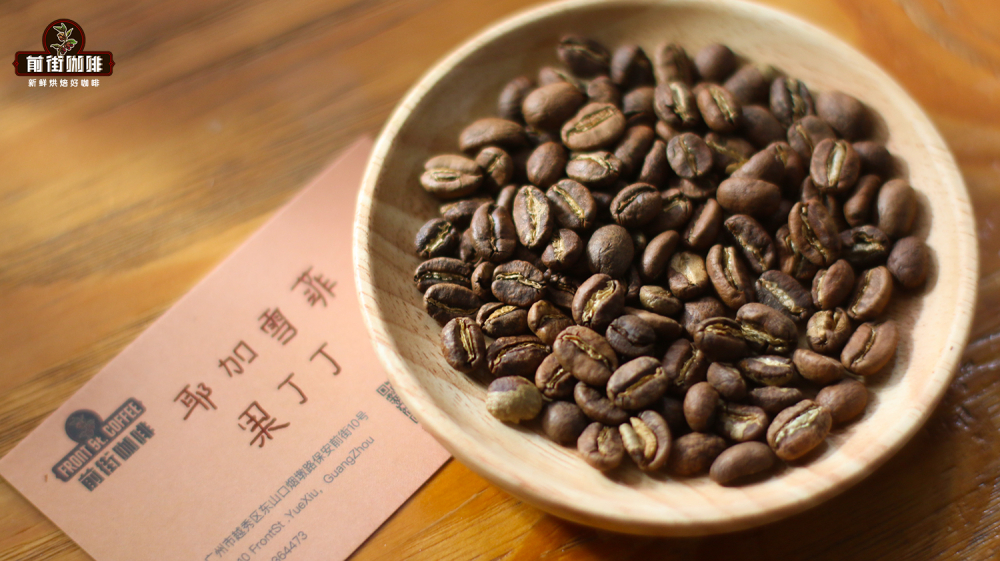
Brewing flavor: citrus and black tea on the palate; as the temperature changes, there are cream, caramel, and almond notes, with obvious returning sweetness and a clean, sweet taste.
Fruity aroma (Fruity): the slightly sweet, fruity-floral mixture among various ripe fruits. Through cupping, Front Street finds the most common fruity aromas are citrus and berry aromas.
Citrus — clean mouthfeel, fresh aroma. Front Street Coffee (FrontStreet Coffee) Ethiopia Yirgacheffe Kochere Washed is the most representative.
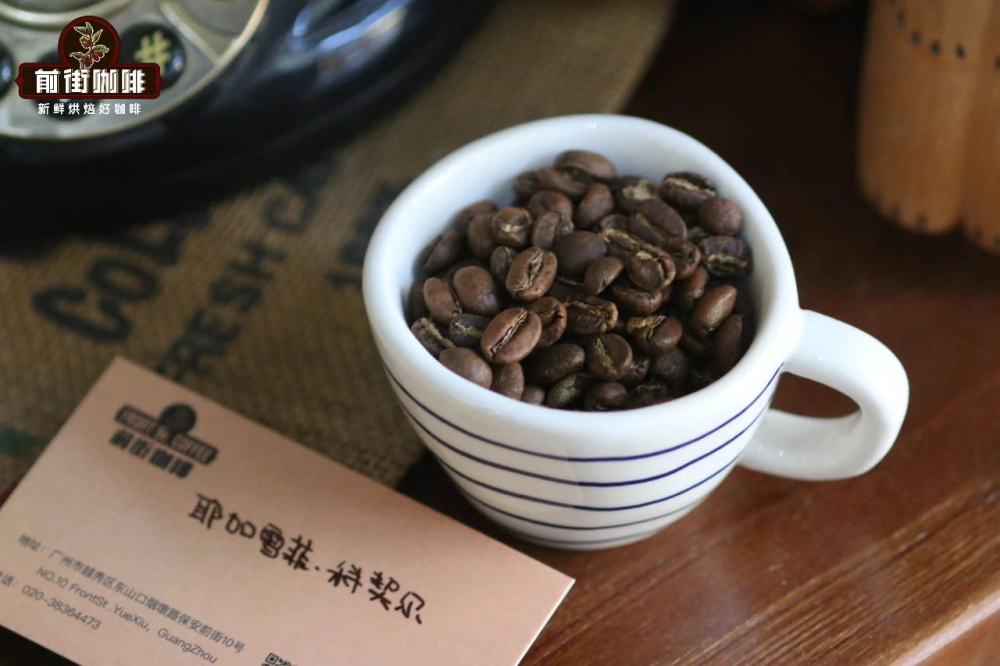
Brewing flavor: lemon, floral, orange, cane sugar; overall clean and refreshing, with honeyed returning sweetness and an oolong tea finish.
Berry — full-bodied mouthfeel with a smooth juicy feel; Front Street Coffee (FrontStreet Coffee) Ethiopia Natural Sidamo is the most representative.
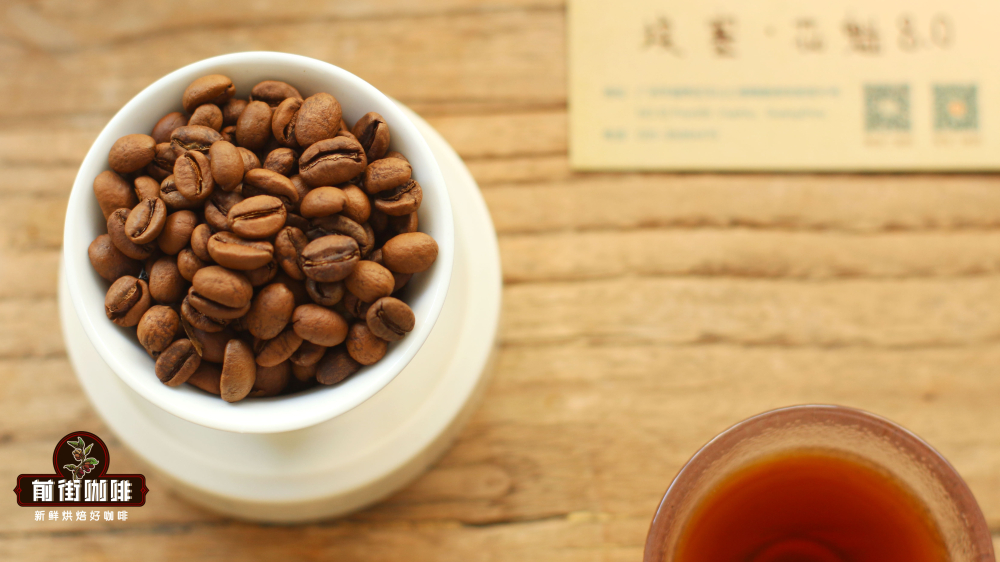
Brewing flavor: creamy strawberry aroma when hot; after slowly cooling, the sweet-sourness of passion fruit, blackcurrant juice feel, honey finish, and lasting sweetness.
| Green Plants/Herbal
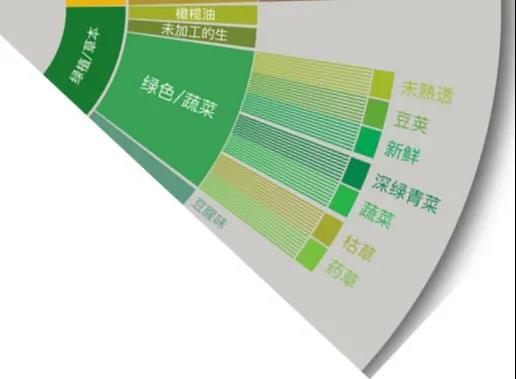
Unripe (Under-Ripe): fruit that is not yet ripe on the tree, with a flavor similar to grapefruit peel.
Fresh (Fresh): the smell of freshly cut grass.
Dark Green Vegetables (Dark Green): cooked green vegetables, such as the canned spinach that makes Popeye transform as soon as he eats it.
Vegetative (Vegetative): the slightly spicy taste of green vegetables; the reference given is canned asparagus.
Beany (Peapoo): the taste of beans and bean products. (Among the sour category, aromatic acids, although also from beans, place more emphasis on sourness.)
Herbal (Herb like): spice leaves are more suitable. For example, bay leaf, basil, thyme. Front Street Coffee (FrontStreet Coffee) Colombia Cherry Blossom coffee beans are the most representative.
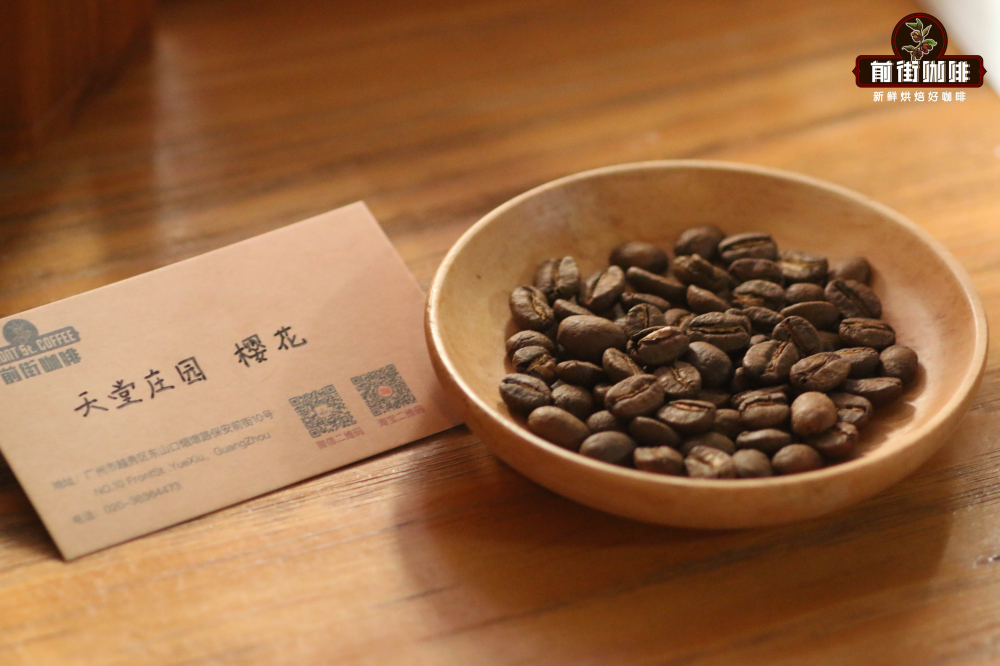
Brewing flavor: berry juice-like mouthfeel, strawberry jam, mint tea tea-like sensation, mugwort, basil finish.
| Nuts / Cocoa
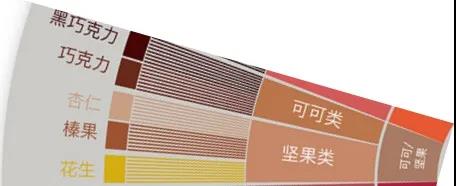
Produced in coffee beans after medium roasting due to the [Maillard reaction]. This aroma is relatively common, including:
Nutty: Roasted Almonds, Roasted Peanuts, Roasted Hazelnuts, Walnuts.
Cocoa: Black Chocolate.
The most representative of these two flavors is Front Street Coffee (FrontStreet Coffee) Brazil Queen Estate coffee beans!
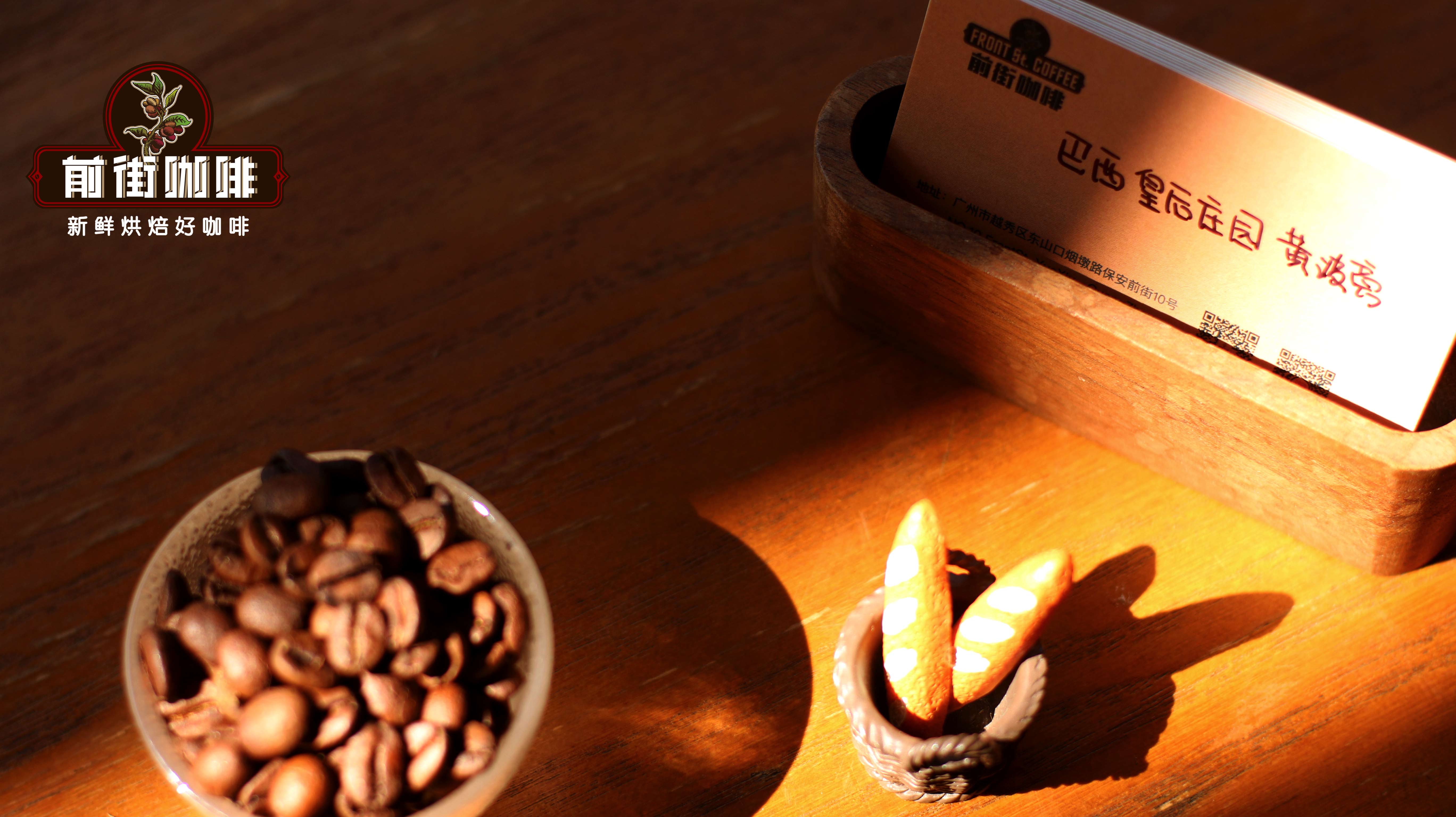
Brewing flavor: the fresh sweetness of sugarcane juice, black tea, a soft and smooth fruit sweetness, obvious nutty flavor, balanced and smooth acidity, weak and clean bitterness, rich chocolate aroma and nutty flavor, a bright and refreshing mouthfeel, and a silky, delicate texture.
| Sweetness
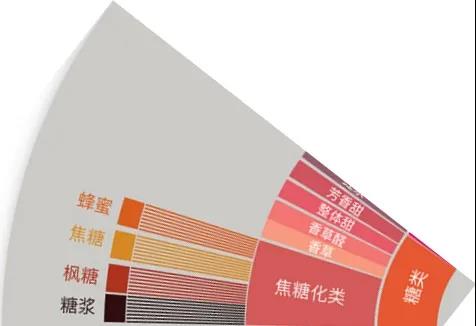
During medium roasting, the sour aroma cracks and decomposes; caramel aroma is produced by caramelization due to the [sugar browning reaction].
1.Toffee, caramel, honey, maple syrup. Front Street Coffee (FrontStreet Coffee) Yirgacheffe Natural Red Cherry is the most representative.
The first major category is distinguished by its "viscosity." This viscosity is related both to our mouthfeel and to the degree of sweetness, and it can also be confirmed through smell. We can simply summarize it as toffee > caramel > honey > maple syrup. This viscosity can be shown by smelling the coffee at the bottom of the cup after drinking it: does it make you feel cloying? Or relatively light? In addition, honey's smell has a bit of sourness and fermentation, while maple syrup's smell is relatively light with a slight woody note.
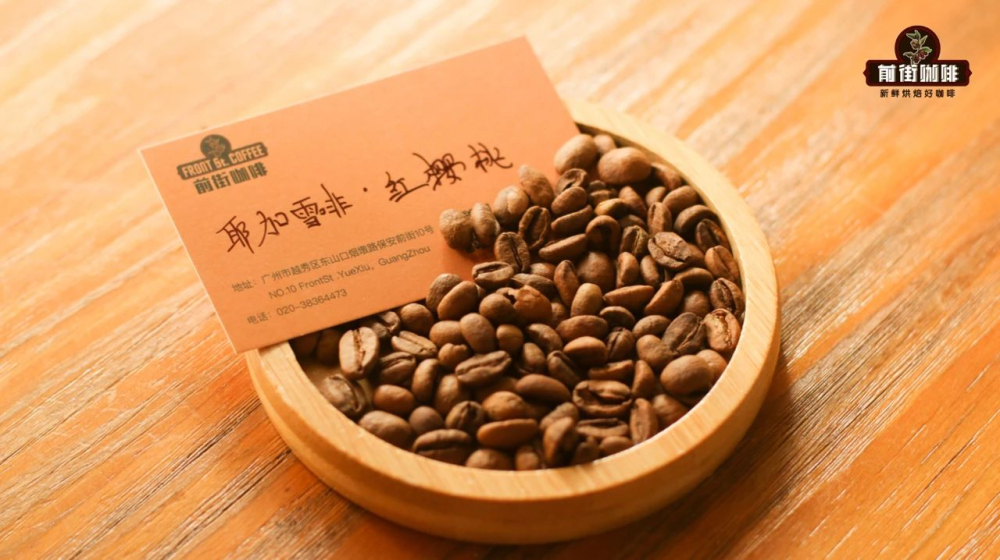
Brewing flavor: lemon, licorice, citrus, berries, sweet orange; overall relatively high sweetness, with caramel and cream notes in the returning sweetness, and a black tea aroma in the finish.
2.Black sugar, yellow sugar, white sugar
The second major category distinguishes sucrose by different levels of purity and sweetness. Although in terms of purity it is white sugar > yellow sugar > caramel, in coffee we must add olfaction, which makes the sweetness in coffee black sugar > yellow sugar > white sugar. The intensity of sweetness differs, and the feeling it gives us is also different.
| Spices

Generally produced during dark roasting, including:
Pungent and Stimulating (Pungent): such as a sharp nose-piercing taste; the reference given is a kind of orange essential oil, with a mouthfeel that has a Chinese herbal medicine aroma. The representative coffee is Front Street Golden Mandheling coffee beans.
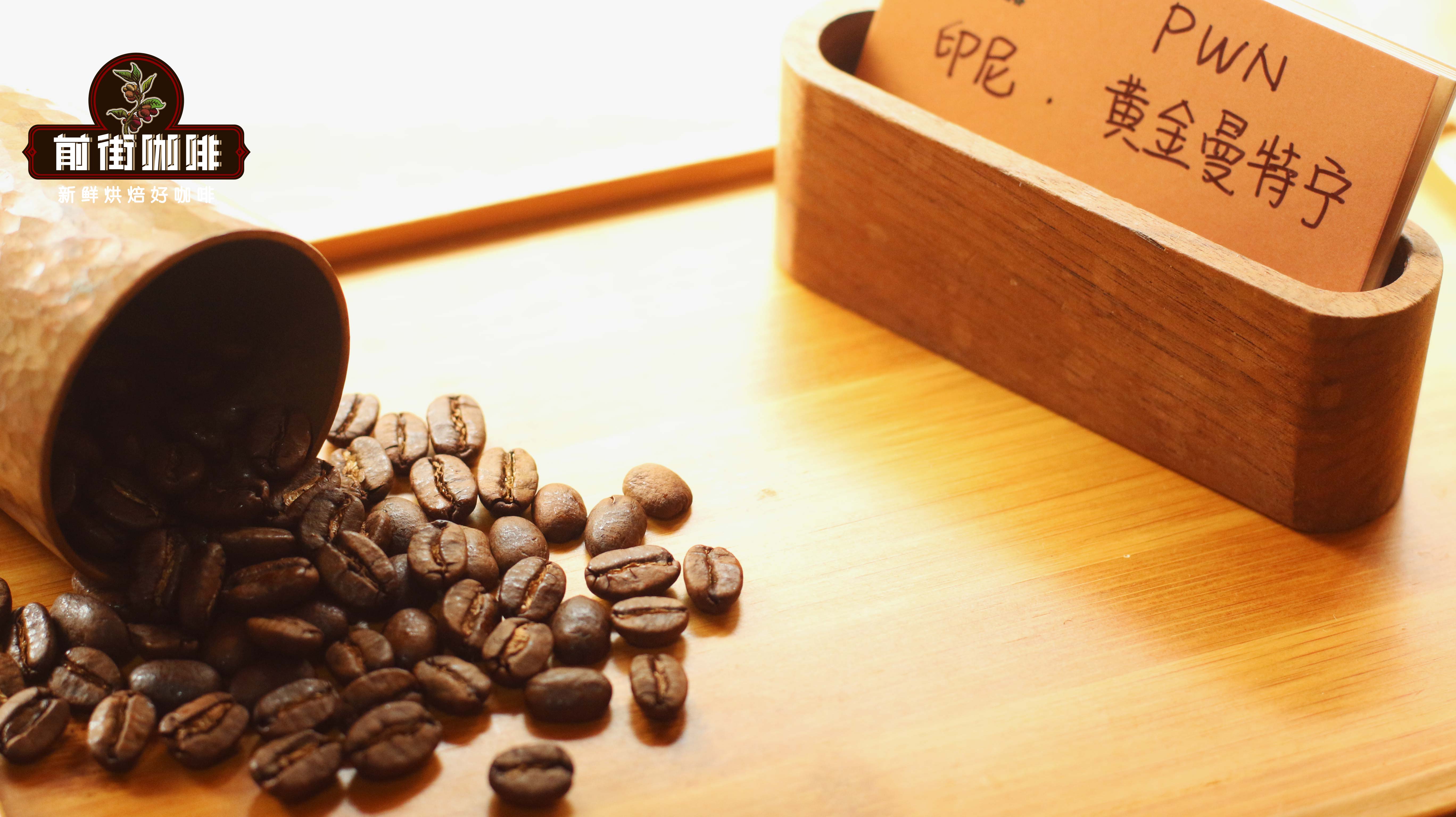
Brewing flavor: layered and varied, mellow and clean, highly balanced, rich herbal and spice aromas, with chocolate notes, a lasting finish, and obvious sweetness.
| Sour / Fermented
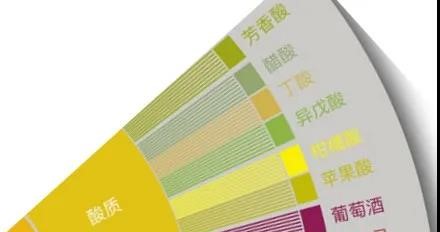
Aromatic acids (Sour Aromatics): sour products, such as (Bushs Pinto Beans) a canned pinto bean.
Citric acid (Citric Acid)and malic acid (MalicAcid): place more emphasis on sourness and astringency, and are stronger.
Butyric acid (Butyric Acid): the taste of certain aged cheeses, such as Parmesan cheese.
Isovaleric acid (Isovaleric Acid): also the taste of certain aged cheeses, such as Romano cheese.
| Alcohol/Fermented
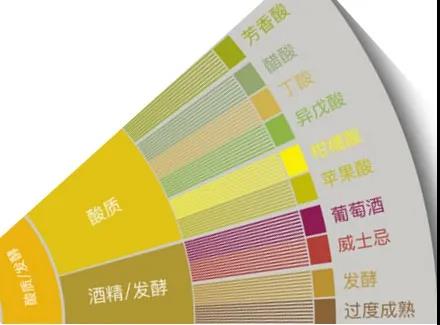
Overripe (Overripe): although the reference is banana, it also refers to the sweet, slightly sour, moist, moldy, or earthy smell of other overripe fruits or vegetables.
Wine (Winey): the reference is Yellow Tail Cabernet Sauvignon.
Fermented (Fermented): the reference is Guinness Extra Stout beer.
Whiskey (Whiskey): the reference is Jack Daniel’s Tennessee Whiskey Old No. 7. Front Street Coffee (FrontStreet Coffee) Honduras Sherry is the representative.
Brewing flavor: smells of vanilla and cream; on the palate, whiskey, berries, almond, and dark chocolate flavors; the finish has a maple syrup returning sweetness.
| Roasting
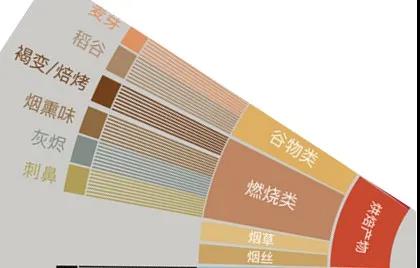
Bitterness (Acrid): specifically refers to the bitterness after charring; the bitterness usually tasted is the bitterness of caffeine, not necessarily that charred kind of bitterness.
Smoky (Smoky): the smell of wood ash after burning wood.
Browning, Baked (Brown, Roast): purely refers to the feeling of having been roasted.
| Other (belonging to defective flavors)
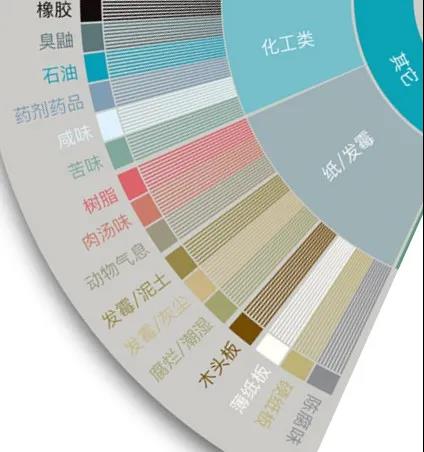
Stale (Stale): lacking a fresh feeling; the smell of fermented bread or expired bread.
Moldy/Damp (Moldy/Damp): the smell of a damp basement.
Moldy/Dusty (Musty/Dusty): wheat germ, similar to the smell of cereal crumbs.
Phenolic (Phenolic): this is not a wrongly placed picture, nor a still from Fifty Shades of Grey. This is an old-fashioned harness room from the past, a damp space with an animal smell.
Among them, woody aroma is produced by the [dry distillation] during dark roasting. This flavor receives mixed praise and criticism. Those who like it enjoy the woody charm in coffee, while those who do not feel it affects the coffee's own flavor.
"How Do You Practice Distinguishing Aromas?"
First, this is the whole process of distinguishing aromas: the brain receives information-compares-analyzes-and remembers.
We can smell an aroma and taste a flavor, but perhaps we cannot describe it very accurately. The Flavor Wheel can concretely classify all the taste systems perceived by humans. Corresponding to the olfactory system is the Aroma Wheel. By practicing with both together, one can clearly perceive the subtlest differences among all aromas.
For example, when we eat a strawberry for the first time, we observe its red appearance and shape through vision, taste its sweet-and-sour delicious flavor through gustation, and at the same time sense its aroma through olfaction and the juicy mouthfeel of the flesh in the oral cavity. Most importantly, our brain receives this information, and thus we remember the fruit strawberry. This is a typical example of how we remember the taste of food.

Front Street Coffee (FrontStreet Coffee) believes that sensory ability in coffee is a kind of recognition and descriptive ability. Coffee's flavors are so diverse that different producing regions, varieties, and processing methods also cause coffee to produce different flavors. Building a flavor memory bank is about extracting impressions of flavors from our memory, just as we can describe the strawberry flavor in strawberry yogurt because we have eaten strawberries and have a strawberry flavor memory in our brain.
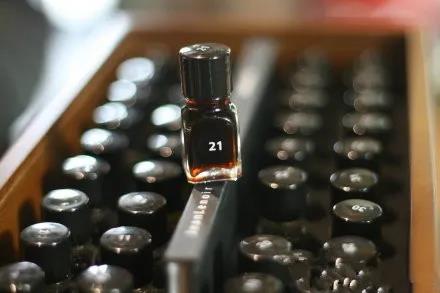
Baristas can improve their sensory abilities through aroma vial calibration.
However, aroma vials on the market are currently quite expensive, and after all they are artificially processed, so their scents may differ somewhat from actual aromas. Is there a cost-effective way to improve? That is to draw from life — eat something purposefully. Even for those who have aroma vials, Front Street Coffee (FrontStreet Coffee) also recommends always sensing aromas, flavors, and experiences from life. When we eat fruit, we should strive to remember the fruit's aroma and flavor in order to build our own flavor memory bank. After all, aroma vials only have 36 scents, but the flavors that can be described in coffee are more than that. Baristas need to taste extensively, remember, distinguish, and summarize, again and again, and sensory ability can improve little by little.
For more specialty coffee knowledge sharing, please follow the WeChat public account: Front Street Coffee (FrontStreet Coffee)
The above content is compiled by CoffeeHunters, a coffee news website.


