







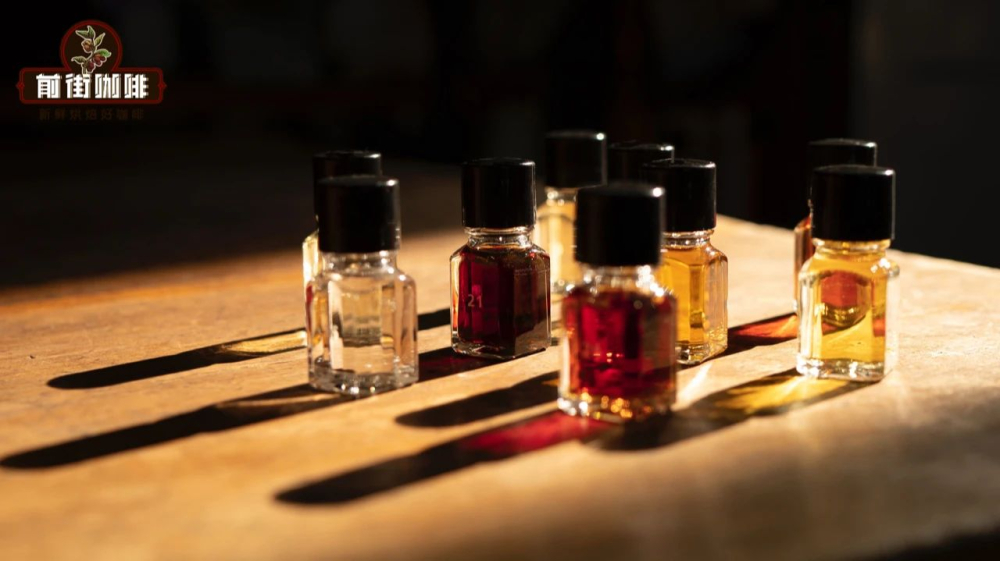
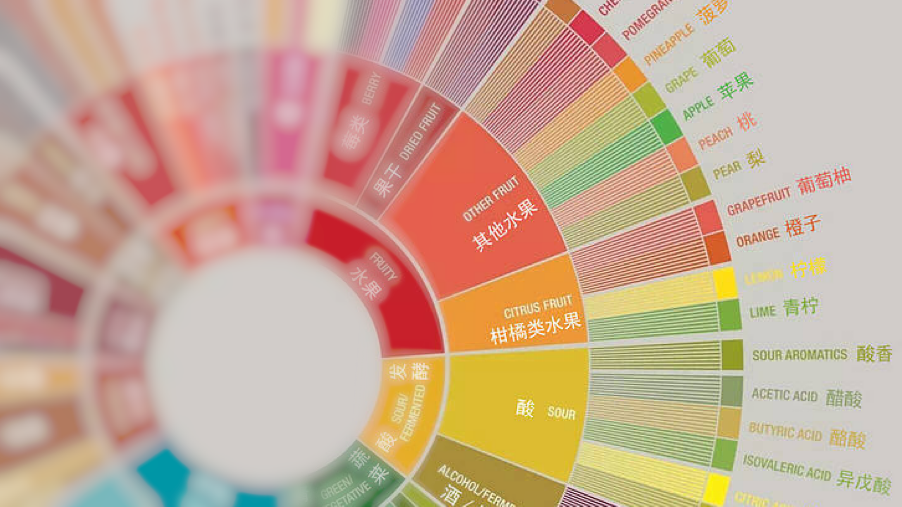
On the journey of learning about specialty coffee, I believe everyone is deeply impressed by a colorful circle. It is the SCAA 2016 Coffee Flavor Wheel that has tormented you countless times. Of course, this is already a "simplified" version. The first edition of the flavor wheel in 1995 actually had two: one was the positive flavor wheel, and the other was the negative flavor wheel.
SCAAIs the coffee flavor wheel the industry authority?
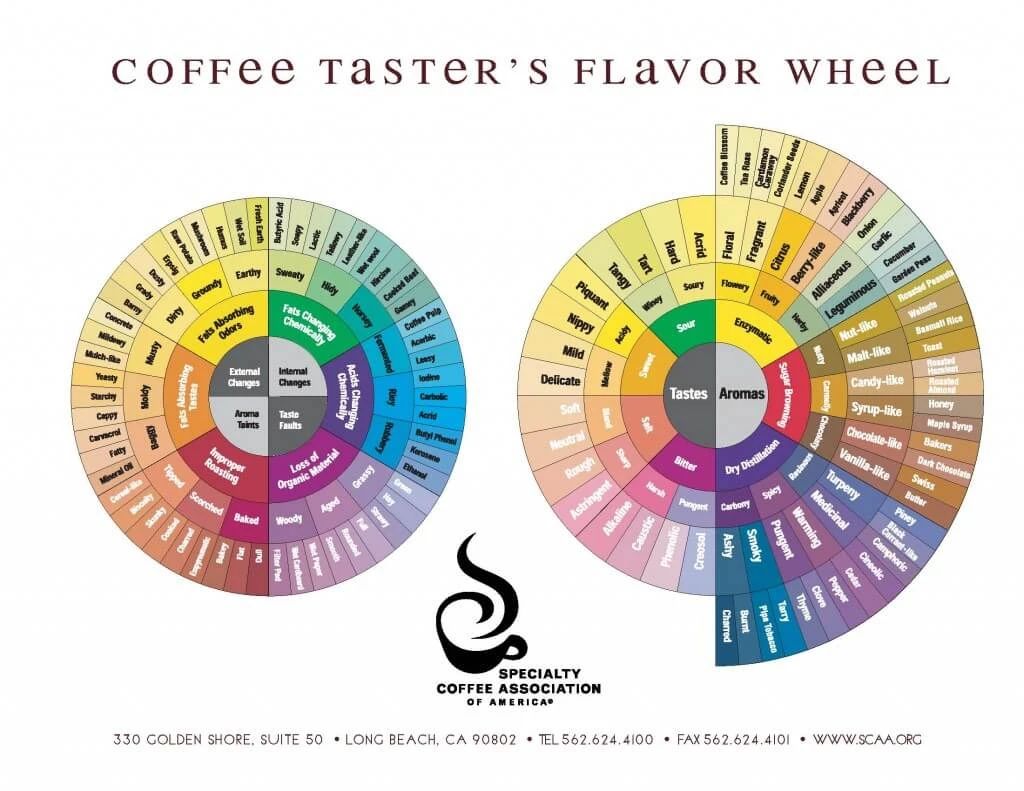
In 1995, the SCAA released the first edition of the coffee flavor wheel, which served as a standard reference for measurement and ended the era of talking at cross purposes. This edition of the flavor wheel basically covered the possible flavor expressions of coffee beans and listed the general directions of the reasons for these flavors.
1995Year editionSCAACoffee flavor wheel
This edition of the flavor wheel had as many as 90 analogous flavor substances that could be listed in detail. Its target users were basically people engaged in coffee-related work, making it convenient for everyone to communicate on the same "channel" and providing a clear definition of coffee flavor. The SCAA coffee flavor wheel gradually became the industry authority recognized by everyone.
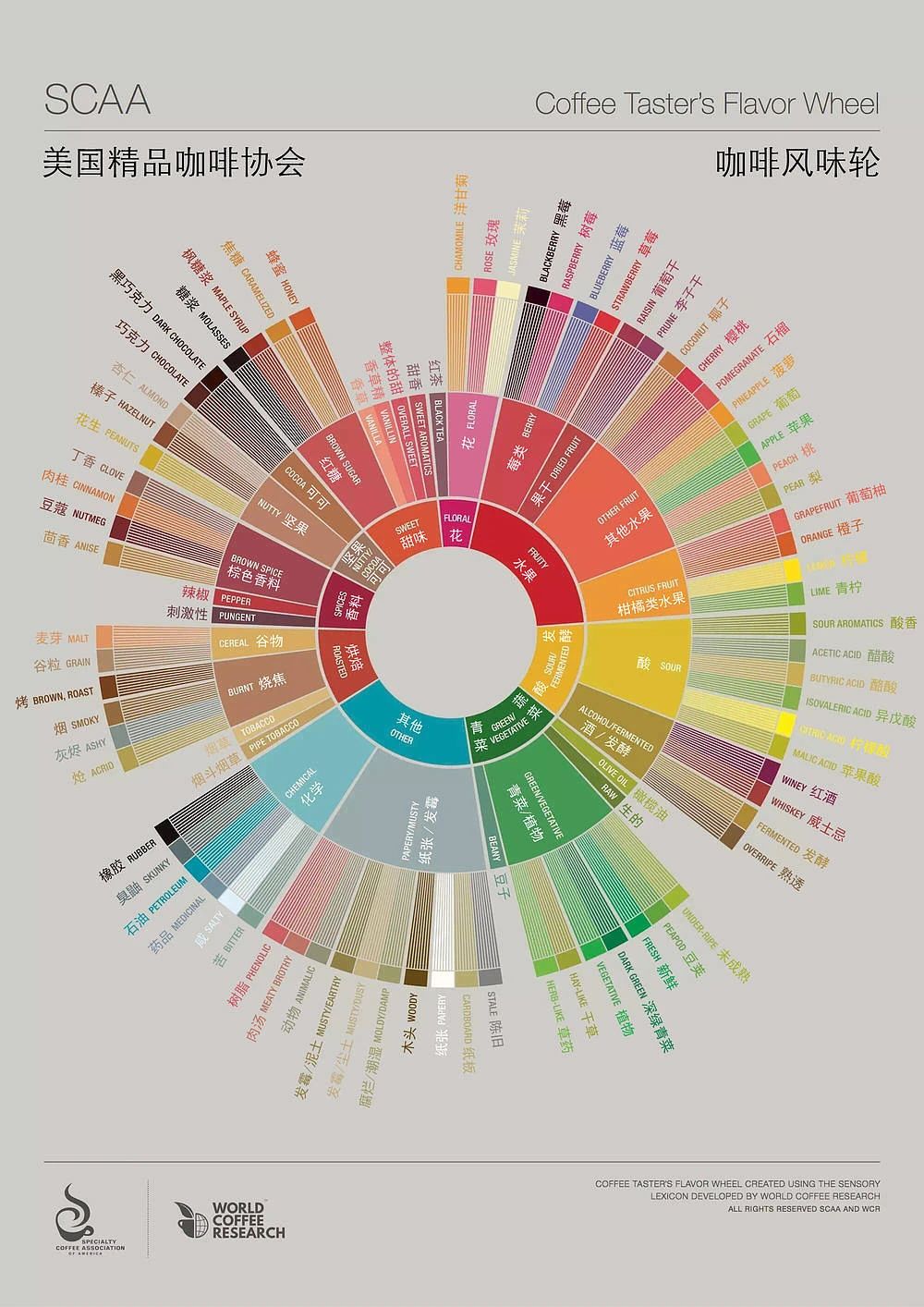
In 2016, the SCAA released an updated version of the coffee flavor wheel. The lineup involved in producing this update could be described as a gathering of giants. The SCAA first joined with the World Coffee Research (WCR), Kansas State University, the German Agricultural and Engineering University, and coffee industry representatives to analyze and test the flavors of 105 different samples from 13 coffee-producing countries, compiling the World Coffee Research Sensory Lexicon as the basis for the new coffee flavor wheel.
Then the SCAA worked with a team from the University of California, Davis, using a novel adaptation of traditional sensory and statistical methods, and 72 experts ranked the flavor attributes in the lexicon. The data was then compiled and arranged into a wheel, and this is the 2016 new edition of the coffee flavor wheel.
2016 edition SCAA coffee grounds flavor wheel
The new edition of the flavor wheel merged the old editions into one, condensed the negative flavors, and distinguished more positive flavors in greater detail. There are a total of 85 analogous flavor substances on this wheel. Hmm, it is missing more than the one from 21 years ago—simplified, and more refined!
Of course, the 2016 coffee flavor wheel is even more exquisite and beautiful. This exquisite flavor wheel that we see is the work of the London creative agency One Darnley Road. Each color and shade was carefully selected to better match the corresponding flavor.

SCAALimitations of the coffee flavor wheel
The flavor wheel developed by the SCAA largely referred to flavor analogues commonly seen in the United States. For example, grapefruit, cherry, prunes, maple syrup, and so on are things that can be seen and tasted in daily life in the United States, but they are not common in China. Therefore, when we see a coffee described as having flavors such as grapefruit or maple syrup, it is difficult to imagine what those taste like. This is the drawback reflected in differences in language and culture.
Therefore, some regions with developed specialty coffee culture will localize and adapt the coffee flavor wheel. Take Taiwan and Indonesia as two examples:
The Taiwan Coffee Laboratory released a flavor wheel suitable for Taiwan in 2018. On the Taiwan coffee flavor wheel, there are a total of 95 types of flavor substances. These include roasting-related flavors such as soy sauce and meaty notes, common East Asian plants such as ginseng and cedar, and in the fruit category, local specialty fruits such as longan, wax apple, durian, jujube, and smoked plum (a Southeast Asian delicacy) were added.
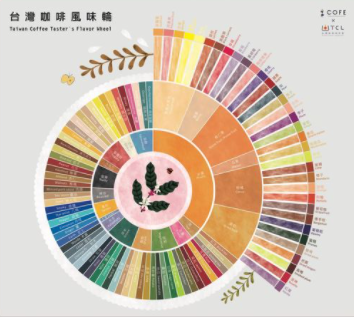
The person in charge of the Taiwan Coffee Laboratory also said: "Words such as jujube, rosella, dried longan, sweet fermented rice, and osmanthus are commonly used in Taiwanese cupping; but to a foreign cupper, they seem very unfamiliar." The Indonesian local coffee flavor wheel includes 36 aroma references and 82 sensory descriptions. It subdivides many detailed categories of spices, while in the SCAA version there are only 6 spice categories.
Mr. Kristian, who participated in developing the Indonesian coffee flavor wheel, said that Indonesia is a major producer of spices, which helps Indonesian cuppers identify more different flavors in coffee; spicy notes in coffee may cause problems or be too intense, but they should not lead to deductions in the flavor column—you can give a low score in the balance item. If people can better appreciate spice flavors, that is a good thing.
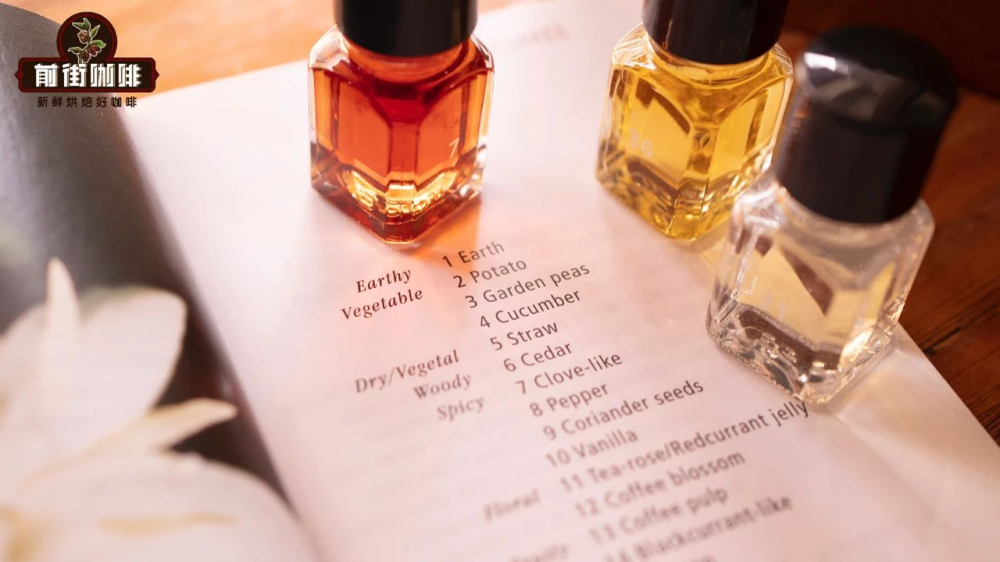
In the SCA-approved aromatic memory kit, the 36-aroma Le Nez du Cafe, coffee pulp aroma is classified as a defect. This means that the taste of coffee pulp is generally considered a negative sensory attribute. Kristian believes that this must be premised on washed-process coffee. If coffee pulp aroma appears in washed beans, it is indeed hard to tolerate. But if it is sun-dried or honey-processed coffee, the aroma of coffee pulp is an uplifting flavor.
Therefore, for us on the other side of the ocean, because of differences in culture, diet, and so on, it is even harder to understand the American version of the coffee flavor wheel. This is actually a normal phenomenon. But what can be certain is that the SCAA coffee flavor wheel is very scientific and greatly promotes the coffee industry.
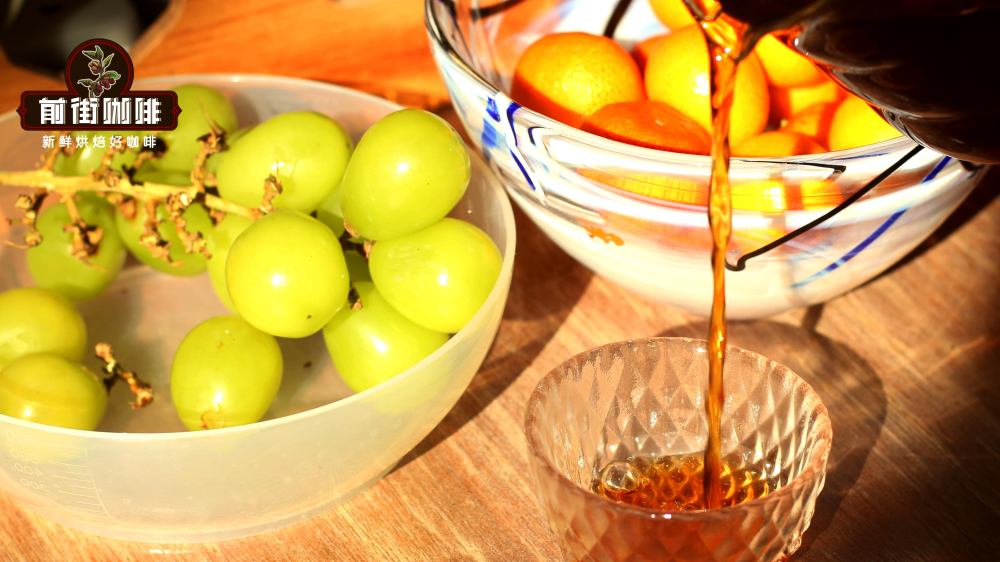
A flavor wheel for consumers
Although the SCAA coffee flavor wheel is scientific and comprehensive, to ordinary consumers it is like a book without words. The Belgian roasting company Cuperus released a consumer coffee flavor wheel, greatly simplifying the coffee flavor wheel as we commonly know it. It contains only 6 categories in total: bright fruity, nutty, sweet fruity, floral, chocolate, and spice-vanilla.

If you are observant, you may notice that these6categories are not the most common types of coffee flavors in our daily lives, and they also echo the major positive flavor categories in the2016new edition of the coffee flavor wheel. Using this kind of simple flavor wheel makes it easier for consumers to understand. Helping more people understand coffee flavors is where the role of today's coffee flavor wheel lies, and the localization and simplification of the flavor wheel is the beginning of popularization.
The above content is compiled by CoffeeHunters, a coffee news website.


