







Search Results for: Coffee Weather Forecast

Can you predict short-term weather with a sugar cube and a cup of coffee? Here's how air pressure changes can actually be observed.
From late March to around Qingming, Guangdong often enters a mode of continuous rainfall. The weather forecast says it will rain, yet it occasionally clears up when you go out, making it hard to decide whether to bring an umbrella. There is an interesting little experiment circulating among the public: brew a cup of hot coffee, drop in a sugar cube, do not stir, and observe where the bubbles gather; this can roughly tell whether it will clear up or rain in the short term. This saying originates from the British writer Matthew Cole's *A Cup of Coffee Tells the Weather*, and it is actually related to the surface tension formed by coffee oils and the weather changes under the control of high and low atmospheric pressure. Of course, not all coffees are suitable; instant coffee and pour-over are not ideal choices. Freshly ground and freshly made hot Americano is more suitable, and the sugar should be sugar cubes rather than ordinary granulated sugar. [more…]
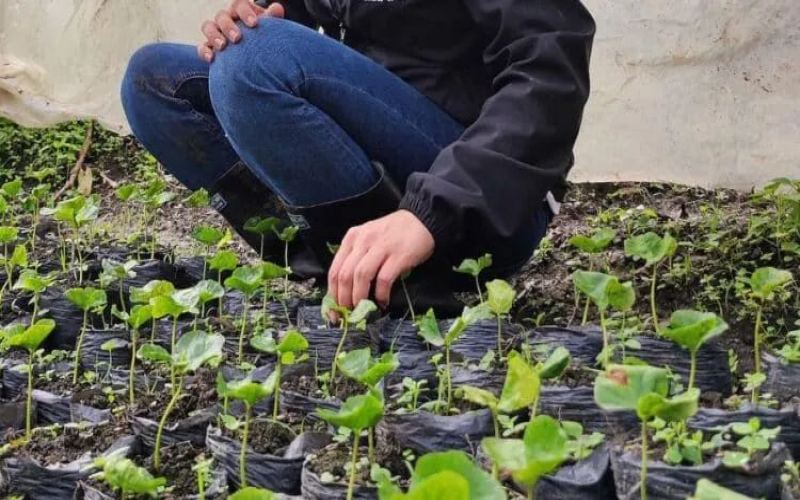
Colombia Distributes 55.7 Million Coffee Seedlings, 2024/25 Production Forecast Raised to 12.9 Million Bags
Colombia's coffee industry has recently received a series of positive signals. Starbucks, in collaboration with the Colombian Coffee Growers Federation (FNC), has distributed 55.7 million disease-resistant coffee seedlings to local farmers, reaching over 17,000 growers across 17 departments. After the effects of El Niño and drought, the arrival of the rainy season in October has led to a gradual recovery in production. The FNC estimates that production for the 2023/24 year will reach 12.8 million bags, while the USDA FAS forecasts that the 2024/25 year could reach 12.9 million bags. However, factors such as severe weather in Brazil and logistics delays have driven Arabica prices to a 47-year high, and the market expects prices to remain elevated in 2025. [more…]
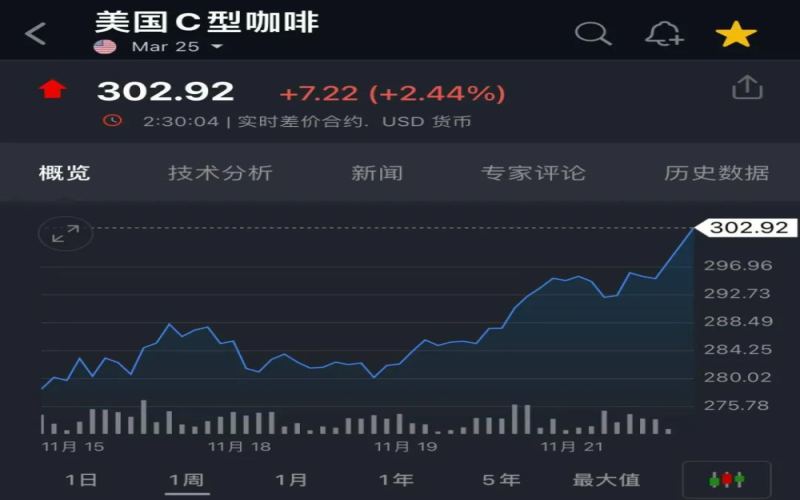
Coffee futures break through 300 cents to a 13-year high, with Brazilian drought and tight inventories as the main drivers
Recently, U.S. C-type coffee futures prices have been climbing steadily, breaking through the 300 cents per pound mark, touching an intraday high of 303.93 cents, and finally closing at 302.92 cents, setting a new 13-year record and simultaneously driving Robusta coffee futures higher. The core driver of this rally comes from the USDA Foreign Agricultural Service (FAS) sharply lowering its forecast for Brazil's 2024/25 production to 66.4 million bags, a 5% reduction from the previous USDA estimate of 69.9 million bags. Combined with multiple factors including Brazil experiencing its worst drought since 1981 and inventories shrinking 26% year-on-year, market concerns over global coffee supply continue to intensify. Producing countries such as Honduras have also seen reduced output due to adverse weather, further exacerbating the tight supply situation. [more…]
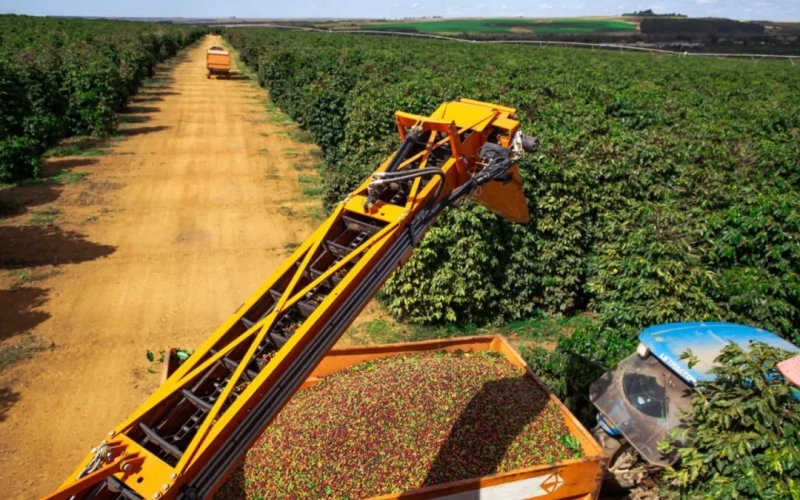
Brazil's coffee harvest falls short of expectations, and Robusta futures prices may rise further.
Recently, Brazil's coffee-growing regions have continued to be affected by El Niño weather patterns. Although dry conditions have accelerated the harvest pace—by June 25, half of the coffee crop had been harvested, ahead of the five-year average for the same period—actual output has fallen short of market expectations, with issues such as smaller beans and uneven ripening gradually emerging. At the same time, Robusta production may drop by 8% to 14%, and combined with tighter supply caused by drought in Vietnam, international Robusta futures prices have firmly held above $4,000 per ton, while the spot index has also risen by more than 4% month-on-month. An impending strong cold wave adds further uncertainty to the production outlook, and several institutions have downgraded their forecast for Brazil's total output from 68.5 million bags to 67 million bags. [more…]
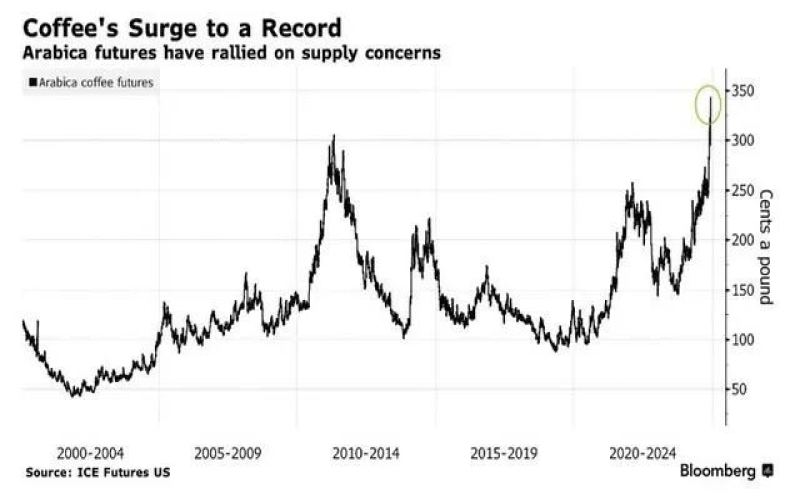
New York coffee futures break through the 343-cent mark as drought in Brazil and reduced output in Vietnam deepen global supply concerns.
The global coffee market is facing severe supply challenges. Affected by Brazil's worst drought in nearly 70 years and adverse weather in Central America, New York arabica coffee futures prices have soared, breaking through $3.43 per pound to reach a record high since statistics began in 1970. Meanwhile, the production outlook for robusta coffee in Vietnam is equally unpromising. Major trader Volcafe has sharply lowered its forecast for Brazil's production and predicts a fifth consecutive year of global coffee supply deficit. Driven by multiple factors including tight inventories, geopolitics, and rising shipping costs, coffee prices are expected to remain high, with the ultimate cost pressure being passed on to consumers. [more…]
Global Coffee Supply Landscape Shifts: Arabica Prices Fall, Robusta Remains High Due to Vietnam Drought
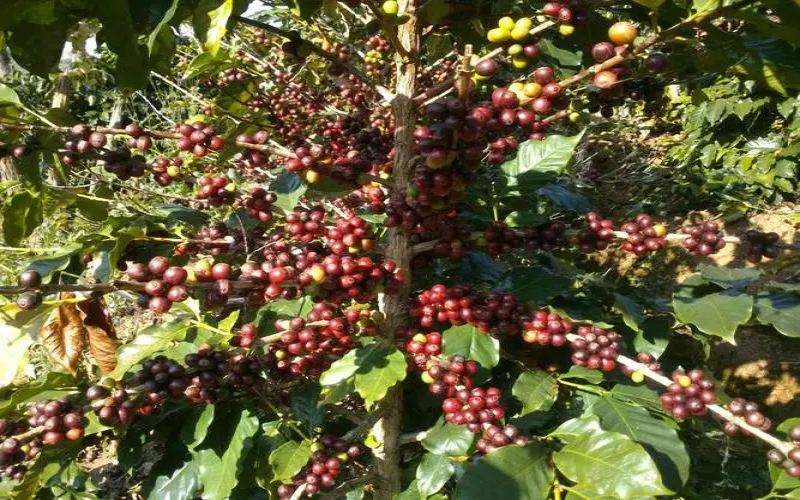
The global coffee market has recently shown divergent trends. According to International Coffee Organization data, global coffee exports have increased year-on-year, with improved Arabica supply driving prices down, while Robusta remains firm or even hits historic highs due to persistent tight supply amid drought in Vietnam. Colombia's production is recovering after three years of decline, and Brazil's Arabica-producing regions have seen improved rainfall with upward revisions to production forecasts, but its Robusta-producing regions face high temperatures and scarce rain, leaving future output still to be observed. This article will review the specific data and weather impacts across the three major producing regions of Vietnam, Colombia, and Brazil to help coffee enthusiasts grasp the supply and demand logic behind current price fluctuations. [more…]
Pressure from reduced coffee harvests in many countries worldwide is intensifying, and international futures prices are unlikely to fall back in the short term.
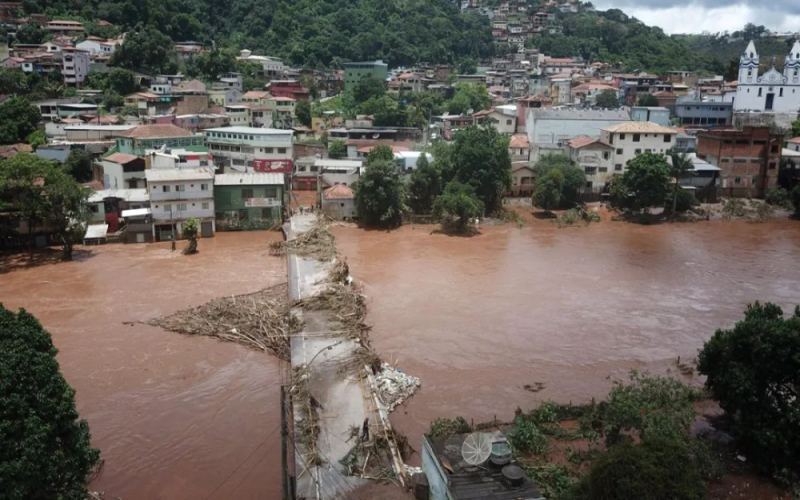
Recently, international investment bank Hedgepoint released a coffee futures price report noting that global coffee supply faces multiple uncertainties, with futures prices continuing to run at high levels and limited room for decline in the short term. Brazil, as the world's largest coffee producer, has seen its Arabica production forecast revised downward due to drought, high temperatures, and unstable rainfall; several Central American countries have suffered severe damage to coffee crops and infrastructure from hurricanes and storms. Although Colombia's new crop season is expected to see a slight increase in production, it is unlikely to offset the overall decline in major producing regions. Combined with potential climate disruptions from La Niña, international coffee prices are expected to remain firm. Stay tuned to origin developments—Front Street Coffee continues to track them for you. [more…]
Cold current is coming!? Brazil is about to be hit by a frost.
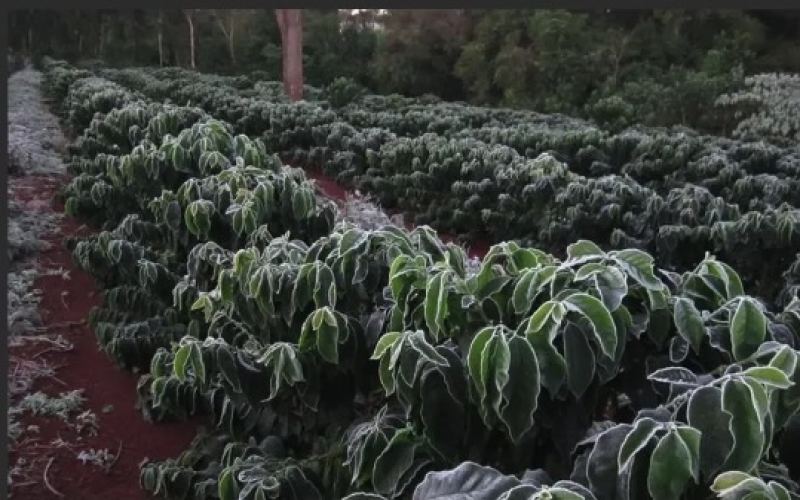
It is understood that although Brazil is in the southern hemisphere and is located in the tropics, according to normal circumstances, Brazil has four seasons a year, and from June to September every year, winter will come. However, this year, due to [more…]
Dual pressure from abnormal weather in Brazil and declining exports from Vietnam intensifies recent coffee bean price fluctuations.
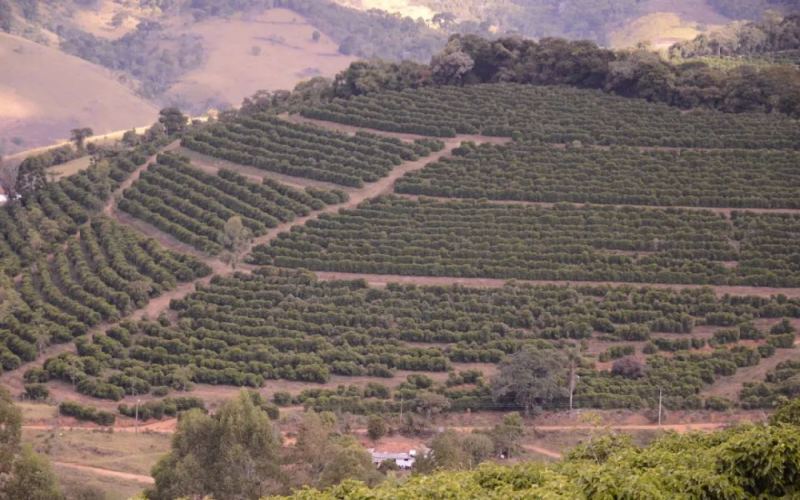
Recently, the global coffee market has experienced a clear round of price fluctuations, mainly driven by supply changes in two major producing regions—Brazil and Vietnam. Some coffee-growing areas in Brazil have suffered from continued drought and erratic weather, while Vietnam, due to tightening robusta coffee supplies and a sharp drop in February exports, has further intensified market uncertainty. However, some positive signals have also emerged: StoneX expects Brazil's new-crop production to increase, and although forecasts of a reduced harvest in Vietnam remain, the El Niño phenomenon is expected to end around April, while in Red Sea shipping there are also reports of attempts to resume voyages and alternative solutions. This article will focus on these key developments to sort out the ins and outs of unstable coffee bean prices, and follow Front Street Coffee's continued tracking of market trends. [more…]
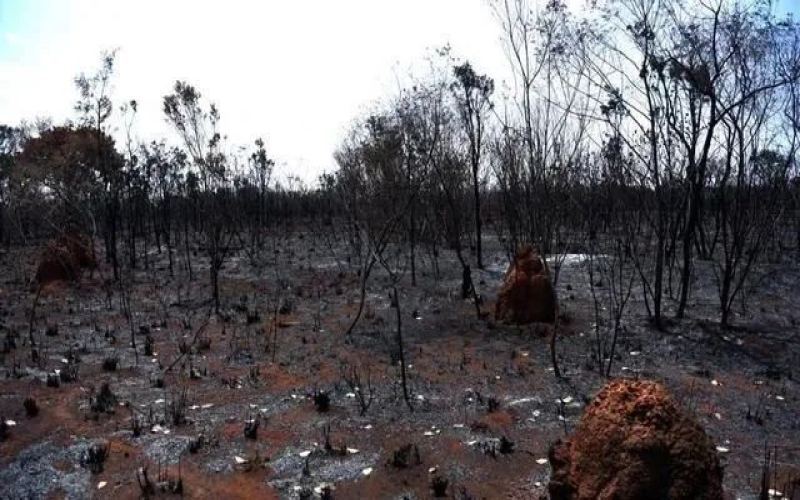
Brazil Fires Cause 14.7 Billion Reais in Agricultural Losses; New Coffee Crop Expected to Fall 6.8%
Brazil has recently suffered severe fires and a historic drought, with agribusiness losses reaching 14.7 billion reais, and coffee-growing regions have also been affected. According to estimates by the Brazilian Confederation of Agriculture and Livestock, the fires from June to August caused enormous economic losses, with São Paulo state hit hardest. At the same time, Brazil is experiencing an extreme drought, with more than a thousand cities going months without significant rainfall, many rivers shrinking, and coffee tree growth severely affected. The official agency Conab has already lowered its forecast for 2024/25 coffee production, expecting a reduction of 4 million bags, a decline of 6.8%. If weather conditions do not improve before the end of the year, production may decline further, and coffee prices will remain high. [more…]
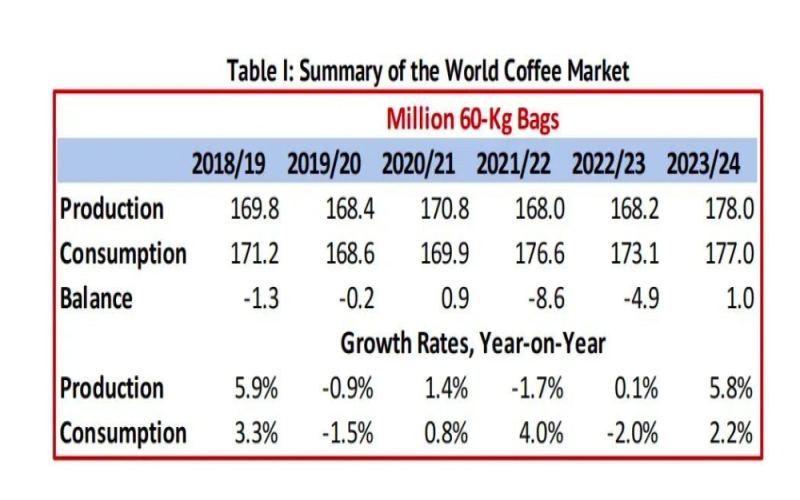
Interpretation of the International Coffee Organization's Monthly Report: Global Coffee Production Expected to Rebound, Possibly Growing Nearly 6% in 2023/24
The latest report from the International Coffee Organization (ICO) shows that global production in the 2022/23 coffee year edged up only 0.1% to 168.2 million bags, with growth almost at a standstill. Behind this trend is widening regional divergence: the Americas expanded steadily, while Asia, Oceania and Africa saw marked declines due to severe weather. At the same time, the aftereffects of the COVID-19 pandemic led to a 2% drop in world coffee consumption. Looking ahead to 2023/24, El Niño may continue to hit Asian producing regions, but a recovering global economy is expected to drive a rebound in consumption, with production forecast to rise 5.8% to 178 million bags, potentially leaving a market surplus of 1 million bags. [more…]
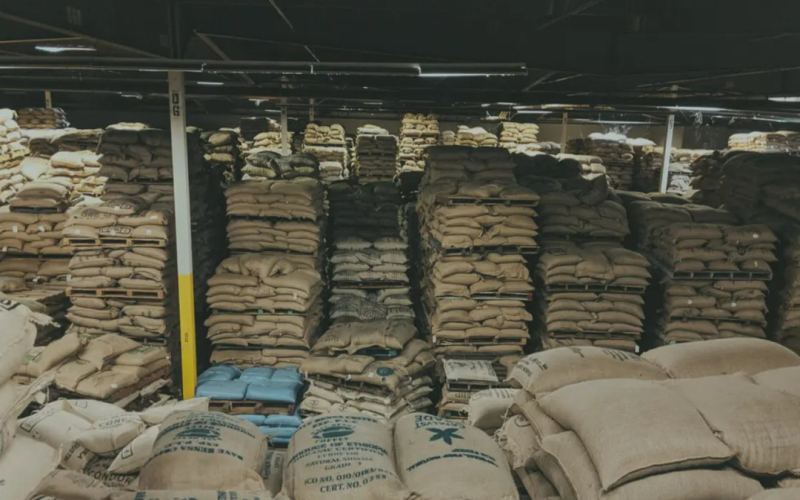
ICE certified stocks fall to a 26-year low, Brazilian coffee is being rushed to delivery warehouses—will Arabica prices come under pressure?
ICE-certified exchange stocks have fallen to a 26-year low of less than 220,000 bags, with large volumes of Brazilian arabica being shipped to delivery warehouses; meanwhile, a Reuters survey projects that arabica prices will fall 8.8% by the end of 2026, while robusta will rise 4.6%. How will stock rebuilding and El Niño weather shape the coffee market outlook? [more…]
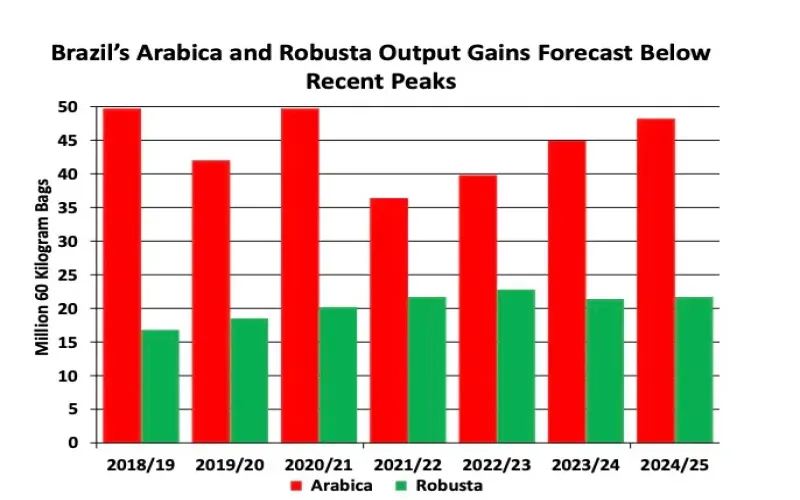
Latest USDA Report: Global Coffee Production Expected to Rebound to 176.2 Million Bags in 2024/25
The United States Department of Agriculture recently released its Coffee: World Markets and Trade report, forecasting global coffee production and consumption trends for the 2024/25 marketing year. The report indicates that, driven by the continued recovery of Brazil's coffee production and a rebound in Indonesia's output, global coffee production is expected to increase by 7.1 million bags from the previous year to 176.2 million bags. Higher supply will also push global coffee exports up by 3.6 million bags to 123.1 million bags. By region, Brazil is set to see significant production gains, Colombia will see a slight recovery though pest concerns loom, Central America will remain broadly flat, and Indonesia's higher robusta output will prove insufficient to offset Vietnam's decline. Although Vietnam's production is unchanged, rising domestic consumption and drought impacts have led to a downward revision of its export forecast. The detailed contents of the report follow. [more…]
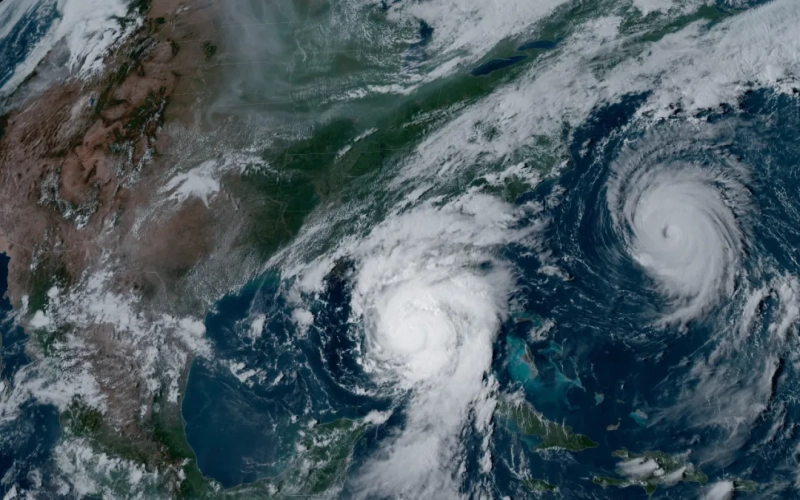
The 2024 Atlantic hurricane season is unusually active, and coffee-producing regions in Central America face dual pressures of reduced yields and exports.
The latest report from the National Oceanic and Atmospheric Administration (NOAA) shows that the 2024 Atlantic hurricane season activity could reach three times the usual level, with an 85% probability of being stronger than normal years. Warm ocean waters, reduced wind shear, and the transition from El Niño to La Niña will combine to spawn more and stronger storms. Multiple coffee-producing countries along the Gulf of Mexico, the Caribbean Sea, and the Atlantic coast—including Mexico, Cuba, Jamaica, Honduras, Nicaragua, Guatemala, and Costa Rica—may all be affected. The strong winds and heavy rain brought by hurricanes not only threaten coffee flowering and harvesting, but may also disrupt shipping, drive up transportation costs, and exacerbate coffee price fluctuations. This article reviews the hurricane season forecast data, the affected producing regions, and the potential impact on the coffee industry, for the reference of coffee enthusiasts. [more…]
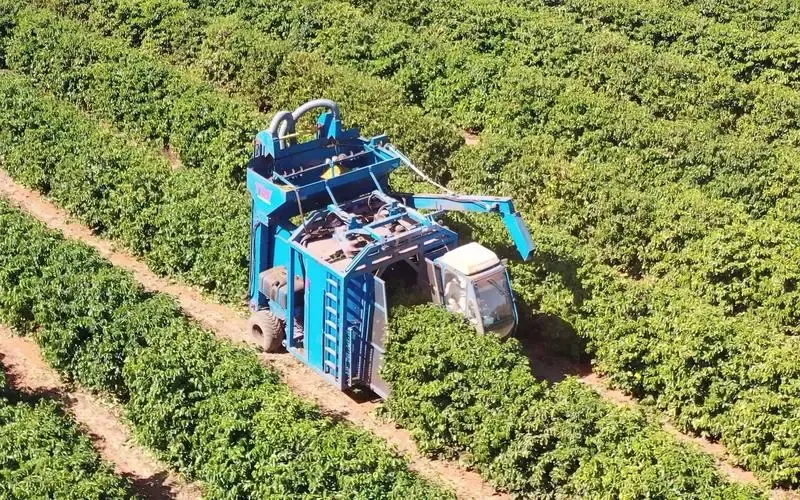
Brazil's coffee-growing regions face prolonged drought: harvest progress runs ahead of schedule, but yields are a concern, and prices are rising across the board.
Brazil is in the middle of its coffee harvest season, with 58% of the crop now gathered, ahead of the five-year average. However, although the hot, dry weather has favored picking, it has had a clear negative impact on coffee output: beans are smaller and yields are falling, and drought alerts have been issued in many areas. Production falling short of expectations has driven coffee prices steadily higher both in Brazil and abroad, with robusta and arabica futures posting sharp gains. The market is also worried that the coming La Niña phenomenon could deal a further blow to 2025/26 output. This article reviews the drought conditions in Brazil's various producing regions, the downward revisions to production, and price trends, and includes related recommendations from Front Street Coffee. [more…]
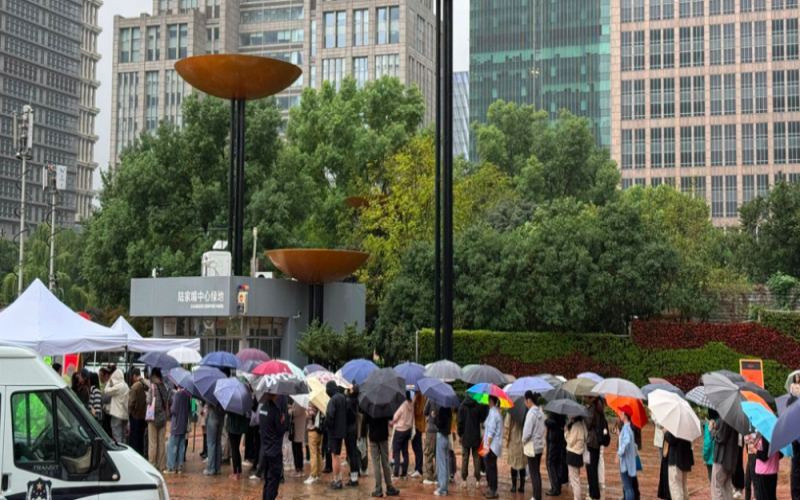
Shanghai Coffee Festival Hit by Torrential Rain: Muddy Open-Air Venue and Inadequate Emergency Preparations Spark Controversy
Recently, a coffee festival held on the grassy grounds of Lujiazui in Shanghai was hit by a sudden heavy rain, plunging what was originally a lively autumn event into a sorry mess. The rain turned the lawn into mud, some stalls leaked and lost power, and visitors struggled through the wet, slippery mud, greatly diminishing the experience. Although weather forecasts had already warned of rain over the weekend, the organizers appeared to have made inadequate preparations, sparking dissatisfaction among many participants. Still, some optimistic coffee lovers found a different kind of fun in it, even joking that they got to drink coffee with a "built-in washed flavor." Below is a detailed report on the incident. [more…]
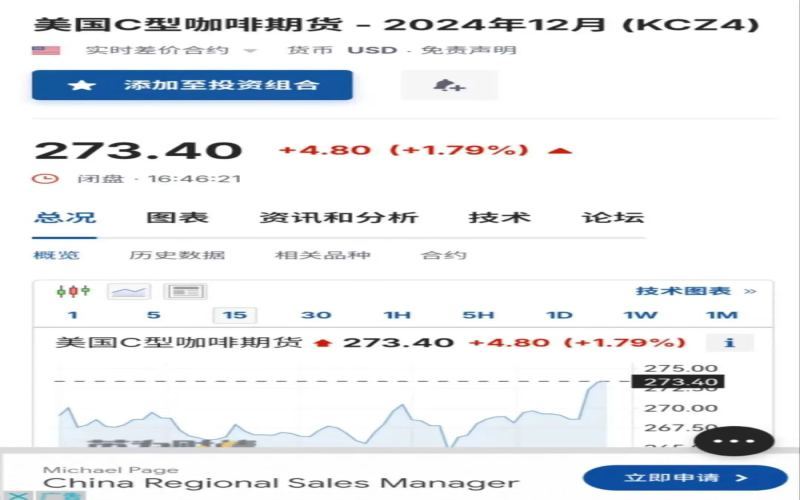
Arabica futures break through 273 cents to a ten-year peak, as extreme weather in Brazil continues to push coffee prices higher
The global coffee market is currently enduring a rare price storm. Driven by climate factors such as prolonged drought, high temperatures, and uneven rainfall distribution in Brazil, combined with steadily rising global coffee demand, both Arabica and Robusta coffee futures prices have hit record highs. Arabica futures have reached 273.4 cents per pound, a ten-year high; Robusta's surge has been even more ferocious, with an increase of 74% within the year. As the world's largest coffee producer, Brazil's domestic retail coffee prices have risen to their highest level since records began in 1997. This article will examine the climate, production, and market factors behind this round of coffee price increases, and look ahead to the prospects for the next harvest season. [more…]
Costa Rican Coffee Production Decline Hits Exports, Down Nearly 30% Year-on-Year in January
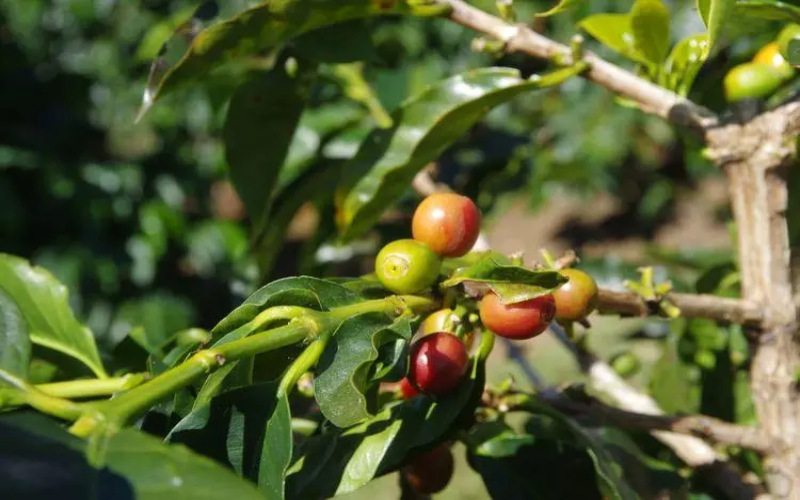
The Costa Rican coffee industry has recently faced multiple challenges. According to ICAFE data, coffee exports in January fell by 28% year-on-year, and the full-year export forecast has also been revised down by nearly 13%, with adverse weather and a global surplus of Arabica supply both applying pressure. At the same time, the EU Deforestation Regulation (EUDR) has made importers more cautious, adding further uncertainty to the export outlook. To make matters worse, the tap water in the San José area has been contaminated with hydrocarbons, which not only affects residents' health but may also affect the soil and future coffee quality. This article will sort through three threads—the export decline, policy pressure, and the water quality crisis—to help coffee lovers gain a comprehensive understanding of developments in the origin. [more…]

São Paulo State, Brazil Hit by Strongest Storm Since 1995, Coffee Industry and Multiple Sectors Suffer Losses of 1.65 Billion Reais
Brazil's São Paulo state recently suffered its strongest storm since 1995, with wind speeds reaching 107.6 kilometers per hour, causing at least 7 deaths, power outages for more than 3.1 million residential and commercial users, and cumulative economic losses of 1.65 billion reais. This extreme weather not only severely damaged local power supply and industrial production, but also directly harmed coffee trees that were in the flowering stage of the new crop season, leading to a decline in coffee production. At the same time, Brazil's largest coffee-producing region, Minas Gerais, continues to face the threat of drought and high temperatures. The official agency Conab has lowered its production forecast, with total output decreasing by about 4 million bags compared with the previous year. This article will provide a detailed review of the impact of this disaster on Brazil's coffee industry and related economic sectors. [more…]
Heavy rainfall during Indonesia's rainy season hinders coffee harvesting, frequent disasters in main producing areas raise concerns about output
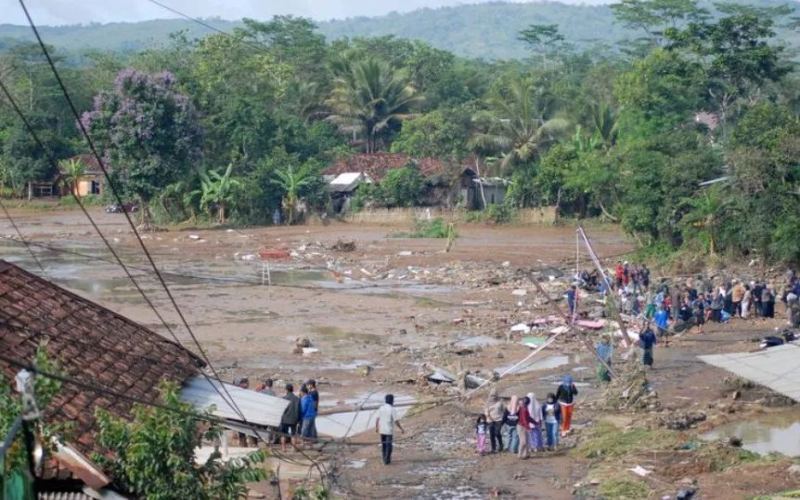
Since Indonesia entered the rainy season, heavy rainfall has triggered floods, landslides and other natural disasters in many places, causing casualties and damage to public facilities. This coincides with the coffee harvest season, and the affected areas are close to major coffee-producing regions, so whether plantations have been damaged remains to be confirmed. At the same time, Indonesia's coffee production for 2024/25 is expected to be revised downward, exports are forecast to decline, and combined with a weaker Indonesian rupiah exchange rate and rising fertilizer prices, robusta coffee prices may rise again in the future. This article will review the disaster impact, production data and market trends for coffee lovers' reference. [more…]