







Why Arabica Coffee Prices Reached a Ten-Year High
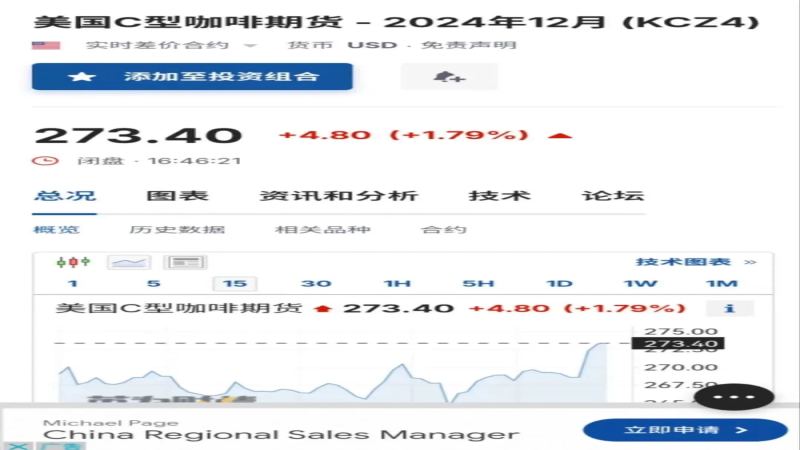
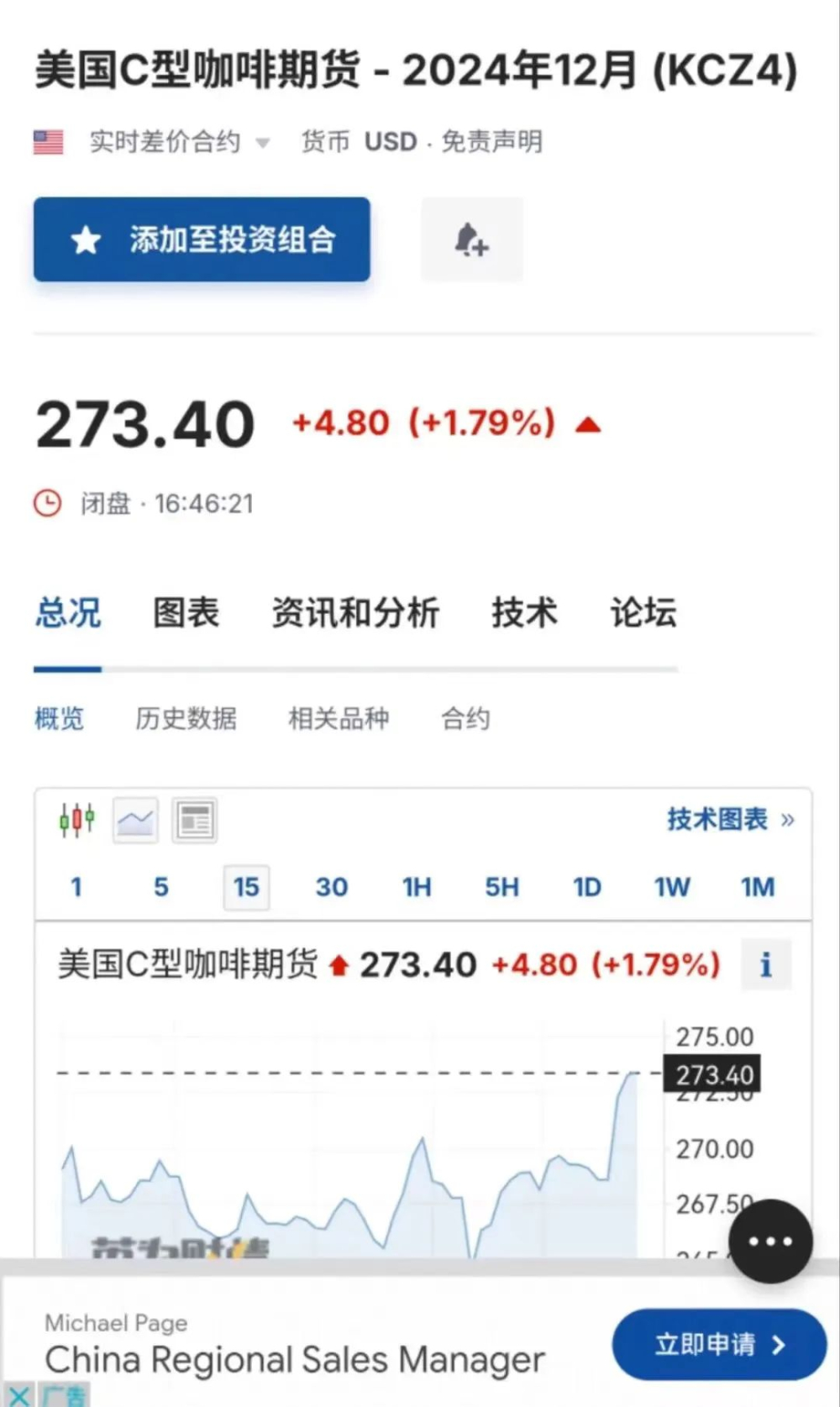
Arabica coffee futures climbed to 273.4 cents per pound, a ten-year peak, driven by persistent drought, high temperatures and uneven rainfall in Brazil, the world's largest producer. Robusta futures touched 5,483 USD per ton, up 74 percent year to date, while arabica has risen 40 percent. Brazilian retail coffee prices are at their highest since records began in 1997.
Brazil is about to face its seventh heatwave of the year, with São Paulo, Rio de Janeiro and Minas Gerais running roughly 5°C above average. Minas Gerais is a key arabica growing state, so heat there matters for the next crop. Other coffee production regions face their own climate problems, and global demand keeps rising, so the market is watching harvest prospects closely.
The global coffee market is undergoing a rare price storm. Affected by climate factors such as persistent drought, high temperatures, and uneven rainfall distribution in Brazil, combined with continuously rising global coffee demand, both Arabica and Robusta coffee futures prices have hit historic records. Arabica futures have reached 273.4 cents per pound, a ten-year high; Robusta has surged even more fiercely, with a year-to-date increase of 74%. As the world's largest coffee producer, Brazil's domestic retail coffee prices have risen to their highest level since records began in 1997. This article will examine the climate, production, and market factors behind this round of coffee price increases, and look ahead to the harvest prospects for the next crop season.
According to multiple media reports, the multiple climate problems Brazil has encountered, combined with other major coffee-producing countries also facing climate challenges, as well as continuously growing global coffee consumption demand, have jointly driven coffee prices upward. Robusta coffee's rise has been particularly prominent. In August this year, Brazil's Robusta price reached 1,483.95 reais per bag, doubling from the same period last year, and has already surpassed the price of Brazilian Arabica.
Since the beginning of the year, Robusta coffee prices have accumulated a 74% increase, while Arabica coffee has risen 40%. Coffee futures prices are also continuously setting new highs. Robusta futures have touched 5,483 USD per ton, and Arabica futures have reached 273.4 cents per pound.
Brazilian media recently reported that the country is about to experience its seventh heatwave this year. This heatwave will break high-temperature records in cities in some states in central-western and southeastern Brazil. According to data from Brazil's National Meteorological Institute (Inmet), the most severely affected areas include Rio Grande do Sul, Santa Catarina, Paraná, São Paulo, and Minas Gerais.
According to records, São Paulo state will see its highest temperatures this year, with maximum values possibly once again exceeding 35°C. Rio de Janeiro recorded a high of 39.5°C in January this year, and this round of high temperatures may approach that level, reaching 39°C. Minas Gerais may exceed 34°C this time, breaking previous records. Temperatures in all the above areas are 5°C above average.
At the same time, a hot air mass continues to linger over central-western Brazil, blocking rain from advancing inland, causing rainfall to currently be concentrated in Rio Grande do Sul in the south, where daily rainfall in the southern part of the state has reached 100 millimeters, with a high risk of river flooding and landslides. Cold air is also trapped in Rio Grande do Sul due to the blocking hot air mass, triggering hail weather.
In recent years, Brazil has frequently suffered from severe weather, and this year it has experienced drought and high temperatures, causing coffee production to decline. Brazilian coffee is becoming increasingly expensive. According to Brazil's National Consumer Price Index (IPCA), the price of coffee purchased by domestic consumers in Brazil has risen by 16.6%, far exceeding the overall inflation rate (4.2%).
In August this year, the average retail price of coffee reached 39.63 reais per kilogram, the highest value since the Brazilian Coffee Industry Association (Abic) began keeping records in 1997. According to the association's data, coffee prices were 15.37 reais per kilogram in January 2021, while the current average selling price has climbed to 39.63 reais per kilogram, an increase of 157% in three and a half years.
The president of the Brazilian Coffee Industry Association stated that Brazil's coffee production once set a historic record of 63.07 million bags (60 kg per bag) in 2020, but frosts in 2021 severely damaged a large number of coffee plantations, followed by drought and high temperatures that continued to affect coffee cultivation. Since then, production has never come close to the 2020 level.
It is understood that Brazilian coffee has a biennial cycle, with high and low production alternating (positive and negative cycles), but production fluctuations in recent years have broken this pattern. 2024 should have been a positive year, yet the latest forecast from Brazil's National Supply Company (Conab) in September put coffee production at 54.79 million bags, a decrease of 0.5% from last year's negative-cycle production, and down 6.8% from the May forecast of 58.81 million bags. Conab believes the decline in production is due to drought, uneven rainfall distribution, and high temperatures during the fruit development stage.
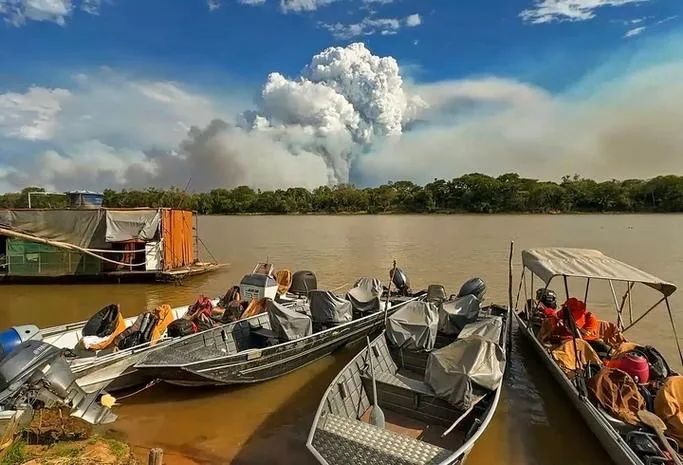
Researchers at the University of São Paulo's Center for Advanced Studies in Applied Economics (Cepea) pointed out that the coffee harvest for the next new crop season is also not optimistic. In September, Brazil should have entered spring and the rainy season, but as of now, there has still been no rainfall in Brazil's coffee-producing regions, with some areas having gone more than 160 days without a drop of rain, and plantation conditions are very poor. According to Brazilian meteorologists, even after entering spring, high temperatures will persist, and another heatwave may occur in early October. However, rainfall will gradually return, spreading from the south to the central-west in November, and may only reach northern Brazil in December.
Many traders believe that current price increases are too rapid and that there is almost no room for them to fall back. In the past, traders would purchase and stockpile coffee beans when prices were lower, but after a year of price increases, companies with inventory have continuously sold off, and now there are no stocks left. Coupled with continuously declining production, prices will only continue to rise and will be difficult to bring down. Many traders believe this is bad for the entire industry. Although the coffee in producers' hands is more valuable, in the past when prices were low there was still goods to sell; now, although prices are high, having no goods to sell is meaningless.
To learn more about coffee origin news and information, please scan the QR code to follow: Coffee Review
Long-press the QR code to follow:
TRANSLATE with
x
English
Arabic Hebrew Polish Bulgarian Hindi Portuguese Catalan Hmong Daw Romanian Chinese Simplified Hungarian Russian Chinese Traditional Indonesian Slovak Czech Italian Slovenian Danish Japanese Spanish Dutch Klingon Swedish English Korean Thai Estonian Latvian Turkish Finnish Lithuanian Ukrainian French Malay Urdu German Maltese Vietnamese Greek Norwegian Welsh Haitian Creole Persian
TRANSLATE with
COPY THE URL BELOW
Back
EMBED THE SNIPPET BELOW IN YOUR SITE Bing Webmaster Portal
Back
The above content is compiled by CoffeeHunters, a coffee news website.


