







How Do Coffee Seedlings Shape Colombia's Coffee Production Outlook?
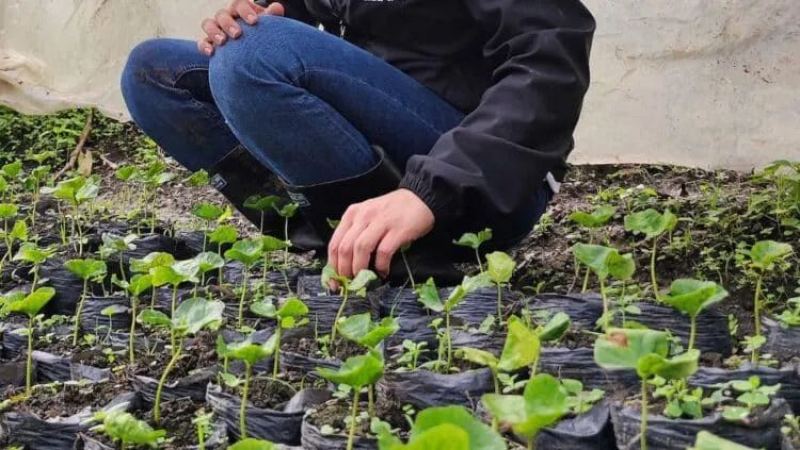
Starbucks and the Colombian Coffee Growers Federation have distributed 55.7 million disease-resistant coffee seedlings to more than 17,000 growers across 17 departments, helping renew 7,200 hectares with rust-resistant and berry disease-resistant varieties. The FNC expects 12.8 million bags for 2023/24, while the USDA FAS forecasts 12.9 million bags for 2024/25 as rainy-season recovery follows last year's El Niño drought.
The program, Starbucks Fincas C.A.F.E. Practices Más Productivas, was announced in November 2020 with 23 million seedlings and expanded in April 2022 with 22 million more. It also supplies free fertilizer for early plant growth. Even so, severe weather in Brazil and logistics delays have pushed Arabica prices to a 47-year high, and the Colombian coffee crop market expects elevated prices through 2025.
The Colombian coffee industry has recently received a series of positive signals. Starbucks, in partnership with the Colombian Coffee Growers Federation (FNC), has distributed 55.7 million disease-resistant coffee seedlings to local coffee farmers, covering more than 17,000 growers across 17 departments. After being affected by El Niño and drought, the arrival of the rainy season in October has allowed production to gradually recover. The FNC expects production to reach 12.8 million bags in the 2023/24 season, while the USDA FAS forecasts 12.9 million bags for 2024/25. However, severe weather in Brazil and logistics delays have pushed Arabica prices to a 47-year high, and the market expects prices to remain elevated through 2025.
Recently, media reports stated that Starbucks, together with the Colombian Coffee Growers Federation (FNC), distributed 55.7 million coffee seedlings to local coffee farmers, as part of an overall program to support Colombian growers.
It is understood that the project is called Starbucks Fincas C.A.F.E. Practices Más Productivas. It was first announced in November 2020, initially planning to distribute 23 million coffee seedlings, and was later expanded in April 2022 with an additional 22 million seedlings. The project aims to supply rust-resistant and berry disease-resistant varieties to help Colombia renew its coffee planting plots.
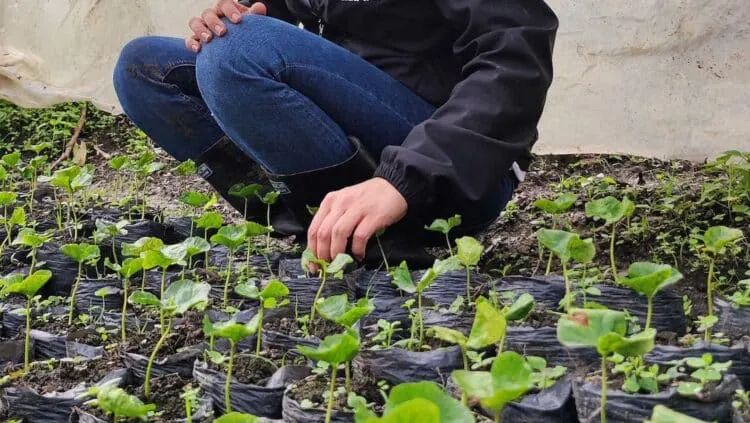
The program benefits more than 17,000 coffee growers across 17 departments in Colombia, supporting the renewal of 7,200 hectares with resistant coffee varieties and enhancing farms' output capacity and profitability. In addition to distributing seedlings, the project also provides farmers with free fertilizer to support the early growth stage of coffee plants and encourages farmers to continuously renovate their coffee plantations to improve long-term productivity.
This is of great significance to the Colombian coffee industry. Last year, the country's coffee industry was dragged down by El Niño, and production declined. Between August and September this year, drought weather covered the entire South America, affecting agriculture in countries such as Brazil, Colombia, and Peru, which also faced the threat of forest fires in addition to drought.
According to the National Unit for Disaster Risk Management of Colombia, dry conditions and strong winds fueled the spread of fires, and nearly 11,000 hectares of land across the country were burned, with large areas of forest, vegetation, and farmland damaged. At the same time, water levels in many rivers and reservoirs dropped sharply by 80% to 90%, causing water shortages and restricting irrigation water for coffee and other crops, ultimately leading to continued declines in coffee production from July to September.
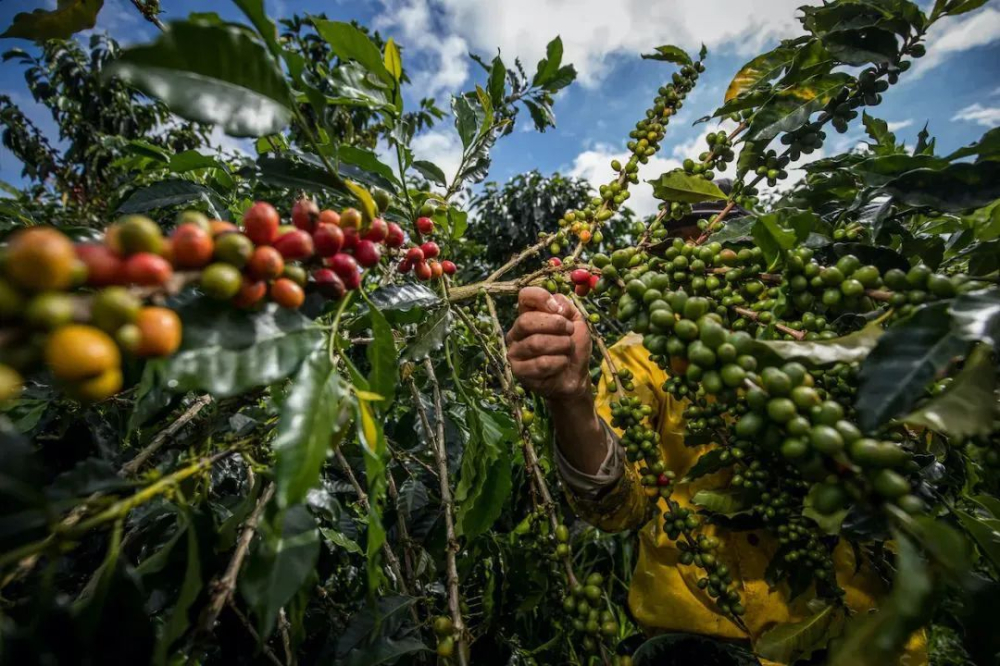
After entering October, Colombia welcomed the rainy season, the drought impact was alleviated, and coffee production gradually recovered. The market is currently optimistic about future Colombian coffee production. According to FNC forecasts, by the end of the 2023/24 coffee year, production could reach 12.8 million bags (60 kg each), a cumulative increase of 20.2% compared with the previous coffee year.
In addition, the annual market report on Colombia recently released by the USDA Foreign Agricultural Service (FAS) estimates that the country's coffee production will reach 12.9 million bags in the 2024/25 market year, thanks to currently favorable climate conditions and improvements in agronomic practices. According to statistics, about 87% of Colombia's coffee-growing areas have already planted leaf rust-resistant varieties. At the same time, domestic coffee consumption in the country is expected to reach 2.3 million bags, up 4% year on year, so coffee exports in 2024/25 are expected to be 12 million bags.
At present, due to severe weather in Brazil, the market is generally pessimistic about Brazil's coffee production and supply for the next season. Combined with factors such as port logistics and shipping delays in Brazil, geopolitics, and the possibility of additional U.S. tariffs, Arabica coffee prices rose sharply in November, setting a 47-year record high.
Although there has recently been a lot of positive news indicating that the Colombian coffee industry has improved and production has increased, the increase is relatively limited, so the market believes coffee prices will not slow down through 2025.
To learn more coffee origin news and information, please scan the QR code to follow: Coffee Review
Long-press the QR code to follow:
TRANSLATE with
x
English
Arabic Hebrew Polish Bulgarian Hindi Portuguese Catalan Hmong Daw Romanian Chinese Simplified Hungarian Russian Chinese Traditional Indonesian Slovak Czech Italian Slovenian Danish Japanese Spanish Dutch Klingon Swedish English Korean Thai Estonian Latvian Turkish Finnish Lithuanian Ukrainian French Malay Urdu German Maltese Vietnamese Greek Norwegian Welsh Haitian Creole Persian
TRANSLATE with
COPY THE URL BELOW
Back
EMBED THE SNIPPET BELOW IN YOUR SITE Bing Webmaster Portal
Back
The above content is compiled by CoffeeHunters, a coffee news website.


