







How Will the 2024 Hurricane Season Affect Central American Coffee?
NOAA reports the 2024 Atlantic hurricane season may reach three times usual activity, with an 85% probability of being stronger than normal. Forecasts call for 17 to 25 named storms, 8 to 13 hurricanes, and 4 to 7 major hurricanes. Mexico, Cuba, Jamaica, Honduras, Nicaragua, Guatemala, and Costa Rica sit in the path, and central american coffee regions face reduced yields and exports.
The season runs from June 1 to November 30, and warm sea surface temperatures, weakened wind shear, and the shift from El Niño to La Niña combine to spawn more intense storms. Over the past thirty years an average season produced 14 named storms, 7 hurricanes, and 4 major hurricanes. Strong winds and heavy rain threaten flowering and harvesting on coffee farms and can disrupt shipping, raising transport costs and pushing coffee prices further.
The latest report from the US National Oceanic and Atmospheric Administration shows that the 2024 Atlantic hurricane season activity may reach three times the usual level, with an 85% probability of being stronger than normal years. Warm ocean waters, reduced wind shear, and the transition from El Niño to La Niña will jointly spawn more and stronger storms. Multiple coffee-producing countries along the Gulf of Mexico, the Caribbean Sea, and the Atlantic coast, including Mexico, Cuba, Jamaica, Honduras, Nicaragua, Guatemala, and Costa Rica, may all be affected. The strong winds and heavy rain brought by hurricanes not only threaten coffee flowering and harvesting, but may also disrupt shipping, drive up transportation costs, and exacerbate coffee price fluctuations. This article summarizes the hurricane season forecast data, the affected producing regions, and the potential impact on the coffee industry, for the reference of coffee enthusiasts.
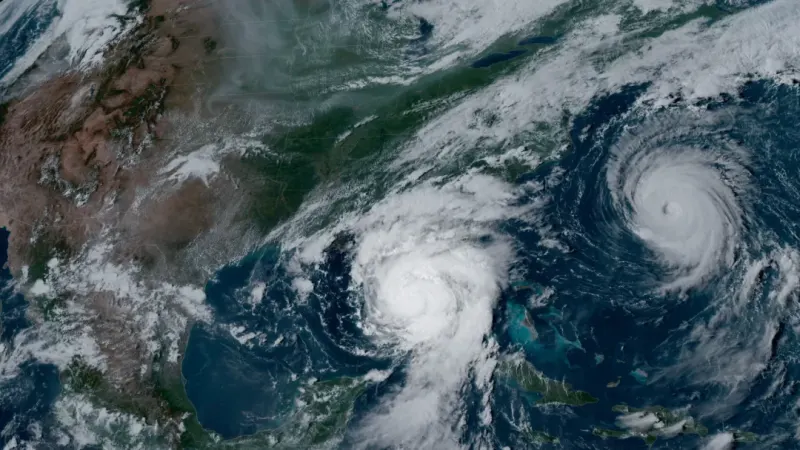
Recently, the US National Oceanic and Atmospheric Administration (NOAA) issued a report stating that the 2024 Atlantic hurricane season will present an "unusual" situation, with the risk of the upcoming hurricane season projected to possibly reach three times the usual level.
The report analyzes that from the peak period of the hurricane season beginning on June 1, warm sea surface temperatures, weakened wind shear, and the transition from El Niño to La Niña will work together to cause more numerous and more intense storms this year.
The Atlantic hurricane season usually lasts from June 1 to November 30. Over the past thirty years, a hurricane season has averaged 14 named storms, 7 hurricanes, and 4 major hurricanes. However, NOAA predicts that hurricane activity this year will surge significantly.
According to the forecast, the probability that this year's hurricane season will be stronger than normal is 85%, the probability of being close to a normal season is 10%, and the probability of being below normal is only 5%.
It is expected that 17 to 25 named storms (with wind speeds of 39 mph or above) will occur, of which 8 to 13 may develop into hurricanes (wind speeds of 74 mph), including 4 to 7 major hurricanes (Category 3, 4, or 5, with wind speeds of 111 mph or higher).
Therefore, the report points out that multiple countries along the Gulf of Mexico, the Caribbean Sea, and across the Atlantic will be affected by hurricane activity, and calls on many countries to take measures to prevent environmental disasters and protect production facilities, assets, and worker safety.
These regions contain quite a few coffee-producing countries and regions, such as Mexico and the United States along the coast, as well as island countries and regions in the Caribbean such as Cuba, Jamaica, Haiti, the Dominican Republic, and Puerto Rico.
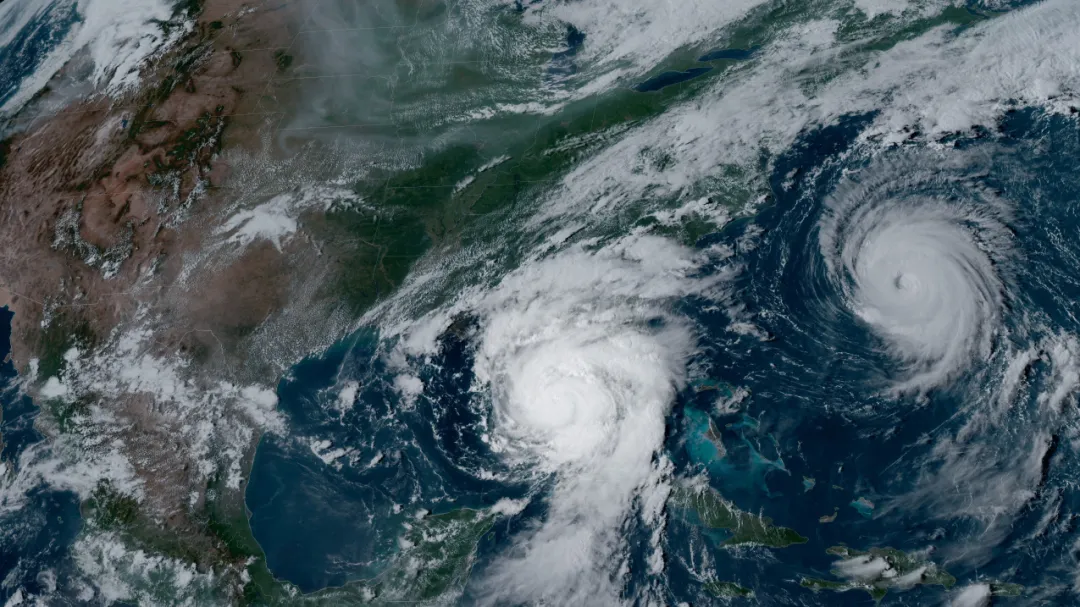
In addition, because this hurricane may be more powerful, countries in Central America such as Honduras, Nicaragua, Guatemala, and Costa Rica may not be able to escape either.
Usually, the period from May to June is the coffee flowering period in Central American coffee-producing regions, and October to January of the following year is the harvesting period. If a hurricane is encountered during this period, the rainfall and strong winds brought by the hurricane are unfavorable to the final yield and will exacerbate coffee price fluctuations.
As early as 2020, Central America was hit by two severe hurricanes, triggering catastrophic flash flooding and mudslides in the area, causing some coffee farms to be destroyed, and eventually multiple Central American countries reported coffee production reductions to varying degrees.
In addition to affecting production in coffee-producing regions, coffee exports from Central American countries will also be impacted. Because coffee beans usually rely on shipping for export, and major hurricanes affect shipping routes, causing port shutdowns, container backlogs, and shipping disruptions that last for weeks, the transportation costs and time of shipping surge.
Faced with this situation, coffee enthusiasts and industry practitioners need to pay close attention to weather changes in producing regions. Front Street Coffee reminds that against the backdrop of frequent extreme weather, the stable supply of specialty coffee faces challenges, and it is recommended to follow developments in Central American producing regions and plan purchases in advance.
The above content is compiled by CoffeeHunters, a coffee news website.


