







Search Results for: Coffee Bean Refrigeration
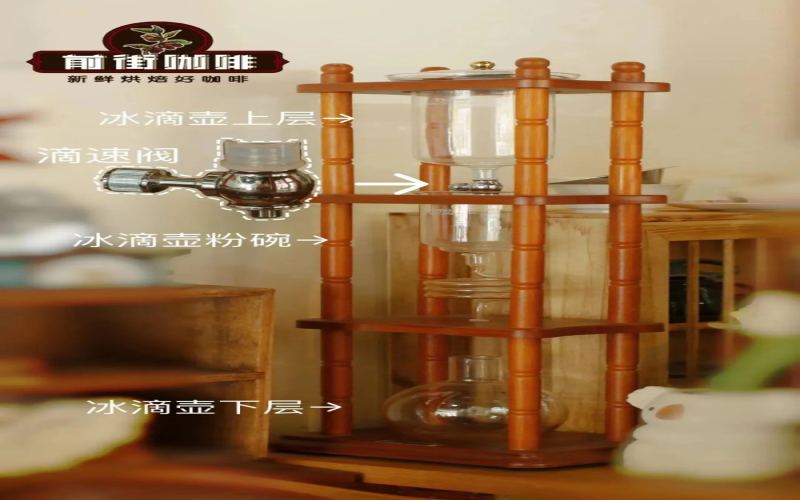
Cold Brew Drip Coffee Maker Practical Guide: From Extraction Principles to Coffee Bean Selection and Refrigeration Storage Tips
With its pure, smooth taste and unique fermented aroma, cold drip coffee has become a highly favored coffee beverage in summer. Starting from the hands-on practice at Front Street Coffee's stores, this article systematically sorts out the differences between cold drip and cold brew, the assembly structure of a cold drip tower, and the methods for setting grind size and drip rate. It also recommends three coffee beans suitable for making cold drip, and finally explains the optimal refrigeration period and flavor change patterns of cold drip coffee, helping enthusiasts recreate a cup of richly layered cold drip coffee at home. [more…]

From Grinding to 8 Hours of Refrigeration: A Complete Illustrated Guide to Making Cold Brew Coffee and a Detailed Explanation of the Coffee-to-Water-to-Ice Ratio
Following yesterday's sharing of the cold brew coffee method, today we turn our attention to the more challenging ice drip coffee. Compared to the simple soaking of cold brew, ice drip demands more attention to equipment, steps, and time investment, requiring more patience and meticulous operation. This article will use a combination of text and images to fully demonstrate the entire process of ice drip coffee, from equipment preparation, filter paper placement, coffee bed moistening, ice-water ratio, to drip rate control and refrigerated maturation, and will explain the 1:6:6 ratio of coffee powder to water to ice used this time and the Front Street recommended Honduras Sherry bean. Even without specialized ice drip filter paper, there is an alternative cutting solution. Follow the steps, and after a long wait, you can enjoy a cup of ice drip coffee with distinct layers. [more…]
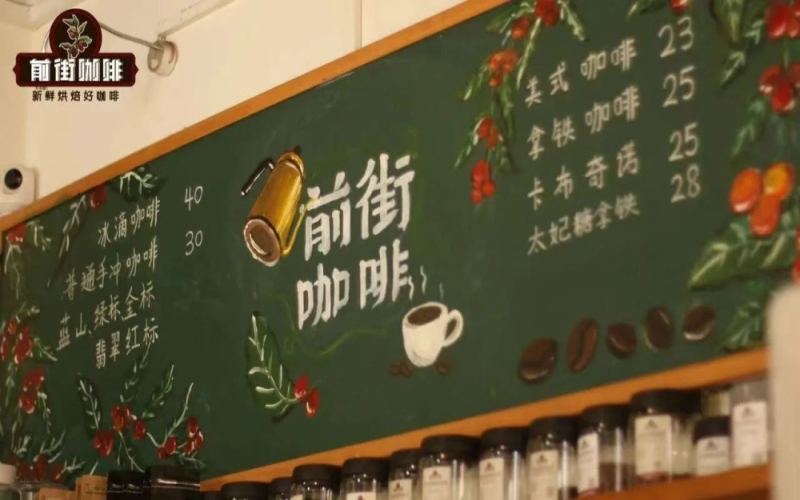
An Analysis of the Differences Between Ice-Brewed and Cold Brew Coffee: Extraction Principles, Flavor Profiles, and Refrigeration Shelf Life
Ice brewed coffee and cold brew coffee are often confused with each other, but the two actually have their own nuances in terms of extraction method, time control, and flavor presentation. Ice brewing, or ice drip, uses a mixture of ice and water for slow drip filtration, takes several hours, and requires sealed aging; cold brew, on the other hand, uses cold water immersion, has simple equipment, and produces a mellow flavor. This article compares the key production points and taste differences of the two in detail, and answers the question about refrigeration storage time—ice drip is recommended to be consumed within three days, while cold brew can be kept for up to five days. At the same time, combined with Front Street Coffee bean recommendations, it helps enthusiasts choose beans such as Butterfly, Sherry Barrel, or Sun-Dried Huakui according to their preferences, making satisfying iced coffee at home with ease. [more…]
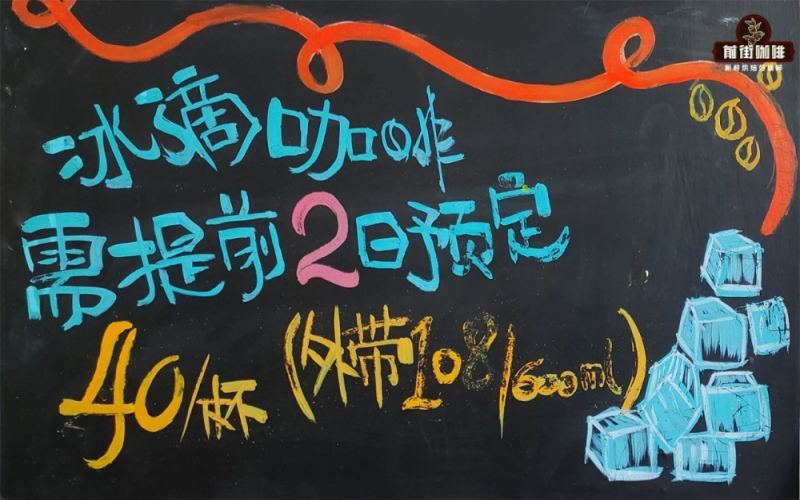
Detailed Explanation of Cold Brew Coffee Refrigeration Shelf Life: Can Iced Coffee Be Heated and How Does the Taste Change?
In the cold of winter, cold drip coffee remains favored by many coffee enthusiasts. This article provides a detailed explanation of the differences between cold drip coffee and cold brew coffee, key production points, refrigeration storage time, and how the taste of iced coffee changes after heating. The article also shares Front Street Coffee's practical experience in cold drip production, including grind size, coffee-to-water ratio, and pre-infusion, and recommends coffee bean options such as Strawberry Candy, Kenya Asaliya, Sun-Dried Huakui, and Xizhua blend for different flavor needs. Whether you want to know how long cold drip coffee can be stored in the refrigerator or are curious about whether iced coffee tastes good after heating, you can find specific references here. [more…]
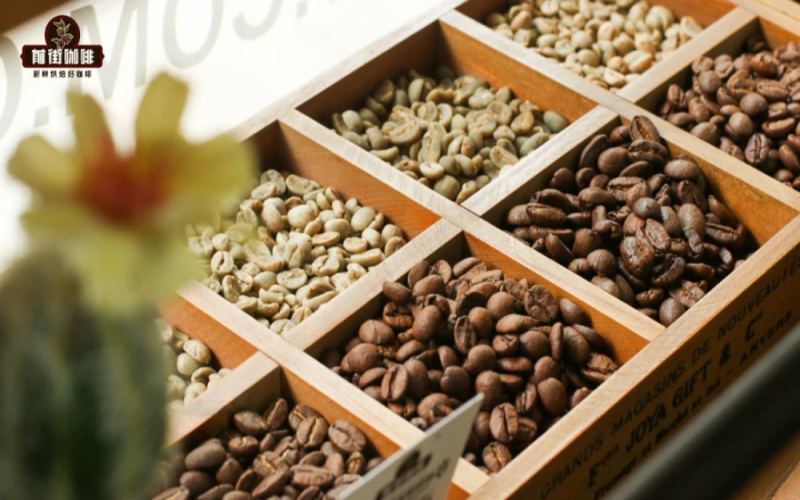
Cold Brew Coffee Tutorial: From Principles to Practice, with Front Street Coffee Bean Recommendations and Refrigeration Storage Tips
Cold brew coffee has won increasing favor among coffee lovers in recent years thanks to its silky mouthfeel and clean flavor. So how exactly does it differ from regular iced coffee? And which coffee beans are better suited to low-temperature extraction? In this article, Front Street Coffee will walk you through the extraction principles and flavor characteristics of cold brew, and recommend three Front Street Coffee beans for different taste preferences—Huakui, Butterfly, and Strawberry Candy. We'll also share the specific steps for making a single serving of cold brew, along with grinding parameters and coffee-to-water ratio. Finally, we'll explain how long filtered cold brew can be stored in the refrigerator, helping you enjoy cold brew safely and with peace of mind at home. [more…]
Three Major Taboos in Coffee Bean Storage and Analysis of Freezing Feasibility: Practical Tips from Moisture Prevention to Thawing
As the Spring Festival approaches, courier services are gradually suspending operations, and many coffee lovers have already stocked up on beans in advance. But how to keep coffee beans fresh during this period has become a concern for everyone. Storing coffee beans requires avoiding three major enemies: high temperatures, moisture, and oxidation. High temperatures accelerate the loss of aroma, moisture easily leads to mold, and oxidation shortens the optimal flavor period. Front Street recommends that unopened original packaging be kept in a cool, dry place, and that an airtight container be used after opening. As for refrigeration or freezing, although it can slow oxidation, it comes with the challenges of absorbing odors and becoming damp during thawing. This article will break down these storage points in detail to help you enjoy the New Year with peace of mind. [more…]
The Best Drinking Window for Hot Pour-Over and Cold Brew / Ice Drip Coffee: How Long Can It Be Stored After Brewing?
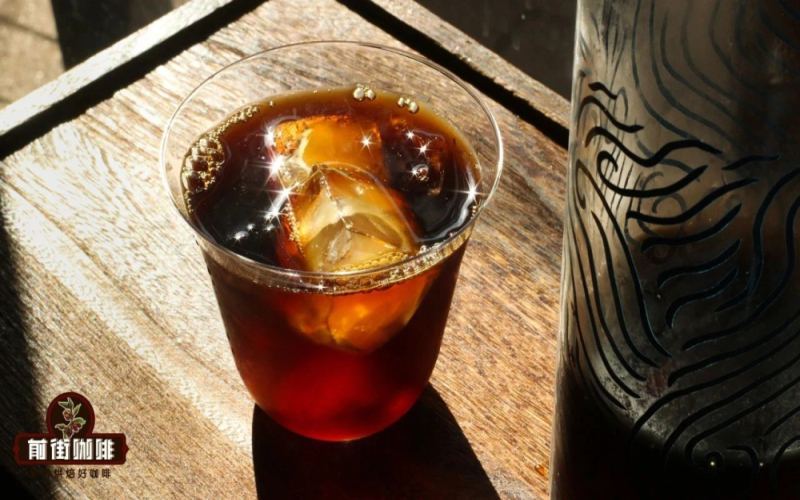
In the heat of summer, a glass of iced coffee always refreshes you instantly. But whether it's hot pour-over left to cool, or cold brew and ice drip coffee stored in the fridge, each has its own window of peak flavor. This article uses Front Street Coffee's Kenya Asalia as an example, first introducing the brewing parameters and flavors of hot pour-over and Japanese-style iced pour-over coffee, then breaking down in detail the methods, coffee-to-water ratios, extraction times, and refrigeration recommendations for cold brew and ice drip coffee. You'll learn: why hot black coffee should be finished before it cools completely, how cold brew coffee's flavor evolves within 5 days of refrigeration, why ice drip coffee is best consumed within 3–4 days, and how to adjust drinking timing based on fermentation time, so that every glass of iced coffee is at its best. [more…]
What is the difference between ice drip and cold brew? Does cold brew count as black coffee? A complete guide to choosing coffee beans for low-temperature extraction and making it
Coffee doesn't have to be brewed with hot water—cold water can also extract surprisingly delightful flavors. Ice drip and cold brew are two common low-temperature extraction methods: the former uses ice water for drip filtration, while the latter uses ice water for immersion, and the resulting cups have their own distinctive mouthfeel profiles. This article will start from the essential differences between the two, explain how cold water extraction and hot water extraction differ in flavor expression, answer whether cold brew counts as black coffee, and share recommended bean varieties suitable for making low-temperature coffee. It will then break down in detail the operating steps, grinding parameters, and coffee-to-water ratios for ice drip coffee and cold brew coffee, and finally offer suggestions on refrigeration storage time, helping coffee enthusiasts consistently make clean, full-bodied cold coffee at home. [more…]
The Complete Guide to Keeping Coffee Beans Fresh: Best-By Dates, Storage Mistakes, and the Right Way to Store Them
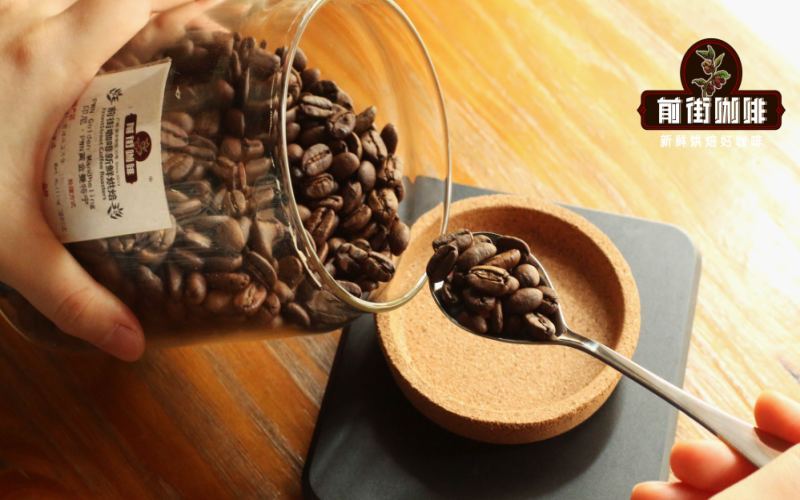
The freshness of coffee beans directly determines the flavor performance of a cup of coffee, and whether the storage method is appropriate is the key factor affecting the freshness of coffee beans. From the professional perspective of Front Street Coffee, this article systematically sorts out the two major categories of coffee bean storage—the different precautions for green beans and roasted beans—deeply analyzes the mechanisms of the three major freshness "killers": light, high temperature, humidity, and oxygen, and provides two practical storage solutions: one-way exhaust valve packaging bags and vacuum-sealed canisters. The article will also answer how long coffee beans can actually be stored, the difference between the peak flavor period and the shelf life, why refrigeration is not recommended, and clever ways to reuse expired beans, helping coffee lovers maximize the retention of the best flavor of every bag of beans. [more…]
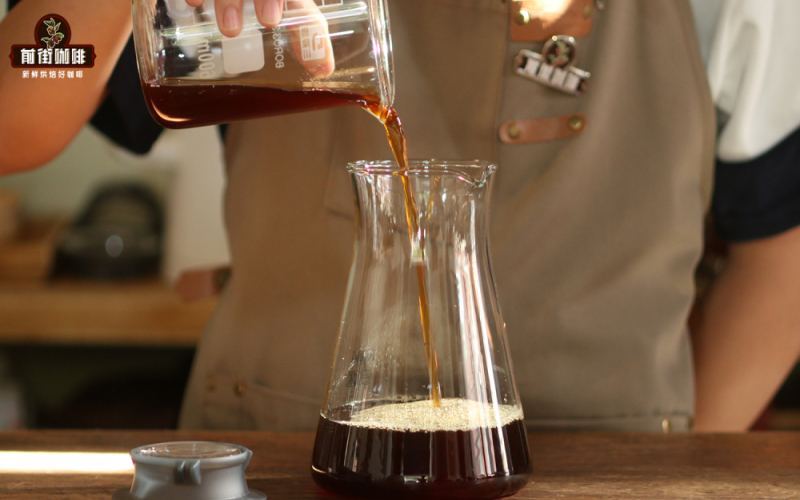
Analysis of Ice Drip and Cold Brew Coffee Storage Time in the Refrigerator: Why the Flavor Is Better After 12 Hours of Chilling
In recent years, more and more coffee enthusiasts have begun trying their hand at making cold brew and ice drip coffee at home, and the ice drip coffee produced by Front Street Coffee is often in short supply. Many friends are concerned about: how long can this kind of low-temperature extracted iced coffee be kept after being placed in the refrigerator? Why does ice drip coffee actually taste better after 12 hours of refrigeration? This article will focus on the principles of low-temperature extraction, equipment selection, coffee bean recommendations, and the flavor evolution during refrigeration, systematically answering the shelf life and optimal drinking time of iced coffee, helping you both enjoy great taste and ensure safety. [more…]
Cold Brew Coffee Bean Selection Guide and Home Brewing Method: A Complete Analysis from Grinding, Flow Rate to Refrigerated Fermentation
Ice drip coffee, through its pure ice drip filtration and low-temperature fermentation process, presents a mellow, sweet, and refreshingly cool taste, making it a highly favored coffee beverage in summer. Starting from the store practices of Front Street Coffee, this article systematically sorts out the differences between the two common methods of low-temperature extraction—cold brew and ice drip—and explains in detail the structure of the ice drip pot, the choice of grind size, the control of drip speed and coffee-to-water ratio, as well as the grasp of refrigeration fermentation duration. At the same time, focusing on the two major directions of refreshing floral and fruity notes and rich fruity tea notes, it recommends two coffee beans suitable for making ice drip coffee, Front Street Elida Estate Catuai and Front Street Natural Huakui, helping enthusiasts recreate at home a clean-flavored, richly layered ice drip coffee. [more…]
Can You Make Cold Brew with Hot or Warm Water? Flavor Comparison Experiment of Quick-Extracted Cold Brew Coffee at Different Water Temperatures
Cold brew coffee usually requires 8 to 12 hours of low-temperature slow extraction, but what if you want to drink it the same day? Raising the water temperature can speed up extraction, but if you use hot water directly, it becomes hot brew, and the floral and fruity aromas and low bitterness unique to cold brew will also disappear. Front Street compared three methods through experiments: conventional 23°C cold water extraction for 10 hours, 40°C warm water extraction for 4 hours, and 92°C hot water blooming followed by room-temperature water extraction for 4 hours. The beans used were Colombia · Hanami, with full berry acidity, floral notes, and pink pepper flavors. The results showed that the 40°C warm water rapid cold brew was closest to the performance of conventional cold brew, with both a fermented feel and clearly presented flavors, making it suitable for friends who want to drink cold brew quickly. [more…]
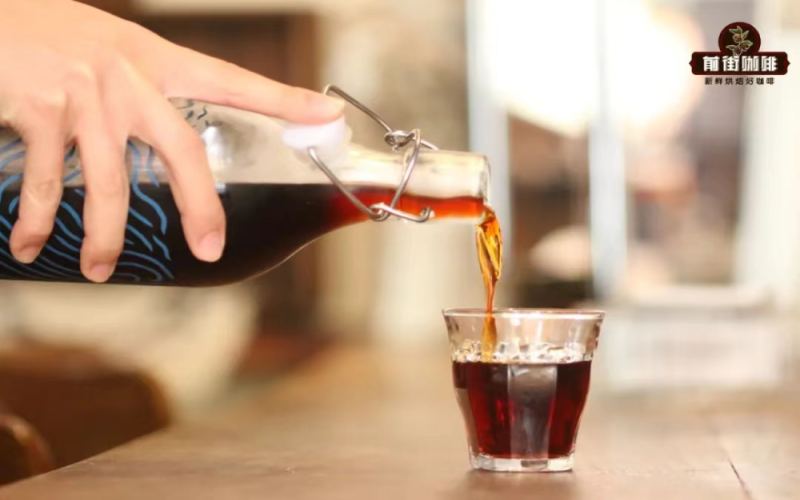
Cold Brew Coffee vs. Cold Brewing and Ice Drip: A Complete Guide to the Differences and Step-by-Step Home Brewing Tutorial
Cold brew, cold brew immersion, and ice drip coffee are three names that are often used interchangeably, leaving many coffee enthusiasts confused. This article approaches the topic from Front Street's perspective, first clarifying the differences between the three in terms of definitions and extraction principles, then explaining their respective taste characteristics. It then offers suggestions for bean selection for cold brew coffee, recommending Front Street Fruit Ding Ding, Front Street Huakui, Front Street Xizhao, and other beans suitable for summer cold brew. Finally, it includes a simple cold brew method covering grind size, coffee-to-water ratio, the effect of refrigeration time on flavor, as well as filtering and resting steps, to help readers make a fragrant, clean-tasting cold brew coffee at home. [more…]

No Ice Drip Pot Needed: Homemade Ice Drip Coffee Tutorial and Cold Storage Duration Guide
In hot weather, a glass of cold brew coffee always brings a refreshing coolness. Front Street Coffee's cold brew has recently been in short supply, and many people choose it not only because its flavor differs from ordinary iced coffee, but also because they feel they can't make it at home. In fact, with just a dripper, a few filter papers, ground coffee, and ice cubes, you can put together a simple "home-version cold brew tower." This article breaks down in detail the equipment, parameters, operating steps, and common mistakes of this method, while also explaining the extraction impact caused by the structural differences between a dripper and a cold brew tower, and providing a list of Front Street beans suitable for making cold brew. Finally, it will also explain how long cold brew coffee needs to be refrigerated and fermented after it is formed, as well as how long it can be stored under refrigeration and at room temperature respectively. [more…]
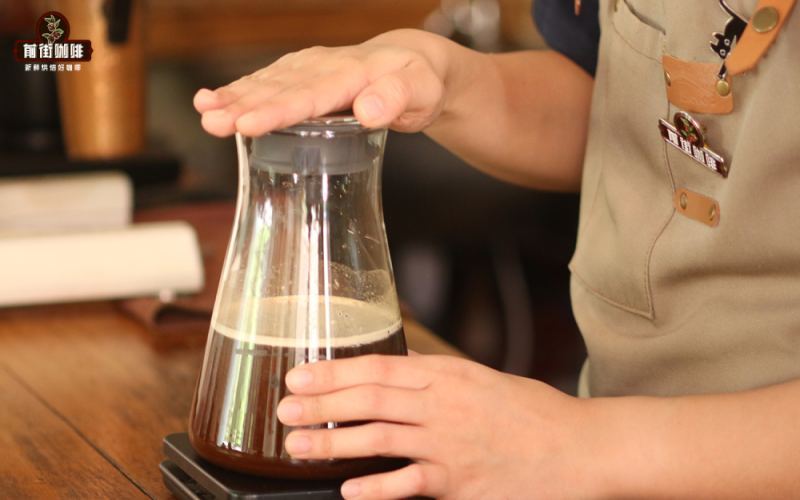
Cold Brew Coffee Shelf Life Fully Explained: Home Methods for Ice Drip and Cold Brew, Extraction Parameters, and Grind Size Recommendations
On a hot summer day, cold brew coffee becomes a favorite for many people. But how long can prepared cold brew be stored? What details should be noted when making ice drip and cold brew at home? This article provides a detailed explanation of the shelf life of cold brew coffee, the role of refrigerated aging, the flavor differences brought by different bean varieties, and the extraction parameters and grind size for ice drip and cold brew. At the same time, Front Street Coffee also gives specific suggestions based on the cold brew performance of its own beans such as Kenya, Strawberry Candy, and Gitiding Cooperative. Whether you are a beginner or a seasoned enthusiast, you can find practical references here. [more…]

How long can coffee beans be stored frozen? Should they be thawed? Front Street's hands-on test reveals the right way
Freshness is the foundation of good-tasting coffee, but faced with Front Street Coffee's "30% off for 2 items, 50% off for 3 items" promotion, it's hard not to buy a few extra bags. As a result, questions keep pouring in about whether coffee beans can be frozen, how long they can be frozen, and whether they need to be thawed after taking them out. Starting from Front Street Coffee's actual testing, this article first clarifies the difference between freezing and refrigeration, then explains the impact of freezing on flavor, and finally offers specific operational advice such as freezing after resting, sealed portioning, and whether to thaw. If you also want to keep your stockpiled beans as tasty as possible, this article is worth reading to the end. [more…]
A Detailed Guide to Making Ice Drip Coffee and Cold Brew Coffee at Home: From Equipment Principles to Coffee-to-Water Ratios and Drinking Tips
On a scorching summer day, a glass of icy coffee is nothing short of a lifesaver. But what exactly is the difference between ice drip coffee and cold brew coffee? Can you make delicious iced coffee at home without professional equipment? Front Street Coffee will systematically walk you through the equipment setup and operating process of ice drip coffee, while also offering a cold brew coffee method that requires no complicated gear. From coffee dose and grind size to coffee-to-water ratio, from bean selection to refrigeration fermentation time, the article will also explain the principles behind low-temperature extraction and recommend two beans suitable for cold brew—Kenya and Red Cherry—helping you easily enjoy clear, sweet, and refreshing iced coffee during the dog days of summer. [more…]
Cold Brew Coffee Maker Operation Guide: From Bean Selection to Extraction, a Step-by-Step Guide to Making Café-Quality Cold Brew Coffee
Cold brew coffee, with its pure, smooth mouthfeel and distinctly layered flavors, has become the top choice for many coffee lovers during the hot season. Replicating café-quality cold brew coffee at home is actually not complicated—the key lies in choosing the right equipment, coffee beans, and extraction rhythm. This article uses three coffee beans—Front Street Garamintia, East African Kenya, and Sumatra Mandheling—as examples to break down in detail the steps for using a cold brew coffee maker, including filter paper placement, grind size control, coffee bed layering order, ice-water ratio, and drip rate adjustment. In addition, it shares the resting and refrigeration times after extraction is complete, helping you make a cup of cold brew coffee that is full-flavored, clean, and bright. [more…]
Summer Cold Brew Coffee Bean Selection Guide: Roast Level Flavor Choices and Detailed Home Brewing Steps
Guangzhou's summer heat is unbearable. Rather than going out and being scorched by high temperatures, it's better to stay home and make a refreshing cold brew coffee with coffee beans and ice water. This article will explain in detail how to choose coffee beans suitable for cold brew—from the influence of roast level on flavor, to specific recommendations for fruity, fermented, and mellow types, including Front Street brand's Strawberry Candy, Huakui, Xizhua, Blackberry, and Queen's Estate coffee beans. At the same time, we will also teach you step by step the cold brew process, coffee-to-water ratio, grind size, and refrigeration time and other key parameters, so you can easily make a cup of iced coffee with balanced acidity and sweetness and an alluring aroma. [more…]
The Complete Guide to Ice Drip and Cold Brew Coffee: Brewing Key Points, Flavor Profile, and Front Street Coffee Bean Recommendations
In the height of summer, ice drip and cold brew, these two low-temperature extraction coffees, have become popular choices among iced coffees thanks to their refreshing, smooth performance and full-bodied flavor. This article sorts out the Dutch origins and the Japanese and Korean trends of ice drip coffee, explains in detail the ice drip and cold brew preparation parameters of Front Street Coffee, covering key points such as grind size, coffee-to-water ratio, drip speed, and refrigeration time, and recommends specialty beans suitable for low-temperature extraction, such as Sherry, Fruit Ding Ding, Huakui, Huahudie Geisha, and Strawberry Candy. At the end, it also answers practical questions such as why cold brew should be refrigerated again for "aging" after it is made, and why it is recommended to finish drinking it within 5 days. [more…]