







How does coffee extraction affect cold brew storage and flavor?
Cold brew is made by grinding beans the night before, soaking them in water, sealing the container, and refrigerating it, then straining the next day. Refrigeration matters for both shelf life and maturation, and the article explains extraction parameters and grind size for ice drip and cold brew so the result stays drinkable over several days.
Bean choice changes the cup: a Kenya lot can show sour plum and cherry notes with a full-bodied mouthfeel, while a candy-style lot brings grape, floral, dried fruit, and almond. For comparison, anyone checking how long does it take a moka pot to brew will notice cold brew runs far slower, since low-temperature soaking takes hours rather than minutes.
In the scorching summer, cold brew coffee has become a favorite for many. But how long can prepared cold brew be stored? What details should be noted for ice drip and cold brew in home preparation? This article provides a detailed explanation of the shelf life of cold brew coffee, the role of refrigeration and maturation, the flavor differences brought by different bean varieties, as well as the extraction parameters and grind size for ice drip and cold brew. At the same time, Front Street also offers specific suggestions based on the cold brew performance of its own beans such as Kenya, Strawberry Candy, and Gudingding Cooperative. Whether you are a beginner or a seasoned enthusiast, you can find practical references here.
As the saying goes, summer is inseparable from cold brew! Recently, Front Street has received many questions about brewing. Besides asking which beans are suitable for cold brew, what everyone cares about most are operational issues, such as whether the filtered cold brew still needs to be refrigerated, and how many days prepared cold brew can usually be stored. Today, Front Street will answer these questions one by one.
Why does everyone like to make cold brew at home?
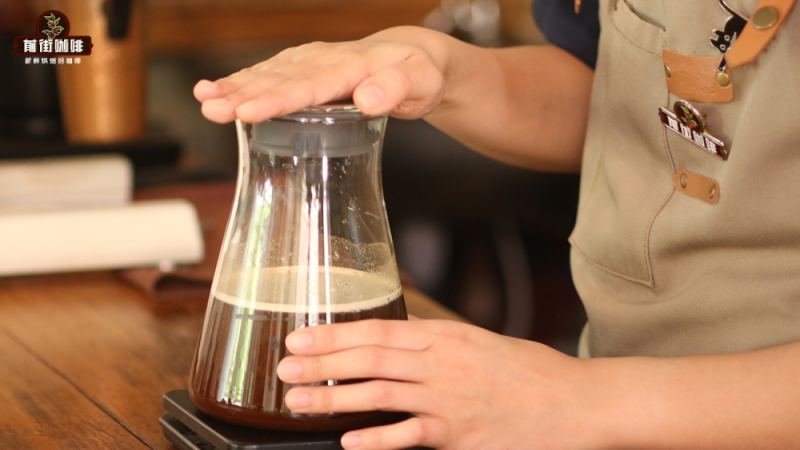
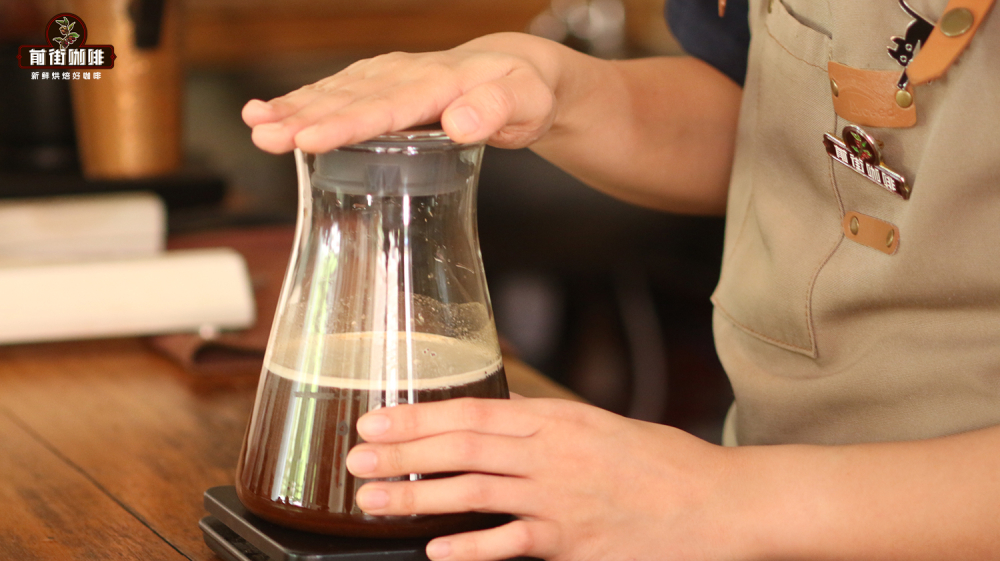
The reason is obvious: it saves trouble. Compared with other freshly ground coffees, cold brew only requires grinding the beans the night before, adding water to soak, sealing and putting it in the refrigerator, then taking out the filter the next day, and you can pour the coffee into a cup and take it to work. It can be called one of the most worry-free and effortless coffees, and it is also a store-style coffee that we can easily reproduce at home.
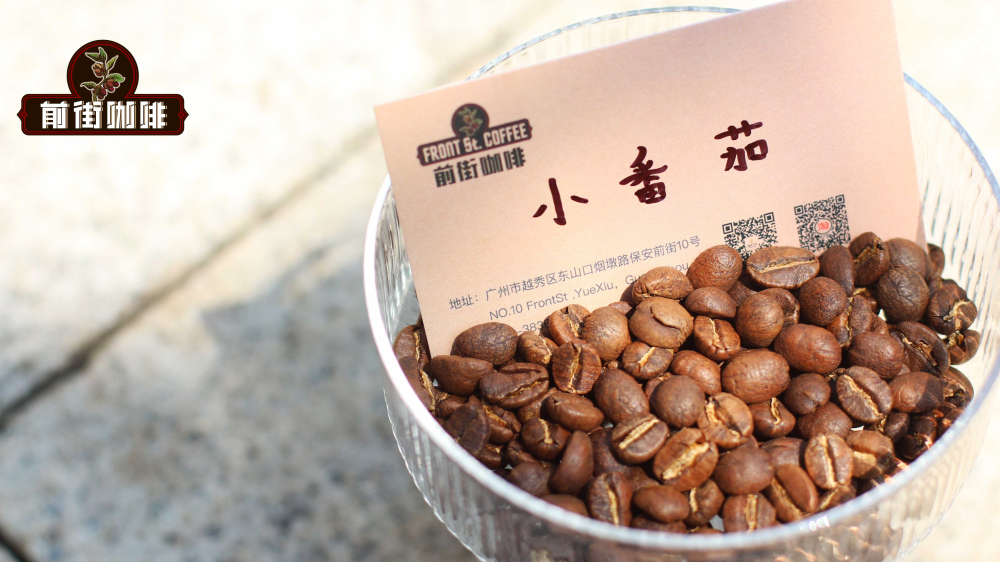
In addition, using your favorite coffee beans to make it, low-temperature soaking also brings a different fermented flavor. For example, using Front Street Kenya Little Tomato for cold brew, you can taste the notes of sour plum juice and cherry, accompanied by a slight fermented aroma and a full-bodied mouthfeel, which iced pour-over does not have.
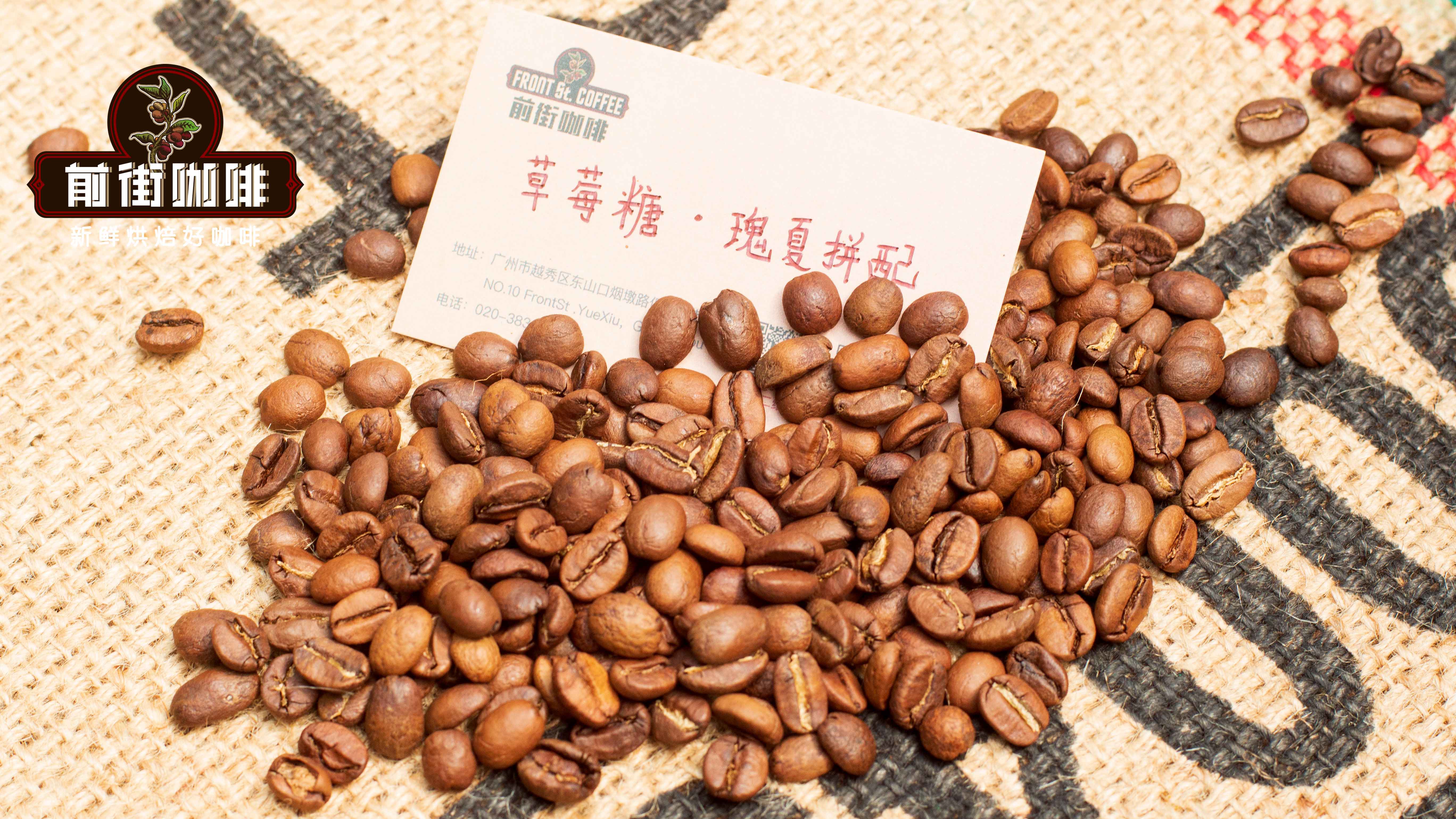
If it is Front Street Strawberry Candy cold brew, it presents flavors of grape, floral, dried fruit, and almond, delicate and sweet, very suitable for summer drinking.
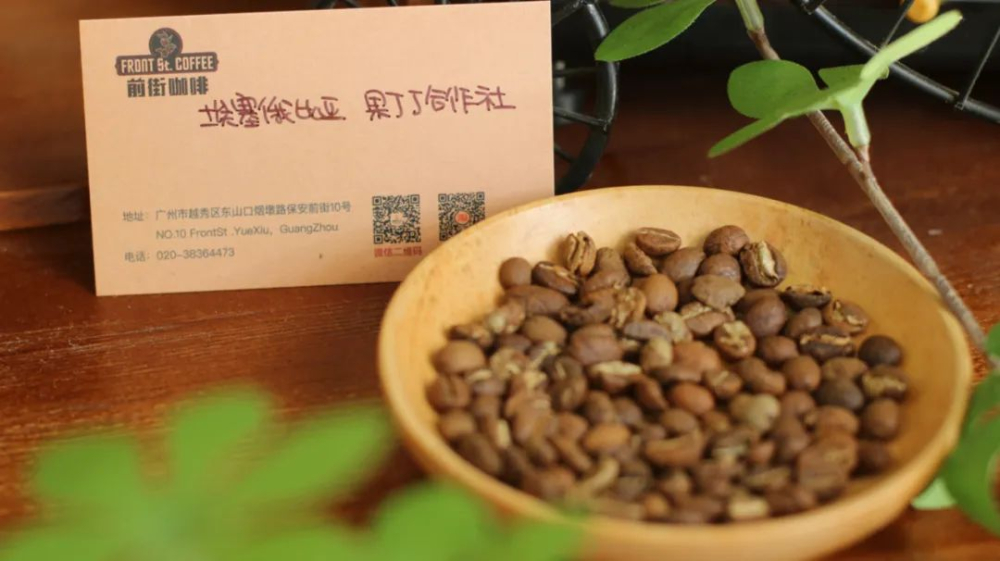
If you prefer coffee with a fruit tea-like quality, you can buy Front Street Gudingding Cooperative to make cold brew. Under low-temperature soaking, it not only has floral, citrus, grapefruit, and green tea notes, but also brings out the sweet aroma of honey.
What is the difference between high-temperature extraction and low-temperature extraction?
Everyone who drinks coffee knows that hot water-extracted coffee is most aromatic when freshly made, such as pour-over, espresso, siphon coffee, etc. But once left at room temperature for an hour or two, the volatile aromas in the coffee greatly diminish or even disappear completely as the temperature drops, so baristas always remind us: drink it while it's hot.
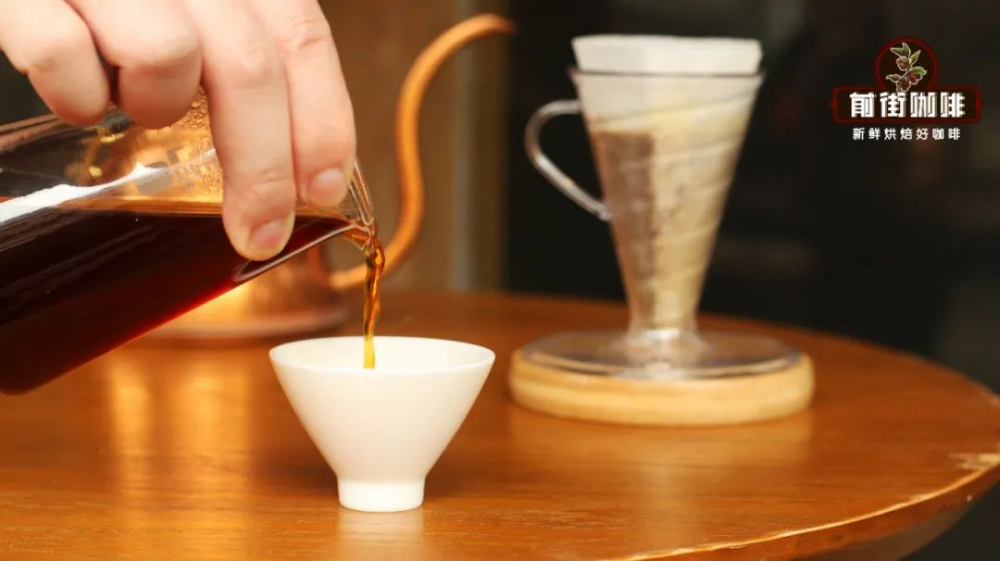
Conversely, cold brew and ice drip, which use cold water and take several hours of soaking or slow dripping, need a certain period of settling and "maturation" to achieve the ideal flavor and mouthfeel. In this type of cold coffee, all soluble flavor substances remain in a low-temperature environment, are not easily affected by temperature changes, and will not volatilize into the air in a short time, so as long as storage conditions are suitable, the shelf life will be longer.
After the cold brew is made, should it still be refrigerated?
For the cold brew routinely produced in stores, Front Street puts it in the refrigerator sealed for 3–4 hours after filtering out the grounds, and then sells it. In fact, we also know that freshly made cold brew is fine to drink directly, and the taste is not bad. So why refrigerate it again?
After ice drip coffee extraction is completed, it should be put into a clean container and then placed in the refrigerator overnight to taste better. This is a habit many experienced friends have long developed. Staying in the refrigerator overnight, that is, sealed storage in a low-temperature environment, can be simply understood as "maturation," with two purposes: controlling fermentation and avoiding spoilage.
The surface of a home refrigerator looks clean, but in fact there are still many microorganisms that are difficult to see with the naked eye, and a little carelessness may lead to food spoilage or deterioration. Therefore, to ensure that the coffee is not contaminated by the outside, the container we use must be well sealed and cleaned thoroughly. Low-temperature storage can not only inhibit the reproduction rate of certain bacterial colonies, but also allow the substances in the coffee to undergo a slow and controllable fermentation process. This also explains why the longer ice drip is stored, the stronger the fermented flavor of the coffee becomes.
Compared with ice drip extracted at room temperature, cold brew, which lets water soak the coffee grounds all night, actually already has a relatively complete flavor. At this time, re-chilling the coffee liquid for a few hours is more about allowing the water-soluble substances to ferment further, so as to bring a clearer and mellower coffee taste.
How many days can refrigerated cold brew be stored at most?
Front Street has noticed that many friends who want convenience will brew a large pot of coffee at one time and store it in the refrigerator, then pour it out when they want to drink. This also leads to the problem that if no mark is made, it is easy to forget how many days the coffee you made has been in the refrigerator and whether it will spoil.
First, the fermentation process of low-temperature extraction cannot be interrupted. Refrigeration only slows down the fermentation speed of the coffee, and as time goes by, the substances dissolved in the water continuously change, and eventually it will spoil. In addition, every time we open the bottle cap, the coffee liquid actually comes into contact with the air. This not only causes the aroma to dissipate, but may also bring bacteria into the container.
To understand the effect of storage days on the flavor of cold brew, Front Street recorded two pots of cold brew and tasted them when freshly made, refrigerated for 1–2 days, 3–4 days, 5–6 days, and 7–8 days, respectively. Finally, it was found that the coffee taste was best within the 1–4 day refrigeration range.
Generally speaking, considering flavor experience and health safety, whether it is ice drip or cold brew, as long as it is an extraction method carried out in a low-temperature environment, Front Street recommends that everyone drink it within 5 days (counting from the production day).
If you operate as in Front Street's previous articles and use warm water to quickly make cold brew, the enjoyable period will be shorter. Because higher water temperature increases the release rate of flavor substances, compared with cold brew made with room-temperature water, warm-water cold brew is more prone to breeding microorganisms in the refrigerator. Therefore, Front Street believes it is best to drink it within 2 days to avoid gastrointestinal discomfort.
The above content is compiled by CoffeeHunters, a coffee news website.


