







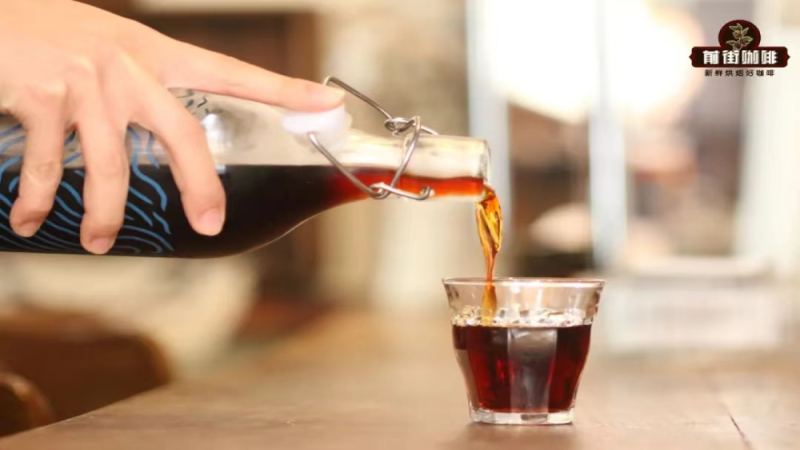
How does a cold brew coffee tutorial separate it from ice drip?
Cold brew coffee broadly means any coffee extracted with low-temperature water, a group that includes ice drip, cold steep, and iced coffee. In everyday use, though, cold brew usually means cold steep, where grounds are mixed with cold water and left in the refrigerator for about twelve hours before filtering. Ice drip instead relies on a tower dripping ice water through the grounds.
The extraction method drives the flavor: immersion in cold steep preserves the bean's own character with a full, layered body, while drip filtration gives ice drip a clean, transparent profile with a fermented aroma. Bean choice matters, and light or fruity lots suit summer brewing. A simple tutorial coffee definition approach is to pick one method and adjust grind and ratio.
Cold brew, cold steep, and ice drip are three coffee names that are often used interchangeably, leaving many coffee enthusiasts confused. From Front Street's perspective, this article first clarifies the differences among the three in terms of definition and extraction principles, then explains their respective taste characteristics. It then offers suggestions on bean selection for cold brew coffee, recommending Front Street Fruit Ding Ding, Front Street Flower Chief, Front Street Xizhua, and other beans suitable for summer cold brew. Finally, it includes a simple cold brew operation plan, covering grind size, coffee-to-water ratio, the effect of refrigeration time on flavor, as well as filtering and resting steps, to help readers make a full-flavored, clean-tasting cold brew coffee at home.
Friends often come to Front Street asking how exactly to distinguish cold brew coffee, ice drip coffee, and cold steep coffee. This time, Front Street will gather everyone's questions and clarify them one by one.
In terms of definition scope, cold brew coffee broadly refers to any coffee extracted using a low-temperature method; ice drip coffee, cold steep coffee, and iced coffee all fall under this broad category. In daily life, however, many people are used to equating cold brew coffee directly with cold steep coffee. In other words, in the narrow sense, cold brew coffee means cold steep coffee.
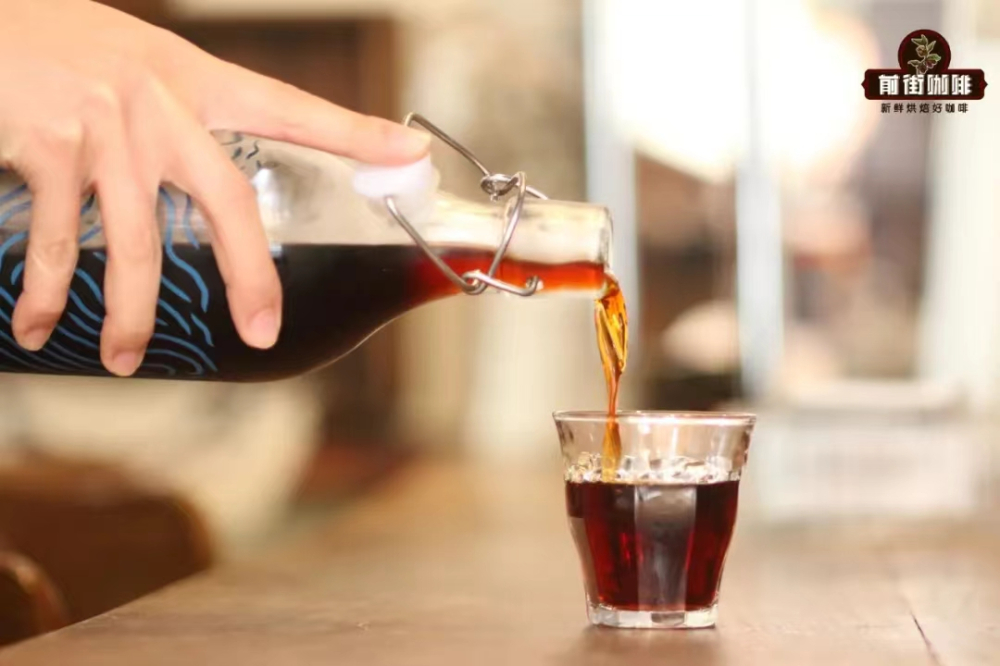
The core difference between cold brew coffee (that is, cold steep coffee) and ice drip coffee lies in the extraction method: the former relies on immersion, while the latter relies on drip filtration.
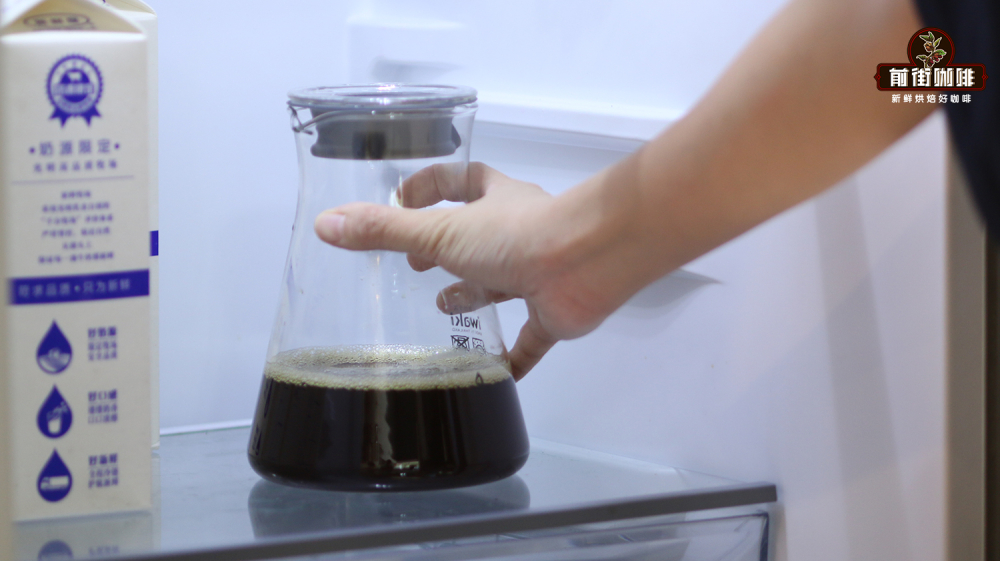
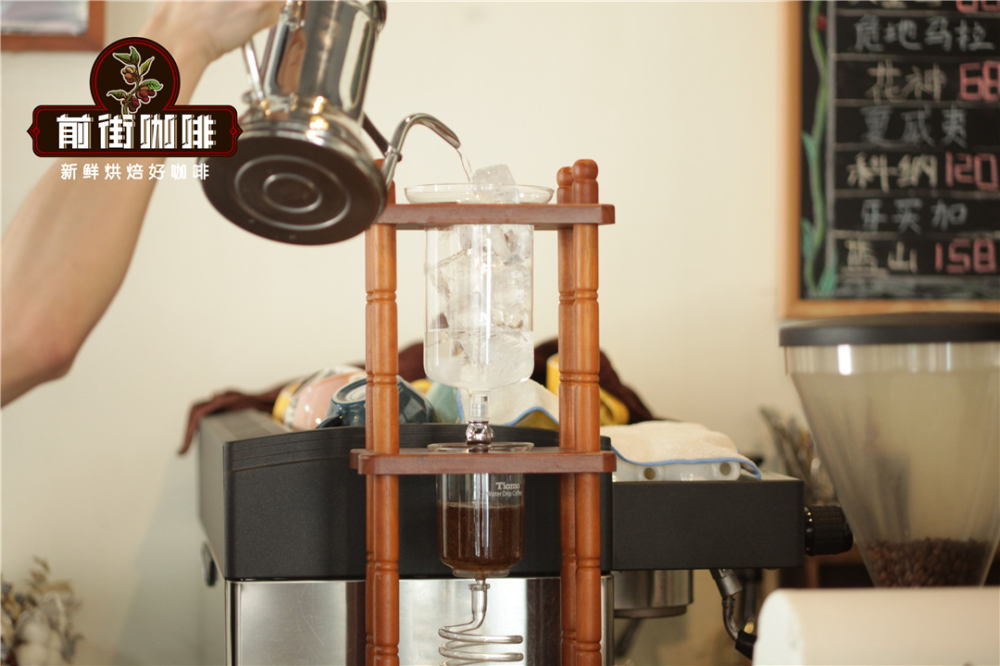
To make cold brew coffee, the usual approach is to mix coffee grounds with cold water in a certain ratio, stir well, seal it, and put it in the refrigerator to extract slowly. After about 12 hours, take it out, filter out the coffee grounds, and it is ready to drink. Ice drip coffee, on the other hand, requires an ice drip tower; you adjust the speed at which ice water falls drop by drop, letting the water pass through the coffee grounds layer one drop at a time to complete extraction.
Because of this, cold brew coffee tends to better preserve the flavor of the coffee beans themselves, and its taste layers also feel rich and full. Ice drip coffee, meanwhile, shows a clean, transparent, and refreshing character, while carrying the intense fermented aroma unique to the ice drip method, fully displaying the personality of this extraction style.
What coffee beans to choose for cold brew coffee
In fact, any type of coffee bean can be used to make cold brew; it is just that different origins, roast levels, and processing methods will produce different cold brew flavors. For summer cold brew, if you are after a refreshing and bright taste, you can prioritize Front Street Fruit Ding Ding and Front Street Flower Chief;
If you prefer black coffee with rich fruit aromas, you might choose Front Street Xizhua. This bean comes from Colombia's Diviso Estate, and when used for cold brew it can present full aromas of passion fruit, grape, apricot, and dried fruit.
Suggested cold brew operation plan
There are many ways to make cold brew, and all of them can produce good flavor. Front Street here shares a relatively simple plan for everyone's reference.
As for the container, either a mineral water bottle or a glass bottle will do, as long as the lid can seal properly. Grind the coffee slightly finer than for pour-over, roughly equivalent to a coarseness with an 85% passing rate on a No. 20 sieve.
Using 40 grams of coffee grounds as the base, pour the grounds into a glass bottle, then add 500 milliliters of room-temperature drinking water; the coffee-to-water ratio is 1:12. Next, use a stirring rod to mix the coffee grounds and water evenly, seal it, and place it in the refrigerator.
The cold brew time is recommended to be controlled between 12 and 24 hours. The longer the immersion, the stronger the taste, but it is best not to exceed 24 hours.
After 8 hours of immersion, the coffee will show a bright and refreshing acidity. After 16 hours of immersion, the flavor will become round and full, with ample sweet-and-sour balance. After 24 hours of immersion, the taste will lean toward thick, rich, and balanced.
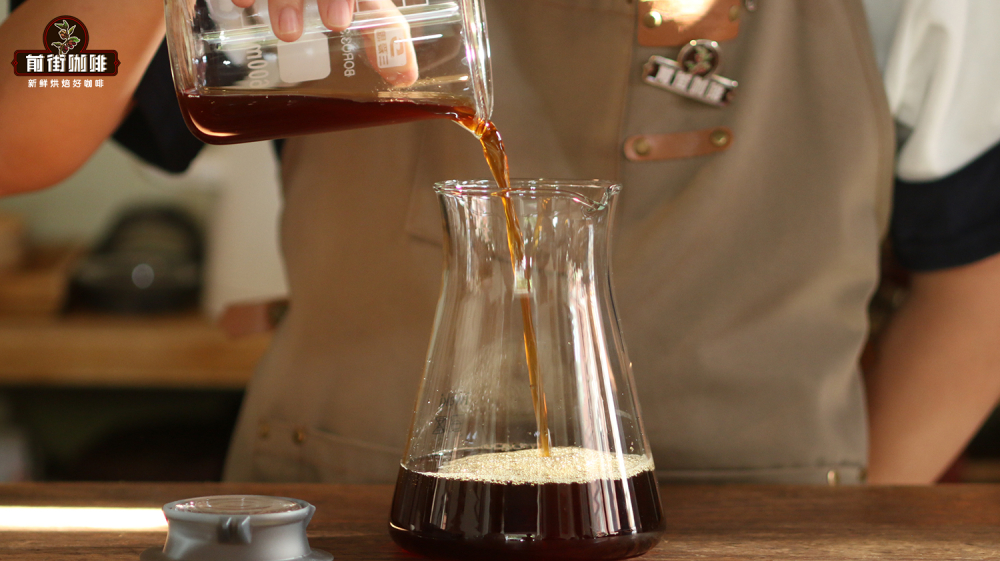
After refrigeration is complete, you can use filter paper to remove the coffee grounds. Front Street suggests putting the clean filtered coffee liquid into a bottle and refrigerating it for another 4 hours before drinking; this way, the aroma of the cold brew coffee will be better.
The above content is compiled by CoffeeHunters, a coffee news website.


