








What Kind of Coffee Is Ice Drip Coffee?
Ice drip coffee is a type of cold brew coffee. It is made by letting ice water drip slowly through coffee grounds for a long time, which stretches out extraction because cold water has weak extracting power. A flow restrictor on a traditional ice drip pot controls that slow, drop-by-drop pace so the grounds are extracted fairly completely.
An ice drip pot is not required at home. A dripper, filter papers, coffee grounds, and ice cubes can replace it. The article covers equipment, brewing parameters, operating steps, common mistakes, how a dripper's structure differs from an ice drip pot, and how long the finished coffee keeps in the refrigerator and at room temperature.
In hot weather, a glass of ice drip coffee always brings refreshing coolness. The ice drip at Front Street stores has recently been in short supply, and many people choose it not only because its flavor is different from ordinary iced coffee, but also because they feel they cannot make it at home. Actually, with just a dripper, a few filter papers, coffee grounds, and ice cubes, you can put together a simple "home-version ice drip pot." This article breaks down in detail the equipment, parameters, operating steps, and common mistakes of this method, while also explaining the extraction impact caused by the structural differences between the dripper and the ice drip pot, and provides a list of Front Street beans suitable for making ice drip. Finally, it also explains how long ice drip coffee needs to be refrigerated and fermented after it is formed, and how long it can be stored under refrigeration and at room temperature respectively.

As temperatures climb day by day, the ice drip coffee at Front Street stores has once again entered a state of short supply. In conversations with customers, Front Street found that people prefer ice drip because, on the one hand, its mouthfeel and taste are indeed distinct from common iced coffee, and on the other hand, many people believe they simply cannot make it at home.
Ice drip coffee is a type of cold brew coffee. It relies on ice water dripping for a long time to complete extraction, and usually requires a special device called an ice drip pot. The extraction power of ice water is inherently weak, so the flow restrictor on the ice drip pot is used to control the ice water into a drop-by-drop form, thereby lengthening the extraction time and allowing the coffee grounds to be extracted relatively completely.
However, for ordinary enthusiasts, an ice drip pot is not something they must buy. Its frequency of use may not be high, its price is not exactly cheap, and its operating steps are rather cumbersome, so many people would rather go out and buy a cup than spend money specifically to add a pot.
But ice drip coffee is not something that can only be made with an ice drip pot. There happens to be an alternative idea, and the equipment required is extremely simple, while the operation is easy and effortless, not complicated at all.
That's right, this is a method Front Street has shared many times and that is also quite popular online—using ice cubes plus a dripper to replace the ice drip pot, and still being able to make ice drip coffee.
The method is not difficult: find a dripper, add coffee grounds, then pile ice cubes directly on top of the coffee grounds, and a simple "home-version" ice drip pot is built. As time passes, the ice cubes slowly melt into water, and when they drip down, extraction begins. As long as the production environment is not especially stuffy and hot, the ice cubes do not melt as quickly as imagined, so the coffee can still be extracted fairly fully, making a cup of rich-tasting ice drip coffee.
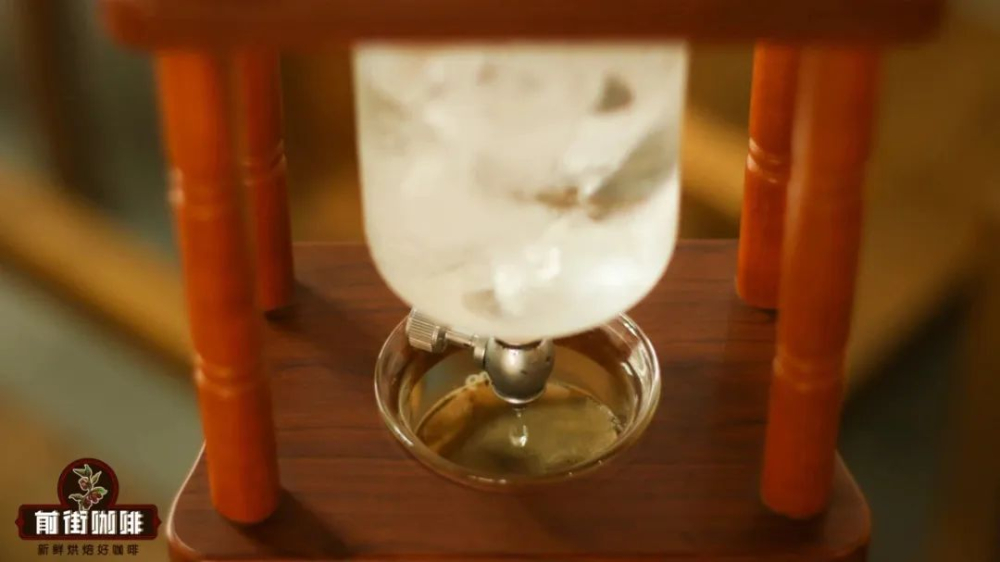
Although the steps are simple, there are quite a few points that need attention. One wrong step may make the extraction incomplete and the taste bland. So when Front Street shares the production process, it lists the pitfalls one by one, and everyone should try to avoid these minefields during operation.
"Home-version" ice drip coffee
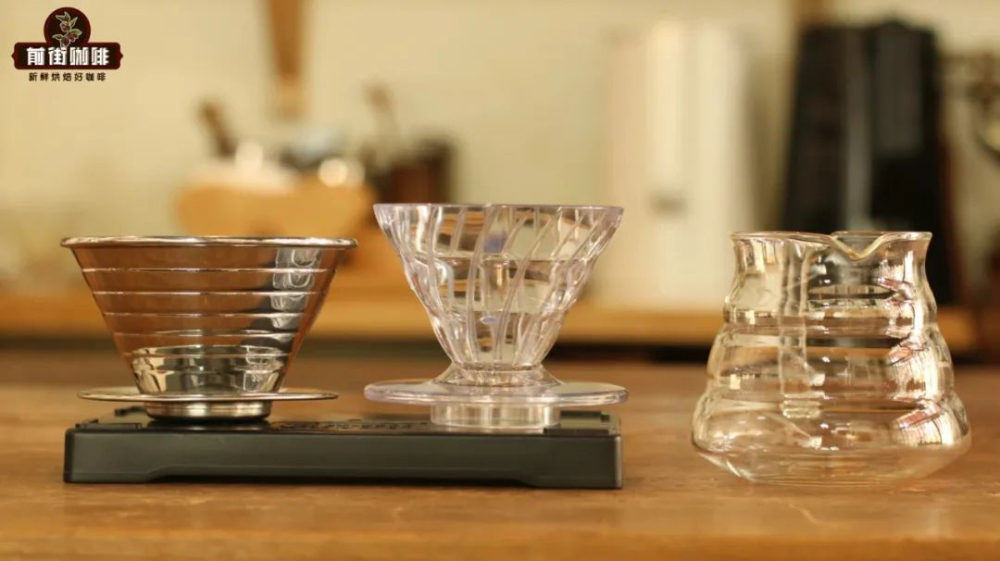
First, let's talk about the equipment to prepare: any container for catching the coffee liquid, 1–2 any coffee drippers, and 2 filter papers matching the dripper size. For materials, only coffee grounds and ice cubes are needed. Yes, just those few things usually used for pour-over coffee, and nothing more.
For this demonstration, the bean Front Street selected is Costa Rica's Strawberry Candy, and everyone can also choose beans according to their own taste preferences.
Coffee recommendations suitable for ice drip: Front Street. Huakui
As an African specialty coffee that is a must-drink for beginners, Front Street Huakui uses Ethiopia's most traditional natural process. It is full of tropical fruit flavor, and after being made into iced coffee it is sweet, sour, and aromatic, with floral notes and a sweet-and-sour fruitiness, low bitterness, and a refreshing mouthfeel, suitable for drinking on its own.
Coffee recommendations suitable for ice drip: Front Street. Blackberry
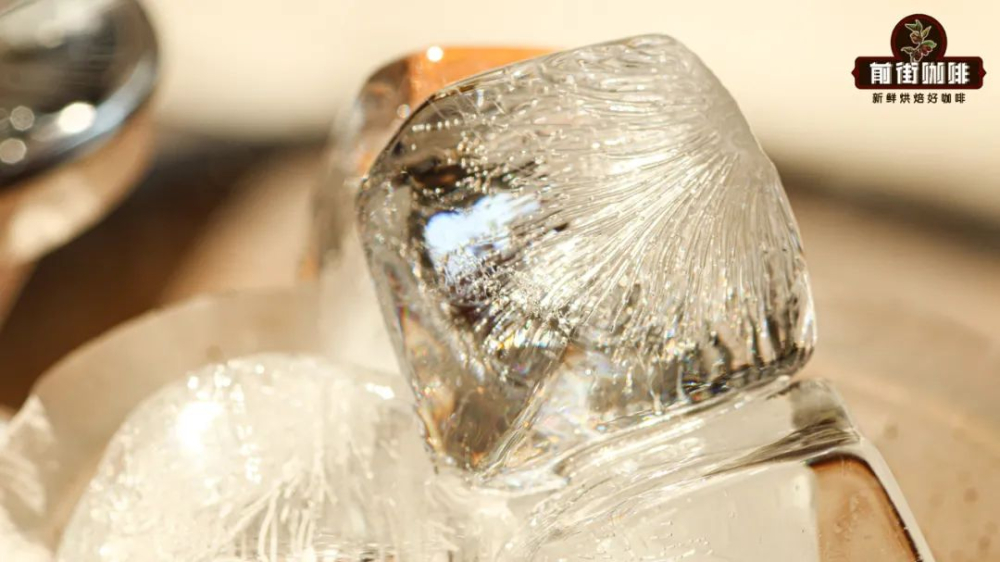
Front Street Blackberry coffee uses a unique black honey process. Different from both natural and washed processes, it retains only the coffee mucilage for drying, giving the green beans a sweet aroma. When made into various iced coffees, it presents flavors of grape, flowers, and orange, with a light and elegant mouthfeel, while also carrying a lingering aftertaste of mulberry and berries.
Coffee recommendations suitable for ice drip: Front Street. Sidra
This is a Front Street Sidra coffee bean from Finca La Divisa in Colombia's Huila region, grown at an altitude of 1700 m, and processed with double anaerobic natural method. The flavor of Front Street Sidra is full of rich passion fruit and grape, along with the clean sweetness of candied fruit and a mandarin-like acidity, and after swallowing there is still an almond-like finish in the mouth, which is why it has attracted many fans to repurchase.
Coffee recommendations suitable for ice drip: Front Street. Mozart

Front Street Mozart comes from Costa Rica, a famous specialty coffee producing region, and uses a very special raisin honey process, allowing the sweetness of the mucilage layer to penetrate into the interior of the coffee beans and presenting rich ripe fruit notes. When used to make iced coffee, it shows very obvious flavors of blueberry, black grape, and alcoholic fermentation, with a refreshing mouthfeel and a lingering fragrance on the palate.
After choosing the coffee beans, there is one point regarding the parameters that must be especially noted, which is grinding.
Generally speaking, the powder chamber of an ice drip pot is designed as a narrow, long cylinder. This structure can increase the thickness of the coffee bed, allowing water to pass through more coffee grounds and extract more substances. A dripper is exactly the opposite: to make extraction more uniform, it is usually designed narrow at the bottom and wide at the top. When the same amount of grounds is poured into a dripper, the coffee bed formed is not as thick as the powder chamber of an ice drip pot, which means that with the same amount of water, because the path is shorter, the amount of substances finally extracted will be reduced.
Therefore, if you want the coffee grounds to achieve the same extraction yield, it is best to adjust the grind one step finer than the original setting. After making it finer, the gaps between particles become smaller, so the area through which water needs to flow increases, and extraction can be complete. The parameters are as follows:
Coffee dose: 25g Coffee-to-ice ratio: 1:10 Grind level: Ek43 setting 8.5, 90% passing rate on a No. 20 sieve (a little finer than caster sugar, two steps finer than the grind for hot pour-over)
Once the materials are prepared, you can start making ice drip coffee. First wet the filter paper, pour in the coffee grounds, then use an amount of room-temperature water equal to the grounds to "bloom" the coffee grounds.
The blooming here is not for degassing, but to wet the coffee grounds so that the ice water dripping later can, through capillary action, extract coffee grounds beyond the range. It is worth noting that in this step it is best to keep the pouring height as low as possible and reduce the amount of water poured, to prevent the coffee bed from being dug into holes by the water, which would then lead to under-extraction.
After pouring, some water will pass through the coffee layer and fall directly into the lower pot. At this time, pour all of this water away, because its temperature is too low and it has not carried much coffee substance; keeping it will only dilute the coffee extracted later.
Then, cut two filter papers close in size to the surface of the coffee bed (if the amount of grounds is not large, round filter papers are also fine), spread them flat on the coffee bed, and wet them. Because the ice water drips down in the form of droplets, in order to let them better and evenly extract the coffee grounds, filter paper is needed to disperse them. This step must not be ignored.

After the filter paper is laid, you can place the ice cubes directly on the filter paper. Since the space on the dripper is not large and cannot hold all the ice cubes needed, you can add them in batches.
If you have two drippers, you can also directly use one dripper to hold the ice cubes (as shown in the method on the right below). In this way, you can add all the ice cubes at once, without having to keep watching the melting progress to decide whether to add more ice. Note here that you must line the dripper holding the ice with filter paper before adding ice; otherwise, when the ice cubes melt to a certain size, they will directly pass through the drip holes and deliver a "heavy blow" to the flat coffee bed.
Finally, you only need to wait for all the ice cubes to melt, then remove the dripper, and the coffee extraction is complete.

But at this point, the making of ice drip coffee is not yet finished. At this time, the ice drip coffee has not yet taken shape and needs long refrigeration to let the flavor and alcoholic aroma ferment out. So at this point, use plastic wrap, or prepare an additional sealed bottle, to seal the ice drip coffee well, then put it in the refrigerator to chill.
After 8 hours, the ice drip coffee is officially declared complete. At this point, you can choose to enjoy it with ice, or extend the refrigerated fermentation time to make its alcoholic aroma stronger.
The above content is compiled by CoffeeHunters, a coffee news website.


