







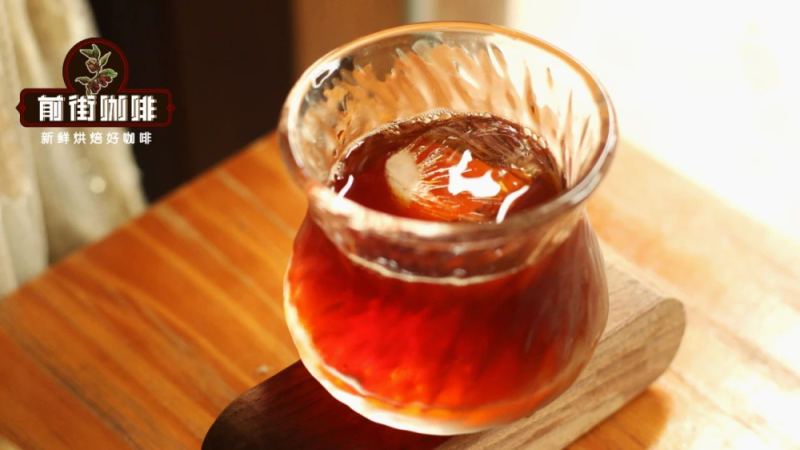
How does ice drip coffee differ from cold brew at home?
Ice drip coffee passes a slow mixture of ice and water, drop by drop, through a bed of coffee grounds over 6 to 12 hours, which is why it costs more in cafés. Cold brew coffee instead steeps grounds in cold water, so it needs no specialized tower equipment and can be made at home with a simple jar and filter.
Both methods extract at low temperature, which keeps bitterness low and clarity high. Grind size, coffee dose, and coffee-to-water ratio decide the result, and refrigeration time shapes sweetness. Beans such as Kenya and Red Cherry, a coffee bean mixture suited to cold extraction, are recommended starting points for summer brewing.
On a scorching summer day, a glass of icy coffee is nothing short of a lifesaver. But what exactly is the difference between ice drip coffee and cold brew coffee? Can you make delicious iced coffee at home without professional equipment? Front Street Coffee will systematically walk you through the equipment components and operating procedures of ice drip coffee, while also providing a cold brew coffee method that requires no complicated gear. From coffee dose and grind size to coffee-to-water ratio, from bean selection to refrigeration fermentation time, this article will also explain the principles behind low-temperature extraction and recommend two beans suitable for cold brew—Kenya and Red Cherry—to help you easily enjoy clear, sweet, and refreshing iced coffee during the hottest days of summer.
For more specialty coffee knowledge, please follow: Front Street Coffee (Frontsteet Coffee)
The cicadas outside the window are singing merrily, and the dog days of summer have only just begun. Heat waves ripple endlessly off the pavement, and even the water from the kitchen tap feels warm. No sooner had Front Street's barista opened the shop than a customer walked in asking if there was cold brew coffee. To get through the remaining forty days—the most unbearable stretch of the year—it's truly hard to manage without a glass of iced coffee at hand.
Cold brew coffee Just hearing the name makes you feel cool and refreshed, but every time Front Street Coffee (FrontStreet Coffee)'s baristas ask people about the difference between ice drip coffee and cold brew coffee, most can't answer. Below, Front Street Coffee (FrontStreet Coffee) will explain what ice drip coffee is, what cold brew coffee is, and how to make a glass of iced coffee at home.
As summer arrives, more and more cafés are putting ice drip coffee back on their menus. What exactly does ice drip coffee mean? Simply put, it's a method where a mixture of ice and water drips slowly, drop by drop, through a bed of coffee grounds to complete the extraction. Because the process is very slow—often lasting 6 to 12 hours—ice drip coffee usually comes with a higher price tag.
On Front Street Coffee (FrontStreet Coffee)'s menu, limited by equipment conditions, cold brew coffee is offered only as ice drip coffee. At the same time, the relatively complex ice drip equipment has discouraged many who want to try it at home.
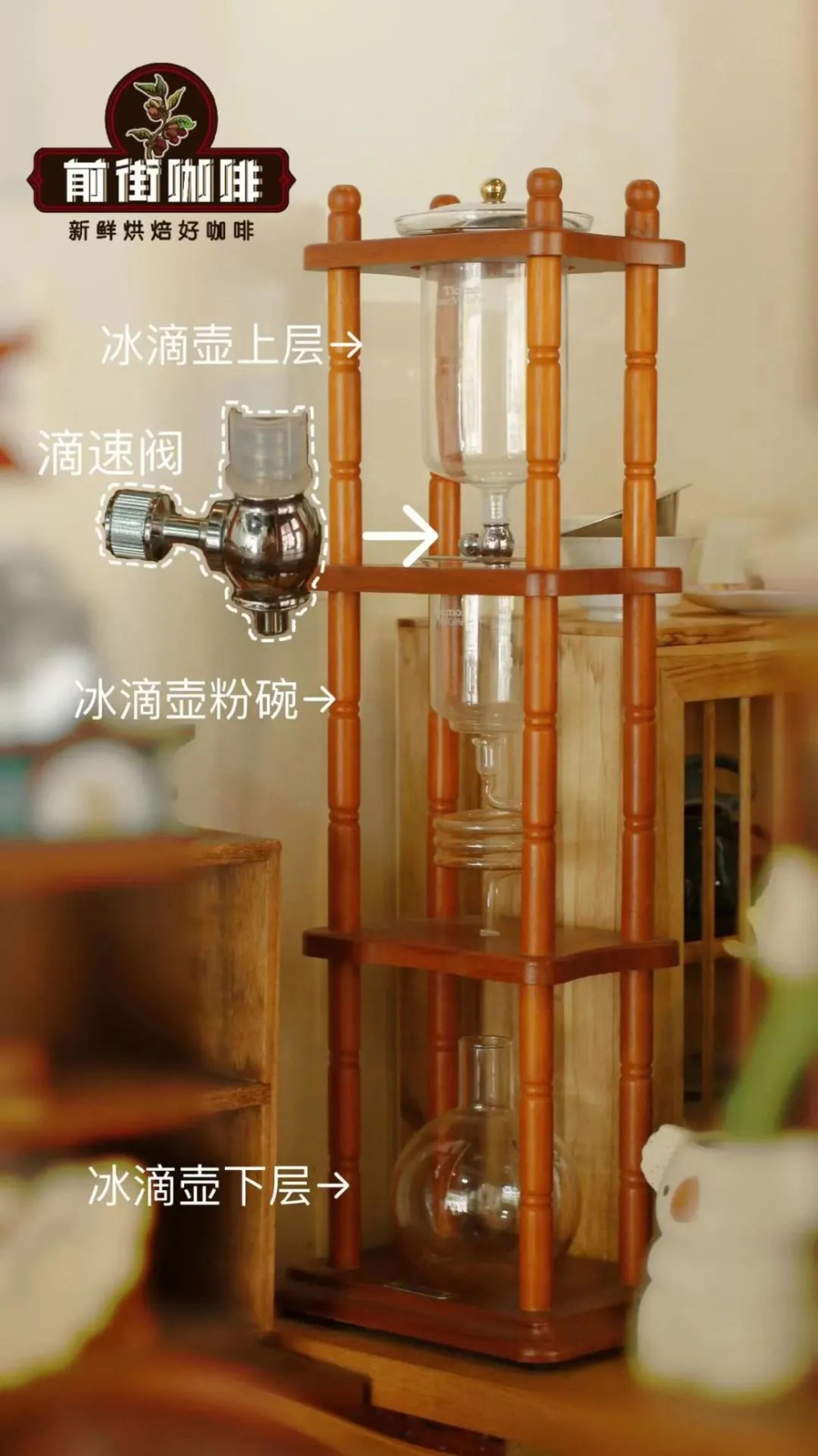
The ice drip coffee setup Front Street Coffee (FrontStreet Coffee) uses sits right next to the espresso machine. The whole apparatus consists of roughly five parts: a water reservoir, a regulating valve, a coffee powder cup, a serpentine tube, and a coffee liquid container. Each has its own role—the reservoir holds the ice-water mixture, the valve controls the drip rate, the powder cup holds the coffee grounds, the serpentine tube makes it easy to observe the color of the coffee liquid, and the container at the bottom catches the extracted coffee.
The specific steps Front Street Coffee (FrontStreet Coffee) follows when making ice drip coffee are as follows:
Coffee dose: 60g
Coffee-to-water ratio: 1:10
Grind size: 85% passing through a Chinese standard No. 20 sieve
Time: 6–8 hours
1. Take out the powder cup, wet the bottom and place a filter paper, pressing it flat
2. Pour the 60g of ground coffee into the powder cup, level the surface, and place a circular filter paper on top
3. Pour in a small amount of ice water or room-temperature water to wet the coffee grounds
4. Add an appropriate amount of ice-water mixture to the water reservoir
5. Adjust the regulating valve to a rate of 5 drops per 10 seconds
6. After extraction is complete, transfer the coffee liquid into a sealable container and place it in the refrigerator's cold storage to ferment overnight before drinking
Ice drip coffee equipment isn't cheap and takes a long time, so people aren't very motivated to make ice drip coffee at home. However, that doesn't mean you can't make cold brew coffee at home.
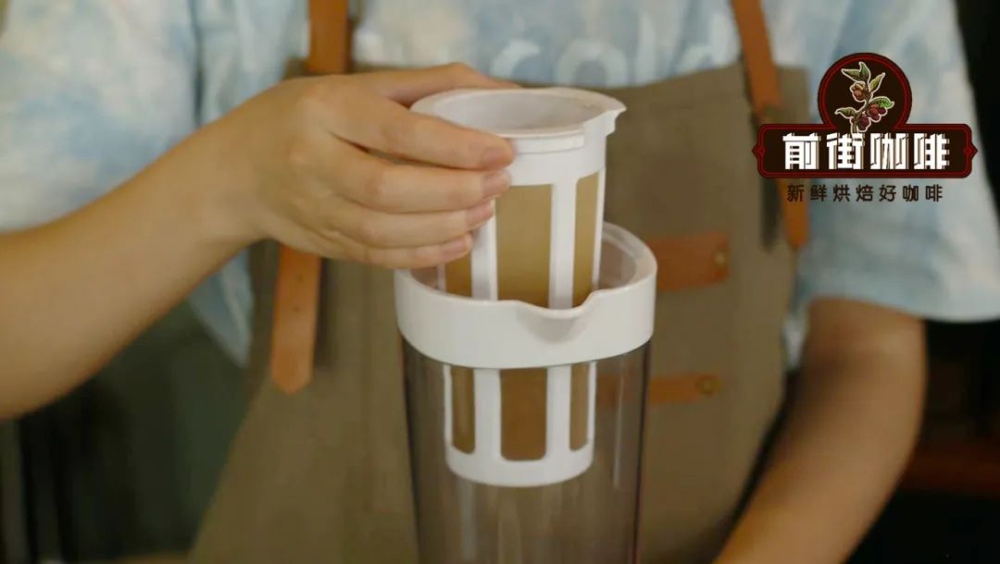
Even without ice drip equipment on hand, that shouldn't be a reason to give up on making cold brew coffee at home. Literally speaking, cold brew coffee is a beverage made by extracting coffee grounds with low-temperature water. By this logic, ice drip coffee is a type of cold brew coffee, and cold brew steeped coffee is likewise a type of cold brew coffee.
So, wanting to enjoy ice-cold, refreshing coffee at home is actually not difficult at all. Next, Front Street Coffee (FrontStreet Coffee) will introduce the method for making cold brew steeped coffee.
The specific steps Front Street Coffee (FrontStreet Coffee) follows when making cold brew steeped coffee are as follows:
Coffee dose: 60g
Coffee-to-water ratio: 1:10
Time: 8–12 hours
Grind size: 85% passing through a Chinese standard No. 20 sieve
1. Choose a sealable container
2. Pour the ground coffee into the container
3. Add room-temperature water at a 1:10 coffee-to-water ratio
4. Refrigerate for 8–12 hours
5. Remove and filter
6. Seal the filtered coffee liquid and refrigerate for 12 hours before drinking
[About Grind Size]
The water temperature for cold brew coffee is relatively low, clearly different from the roughly 90°C water used in everyday pour-over. When extracting with low-temperature water, the rate of material exchange drops significantly, so besides extending the extraction time, you also need to grind the coffee beans finer to maximize the contact area between water and the surface of the coffee particles, allowing as much of the desirable flavor compounds in the grounds as possible to be released.
However, if the coffee is ground too fine, too many flavor compounds will be extracted, including unpleasant bitterness; if ground too coarse, the result will be muddled flavors and a thin body. After repeated testing, Front Street Coffee (FrontStreet Coffee) found that a grind size of 85% passing through a Chinese standard No. 20 sieve is ideal.
[About Coffee-to-Water Ratio]
Taste is a matter of personal preference. Everyone has different requirements for coffee strength—some like it strong, some prefer it light—so Front Street Coffee (FrontStreet Coffee) typically uses a 1:10 coffee-to-water ratio when making ice drip coffee, then adds ice cubes to the cup when serving. Those who want a rich flavor can drink it quickly, while those who prefer it lighter can wait for the ice to slowly melt; as the ice melts, the coffee concentration gradually decreases.
[About Coffee Beans]
Cold brew coffee is extracted over a long period at low temperature, so more small-molecule compounds in the coffee beans—such as floral notes and fruit acids—are extracted, while large-molecule bitter compounds like tannic acid are not easily extracted. Combined with the 12-hour low-temperature refrigeration fermentation after extraction, the flavor carries a distinct fermented quality along with the natural sweetness and aroma of the coffee beans, with a thick, smooth, and refreshing mouthfeel.
For this reason, when selecting beans for cold brew, Front Street Coffee (FrontStreet Coffee) generally leans toward coffee beans with good acidity or unique flavors. Among them, Kenya coffee beans and Honduras Sherry coffee beans are both excellent choices.
Front Street Coffee (FrontStreet Coffee): Kenya Small Tomato Coffee Beans
Region: Thika, Kenya
Washing Station: Asali Honey Washing Station
Altitude: 1550m–1750m
Variety: SL28, SL34
Processing Method: K72 Washed Processing
Front Street Coffee (FrontStreet Coffee): Ethiopia Red Cherry Coffee Beans
Region: Yirgacheffe, Ethiopia
Altitude: 2250m–2350m
Variety: Heirloom
Processing Method: Natural (Sun-Dried) Processing
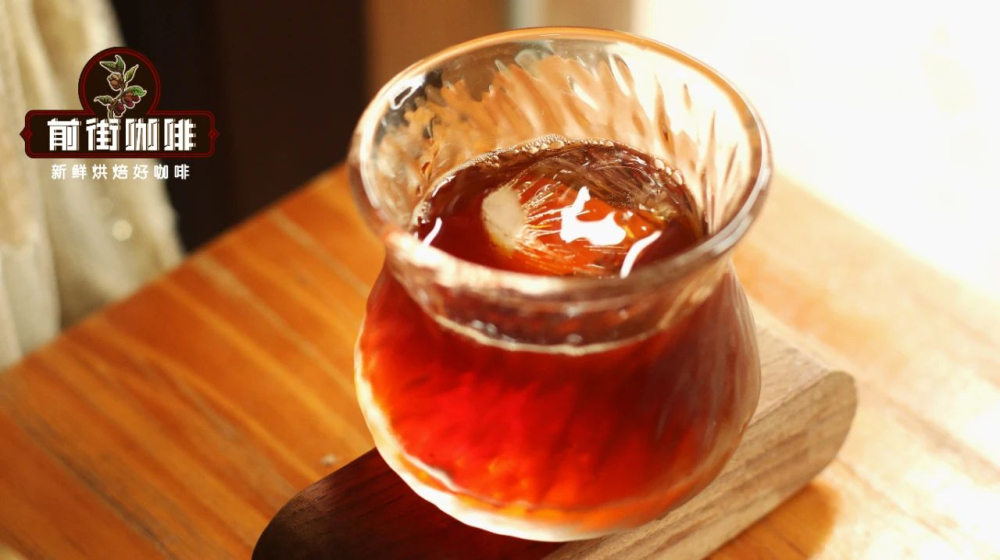
The ice drip coffee made with Front Street Coffee (FrontStreet Coffee)'s Kenya coffee beans carries flavors of smoked plum, cherry tomato, and caramel—sweet and tart overall, with a high degree of refreshment, perfect for quenching thirst and cutting through richness in the sweltering heat.
The ice drip coffee made with Front Street Coffee (FrontStreet Coffee)'s Red Cherry coffee beans, on the other hand, presents soft citrus, pomelo, and black tea flavors. With the boost of low-temperature long fermentation, the overall cup is as clear as fruit tea—truly unique.
The above content is compiled by CoffeeHunters, a coffee news website.


