







How is cold brew coffee different from iced coffee?
Cold brew coffee is extracted entirely with ice water over a long time, while ordinary iced coffee is brewed hot and then chilled or poured over ice. The low temperature pulls out fewer bitter compounds, so the finished cup tastes cleaner, gentler, and more distinct. A single serving needs specific grind parameters and a coffee-to-water ratio.
Hot brewing typically uses water between 82 and 95 degrees Celsius with extraction kept under three minutes; cold brew trades heat for time, which lets subtle flavor layers come through. Front Street Coffee suggests Huakui, Flower Butterfly, and Strawberry Candy for different taste preferences, plus a refrigerated shelf life for filtered cold brew.
Cold brew coffee has gained increasing favor among coffee enthusiasts in recent years thanks to its silky mouthfeel and clean flavor. How exactly does it differ from ordinary iced coffee? Which coffee beans are better suited for low-temperature extraction? In this article, Front Street Coffee (FrontStreet Coffee) will walk you through the extraction principles and flavor characteristics of cold brew coffee, and recommend three Front Street Coffee beans for different taste preferences—Huakui, Flower Butterfly, and Strawberry Candy. We'll also share the specific steps for making a single serving of cold brew, along with grinding parameters and coffee-to-water ratio. Finally, we'll explain the refrigerated shelf life of filtered cold brew coffee, helping you enjoy cold brew safely and with peace of mind at home.
Anyone who has tried cold brew coffee will probably never forget its silky mouthfeel and clean quality. Why does cold brew coffee attract so many enthusiasts? What exactly is the difference between it and ordinary iced coffee? In this article, Front Street Coffee (FrontStreet Coffee) will talk with you about what cold brew coffee really is.
Cold Brew Coffee and the Difference from Iced Coffee
Many people treat cold brew coffee and iced coffee as two different things, because what we usually understand as iced coffee is made by extracting with hot water and then adding ice cubes or chilling it, turning the coffee from a hot state into iced coffee—this is a more traditional approach.
The most fundamental difference of cold brew coffee lies in the fact that the entire extraction process uses ice water, relying on low temperature to extract the coffee's flavors. Because of the low temperature, the substances in coffee that easily bring out bitterness are released in smaller amounts, so the finished cup tastes more distinctive, more individual, and more gentle.
The Flavor Characteristics of Cold Brew Coffee
Low-temperature extraction combined with a long extraction time are the two notable features of cold brew coffee, and also the main differences between it and high-temperature extracted coffee. High-temperature extracted coffee uses hot water to brew coffee beans, with water temperatures typically between 82-95°C and a brewing time generally kept under 3 minutes.
Cold brew coffee, on the other hand, can more fully reveal the subtle flavor layers of coffee. Its acidity is soft, its sweetness is pronounced, its mouthfeel is bright, and its taste is mellow, making it more suitable for showcasing the unique flavors of a single-origin specialty coffee bean's place of origin.
What Coffee Beans Are Suitable for Cold Brew?
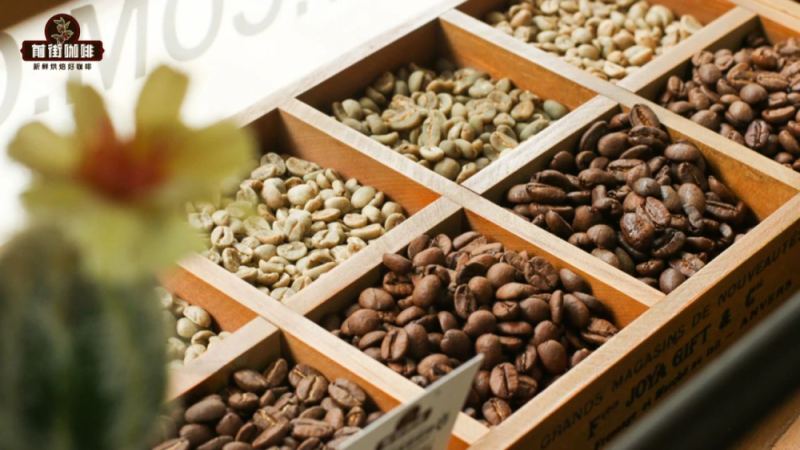
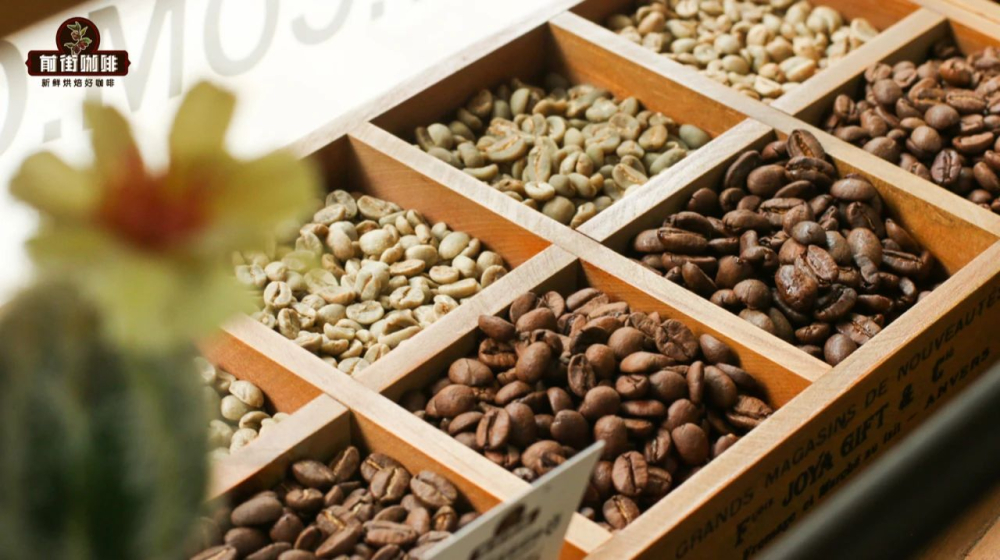
Low-temperature extraction doesn't easily draw out full-bodied substances, so when making cold brew coffee, it's better to choose freshly roasted coffee beans with a light-to-medium to medium roast level and a sweet-and-sour profile. Only freshly roasted beans can retain richer flavors and aromas, so all Front Street Coffee beans ordered will be shipped within 5 days after roasting is completed.
If you prefer intense fruity acidity, you can try "Front Street Huakui Coffee Beans." They come from the Hambela Buku processing station in the Guji region of Ethiopia, and are a sun-dried coffee. High-altitude cultivation gives these beans excellent flavor layers. Made into cold brew, they present berry-like sweet-and-sour notes, honey-like sweetness, and a black tea-like finish.
If you like floral and fruity aromas but don't want too much acidity, you can try "Front Street Flower Butterfly Coffee Beans." They come from the Boquete region of Panama, and are a blend of Geisha, Caturra, and Catuai varieties, belonging to a single-origin washed coffee. Geisha brings floral and fruity notes, while Caturra and Catuai contribute soft fruity acidity and body. Made into cold brew, they express a white-flower-like freshness, citrus-like soft acidity, caramel-like sweetness, and a green tea-like finish.
If you don't like acidity but want prominent fruity notes, you can try "Front Street Strawberry Candy Coffee Beans." This coffee carries raisin and fruit gummy flavors, and is blended from Costa Rican honey-processed coffee and Panamanian Geisha, always giving off elegant floral and fruity aromas when brewed. Made into cold brew, it presents multiple layers of flavors including rose, dried fruit, orange, and almond.
How Is a Single Serving of Cold Brew Coffee Made?
First, prepare a clean 200ml glass bottle with a lid that can be sealed, making sure it is oil-free.
Then weigh out 20 grams of coffee beans for cold brew, and grind to a medium grind, about the size of granulated white sugar (75% passing rate through a Chinese No. 20 standard sieve).
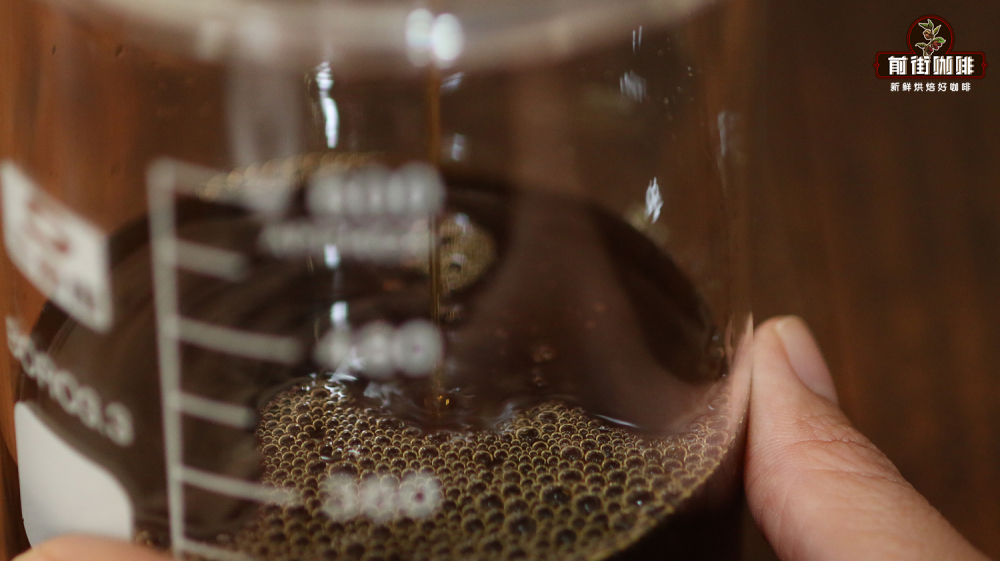
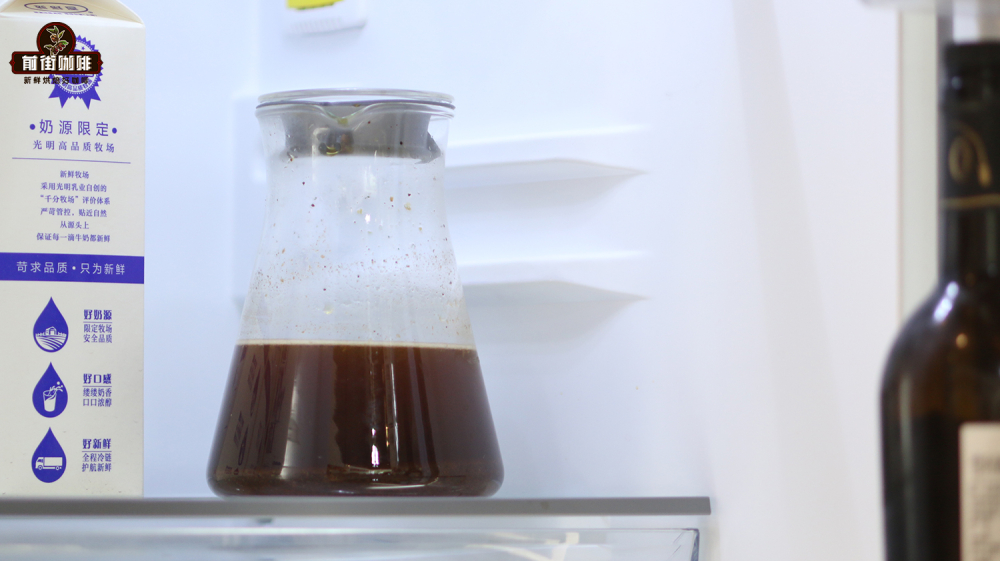
Put the ground coffee into the glass bottle, add room-temperature or ice water at a 1:10 ratio. Stir thoroughly to make sure all coffee particles come into contact with water, then seal and place in the refrigerator's cold storage area to steep for 8-12 hours. During this time, there's no need to shake it—just let it steep undisturbed.
After steeping is complete, use a filter tool or coffee filter paper to strain out the coffee grounds, and it's ready to enjoy.
The Shelf Life of Cold Brew Coffee
Some people have heard that cold brew coffee can be kept for 2-3 weeks, but Front Street Coffee (FrontStreet Coffee) does not recommend keeping it that long. After cold brew coffee has been extracted and the grounds filtered out, under sealed storage conditions, it is recommended to drink it within 72 hours.
Some people make cold brew coffee at home, and household refrigerators often store various meats and vegetables at the same time. Even with sealed storage, it's hard to completely avoid bacterial contamination. So after making cold brew coffee, remember to drink it as soon as possible.
The above content is compiled by CoffeeHunters, a coffee news website.


