







How Long Does Ice American Coffee Stay Good After Brewing?
Each style of chilled black coffee has its own drinking window. Hot pour-over should be finished before it cools completely, cold brew changes flavor across about five days in the fridge, and iced drip coffee keeps within three to four days. Adjusting when the cup is drunk, based on fermentation time, keeps the flavor from drifting.
Kenya Asali from Thika, an AA TOP lot of SL28 and SL34 with K72 washed processing, is the reference bean. Brewed on a Hario V60 #01 at 15g, 92°C, and a 1:15 ratio, it is bloomed with 30g for 30 seconds and finished near two minutes. The cup shows cherry tomato and smoked plum notes. An American coffee brewer can also produce the base for iced versions.
In the heat of summer, a glass of iced coffee always brings instant refreshment. But whether it's hot pour-over left to cool, cold brew, or iced drip coffee stored in the fridge, each has its own optimal drinking window. This article uses Front Street Coffee's Kenya Asali as an example, first introducing the brewing parameters and flavors of hot pour-over and Japanese-style iced pour-over coffee, then breaking down in detail the methods, coffee-to-water ratios, extraction times, and refrigeration recommendations for cold brew and iced drip coffee. You'll learn: why hot black coffee should be finished before it cools completely, how cold brew's flavor evolves within 5 days of refrigeration, why iced drip coffee is best consumed within 3–4 days, and how to adjust your drinking timing based on fermentation time—so every cup of iced coffee is at its best.
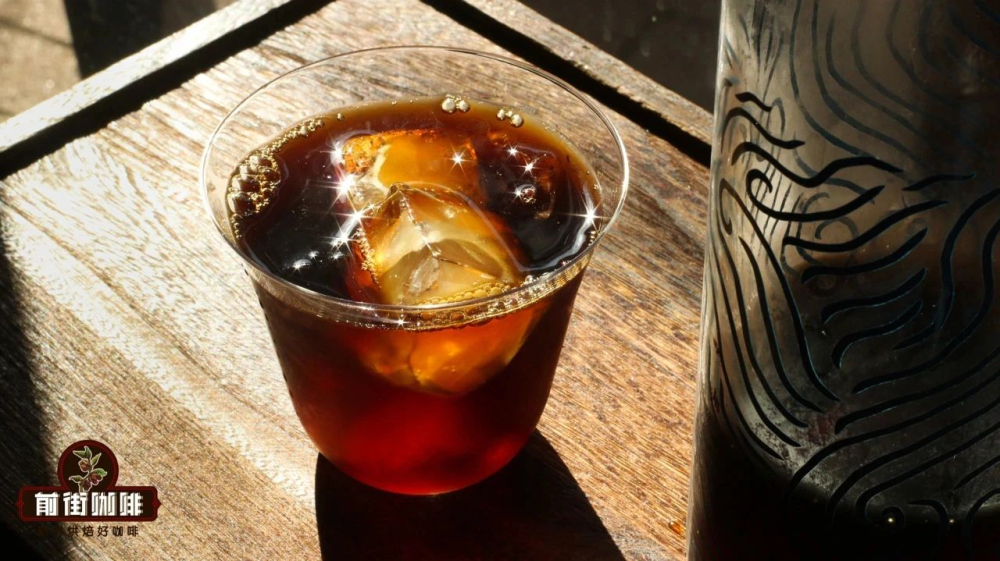
By late May, Guangzhou is already in full summer mode. If you ask those who come to Front Street Coffee what they'd like to drink, nine out of ten will say something iced. No wonder—in this muggy weather, walking the streets of Guangzhou without an iced drink in hand just doesn't feel right.
When it comes to brewing black coffee, the method most people are familiar with is probably the pour-over technique commonly used at Front Street Coffee. Let's take Front Street Coffee's Kenya Asali as an example.
Front Street Kenya Asali
Region: Thika, Kenya Washing Station: Asali Honey Washing Station Altitude: 1550m–1750m Grade: AA TOP Variety: SL28, SL34 Processing Method: K72 Washed Process
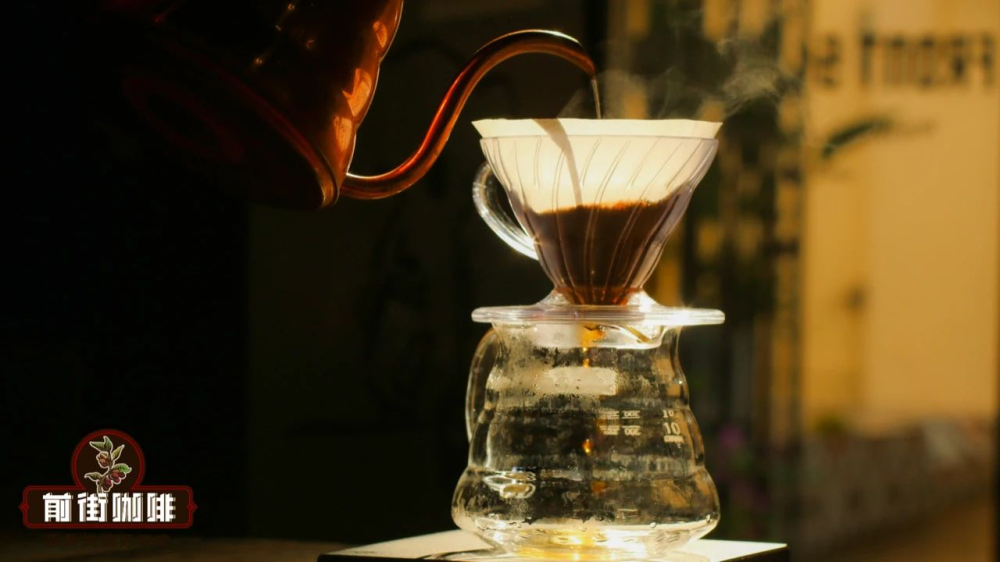
Dripper: Hario V60 #01 Dose: 15g Water Temperature: 92°C Coffee-to-Water Ratio: 1:15 Grind Size: 80% passing through China Standard No. 20 sieve
Start with a 30g bloom for 30 seconds, then pour in a circular motion with a slow stream. At 125g, pause for one stage. When the water level is about to expose the coffee bed, continue pouring until 225g and stop. When the water level is nearly at the bottom, remove the dripper. Timing from the start of the bloom, the total extraction time is about 2 minutes 00 seconds.
Flavor Description: The wet aroma has cooked tomato and floral notes. On the palate, there are notes of cherry tomato and smoked plum, with bright acidity, a clean body, and rich layers. The mid-palate has distinct sweetness with a juicy mouthfeel. The finish carries berry aromas and brown sugar sweetness, accompanied by green tea fragrance.
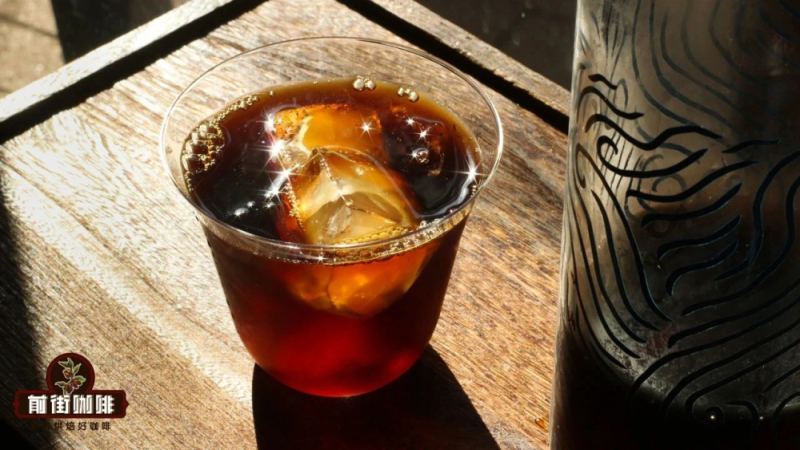
Black coffee brewed with hot water is best finished before it cools completely. According to Front Street Coffee's experience, most hot-brewed black coffees develop a particularly pronounced astringency once fully cooled—sometimes even becoming undrinkable. As for Japanese-style iced pour-over coffee, it's best consumed before the ice cubes fully melt, otherwise the coffee's flavor gets diluted and weakened.
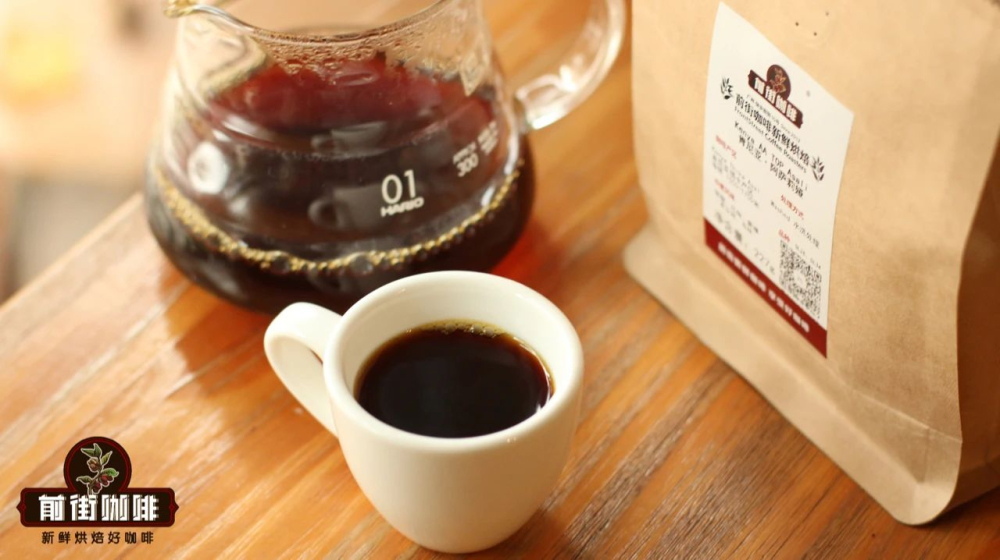
The method for Japanese-style iced pour-over coffee is largely similar to hot pour-over—both use high-temperature water poured over coffee grounds for extraction. The difference lies in the coffee-to-water ratio and grind size: Japanese-style iced pour-over uses a 1:10 ratio with an extraction time of about 2 minutes, primarily extracting floral and fruity acidity from the early and mid stages, with fewer compounds extracted in the later stages. The overall extraction yield is lower than regular hot pour-over, so the grind size should be finer than usual to compensate for the lower extraction yield.
Although the two coffees above have different final serving temperatures, they are essentially both brewed by pouring high-temperature water over coffee grounds. Next, Front Street will introduce two other methods that use low-temperature water to extract coffee—cold brew and iced drip coffee.
Cold Brew Coffee
The concept of Cold Brew Coffee is similar to cold-brewed tea—steeping a large amount of coffee grounds directly in water and letting it extract at low temperature in the refrigerator for about 8 to 12 hours. Some also call it ice-brewed coffee. This cold brew method amplifies the coffee's various flavors and aromas, reduces acidity, and makes the taste cleaner and purer. Cold brew's characteristic is that the colder it is, the better it tastes—even adding ice cubes directly won't dilute the flavor. Americans also popularize adding an equal ratio of coconut water, which brings a different experience.
How does Front Street Coffee make cold brew coffee?
Front Street's cold brew recipe uses 50g of coffee grounds, restored at a 1:10 coffee-to-liquid ratio, so 400ml of cold water and 200g of hard ice are added (totaling 600g of ice-water mixture; coffee grounds absorb roughly twice their own weight in water). After stirring evenly, seal and refrigerate for 24 hours. Then remove, filter out the coffee grounds with filter paper, pour the coffee liquid into a clean sealed bottle, and place it in the refrigerator for 32 hours.
After extraction is complete, it can be kept fresh in the refrigerator for 5 days. During storage, the coffee liquid continues to ferment in the bottle, and this process creates different layers of mellow flavor changes. It's generally recommended to refrigerate the extracted cold brew for 1 to 3 days before drinking, because during the 24–36 hours of overnight resting, the coffee liquid becomes fully mellowed over time, resulting in better flavor.
Cold Brew Flavor: A faint fermentation aroma on the nose. On the palate, there's the sweet-tartness of cherry tomato, plum, pineapple, and damson plum. The finish carries honey and brown sugar sweetness. Overall, it's quite refreshing.
Iced Drip Coffee
As we all know, ice water extracts far fewer bitter compounds. With pure cold-water drip filtration, the coffee is 100% saturated and moistened. By extending extraction time and reducing flow rate, the coffee grounds are fully saturated, allowing more small-molecule compounds to be extracted—such as floral notes and fruity acidity. Larger-molecule flavor compounds, such as smoky and roasted notes, are difficult to extract. The result is a smoother mouthfeel, richer aroma, and more outstanding sweetness.
So how does Front Street Coffee make iced drip coffee?
The coffee powder chamber holds 60g of coffee grounds, extracting 600ml of coffee liquid, with a coffee-to-liquid ratio of 1:10. For grind size, a slightly finer setting than pour-over is chosen—judged by the No. 20 sieve, with a passing rate of about 85%. The ice-water mixture ratio is 1:1, and the flow control valve is set to a drip rate of 7 drops per 10 seconds. The entire extraction process lasts about 6 to 8 hours. After extraction, bottle it and chill for 12 hours before drinking.
After iced drip coffee extraction is complete, it needs overnight fermentation in the refrigerator to make the coffee liquid mellower and smoother. However, Front Street Coffee recommends drinking it within 3–4 days, because as time passes—by the third day, and especially after the fourth day—the flavor weakens and the taste becomes very bland.
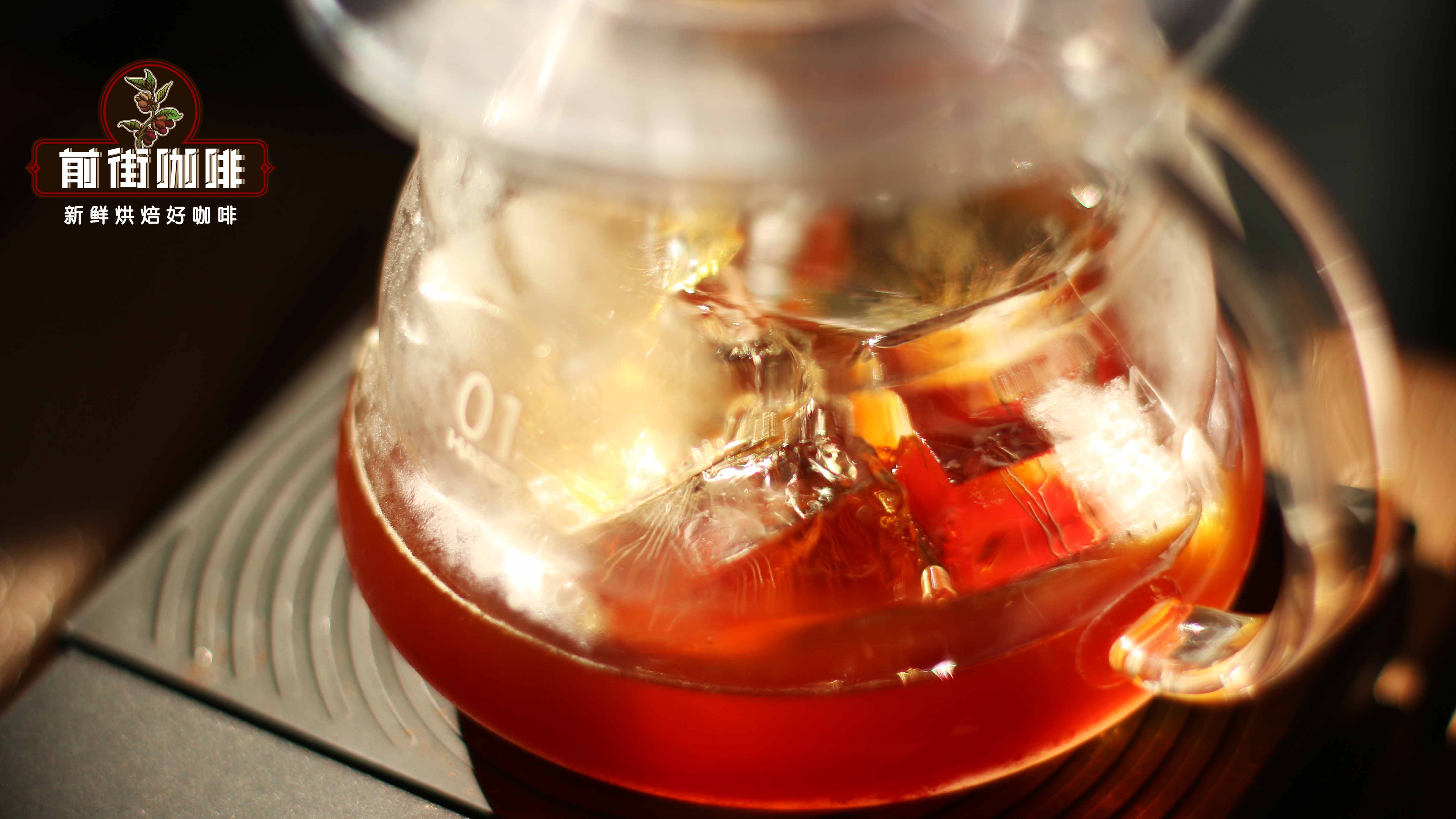
Iced Drip Flavor: Rich in fruity character. On the palate, distinct cherry tomato acidity, with a hint of grapefruit peel in the mid-palate, and a finish carrying some berry aromas and caramel sweetness.
The reason Front Street Coffee chose this Kenyan bean for iced drip and cold brew is mainly that in hot weather, everyone wants something tangy and refreshing to cut through the richness, and this Kenyan bean's flavor profile fits perfectly. However, everyone's taste is different, and flavor preferences vary. If you're not sure which coffee bean to choose, you can follow Front Street Coffee's WeChat account for advice.
In the scorching summer, what could be more refreshing than a glass of ice-cold coffee? Don't just think about it—take action and make your own glass of iced coffee right away!
For more specialty coffee knowledge, please follow our WeChat public account: Front Street Coffee
The above content is compiled by CoffeeHunters, a coffee news website.


