







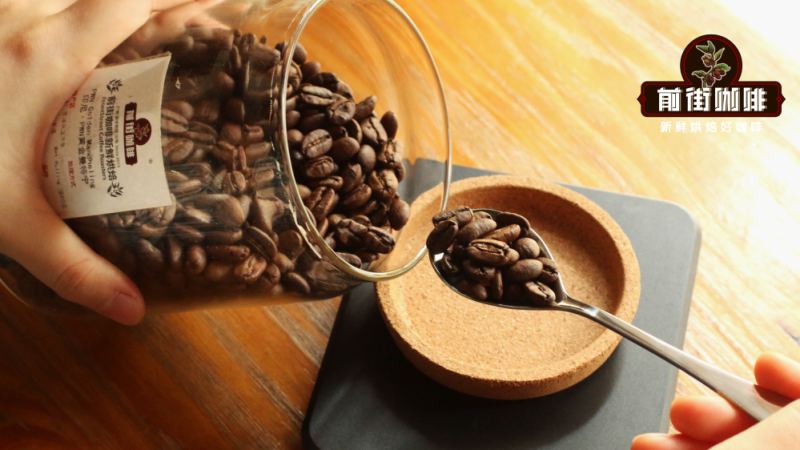
How long can coffee beans stay fresh in storage?
Roasted coffee beans keep their flavor for weeks, not months, and the storage method decides how much of that window is usable. Light, heat, humidity and oxygen are the main causes of staling, so beans belong in an airtight, opaque container at room temperature, away from the stove and out of direct sun.
Green beans and roasted beans need different handling: unroasted beans mainly need humidity and temperature control to avoid mold and insects, while roasted beans also have to be protected from oxidation. One-way degassing valve bags and vacuum-sealed canisters are the two practical options, and refrigeration is not recommended because of moisture and odor transfer.
The freshness of coffee beans directly determines the flavor performance of a cup of coffee, and whether the storage method is appropriate is the key factor affecting the freshness of coffee beans. From the professional perspective of Front Street Coffee, this article systematically sorts out the two major categories of coffee bean storage—the different considerations for green beans and roasted beans—deeply analyzes the mechanisms of the three major freshness "killers": light, high temperature, humidity, and oxygen, and provides two practical storage solutions: one-way degassing valve packaging bags and vacuum-sealed canisters. The article will also answer how long coffee beans can actually be stored, the difference between the peak flavor period and the shelf life, why refrigeration is not recommended, and clever ways to reuse expired beans, helping coffee lovers lock in the best flavor of every bag of beans to the greatest extent possible.
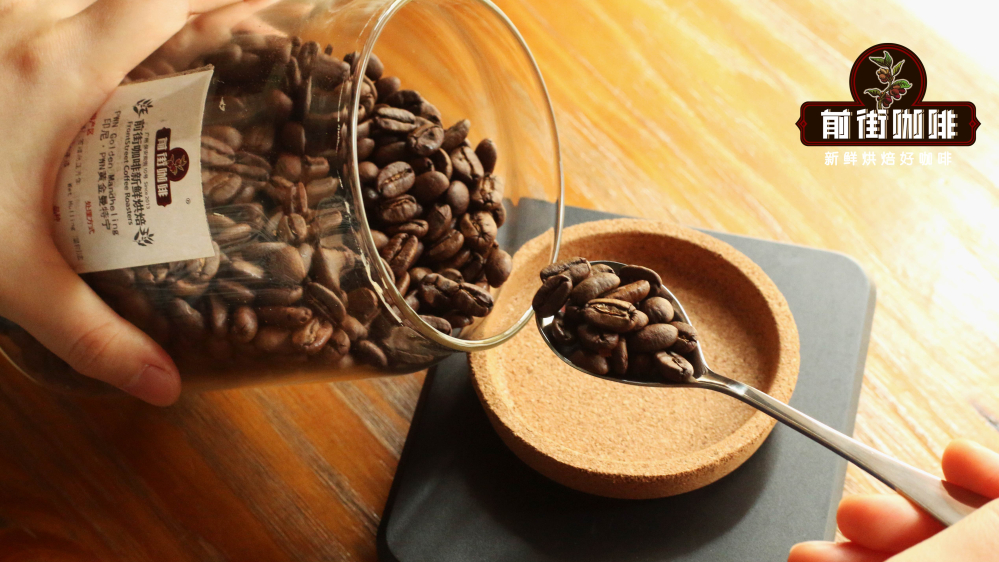
How long can coffee beans be stored?
What is better for storing coffee beans?
Should coffee beans be stored in the refrigerator?
Whether coffee beans are fresh will be directly reflected in the taste of a cup of coffee, and whether the storage method is reasonable is also the core variable determining how long freshness can be maintained. Front Street would like to explain specifically here that coffee bean storage actually needs to be divided into two categories: one is green beans that have not yet been roasted, and the other is roasted beans that have already been roasted. The key to storing green beans is controlling humidity and temperature to prevent mold and insect damage; for roasted beans, in addition to humidity and temperature, oxidation must also be additionally guarded against, because oxidation will significantly accelerate the loss of flavor in roasted beans.
How can roasted coffee beans be kept fresh?
First, let's get to know several "enemies" that affect the freshness of coffee beans
Factor affecting coffee bean freshness ①
Light and high temperature
The light source mentioned here mainly refers to sunlight. The heat brought by sunlight will accelerate the volatilization of aromatic substances inside coffee beans, so coffee beans should absolutely never be directly exposed to sunlight. The inner layer of the packaging of coffee beans sold by FrontStreet Coffee uses aluminum foil material. The main function of aluminum foil is to reflect light, but it cannot truly provide heat insulation, so when storing coffee beans, any heat source still needs to be avoided.
Factor affecting coffee bean freshness ②
Moisture
Moisture refers to water molecules in the air. If originally dry coffee beans are kept in a humid environment for a long time, even if protected by a sealed container, water vapor will inevitably sneak in when the lid is opened. Coffee beans that have absorbed moisture are prone to spoilage and the growth of off-flavors such as mustiness, directly dragging down the flavor performance of the coffee. Therefore, a dry storage environment is more helpful for coffee beans to maintain freshness.
Factor affecting coffee bean freshness ③
Oxygen
By this point, some people may think: "Oxygen is everywhere, how could it possibly be avoided?" Don't worry, this does not mean requiring complete isolation of coffee beans from oxygen, but rather shortening the contact time between the two as much as possible. After each opening to take out beans, the coffee beans left in the packaging or container should immediately be resealed to slow down the oxidation process.
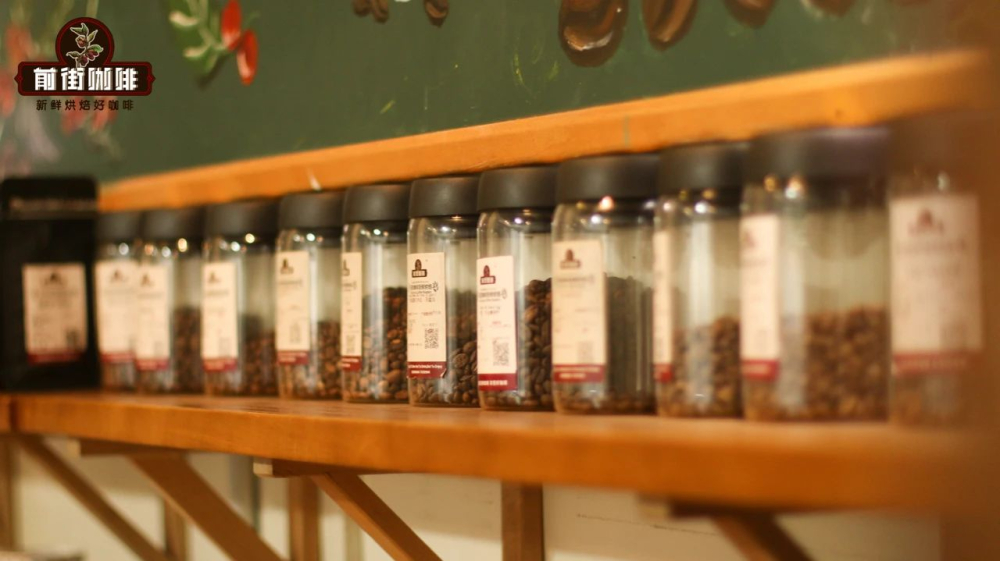
After learning about the three major factors threatening the freshness of coffee beans
So what exactly should be used to store coffee beans?
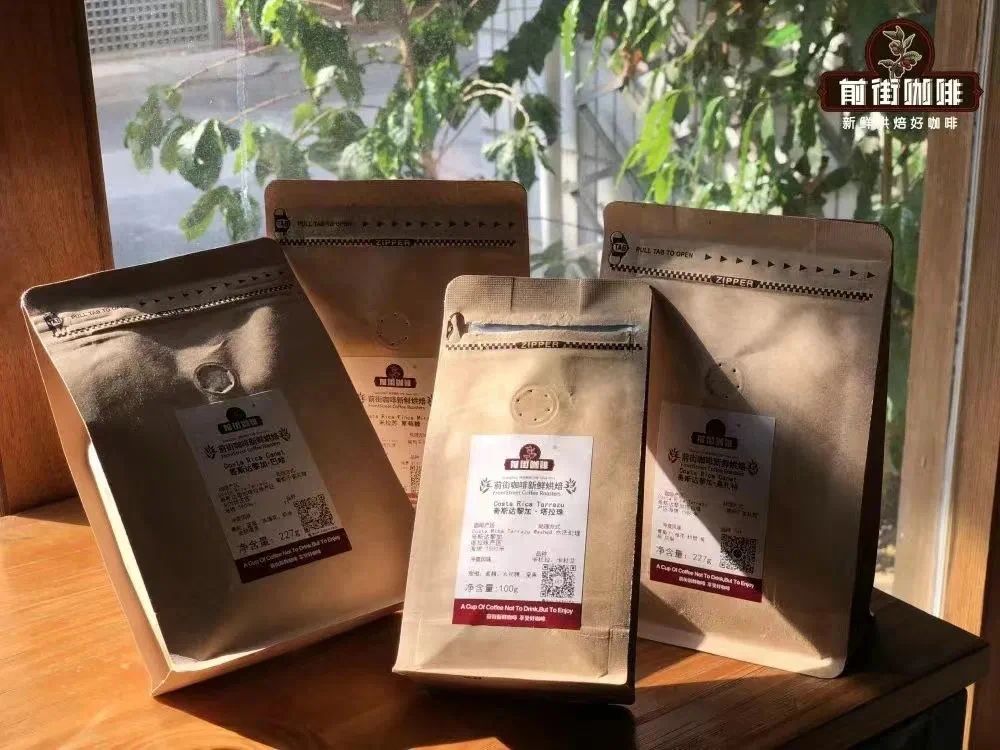
Sealed packaging bags with one-way degassing valves
Freshly roasted coffee beans usually come in packaging equipped with a one-way degassing valve. The principle of this valve is: the coffee beans in the bag continuously release carbon dioxide, and when the internal pressure rises to a certain level, the gas pushes the valve open and is discharged outward. Because the valve only opens when the pressure inside the bag is higher than the outside, it also blocks outside air and moisture from flowing back in while degassing. When there is no sealed container on hand, storing directly in the original packaging is a very good choice, but remember to press the sealing strip tightly.
Vacuum-sealed canisters
The operation method of a vacuum-sealed canister is to press the exhaust button after putting on the lid, drawing oxygen out of the canister and entering a sealed state. At this time, the gas released by the coffee beans cannot escape, and under the vacuum negative pressure environment, carbon dioxide will wrap around the coffee beans, thereby slowing the speed of flavor dissipation.
How long can coffee beans really be stored?
The coffee bean freshness repeatedly mentioned earlier actually refers to the peak flavor period, that is, the period when the coffee's flavor performance is at its best. The peak flavor period of coffee beans usually falls between the 4th day and the 30th day after roasting is completed. Exceeding the peak flavor period does not mean the coffee beans can no longer be drunk, but rather that even under ideal storage conditions, the flavor will still gradually decline. Therefore, coffee beans after 30 days may show conditions such as thin aroma and flat taste. If flavor and aroma are not taken into consideration, the shelf life of roasted coffee beans is labeled as 365 days.
Can coffee beans be stored in the refrigerator?
Coffee beans are not recommended to be put in the refrigerator. This is because once coffee beans enter a refrigerated state and are then taken out, the huge temperature difference between the refrigeration temperature and room temperature will cause water vapor to condense on the surface of the beans.
After grinding coffee beans that carry moisture, you will find that the coffee grounds form uneven clumps. Clumped coffee grounds will not only interfere with even extraction during brewing, but moistened grounds will also remain on the grinder's burrs. If they are not cleaned up in time and kept dry, the flavor of every subsequent grinding and brewing will continue to be affected.
Finally
Front Street does not recommend buying too many coffee beans at once. Buy the next bag only after finishing the previous one. Only in this way can the freshness of coffee beans be better ensured.
As for those coffee beans whose flavor has already dissipated, they can be ground into coarse powder and placed near the refrigerator or a pet bed, where they can absorb odors.
To learn more professional coffee knowledge, please follow the WeChat public account: FrontStreet Coffee
The above content is compiled by CoffeeHunters, a coffee news website.


