







Search Results for: Coffee Aging
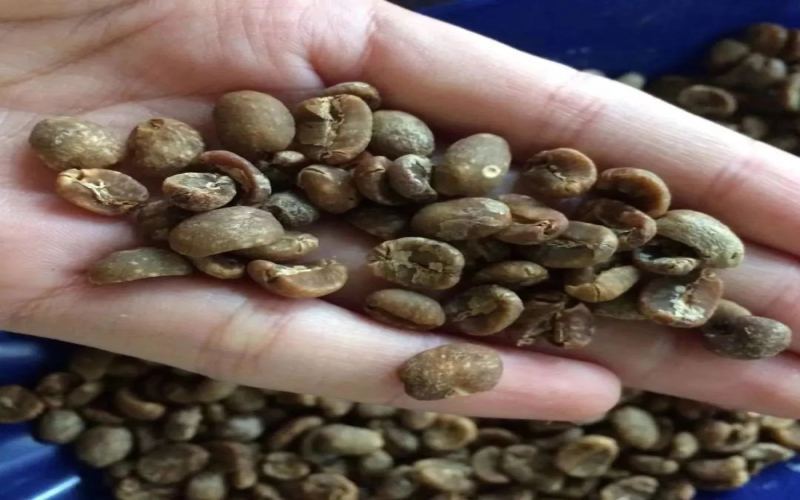
What Exactly Are Aged Beans? What Makes Aged Mandheling Special? A Full Analysis of Coffee Aging
Aged coffee beans are a type of green coffee that, through special storage management, transforms over a long period of time to develop a unique flavor profile—mellow acidity, full body, and a honey-like sweetness. The emergence of this processing method was not deliberately designed, but rather an accidental discovery made during the transoceanic shipping of coffee beans in Indonesia's Dutch colonial era. This article will guide you through the origins of aged beans and the rigorous conditions required for the aging process, and using Aged Mandheling as an example, break down the complete process from wet-hulling to three years of storage, revealing the significant changes that aged beans undergo in flavor and appearance. [more…]

Exploring Aged Mandheling: A Comprehensive Analysis of Its Historical Origins, Aging Process, and Unique Flavor
In the mainstream pursuit of fresh coffee, Aged Mandheling stands out uniquely as an "expired" coffee. This special coffee originating from Sumatra, Indonesia, first acquired its unique flavor by accident during long sea voyages in the colonial era, and later evolved into a standardized aging process. This article traces the historical origins of Aged Mandheling, explains in detail its complete process from wet-hulling to warehouse aging, analyzes its differences from Golden Mandheling, and shares Front Street Coffee's cupping flavor description and pour-over parameter suggestions, giving you a comprehensive understanding of this rich and captivating classic coffee. [more…]
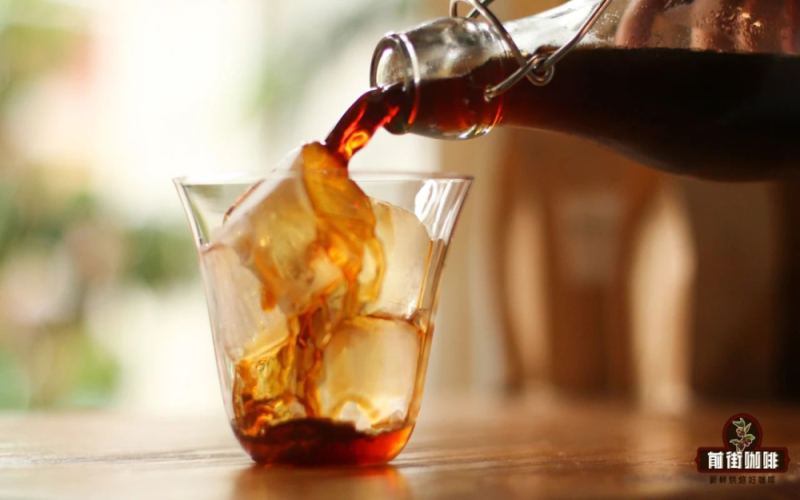
The Alcoholic Aroma Secrets of Ice Drip Coffee: A Detailed Guide to Cold Brew Grind Ratio, Drip Parameters, and Low-Temperature Aging Process
The rich, lingering fermented wine aroma of cold brew coffee often leads people to mistakenly believe that alcohol has been added to it, but this is not the case. The source of this unique flavor is closely related to the cold brew extraction method and the subsequent low-temperature aging process. Front Street Coffee will guide you through the cold brew coffee-making process: from key parameters such as the coffee-to-water ratio and drip speed, to why it cannot be drunk immediately after extraction, how low-temperature aging gives coffee its wine aroma, and the precautions to take during preparation and storage. If you also want to recreate at home a cup of clean, smooth cold brew interwoven with fruity and wine aromas, you might as well follow Front Street's approach step by step, from bean selection to aging. [more…]
A Complete Analysis of Indonesian Aged Mandheling Wet-Hulled Method: From Accidental Aging to Golden Mandheling, A Front Street Coffee Brewing Guide
In the world of specialty coffee, freshness is usually regarded as the key to quality, yet Indonesia's aged Mandheling has won the favor of coffee lovers with a completely different stance. This coffee bean, known for its "expired" name, holds behind it a story of colonial-era shipping and a unique aging process. This article will explore in depth the origins of aged Mandheling, the characteristics of the wet-hulling process, and how it differs from Golden Mandheling, and, using Front Street Coffee's Golden Mandheling as an example, share how to brew a rich, full-bodied Mandheling black coffee at home. Whether you are a beginner just getting to know Mandheling or a seasoned connoisseur seeking advanced techniques, you will gain practical knowledge and inspiration from it. [more…]
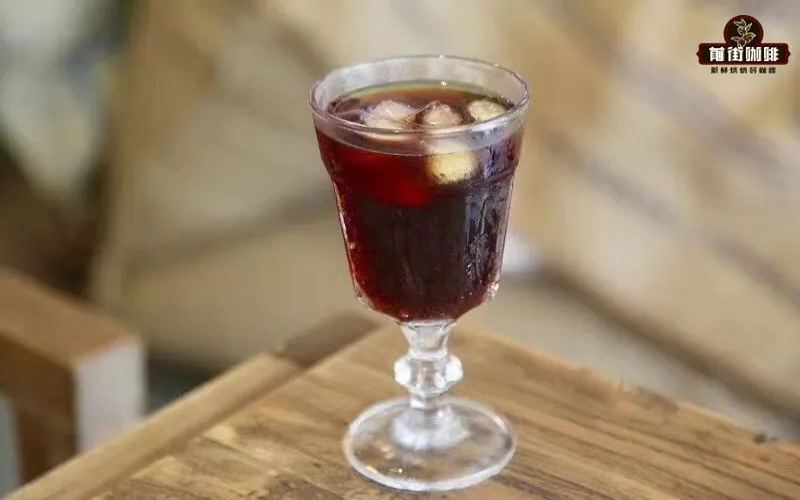
Why Does Cold Brew Coffee Emit a Wine Aroma and Wine-Like Character? Analyzing the Flavor Formation in Low-Temperature Extraction and Aging
Many coffee enthusiasts, when tasting ice drip coffee, are surprised by its faint, elusive notes of wine aroma and character, even wondering if alcohol has been added, or if the coffee beans themselves carry a wine-like flavor. In fact, this unique flavor does not come from any added ingredient, but is closely related to the special way ice drip coffee is made. Freshly dripped ice drip coffee is actually thin in flavor and can even taste astringent; it needs to undergo sealed low-temperature aging to become mellow and layered. This article, drawing on Front Street Coffee's practical experience, will analyze the principles behind how the wine-like flavor of ice drip coffee forms, explain how low-temperature extraction inhibits bacterial growth, and why sealed refrigerated aging can produce a fermentation aroma similar to alcohol. It will also compare the uncontrollability of natural fermentation in hot-brewed coffee, helping readers understand how each step in making ice drip coffee affects the final flavor. [more…]
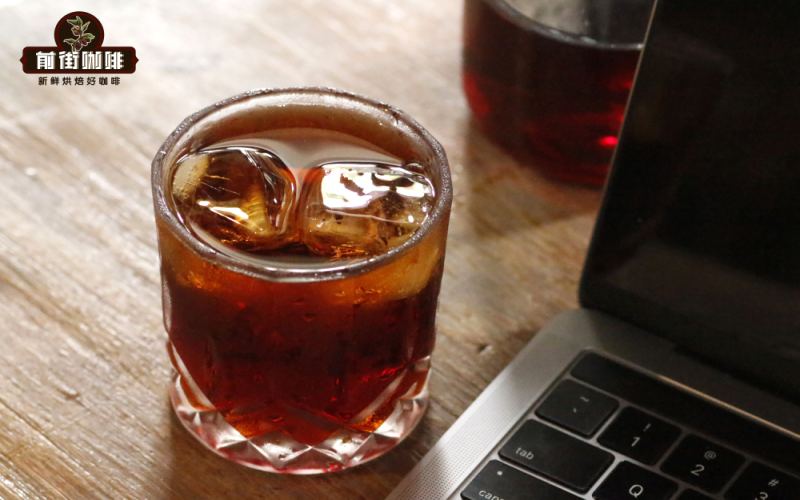
Why Does Cold Brew Coffee Develop More Wine-Like Aromas Over Time? A Chemical Perspective on Low-Temperature Aging and Fermentation Mechanisms
Many people tasting cold drip coffee for the first time are surprised: is there alcohol in this cup of coffee? In fact, that boozy note does not come from alcohol, but is the result of the unique cold drip extraction method combined with subsequent low-temperature aging. Starting from Front Street Coffee's actual cold drip coffee-making parameters and drawing on chemical principles, this article explains how ester hydrolysis produces the alcohols responsible for the wine-like aroma, while comparing the differences with the natural fermentation of hot-brewed coffee, and gives the optimal drinking window and safety recommendations for cold drip coffee. [more…]
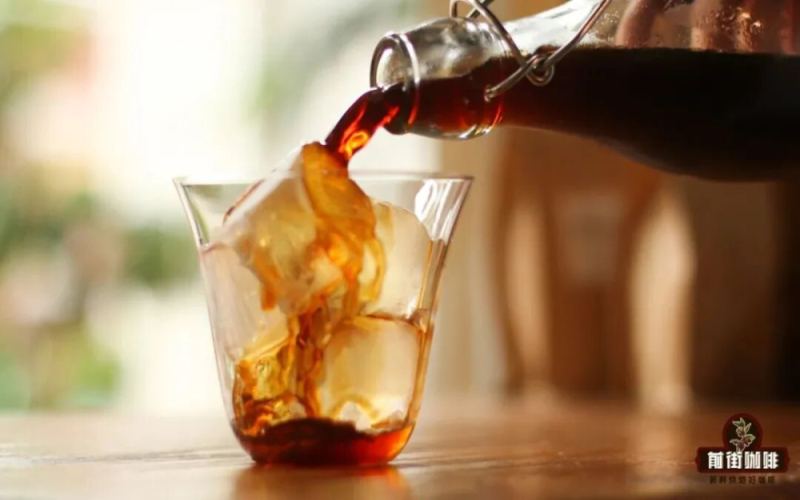
A Complete Guide to Cold Brew Coffee: Key Parameters for Flow Rate, Grind, Ratio, and Aging Time
With its lengthy brewing process and distinctive flavor layers, ice drip coffee has become a representative of "slow work yields fine results" in the minds of many coffee enthusiasts. Unlike cold brew, ice drip relies on a dedicated device, extracting by having ice water drip through the coffee grounds one drop at a time, then undergoing refrigerated fermentation and aging to present a rich and smooth taste. Starting from Front Street's hands-on experience, this article breaks down in detail the four core variables of ice drip coffee—grind size, drip rate, extraction ratio, and aging time—and provides specific parameter recommendations to help you make a standard-quality ice drip coffee at home. [more…]
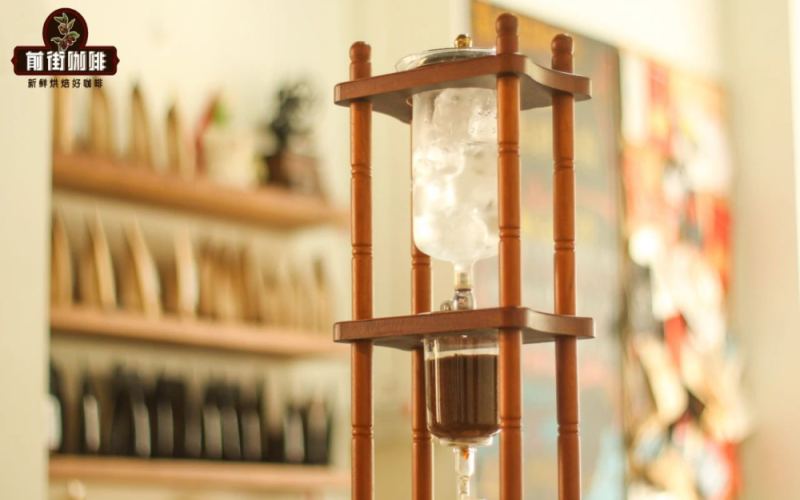
Why Isn't Cold Brew Coffee Sour or Astringent? A Detailed Explanation of Its Taste Characteristics, Brewing Method, and the Principles of Low-Temperature Aging
Ice drip coffee is known for its clean, full-bodied, smooth taste and rich fermented wine aroma, but many people mistakenly think it contains alcohol when they first encounter it. In fact, ice drip is a type of cold brew coffee, made by extracting drop by drop with ice water over a long period. Freshly made ice drip is not at its best for drinking; it needs low-temperature aging in the refrigerator to reveal its full fruity feel and wine aroma. Based on Front Street Coffee's production practice, this article explains in detail the coffee-to-water ratio, drip rate, aging time, and storage recommendations for ice drip, giving you a comprehensive understanding of the flavor sources and key production points of ice drip coffee. [more…]
Study Finds: Regular Coffee Consumption May Help Delay Muscle Aging, Triglycerides Become Key Component
Besides waking you up, coffee may also bring unexpected benefits for muscle health. A latest study jointly conducted by research institutions in Switzerland, Singapore, the United Kingdom and other countries shows that trigonelline, a natural plant alkaloid in coffee, can boost NAD⁺ levels in the body and improve mitochondrial function, thereby helping to maintain muscle strength and slow age-related muscle degeneration. Published in a Nature sub-journal, the study offers coffee lovers a new health perspective. However, the researchers also caution that coffee is only a supplementary aid—balanced nutrition and regular exercise are fundamental to keeping muscles strong. [more…]
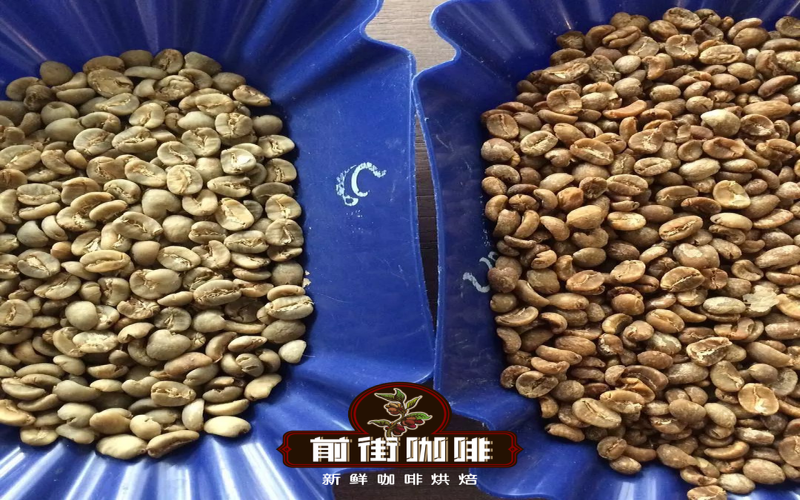
What Exactly Is Aged Coffee? Exploring Green Bean Aging and Flavor Changes Through Sumatra Aged Mandheling
Aged coffee is not simply letting green beans sit until they expire; rather, it is an aging process that demands strict monitoring. This article will introduce you to the processing logic behind aged beans, with a focus on Sumatra Mandheling, the most representative coffee from Asia, covering its origin background, flavor characteristics, and collectible significance. It will also explain the 24-month resting and aging process of Aged Mandheling, as well as Front Street Coffee's roasting and brewing recommendations for this bean—from choosing the KONO dripper to extracting at a low water temperature of 86-88°C—to help you more fully understand why Aged Mandheling is so mellow and captivating. [more…]
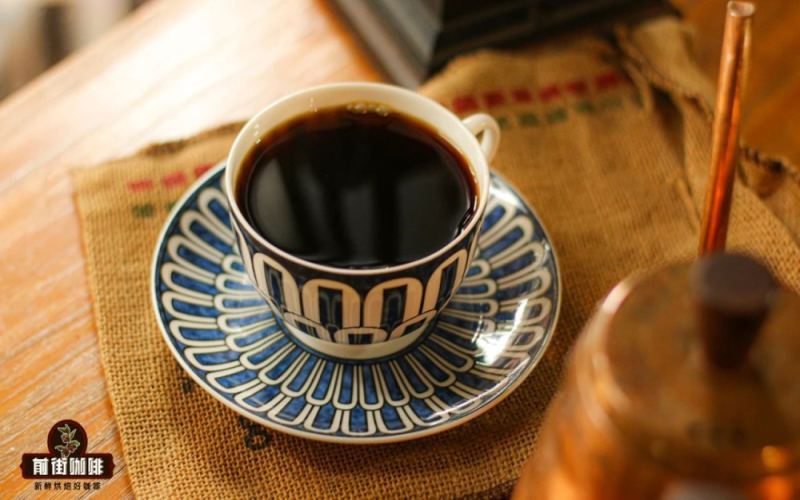
Exploring Aged Mandheling: The Flavor Development Journey from Green Bean Storage to Roasting and Brewing
Mandheling is a classic regional flavor that coffee lovers can't avoid, and aged Mandheling is an extremely unique presence among them. It is not simply left to become stale; rather, it undergoes a 24-month resting and aging process under strictly controlled storage conditions, allowing its originally sharp acidity to gradually soften, while its body and sweetness are significantly enhanced. This article will guide you through the ins and outs of the aging process, its essential differences from fresh beans, and the changes in the appearance and flavor of green beans, while also sharing Front Street Coffee's roasting curve and pour-over brewing method, helping you brew a cup of aged Mandheling interwoven with herbal and caramel notes at home. [more…]
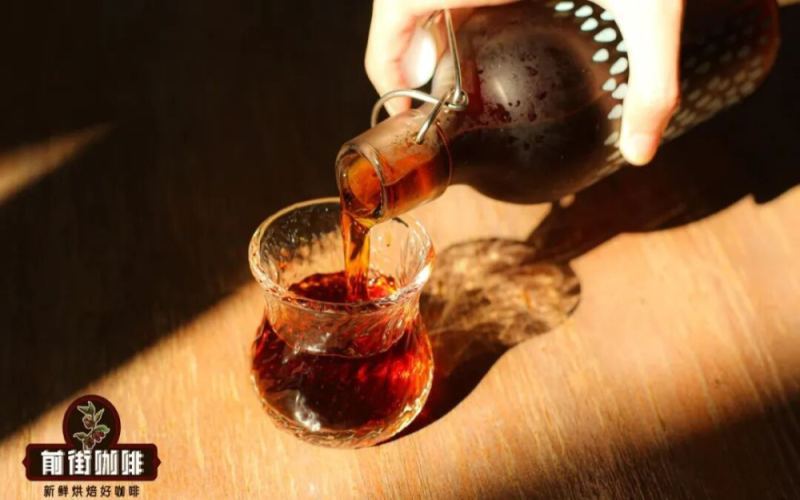
Why Does Cold Brew Coffee Have a Wine-Like Aroma? Why Is It Astringent Right After Brewing? An Analysis of the Optimal Drinking Window
The unique wine-like aroma and bouquet of cold drip coffee often lead people to mistakenly think that alcohol has been added, but in fact this comes entirely from its production method and low-temperature aging process. However, freshly dripped cold drip coffee often tastes thin or even astringent, and needs to be aged in the refrigerator to reveal a smooth, rich flavor. So how long exactly should cold drip coffee be left before drinking? Why does it develop a wine-like flavor after being stored for a long time? And why can it not be stored indefinitely? Starting from Front Street's production experience, this article explains in detail the principles behind the changes in cold drip coffee from production to aging, and from astringency to vinous aroma, and gives recommended drinking periods to help you better enjoy this cup of slow-brewed coffee. [more…]
The Truth About Aged Tea and Old Tea: Taste Differences, Value, and the Overlooked Category of Aged Teas
Although fresh tea has long been regarded as the best choice, aged tea has gradually gained popularity in recent decades. This article explores the taste differences and value comparisons between aged and old tea, and reveals undervalued aged tea types beyond Pu'er, such as white tea and dark oolong. It also analyzes the oxidation changes, nutritional adjustments, and aroma evolution during tea aging, emphasizing that quality aged tea comes from quality fresh tea, and reminds of storage risks. Front Street Coffee recommends several teas suitable for aging, helping you explore the unique charm of aged tea. [more…]

Coffee from a faucet? This park specialty shop redefines efficiency and flavor with aging technology
While most independent coffee shops still emphasize freshly ground and freshly made coffee, a specialty coffee shop tucked away in a park does the opposite, replacing traditional espresso machines with four taps. After customers place an order, staff simply place a cup under the tap to dispense pre-prepared coffee liquid, milk, or hot water, producing an Americano or milk coffee in seconds. This method, which involves extracting coffee 12 hours in advance, preserving it under oxygenated vacuum, and then mixing it with compressed air through a Linkbar brewing head, is called "softening and maturation" by the shop owner. Is it an efficiency revolution in specialty coffee, or the coffee world's version of pre-made dishes? Let's find out. [more…]
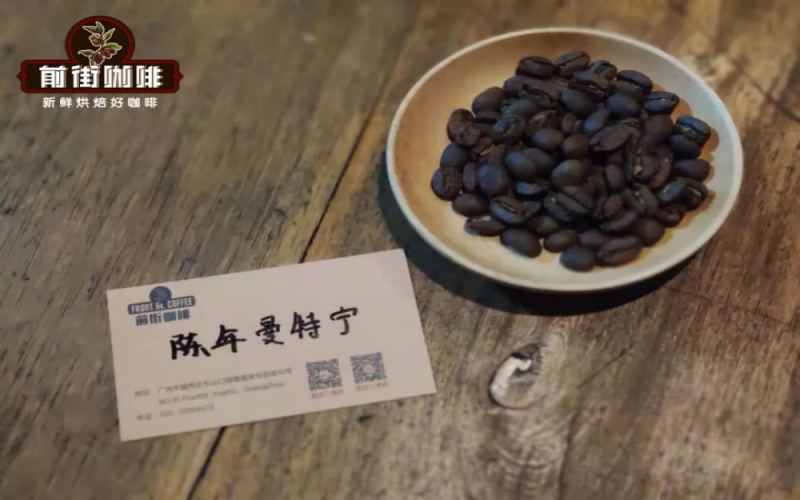
The Origins and Craft of Aged Mandheling: From a Colonial-Era Accident to a Golden Mandheling Pour-Over Guide
We usually seek out freshly roasted coffee beans, but Aged Mandheling is an exception—it is actually sought after precisely for being "expired." Behind this lies an accidental story from Indonesia's Dutch colonial period: when coffee beans were shipped across the ocean to Europe, the long sea voyage and exposure to sea breezes unexpectedly gave rise to a mellow sweetness and lingering finish reminiscent of Pu'er tea. Today, the production of Aged Mandheling has long been standardized: it requires wet-hulling, strict screening, and aging for 2 to 3 years in temperature- and humidity-controlled warehouses at the place of origin, allowing acidity to gradually recede and sugars to concentrate. Golden Mandheling, meanwhile, represents a higher standard, with PWN creating a specialty coffee far above G1 grade through one machine sorting and three hand sortings. Front Street Coffee captured layers of nut, dark chocolate, caramel, and herbal spice flavors in cupping. This article will also share Front Street Coffee's barista's three-pour hand-brew parameters and technique for dark-roasted Mandheling, taking you through a complete tasting of this legendary coffee. [more…]
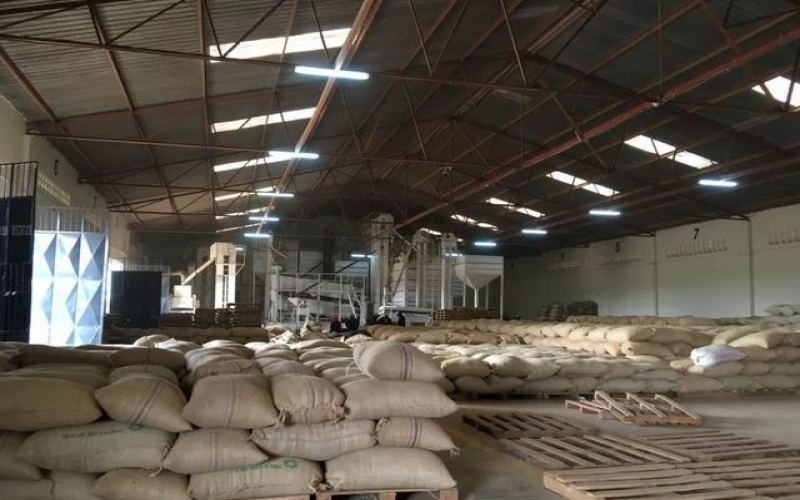
Aged Mandheling Flavor Analysis: A Complete Guide to Proper Brewing, Market Prices, and Differences from Golden Mandheling
Aged Mandheling, through its unique aging process, presents a rich, mellow flavor completely different from fresh coffee—with soft fruit acidity, prominent sweetness, and a thick mouthfeel—making it one of the most recognizable categories in Indonesian coffee. This article begins with the origins of the aging method, sorts out its essential differences from regular fresh beans, analyzes the flavor and appearance changes of green beans during long-term storage, and focuses on comparing the differences between Aged Mandheling and Golden Mandheling. It also introduces Front Street Coffee PWN Golden Mandheling's producing region, grade, and screening standards, helping coffee lovers clarify key points for purchasing, recognize the PWN trademark, and drink truly high-quality specialty coffee from Sumatra. [more…]
An Analysis of the Unique Processing Method, Flavor Evolution, and Front Street Brewing Parameters of Aged Mandheling
Aged Mandheling is a special type of coffee that has undergone prolonged resting and maturation, giving it a flavor distinct from regular Mandheling. It originated in the era of long maritime shipping, and today it relies on strict warehousing management at the origin to "create" beans with soft acidity, full body, honey-like sweetness, and complex aged notes. In this article, Front Street Coffee will start with the origins and key operational points of the aging process, compare the differences between aged beans and fresh beans, analyze changes in green bean appearance and flavor, and include Front Street Coffee's roasting curve, cupping information, and KONO dripper brewing parameters to help coffee enthusiasts understand this "time-brewed" Mandheling. [more…]
Analysis of the Reasons for Espresso Machine Portafilter Ejection: Key Points on Locking, Gasket Replacement, and Pressure Release Operations
When using an espresso machine, some users encounter a situation where the portafilter suddenly flies off the brew head as if ejected by pressure, scattering coffee grounds all over the counter—this is what's commonly called a "blowout." Front Street Coffee has received similar feedback on multiple occasions, and the causes of this phenomenon fall mainly into three categories: improper operation, aging components, and inadequate pressure release. Regardless of the cause, a blowout not only increases cleaning burden but also poses a safety hazard. This article will analyze specific triggers one by one—including an insufficiently locked portafilter, aging gaskets, and inadequate pressure release—and provide corresponding solutions, such as correct locking force, gasket replacement intervals, and pressure-release waiting techniques, to help coffee enthusiasts complete extraction safely and consistently. [more…]
The Origin of Indonesian Aged Mandheling and an Analysis of Its Differences from Indian Monsooned Beans
Indonesian aged Mandheling and Indian monsoon Malabar both belong to the category of coffees that acquire a unique flavor unexpectedly due to changes in time and transportation conditions, but their processing logic and final presentation are entirely different. Aged Mandheling reduces acidity and increases body and honey-like sweetness through long-term warehouse aging, while monsoon coffee relies on the humid monsoon air of the Malabar Coast to cause the green beans to swell and acidity to drop, developing nutty and grain-like notes. Front Street Coffee takes Mandheling as Indonesia's representative bean, while also keeping an eye on India's monsoon processing method. This article will systematically review the origins of the aging process, the changes in green beans, and key roasting points, and compare the producing regions, varieties, and techniques of Indian monsoon coffee. [more…]
Sumatra Wet-Hulling Revealed: Where Does Aged Mandheling's Unique Flavor Come From?
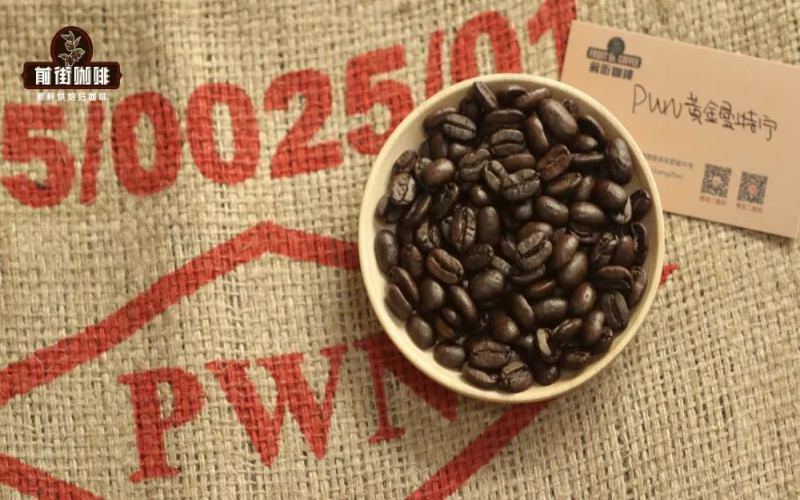
Sumatra Mandheling coffee from Indonesia has always been loved as the darkest-roasted bean on Front Street Coffee's menu, with a full body and low acidity. Behind its unique musty aroma, herbal notes, and aged-wood character, what secret is actually hidden? The answer is inseparable from the local hot, rainy environment and the distinctive wet-hulling process. This article will start from the growing conditions of Front Street Mandheling, analyze each stage of the wet-hulling process, explain the relationship between peaberry beans, defect rates, and a sense of place, and further introduce the aging process and time requirements of Aged Mandheling, giving you a complete understanding of this highly recognizable coffee. [more…]