







What Does Java Coffee Taste Like After Cellar Aging?
Aged coffee is a controlled maturation, not green beans left to expire. Beans simply stored too long fade from bluish-green to white then yellow, lose flavor and can attract insects. Aged Sumatra Mandheling is rested in cellars before export, and the result is a low-acidity cup with a mellow body, earthy forest notes and a bittersweet finish that returns to sweetness.
The most widely known Asian origin is Mandheling from Sumatra, sold under trade names such as Sumatra Coffee Mandheling DP Grade 1 and Aged Sumatra Mandheling. The mellow java flavor comes from that long resting period rather than roast level alone. Roasting and brewing recommendations favor lower water temperatures around 86 to 88 C, which keeps the earthy sweetness intact instead of drying it out.
Aged coffee is not simply letting green beans sit around until they expire; rather, it is a maturation process that requires strict monitoring. This article will introduce you to the logic behind processing aged beans, and focus on Sumatra Mandheling, the most representative coffee of Asia, covering its origin background, flavor characteristics, and collector's significance. The article will also describe the 24-month resting and aging process of Aged Mandheling, as well as Front Street Coffee's roasting and brewing recommendations for this bean—from choosing a KONO dripper to extracting at a low water temperature of 86-88°C—to help you gain a more complete understanding of why Aged Mandheling is so mellow and captivating.
To learn more about specialty coffee, follow our WeChat official account: Front Street Coffee
Aged Bean Processing Method
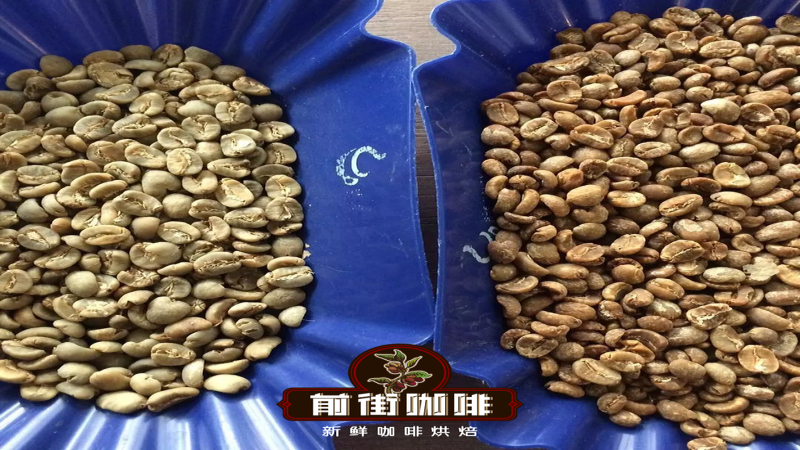
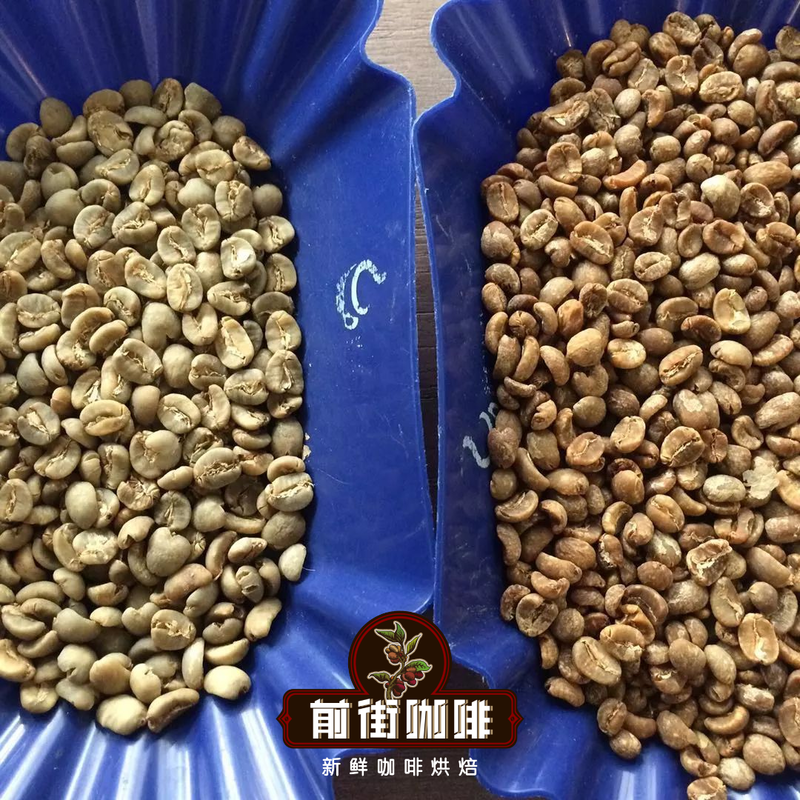
So-called aged coffee beans are not something you can get just by leaving green coffee beans sitting around for a long time. If green beans are simply left unused for an extended period, they will also deteriorate: the originally fresh bluish-green color will gradually fade to white, then further turn yellow, the flavor will dissipate completely, and they may even become infested with insects. What can truly be called [aged coffee] must, like aged alcoholic beverages, undergo proper processing and then long-term storage before it has meaning.
Asia's most famous coffee-producing regions are mostly concentrated on the islands of the Malay Archipelago, such as Sumatra, Java, and Kalimantan. Among them, Mandheling, represented by Indonesian Sumatra coffee, is the most widely known. It has two classic trade names: Sumatra Coffee Mandheling DP Grade 1, and Aged Sumatra Mandheling. The former has a long-lasting aftertaste with a wild mountain character, the distinctive earthy fragrance of the primeval forest. Mandheling's mellowness is actually a rather masculine expression.
Top-quality Grade 1 Mandheling does not have high acidity; it is closer to the mild acidity of flowers and fruit. In addition to the mellow body that is the hallmark of Indonesian coffee, it also has a bittersweet finish that returns to sweetness, making it very popular among those who prefer heavily roasted, high-intensity coffee. Aged Sumatra Mandheling is given the name "Aged" because, before export, it is first stored in cellars for three years.
However, aged coffee is by no means stale or spoiled coffee; rather, it is coffee that has undergone special processing and has a slightly paler color. It has higher intensity, lower acidity, greater mellowness, and a longer finish, and it also brings out obvious spice notes, sometimes presenting a tartness, sometimes a walnut note, and sometimes a chocolate note. Before Blue Mountain coffee was discovered, Mandheling was once regarded as the finest of coffees. Interestingly, although Indonesia produces some of the world's most mellow and beautiful coffee, Indonesians themselves prefer Turkish-style coffee.
The reason the Sumatra archipelago in Indonesia can produce coffee is inseparable from its unique geographical location, climatic conditions, and latitude and longitude. Indonesian coffee generally has a high body, relatively weak acidity, and prominent aroma. Relatively well-known producing regions include the Lintong area. Mandheling is likewise a representative of Indonesian coffee. It is worth mentioning that some coffee enthusiasts enjoy so-called "Mamba coffee," which is Mandheling blended with Brazilian coffee.
The main producing areas include Sumatra, Java, and Sulawesi. About 90% of it is Robusta, and its quality can be called the best in the world. Sumatra is most famous for the rich, smooth, highest-grade "Mandheling." In addition, the northern part of the island also produces "Gayo Mountain," while Java's "Java Arabica" has excellent acidity and is especially favored by the Dutch. Sulawesi produces the large-beaned "Kalosi," and "Toraja" produced in the Toraja region (1,200 meters above sea level) of the southwestern mountainous area is also representative.
Aged Mandheling
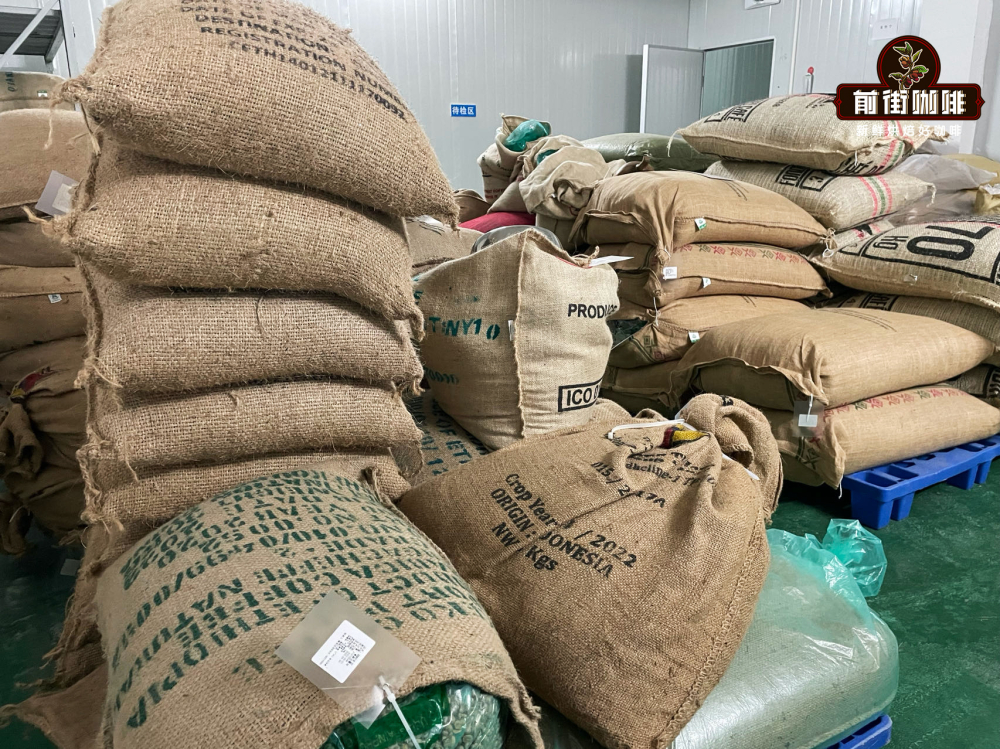
After a long aging period, Mandheling's fruit acidity not only becomes soft and gentle, but its mellowness and unique flavor perform even more astonishingly on the palate. This is precisely the charm of Aged Mandheling. Coffee farmers select excellent-quality green beans and then carry out a 24-month resting and aging process under strict monitoring standards. During the waiting period, the green beans in the storage silos must also be turned regularly to prevent moisture and mold. The entire process is extremely labor-intensive, and it is precisely for this reason that this Aged Mandheling, with a richer and longer-lasting flavor, is created.
Front Street Coffee's tips on Aged Mandheling~
We recommend roasting Front Street Aged Mandheling to a medium-dark roast, thereby grinding away the bean's fruit acidity and highlighting Aged Mandheling's caramel sweetness as well as its cocoa and nutty flavors. For brewing, Front Street recommends using a KONO dripper or a trapezoidal three-hole dripper for extraction. Immersion-style extraction can excellently showcase the bean's mellow mouthfeel, along with its caramel sweetness and balanced flavor. As for the brewing water temperature, since Aged Mandheling is a medium-dark roasted bean, Front Street Coffee recommends using a lower water temperature, namely 86-88°C, for brewing; the grind can be slightly coarser, that is, a medium grind, to reduce the occurrence of over-extraction during brewing; for the brewing ratio of coffee to water, Front Street Coffee recommends choosing a smaller coffee-to-water ratio, namely 1:13-1:14, which can better highlight Aged Mandheling's rich, mellow mouthfeel.
The above content is compiled by CoffeeHunters, a coffee news website.


