







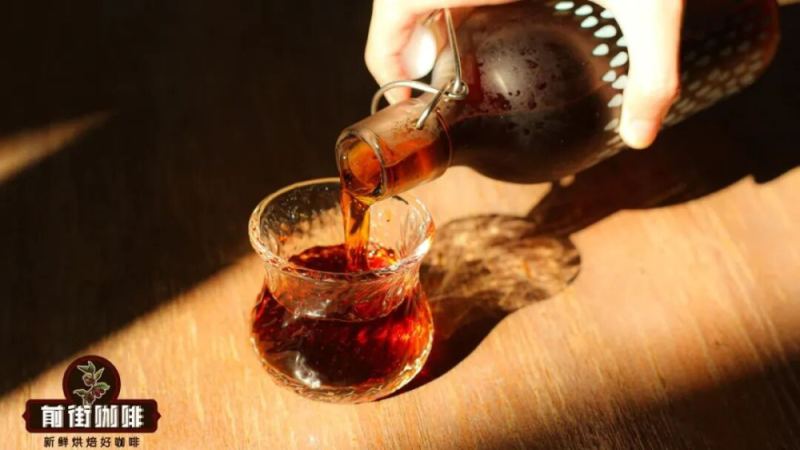
Where Does the Alcohol Taste in Cold Brew Come From?
Cold brew tastes like alcohol because of how it is brewed, not because spirits were added. Ice water drips slowly through fruity single-origin grounds for six to eight hours, and refrigerated aging afterward builds the wine-like aroma. Right after dripping, the same batch still tastes thin and astringent, so it needs time in the fridge before it turns smooth.
The beans play a part too. This is why coffee tastes like alcohol to some tasters: honey, natural, and anaerobic lots with peach, mango, lychee, or raisin notes carry extra fruit character into the cup. A typical ratio is 60 grams of grounds to 600 milliliters of liquid, dripped at roughly 7 drops every 10 seconds. The wine-like note fades, though, if the batch is stored too long.
The unique wine-like character and aroma of cold brew coffee often make people mistake it for having alcohol added, but in fact this comes entirely from its brewing method and low-temperature aging process. However, freshly drip-brewed cold brew coffee often tastes thin or even astringent, and needs to be aged in the refrigerator to reveal a smooth, mellow flavor. So how long should cold brew be left before drinking? Why does it develop a wine-like taste after being stored for a long time? And why can't it be stored indefinitely? Starting from Front Street's production experience, this article explains in detail the principles behind cold brew coffee's changes from brewing to aging, from astringency to wine aroma, and gives recommended drinking periods to help you better enjoy this slowly extracted cup of coffee.
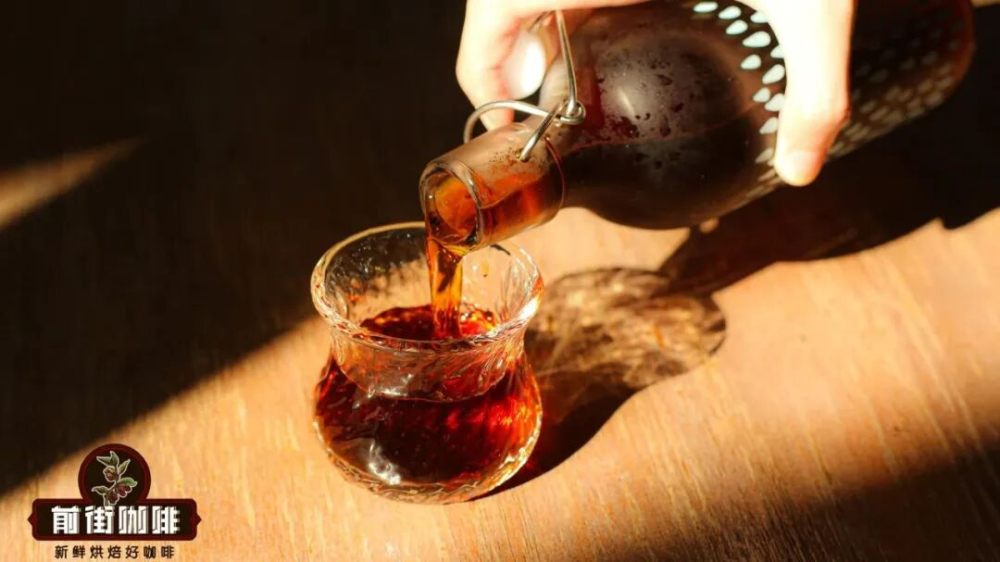
The flavor expression of cold brew coffee is quite unique, and many fans describe it as having a "wine-like" note. Some first-time tasters also curiously ask Front Street: is this cold brew extra wine added, or is the wine-like taste inherent in the coffee beans themselves?
In fact, neither guess is correct. Most of the "wine-like taste" in cold brew coffee ultimately comes from its distinctive extraction method. The principle of cold brew is to let ice water slowly pass through the coffee grounds drop by drop, thereby obtaining coffee liquid. Before making it, you need to prepare a cold brew dripper and freshly roasted coffee beans with full aroma.
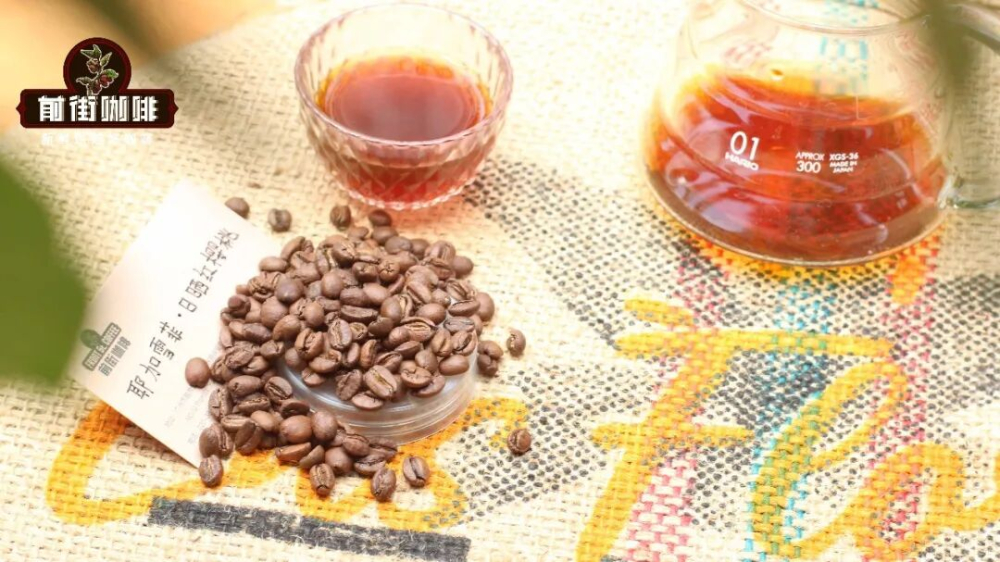
When making cold brew, Front Street tends to select coffee beans with prominent fruity notes, prioritizing single-origin beans processed by honey, natural, or anaerobic methods, such as Front Street Xizhua, Front Street Blackberry, Front Street Huakui, and Front Street Red Cherry. This type of coffee has a higher fruit content, and its flavor descriptions often include words such as peach, mango, lychee, raisin, passion fruit, orange, and pineapple.
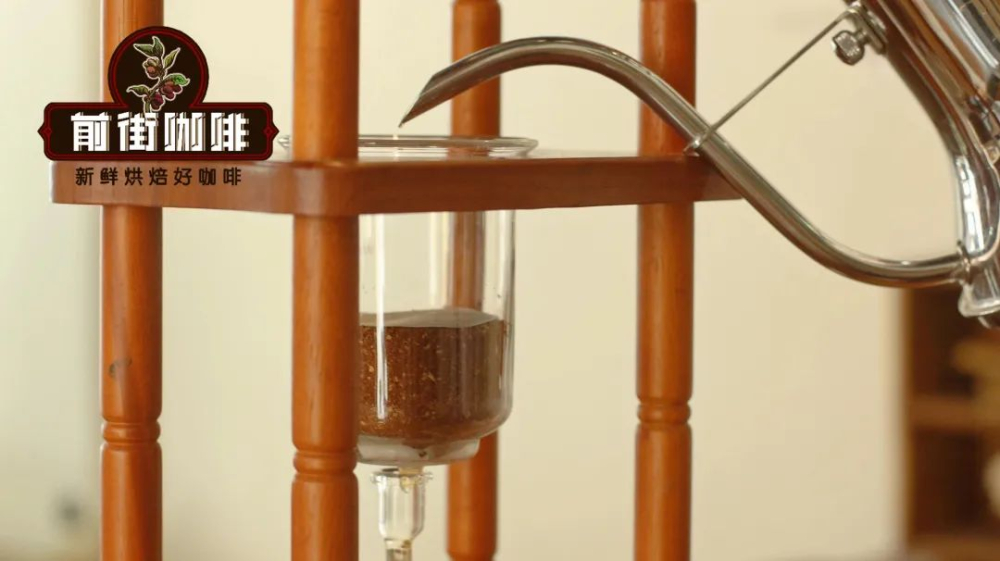
In every batch, Front Street uses 60 grams of coffee grounds to extract 600 milliliters of coffee liquid, resulting in a relatively high concentration that can later be diluted with ice. The dripping speed of the ice water is generally controlled at about 7 drops every 10 seconds, and the whole process usually takes between 6 and 8 hours. For this reason, cold brew coffee can be considered the most time-consuming of all coffee-making methods.
The end of dripping does not mean the cold brew coffee is complete. If you taste cold brew coffee right after dripping, you will clearly feel that the flavor has not yet opened up, the mouthfeel is rather thin, and there is even an astringency that sticks in the throat. This is because the substances in the coffee are still suspended in the water and have not fully combined with one another, creating a feeling of "separation" when drinking.
Therefore, after cold brew coffee finishes dripping, it is generally poured into a sealed bottle and then placed in the refrigerator for low-temperature aging, which some people also call "low-temperature fermentation." During this low-temperature aging process, the esters responsible for providing fruity aromas hydrolyze to produce carboxylic acids and alcohols, and alcohols are the source of that vinous aroma.
Generally speaking, once drip-brewed cold brew coffee has rested in the refrigerator for more than 8 hours, its mouthfeel becomes smooth and full. Fruity beans in particular will give off an aroma similar to fruit wine or fermented wine, making it feel as if you are tasting wine. Moreover, the longer cold brew coffee is stored, the more prominent the "wine-like taste" becomes. For example, cold brew made with Front Street Kenya Little Tomato coffee beans, after 12 hours of aging, shows a rich fruity wine character, with bright, clean yet steady berry acidity and a cool, mellow fermented feel.
However, cold brew coffee is not the only thing that can produce a "wine-like taste." If you brew a cup of hot coffee with fruity acidity but forget to drink it, then smell it the next day, it will likewise give off a fermented wine aroma; if the beans themselves have a strong fermented character, after overnight storage they may even develop the smell of rotten fruit and spoiled sourness.
Hot pour-over coffee is extracted at high temperatures, and when left at room temperature over time, it will also ferment and produce a wine-like smell, but this degree of fermentation is difficult to control, making it very easy to spoil. By contrast, cold brew coffee uses low-temperature extraction, which can inhibit the reproduction rate of bacteria; sealing plus low-temperature aging is also intended to further slow fermentation and inhibit bacterial growth.
Even so, cold brew coffee still carries a risk of spoilage if aged too long. And even if it has not spoiled, an overly strong fermented character will make the entire cup of cold brew coffee lose balance. Considering both safety and flavor, Front Street recommends that cold brew coffee is best finished within 5 to 6 days.
- END -
The above content is compiled by CoffeeHunters, a coffee news website.


