







How Does the Aging Process Change Mandheling Coffee?
Aged Mandheling is a coffee that has been rested and stored for a long period, a method similar to Indian Monsooned Coffee, and it is usually aged for as long as 24 months. The result is lower, softer acidity, a heavier body, honey-like sweetness and layered aged notes that separate it from fresh Mandheling.
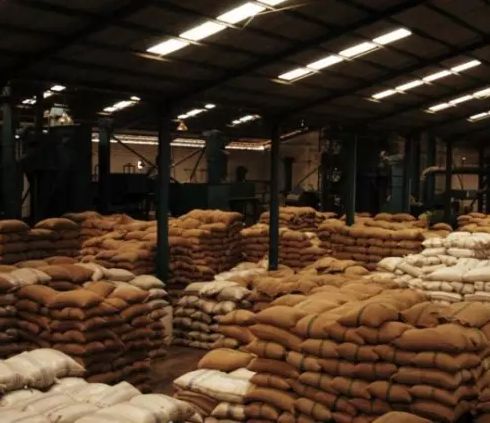
Aging takes place in ventilated, cool warehouses where green coffee bean lots are turned regularly to prevent moisture damage, rot or insects. Farmers select high-quality green beans first, then monitor them for years. Poor storage ruins the lot, so the method demands strict warehouse management at origin rather than simple waiting.
Aged Mandheling is a special type of coffee that has undergone long-term resting and aging, giving it a flavor distinct from regular Mandheling. It originated in the era of long sea voyages, and today relies on strict warehouse management at the place of origin to "create" beans with soft acidity, high body, honey-like sweetness, and complex aged notes. In this article, Front Street Coffee will start with the origins and key operational points of the aging process, compare the differences between aged beans and fresh beans, analyze changes in the appearance and flavor of green beans, and include Front Street Coffee's roasting curve, cupping information, and KONO dripper brewing parameters to help coffee lovers understand this "time-brewed" Mandheling.
Front Street Coffee has discussed Mandheling many times before, but this one is rather special, and its backstory deserves to be told separately. It follows logic similar to Indian Monsooned Coffee—it must be stored for several years to develop its unique flavor. This is Aged Mandheling. As the saying goes, wine improves with age; Aged Mandheling, meanwhile, requires technical processing to achieve a pleasant flavor profile, which is also why many people find Mandheling coffee delicious. Of course, some people dislike Mandheling precisely because its flavor is not easily accepted by everyone. The storage environment for aged beans needs to be ventilated and cool, and the entire process must be meticulous and rigorous; otherwise, if handled improperly, the beans will rot or even become infested with insects.
Aging Processing Method
The aging processing method is a special approach whose core is storing green coffee beans under specific warehouse conditions, with the aim of reducing acidity and adding a certain aged character. Similar to aged alcoholic beverages, green beans must undergo proper processing and long-term storage before they can be called true [aged coffee]. After long aging, Mandheling's fruit acidity is no longer sharp but instead soft and mellow, and its body and unique flavors perform even more impressively on the palate—this is the charm of Aged Mandheling. Coffee farmers select high-quality green beans and then rest and age them for as long as 24 months under strict monitoring standards; during the waiting period, the green beans in the storage tanks must be turned regularly to prevent moisture damage and mold. This process is extremely labor-intensive, and it also creates this Aged Mandheling with a richer, longer-lasting flavor.
This kind of aged coffee actually has a long history in Indonesia. In the early days, shipping was underdeveloped, and coffee took a considerable amount of time to be transported from Indonesia to other countries; as time passed, the originally moisture-rich fresh coffee beans gradually dried out, and combined with the sea breeze, they took on a rather special flavor. Modern advances in shipping have greatly shortened transport time, so this special flavor evolved into a specially processed type of coffee bean. Processing aged beans is a skill, and the beans must be closely monitored during the aging process; the goal is not to let the flavor fade, but to create another flavor—and a pleasant one.
Which is better, aged beans or fresh beans?
It varies from person to person. The vast majority of coffee is indeed better when fresh, but aged beans are a different processing method, just as decaffeination also pushes the flavor in a different direction, so they cannot simply be lumped together. It should be clarified that so-called aging is not a case of some bean merchant buying new beans, failing to sell them, and leaving them for several years. Aged beans are made by storing beans at the place of origin according to a certain procedure, so they have vintages. It is said that aged beans originated in the age of sail before steamships, when transporting coffee and other goods often took months, and the beans drifted at sea for a long time, causing their flavor to change. Some people who tasted this special flavor liked it and bought large quantities, after which people at the place of origin began to "create" aged beans according to those storage conditions, making them an important product category.
Green Bean Analysis
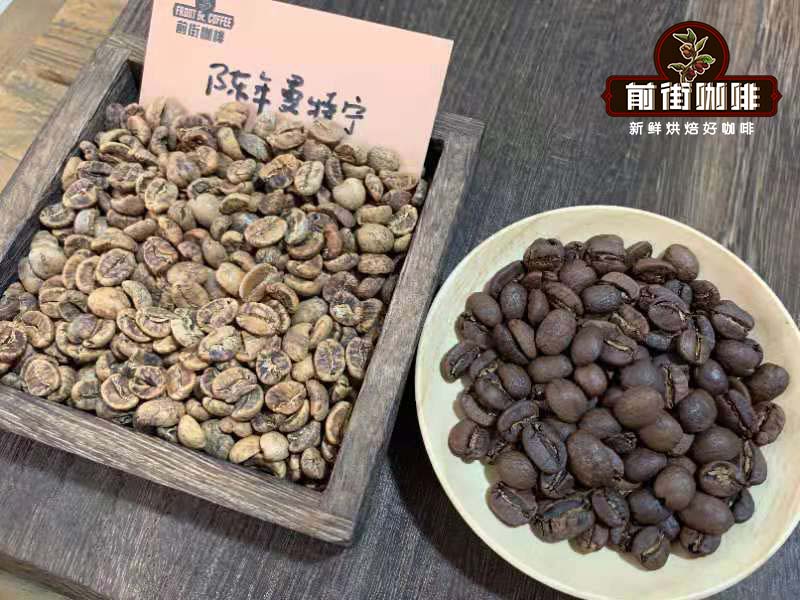
Coffee beans that are stored correctly will change in taste and appearance—for example, reduced acidity, darker color, lack of moisture, a fuller mouthfeel, good viscosity, sweetness with a honeyed aroma, and some defects that originally belonged to the green beans also become less noticeable. Because the storage environment is darker and the time is longer, aged coffee can hardly escape a mold-like note, or what is commonly called complex flavors such as burlap and leather. Aged beans must be stored under strictly and carefully controlled conditions during storage, turned evenly at regular intervals, and have humidity and ventilation adjusted to prevent insect damage or mold. Generally speaking, the storage of aged beans does not take place in the producing region or on the estate, but is a commercial practice of green bean dealers or brokerage companies. Coffee beans that are stored correctly will change in taste and appearance—for example, reduced acidity, darker color, lack of moisture, a fuller mouthfeel, good viscosity, sweetness with a honeyed aroma, and some defects that originally belonged to the green beans also become less noticeable.
Front Street Coffee (FrontStreet Coffee) Roasting Analysis Yangjia 800N, 550g green beans charged
Aged Mandheling looks a bit ugly; the passage of time wears away Mandheling's acidity, increases its purity, and gives it a rounder medium-dark mouthfeel. Because Mandheling green beans are high in density and aged beans have little moisture, heat adjustments at each stage must be made with special care, and care must be taken not to scorch the oil on the surface of the original beans. Charge when the drum temperature reaches 200°C, set the damper to 3, after 1 minute of soaking adjust the heat to 160°C with the damper unchanged, adjust the heat once when the drum temperature is 165°C, lowering it to 140°C, roast until 5'35'', at a temperature of 146°C, when the bean surface turns yellow, the grassy smell completely disappears, and dehydration is complete, open the damper to 4; at the 9th minute, ugly wrinkles and dark streaks appear on the bean surface, and the toasted bread aroma clearly turns into coffee aroma, which can be defined as the prelude to first crack. At this time, listen carefully for the sound of the first crack. At 9'30'' first crack begins, reduce the heat to 80°C, open the damper fully to 5 (heat adjustment must be very careful, not so small that there is no cracking sound) 40°C, at 194°C lower the heat and drop the beans at 197.4°C.
Front Street Coffee (FrontStreet Coffee) Cupping Record
Sumatra Aged Mandheling
Region: Sumatra
Variety: Typica
Processing Method: Wet-Hulled
[Front Street Coffee (FrontStreet Coffee) Aged Mandheling Coffee Brewing Parameters]
Dripper: KONO dripper Water temperature: 88°C Grind size: Fuji Royal grinder setting 4
Analysis: The ribs at the bottom of the KONO cup are not very numerous, and the filter paper fits closely against the dripper, achieving the purpose of restricting airflow. This allows water and coffee grounds to have a longer contact and soaking time in the dripper, ensuring extraction time and extraction yield for a coarse grind. This allows the coffee grounds to be fully extracted, enhances the mellow mouthfeel, and makes the flavor more concentrated.
Front Street Coffee (FrontStreet Coffee) Brewing Method: Water-to-coffee ratio 1:14, 17g coffee, first pour 25g of water, bloom for 30s, second pour up to 238g of water, extraction time about 2:00
Flavor Description: Herbal, caramel
The above content is compiled by CoffeeHunters, a coffee news website.


