







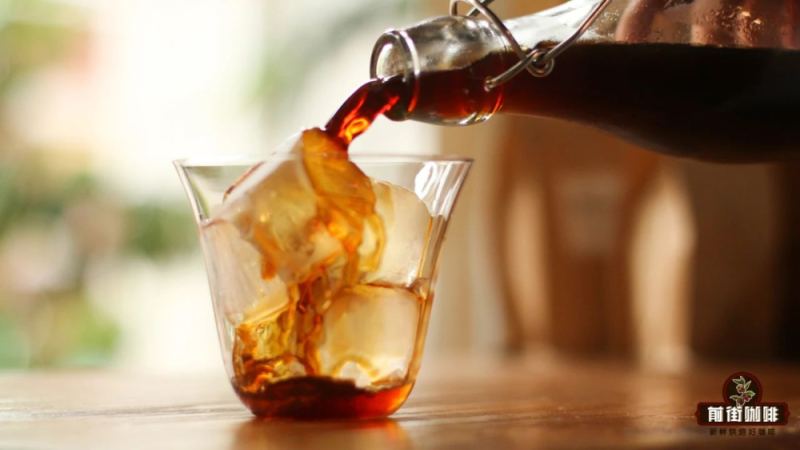
Why Does Cold Drip Coffee Taste Like Alcohol?
Cold drip coffee tastes like alcohol because of fermentation aromas produced during extraction and aging, not because any alcohol was added. Ice water drips through the grounds drop by drop over many hours, and the low extraction efficiency draws out fruity, wine-like aromatic compounds. The drink is then aged at low temperature, which deepens those fermented notes before serving.
Regular coffee extraction relies on hot water to release aromatics quickly; cold brew soaks grounds for about eight hours, while cold drip takes longer still. After extraction, the concentrate needs low-temperature aging rather than immediate drinking, which is when the wine aroma develops. Storage and hygiene precautions during preparation keep the batch clean, and the result is a smooth cup with fruity and wine notes but no alcohol.
The rich, lingering fermented wine aroma of cold drip coffee often leads people to mistakenly think alcohol has been added, but that is not the case. The source of this unique flavor is closely related to the cold drip extraction method and the subsequent low-temperature aging process. Front Street Coffee will walk you through the cold drip coffee-making process: from the coffee-to-water ratio and drip speed and other key parameters, to why it cannot be drunk immediately after extraction, how low-temperature aging gives coffee its wine-like aroma, and the precautions to take during preparation and storage. If you also want to recreate at home a cup of clean, smooth cold drip interwoven with fruity and wine aromas, why not follow Front Street's approach step by step, from bean selection to aging.
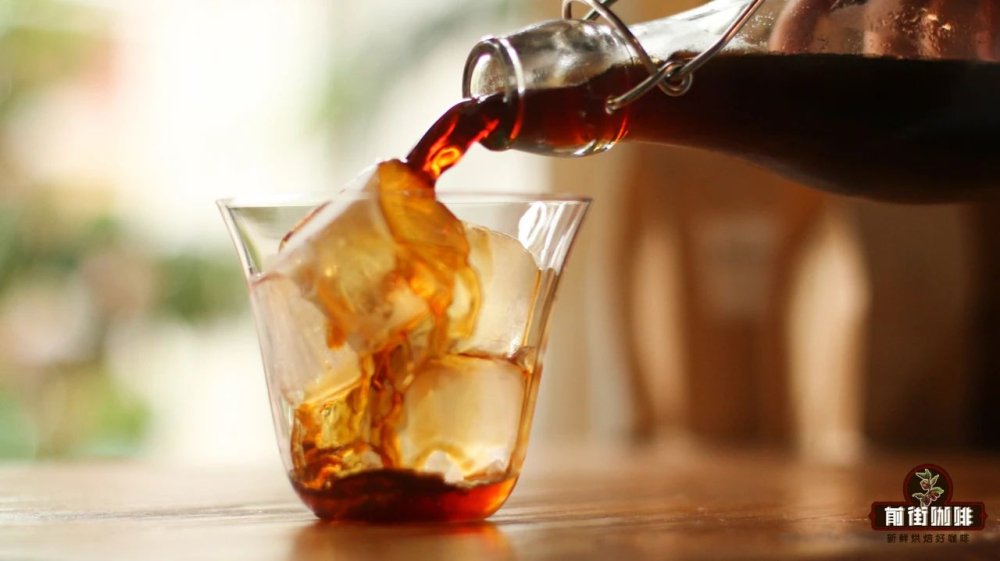
"Clean, full-bodied, and smooth" — this is the second impression many people have after drinking cold drip. The reason it is the second impression is that the first is usually dominated by that rich, lingering fermented wine aroma, and only after recovering from it do you realize that its mouthfeel is equally outstanding.
Some friends who have just encountered cold drip at Front Street stores often ask: "Did you add alcohol to your cold drip? Or do the coffee beans themselves have a wine flavor? Why is the wine aroma so strong?" In fact, cold drip coffee contains no alcohol. If you want to know where this wine-like flavor comes from, let Front Street explain it slowly.
Cold Drip Coffee
The extraction logic of cold drip coffee is completely different from that of regular coffee. Front Street often says that the vast majority of coffee extraction requires hot water to allow aromatic substances to be released quickly. Cold drip, however, is precisely one of the few that does not take this path.
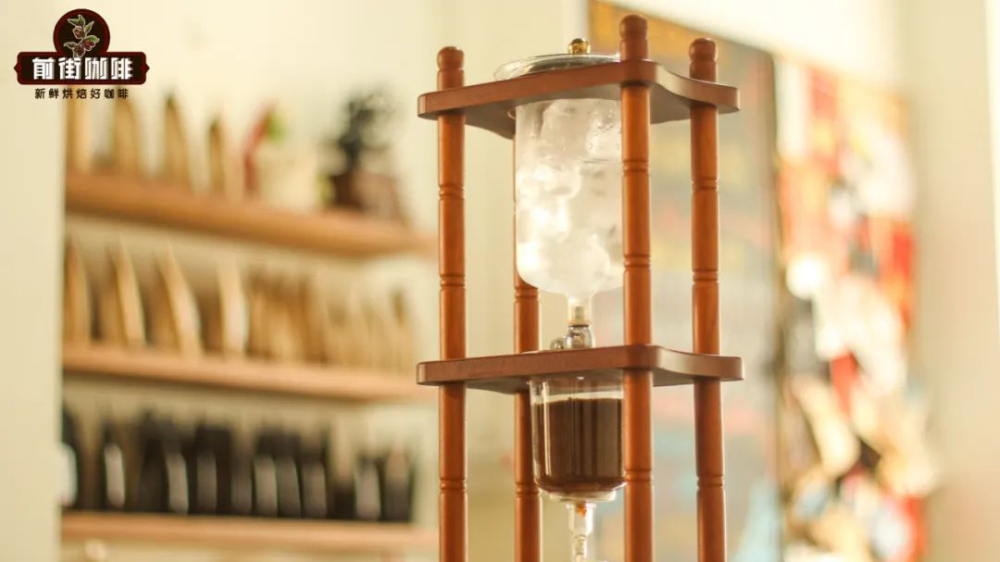
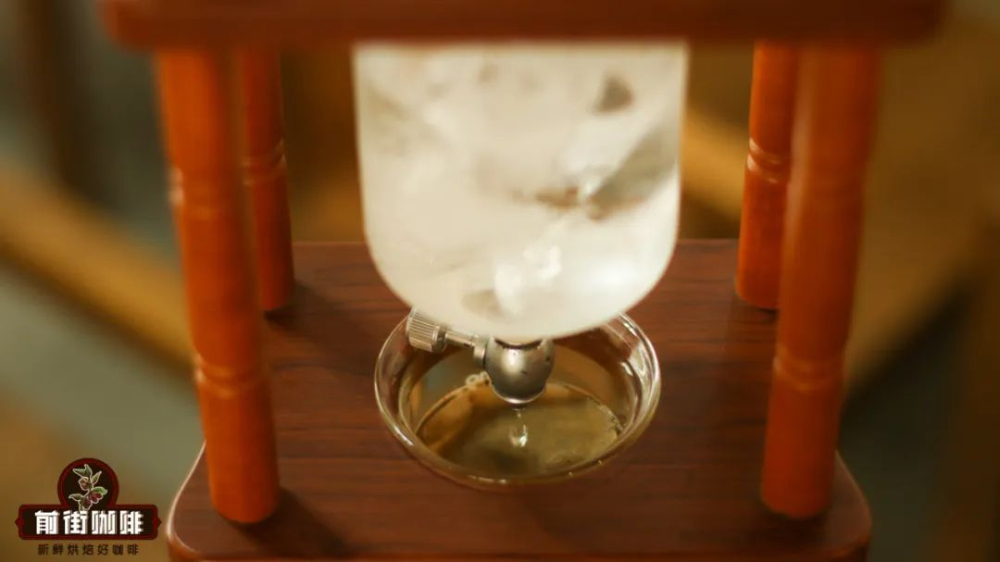
Cold drip is a type of cold brew coffee. So-called cold brew uses lower-temperature ice water to extract coffee flavor. Because the extraction efficiency of ice water is very low, the extraction time must be extended in order to fully bring out the aromatic components in the coffee. For example, cold brew coffee requires soaking coffee grounds in cold water for about eight hours before it can be filtered and drunk; cold drip takes even longer, and its method can be understood from its name — "ice drip," which means letting ice water drip through the coffee grounds drop by drop to complete extraction.
Take Front Street's cold drip method as an example: use 60 grams of coffee grounds and extract at a coffee-to-water ratio of 1:10, that is, use 60 grams of grounds to obtain 600 milliliters of coffee liquid, so the concentration will be ideal. Control the ice water drip rate at 7 drops every 10 seconds. To finish dripping 600 milliliters, it takes about 5 to 6 hours.
During this period, you also need to keep paying attention to whether the ice water drip rate is stable. Because as the ice water continuously decreases, the water pressure changes, which in turn affects the drip rate. So you must check from time to time whether the drip rate has deviated and adjust it promptly. It sounds a bit faster than cold brew, but the end of dripping does not mean the production is complete. It still needs to be refrigerated in the fridge for a period of time, and only after refrigeration is it truly ready to drink. At this point the question arises: "Why can't cold drip be drunk as soon as it is made?"
Why can't cold drip be drunk immediately after it is made?
The answer is actually very simple — you will understand once you try it. Freshly extracted cold drip does not have a rich flavor; on the contrary, it tastes bland and thin, even with a bit of astringency, as if it were under-extracted. But after sitting overnight, it presents a full fruity mouthfeel, clean and smooth, with a particularly rich fermented wine aroma. So the refrigerator step cannot be underestimated. The reason the coffee is put in the fridge is to let it age in a low-temperature environment.
Accordingly, if you pursue a fermented feel and wine aroma, it is best to give priority to coffee beans with full, ripe fruity flavors. You can directly buy single-origin coffees such as Front Street Strawberry Candy, Front Street Huakui, Front Street Blackberry, and Front Street Sidra, all of which are coffee beans that can easily produce delicious cold drip at home.
A little science note from Front Street: "Low-temperature aging" refers to the process of placing food in a relatively low-temperature environment and using microorganisms for fermentation. But low temperatures slow down microbial activity, so a longer time is needed to complete fermentation.
When the coffee is taken out the next day, it has already gained rich fruity flavors and wine aromas through microbial fermentation. The wine aroma we feel when drinking cold drip comes precisely from this.
However, microbial fermentation is often difficult to control precisely. Once you are negligent and fail to seal it well, it is prone to bacterial contamination and spoilage. So at Front Street, before putting cold drip into the fridge to age, it is first poured into a sealed glass bottle. This can both slow down the coffee's fermentation speed and inhibit bacterial growth. (The same principle applies to anaerobic fermentation processing.)
Generally speaking, cold drip coffee only needs 8 hours to complete aging. It tastes just as described at the beginning: clean, smooth, full-bodied, rich in fruity flavors, with a fermented wine aroma. If the resting time is extended to 12 hours, the fruity flavors and wine aroma will further integrate and evolve into an even more stunning fruity wine taste. (So Front Street always leaves it overnight!)
Here Front Street also wants to give a gentle reminder: although low temperature and sealing reduce the probability of cold drip spoiling, if it is left for too long, there is still a risk of spoilage. Especially when the bottle cap is repeatedly opened and closed, bacteria are more likely to breed and cause spoilage. For safety reasons, Front Street recommends drinking it within five days after the cold drip is made, which at least provides more assurance for your health.
The above content is compiled by CoffeeHunters, a coffee news website.


