








What makes Aged Mandheling different from other classic coffee?
Aged Mandheling is a Sumatran coffee deliberately held in warehouse storage, which is unusual in a specialty market that prizes freshness. The practice began during the Dutch colonial period, when beans shipped long distances from Indonesia dried out and picked up a distinct flavor from sea air and slow transport. It later became a standardized process rather than an accident.
Production runs from wet-hulling to controlled aging: humidity and temperature in the warehouse are monitored, and the green beans are turned at intervals so moisture stays even and mold does not develop. The goal is not to strip flavor but to build a new one. Aged Mandheling is compared with Golden Mandheling, and its deep roast profile suits pour-over brewing with adjusted parameters.
Under the mainstream concept of pursuing fresh coffee, Aged Mandheling stands out uniquely as an "expired" coffee. This special coffee originating from Sumatra, Indonesia, was first accidentally endowed with a unique flavor due to long-distance sea transport during the colonial period, and later evolved into a standardized aging process. This article traces the historical origins of Aged Mandheling, explains in detail its complete process from wet-hulling to warehouse aging, analyzes its differences from Golden Mandheling, and shares Front Street Coffee's cupping flavor description and pour-over parameter suggestions, taking you through a comprehensive understanding of this rich and charming classic coffee.
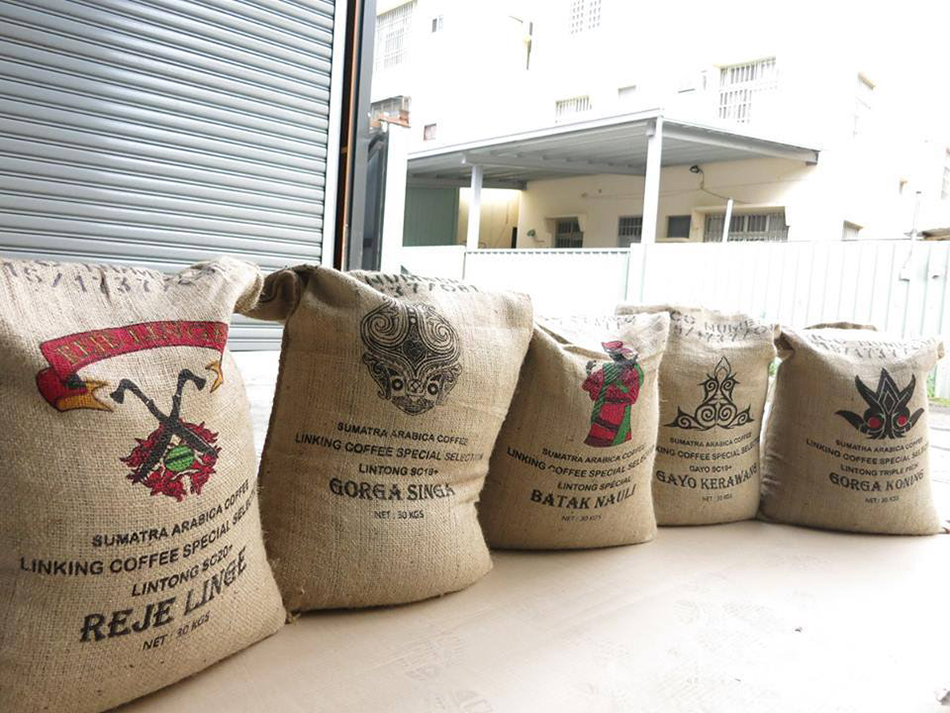
For more specialty coffee knowledge, please follow the WeChat official account: Front Street Coffee
Generally speaking, we always repeatedly emphasize the importance of coffee bean freshness, and we also compare the differences between new-crop and old-crop beans, thereby guiding everyone to prioritize freshly roasted coffee. However, one bean breaks this convention—Aged Mandheling. As an "expired" coffee, what charm does it rely on to attract so many coffee lovers?
In fact, aged coffee has a long history in Indonesia. In the early years, shipping conditions were limited, and coffee beans took a long time to transport from Indonesia to other countries. During transport, the fresh coffee beans with higher moisture content gradually dried, and combined with the continuous blowing of sea breezes, they unexpectedly acquired a very unique flavor. With the substantial improvement of modern shipping efficiency, transport time has been greatly compressed, and coffee with this special flavor turned into a specialized processed coffee category. The processing of aged beans is truly a technical task, requiring strict monitoring throughout the entire aging process of the coffee beans: the warehouse's humidity and temperature both have standard requirements, and the green beans also need to be turned irregularly to prevent uneven moisture between the upper and lower layers or mildew and spoilage. The purpose of aging is not to make the coffee lose its flavor, but to create another pleasant and unique flavor.
What is Aged Mandheling?
It can be said that this was the product of an "accident." The story dates back to the Dutch colonial period in Indonesia. Sumatra was then one of the world's main coffee-producing regions, and the coffee it produced had to meet the enormous demand of European consuming countries. Indonesia continuously shipped coffee beans to Europe, and to ensure an uninterrupted supply, it would store coffee beans in appropriate amounts. However, due to external factors such as the long transport distance, the shipping time was prolonged, and combined with the erosion of sea breezes, the coffee beans developed a one-of-a-kind special flavor by the time they reached Europe, making European coffee gourmets flock to them.
From this, people discovered that after processed coffee beans were aged for several years, the coffee's acidity would gradually fade, leaving a solid finish and a sweet aftertaste profile, with a flavor as charming as Pu'er tea. But one cannot always rely on "accidents" to produce aged beans, as this would undoubtedly add uncertain risks to coffee quality. We must be clear about one point: "aged beans" are not simply coffee beans piled in a warehouse and left to wait for several years, because beans left too long will spoil, or even become moldy and insect-infested. In that case, they are not "aged beans," but bad beans. Therefore, the production model of Aged Mandheling gradually became standardized and mature.
The Aging Process of Mandheling
First, freshly picked coffee cherries need to undergo conventional processing. For example, Front Street Coffee's Aged Mandheling coffee beans are processed using the wet-hulling method. In this procedure, premium beans (plump, large screen size, defect-free) must be carefully selected for aging. After screening is completed, the coffee beans are stored in the warehouse and enter the aging stage.
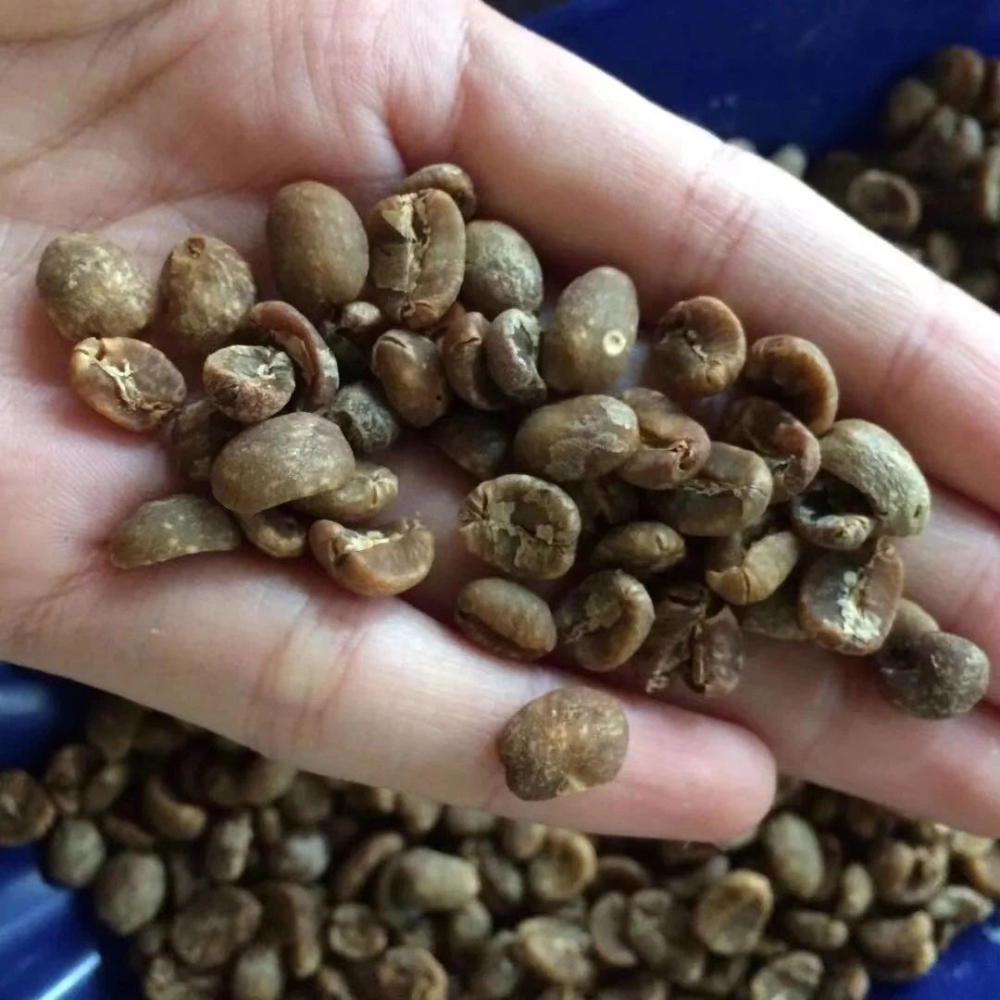
The aging process must be carried out in the place of origin, stored in warehouses with temperature and humidity control or good ventilation. During the aging period, they must be frequently turned and inspected, for two purposes: first, to let the coffee evenly contact the air and maintain consistent dryness; second, to check for moldy beans or insect-damaged beans and prevent large-scale contamination.
At present, the aging time for Aged Mandheling is usually 2 to 3 years. During this period, the coffee beans' acidity slowly weakens and transforms into sugars, and the color also becomes deeper, mostly yellowish-brown or dark brown, with very high recognizability.
What is Golden Mandheling?
The fame of Mandheling coffee originated from Pawani Coffee Company (PWN) successfully bringing Mandheling to the Japanese market. Unlike many local green bean traders in Indonesia, PWN is the exclusive supplier of high-grade Golden Mandheling coffee, contracting the best Mandheling coffee-producing regions in Indonesia, and the Mandheling beans it produces are all top-grade.
The wet-hulling method saves a great deal of time and labor costs in green bean processing, but the rapid processing also brings a higher defect rate, so only strict hand sorting can remove defects that machines cannot screen out. PWN subjects the Mandheling green beans it purchases to one machine sorting plus three hand sortings, with quality far exceeding Indonesia's local highest G1 grade. To meet Front Street's PWN Golden Mandheling production standards, the following points must be satisfied:
1. Green bean screen size: 18-19 mesh or above after one hand sorting
2. Fewer than 3 defective beans in a 300-gram green bean sample
3. Green coffee bean grade is G1
4. Color tends toward dark green, uniform in size, neat in shape
Before launching a coffee bean, Front Street tastes the coffee in the form of cupping. Cupping is an evaluation of coffee bean quality and flavor; unified standards can more objectively identify the strengths, weaknesses, and characteristics of the flavors presented by the beans. After cupping, Front Street's Lintong Mandheling everyday beans present a rich nutty profile, with a hint of melon aroma in the aftertaste, and after the temperature drops, herbal plant flavors emerge, with a full body and saturated aroma. Front Street's PWN Golden Mandheling not only has the aromas of dark chocolate, nuts, and caramel, but also the flavors of herbal spices and pine wood, with the sweet aftertaste of dark chocolate, a full finish, high cleanliness, and a gentle fruit acidity after the temperature drops.
Pour-over Parameters for Mandheling Coffee
Brewing water temperature: 87–88°C
Coffee grounds: 15 grams
Coffee-to-water ratio 1:15
Dripper: KONO dripper
Grind size: medium-coarse grind (70% passing rate on China standard No. 20 sieve)
Brewing method: three-stage pouring
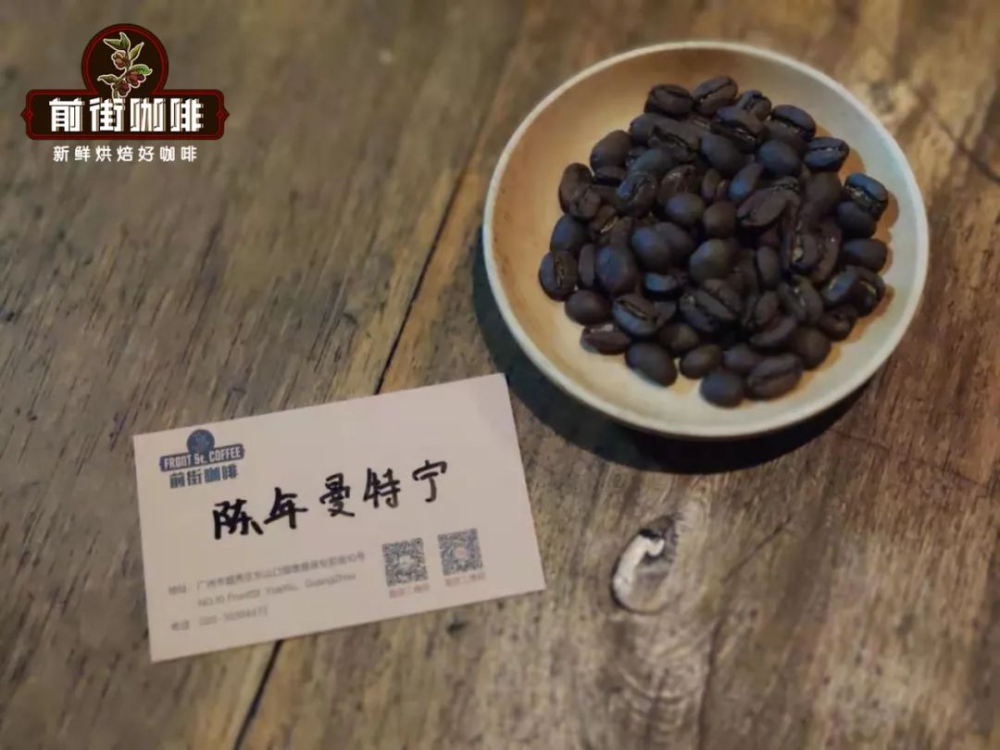
Deep roasting makes the internal texture of coffee beans loose, so they can be crushed with a gentle pinch of the hand, indicating that the structure of the coffee beans has undergone major changes, and after grinding into powder they have strong water absorption. To avoid over-extraction after the coffee grounds absorb water and the release of a large amount of bitter substances, Front Street uses a coarser grind size than for light-roasted coffee beans. Here, medium-coarse grinding is used (70% passing rate on China standard No. 20 sieve), store EK43s setting 11.
Roasting promotes caramelization and the Maillard reaction in coffee beans. As the roast degree deepens, more non-enzymatic browning occurs as monosaccharides and amino acids interact and decompose under heating conditions, making it easier to release bitter large-molecule substances. To avoid extracting too many off-flavors, Front Street appropriately lowers the water temperature. The brewing water temperature for light-roasted coffee is 91–93°C; for deep-roasted coffee beans, Front Street recommends 87–88°C.
For coffees with a full-bodied mouthfeel such as Indonesian Mandheling coffee, Brazil Queen Estate coffee, and Jamaican Blue Mountain coffee, Front Street Coffee baristas give priority to using the KONO dripper for brewing.
Front Street Coffee baristas consistently use the three-stage pouring method. Pouring in three stages better expresses the full body and caramel sweetness of Golden Mandheling coffee, while also offering greater controllability of time and water volume.
Rinsing the KONO dripper allows the filter paper to fit the coffee dripper more closely. After pouring out the water in the server, add 15g of ground coffee, and bloom with 30g of water for 30s. This pour needs to completely wet the coffee grounds and allow degassing, so that the coffee's flavor substances can be better extracted afterward.
Some friends, when extracting light-roasted coffee beans, extend the bloom time to 45 or 50 seconds to enhance the aroma in the front section of the coffee. However, if deep-roasted Mandheling coffee is bloomed for too long, it easily releases too much woody and off-flavor notes, so Front Street chooses to bloom for 30 seconds.
For the second stage, begin pouring hot water slowly in a circular motion from the center with a small stream until reaching 125g, then start the next stage. The water flow needs to be poured steadily throughout; stirring too forcefully easily breaks the coffee grounds' wall, causing uneven extraction.
Wait until the coffee grounds layer drops to half the height of the dripper and the bed is exposed, then begin pouring the second stage in the same manner until 225g. After all dripping is complete, remove the dripper. The extraction time is two minutes, with a margin of 10 seconds.
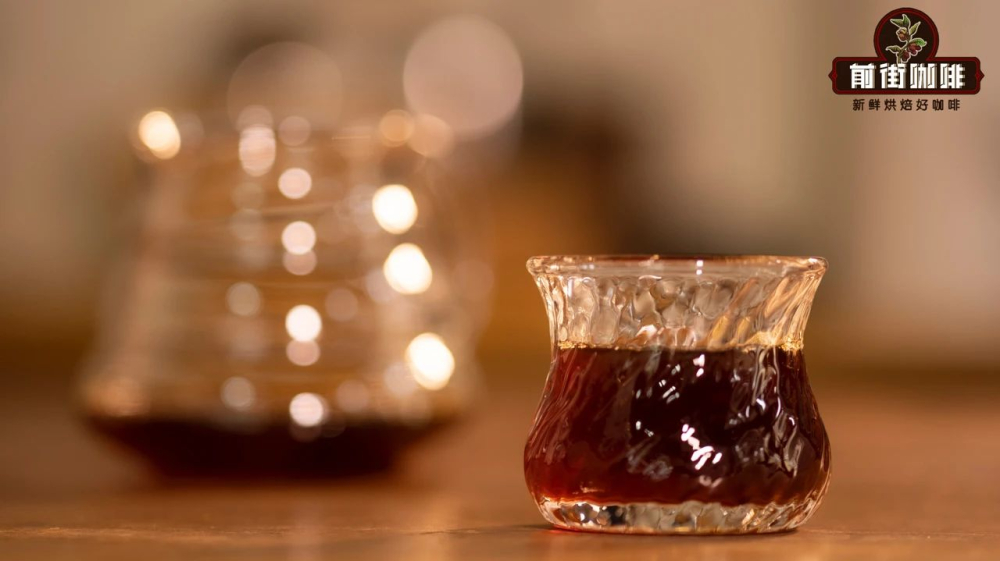
Finally, swirl the coffee liquid in the server to mix it evenly, and you can begin tasting the pour-over Golden Mandheling black coffee. The brewed Mandheling coffee has aromas of spices, dark chocolate, nuts, caramel, and pine wood on entry, with a full and clean mouthfeel, obvious sweetness returning, and a lasting finish.
The above content is compiled by CoffeeHunters, a coffee news website.


