







What Sets Aged Mandheling Coffee Beans Origin Apart?
Aged Mandheling is green coffee stored for a full 24 months under strict monitoring, which softens acidity and builds a mellow, thick body. The result is soft fruit acidity, pronounced sweetness, and a recognizable cup distinct from fresh Mandheling. Its coffee beans origin is Indonesia's Sumatra region.
Historically, long sea voyages dried out Indonesian coffee beans and imparted a special flavor. Modern shipping is faster, so aging has become a deliberate process. Green beans in storage silos are turned regularly to avoid moisture damage and mold. Aged Mandheling differs from Golden Mandheling in grade and screening.
Aged Mandheling, through its unique aging process, presents a mellow flavor completely different from fresh coffee—soft fruit acidity, pronounced sweetness, and a thick mouthfeel—making it a highly recognizable category among Indonesian coffees. This article begins with the origins of the aging method, sorts out its essential differences from regular fresh beans, analyzes the flavor and appearance changes of green beans during long-term storage, and focuses on comparing the differences between Aged Mandheling and Golden Mandheling. It also introduces the producing region, grade, and screening standards of Front Street PWN Golden Mandheling, helping coffee enthusiasts clarify key purchasing points, recognize the PWN trademark, and drink truly premium Sumatran specialty coffee.
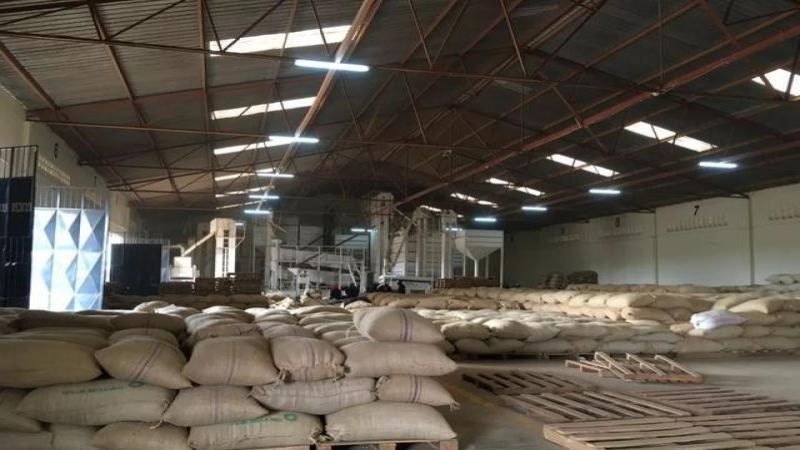
The aging process is a rather unique green bean storage technique, the core of which lies in using specific storage conditions to gradually reduce the acidity of green coffee beans while cultivating a certain aged character. Similar to the logic of aged wines, green beans only qualify as truly 【aged coffee】 after proper handling and prolonged storage. The fruit acidity naturally present in Mandheling gradually shifts from sharp to soft and gentle during long aging, while the body and the unique flavor performance in the mouth are even more impressive—this is precisely the charm of Aged Mandheling. Farmers first select green beans of outstanding quality, then let them rest and age for a full 24 months under extremely strict monitoring standards. During the waiting period, the green beans in the storage silos must be regularly turned to eliminate the risk of moisture damage and mold. The entire process is extremely labor-intensive, and precisely because of this, this Aged Mandheling with a richer and more enduring flavor is created.
In fact, this kind of aged coffee has a long history in Indonesia. In earlier times when shipping was not yet developed, transporting coffee from Indonesia to other countries often took a very long time. As time passed, fresh coffee beans originally full of moisture gradually dried out, and combined with the blowing of sea breezes, this actually imparted an extremely special flavor. Modern shipping efficiency has greatly improved, and transportation time has been significantly compressed, so this special flavor has turned into a dedicated processed coffee bean category. Processing aged beans is a technical skill, requiring strict monitoring throughout the entire aging process of the coffee beans, with the goal not of letting their flavor dissipate, but of creating another pleasant flavor.
Aged Beans vs. Fresh Beans: Which Is Better?
This question varies from person to person. The vast majority of coffees are indeed better when fresh, but aged beans follow a different processing path—just as decaffeination also shifts the flavor direction—so the two should not be directly compared. It should be clarified that so-called aging is "not" a case of some bean merchant buying new beans, failing to sell them, and then letting them sit for several years. Aged beans are all stored at the origin according to established procedures, and therefore have vintage distinctions. Regarding the origin of aged beans, one theory goes: in the age of sail before steamships, the transport of coffee and other goods often took months, and beans drifting at sea for too long would undergo flavor changes. After some people tasted this special flavor and found it quite good, they purchased large quantities, and thereafter people at the origin began to "manufacture" aged beans under similar storage conditions, making it an important product category.
Green Bean Analysis
Properly stored coffee beans will undergo changes in taste and appearance, such as reduced acidity, a dark color with a lack of moisture, a thicker body with better viscosity, sweetness with a honeyed fragrance, and certain defects originally belonging to green beans becoming less obvious. Because the storage environment is relatively dark and the time is long, aged coffee often inevitably carries complex flavors resembling mustiness, or what is commonly called burlap and leather notes. Aged beans must be stored under strictly and carefully controlled conditions during storage, regularly and evenly turned, with humidity and ventilation adjusted to prevent insect damage or mold. Generally speaking, the storage of aged beans does not take place at the producing region or estate, but is a commercial practice of green bean dealers or brokerage companies. Correctly stored coffee beans will change their taste and appearance, for example reduced acidity, a dark color with a lack of moisture, a thicker body with better viscosity, sweetness with a honeyed fragrance, and certain defects originally belonging to green beans also becoming less obvious.
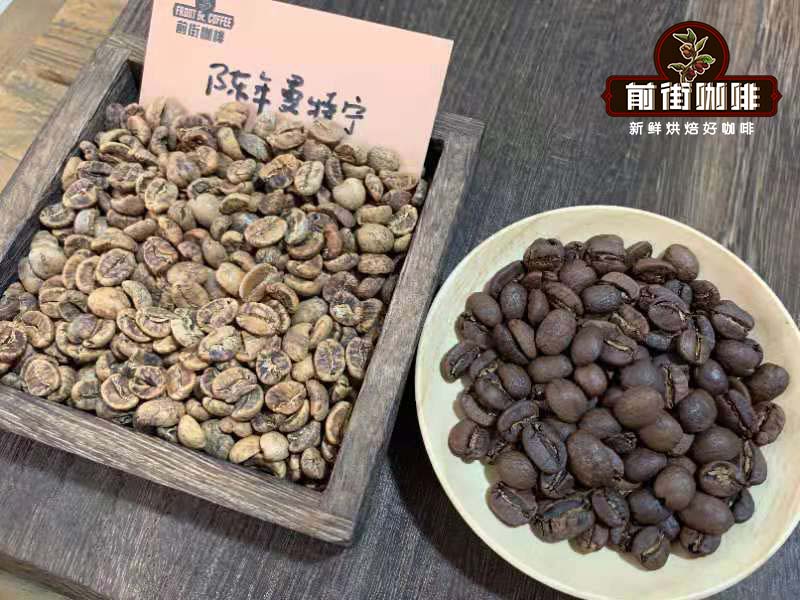
Mandheling produced in the mountains of Sumatra is renowned worldwide for its rich texture. The remarkable thing is that different processing methods bring obvious differences—for example, Front Street PWN Golden Mandheling exhibits a mellow mouthfeel and clean resonance due to multiple rounds of screening. Sumatran coffee beans form a contrast with the wine-like mouthfeel of East Africa, while beans from Indonesia and New Guinea show another style: viscous texture, acidity buried deep within complex flavors, dark and intense herbal or wild mushroom notes, and a sweet aftertaste that reaches deep into the throat and lingers for a long time.
If you want to taste the flavor of Sumatran specialty coffee, we will first recommend that you buy the highest-grade Front Street PWN Golden Mandheling. Its beans are uniform and plump, large and translucent, with a low defect rate. After medium-dark roasting, it also carries a rich roasted aroma. The black coffee brewed from it has a clean mouthfeel and full body, making it very suitable for friends who do not like acidic coffee.
Front Street Indonesia Front Street PWN Golden Mandheling Coffee Beans Producing Region: North Sumatra, Aceh, Gayo Mountain Altitude: 1100-1600m Variety: Ateng Processing Method: Wet Hulling Grade: G1 Triple Hand-Sorted
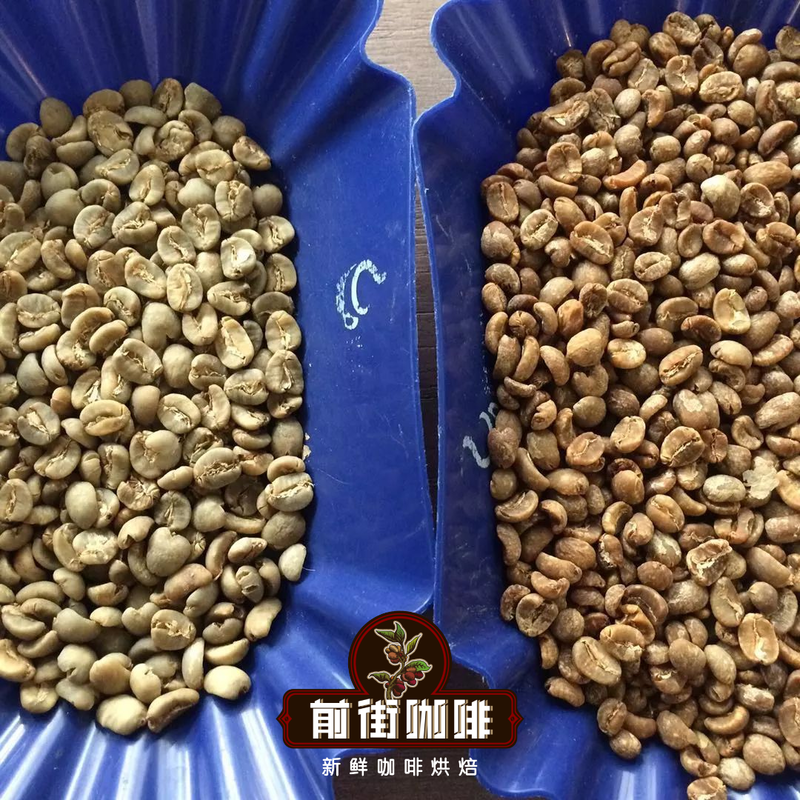
Front Street Golden Mandheling is a selection of top-tier coffee under the Indonesian green bean company Pawani. The key point is that Golden Mandheling is a trademark, a brand built to be Indonesia's finest coffee. Because of this, Pawani also searches throughout the island of Sumatra to find and purchase excellent-quality coffee beans. It is worth noting that Pawani registered the Golden Mandheling trademark in Indonesia, but does not hold the trademark domestically, which is why a large number of "Golden Mandheling" not exported by Pawani have appeared on the market. Buyers are advised to look for the Pawani (PWN) trademark when purchasing; usually the PWN logo is printed on the green bean burlap sacks. If you cannot be sure, you might ask the seller to provide the certificate that comes with PWN beans for identification.
As mentioned earlier, the wet hulling process intensifies the influence of environmental mold, yeast, and bacteria, thereby affecting green bean quality. Front Street Golden Mandheling is known for its high-quality Mandheling, and its clean, mellow mouthfeel is unforgettable—the reason lies in Pawani's strict screening standards. After the green beans are processed, they undergo one mechanical sorting and three hand sortings, with the grade marked as "TP," in order to screen out defective beans and small coffee beans, ensuring that the beans in each package are uniform in size and low in defect rate.
The above content is compiled by CoffeeHunters, a coffee news website.


