







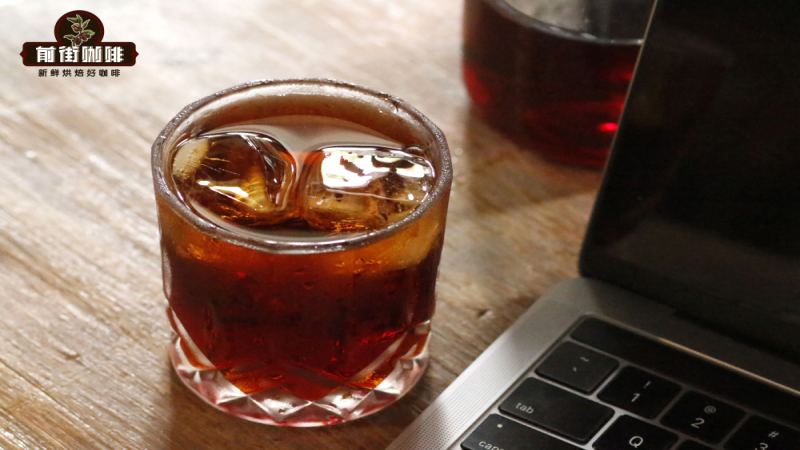
Many people trying iced drip coffee for the first time are surprised: is there alcohol in this cup? In fact, that vinous note doesn't come from alcohol, but from the combined effect of the unique iced drip extraction method and subsequent low-temperature aging. This article starts from Front Street Coffee's actual parameters for making iced drip coffee, combines chemical principles to explain how ester hydrolysis produces the alcohols that bring the vinous aroma, compares the differences with the natural fermentation of hot-brewed coffee, and gives the best drinking window and safety recommendations for iced drip coffee.

The flavor performance of iced drip coffee is quite unique, and customers who often order iced drip in the shop will describe it as "boozy." Some friends new to coffee also ask Front Street Coffee curiously: do you add alcohol to your iced drip, or do the coffee beans themselves carry a vinous aroma?
The answer is neither. That "vinous charm" in iced drip coffee is actually thanks to its distinctive production method.
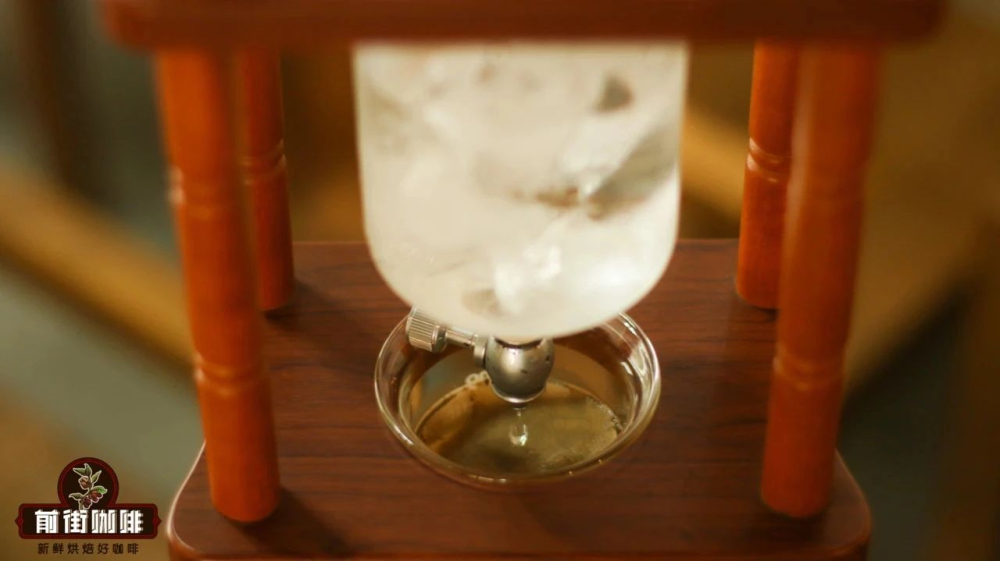
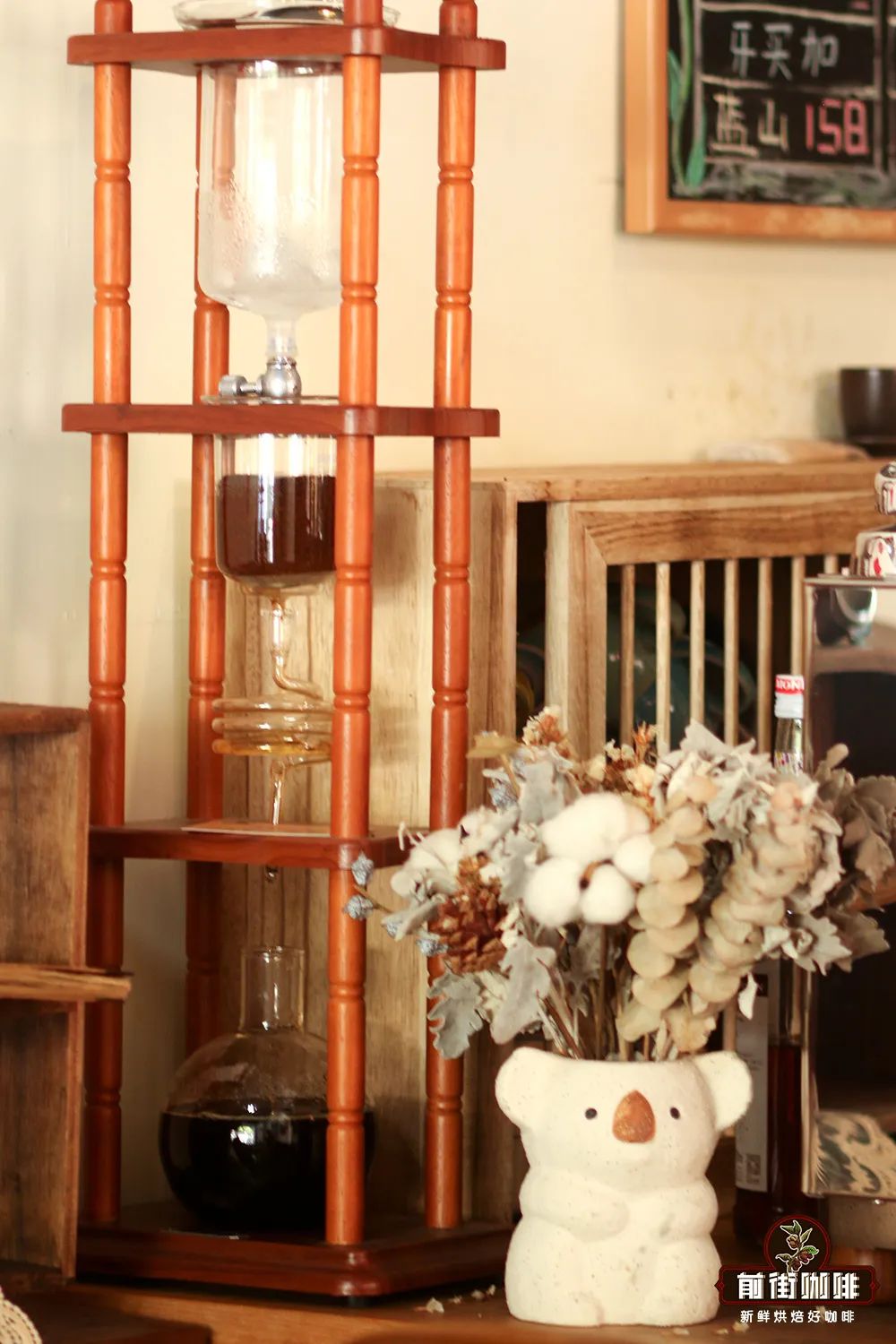
The method for iced drip coffee is to let ice water slowly pass through the coffee grounds drop by drop, thereby extracting the flavor compounds. Taking Front Street Coffee's iced drip production plan as an example, usually 60 grams of coffee grounds are used, ultimately extracting 600 milliliters of coffee liquid (relatively high concentration), with the ice water drip rate controlled at about 7 drops every 10 seconds.
The entire process must continue for 6 to 7 hours before dripping is complete. Because of this, iced drip ranks as one of the most time-consuming of all coffee-making methods.
However, the end of dripping does not mean the iced drip coffee is ready. If you taste iced drip right after dripping, you will find the aroma rather weak, the body thin, and even a slightly astringent, scraping sensation.
Therefore, after dripping is completed, the coffee liquid is usually poured into a sealed bottle and then placed in the refrigerator for low-temperature aging (some also call it "low-temperature fermentation"). During this process, the esters that originally provide fruity aromas to the coffee hydrolyze, producing carboxylic acids and alcohols, and alcohols are the source of the vinous fermentation aroma.
Generally speaking, iced drip coffee only needs to be placed in the refrigerator for more than 8 hours, and the mouthfeel will turn smooth and mellow, giving off a vinous and fermented aroma, with a drinking experience much like alcohol. Moreover, the longer it sits, the more obvious the "boozy" note becomes. For example, the iced drip made by Front Street Coffee using Kenya Asalia coffee beans, after 12 hours of aging, presents a rich fruity wine aroma, with a tomato-like acidity that is bright, clean, yet still steady, and also carries a chilled, mellow fermented sensation.
In fact, iced drip is not the only thing that can produce a "boozy" note. If you brew a pour-over but forget to drink it, then smell it the next day, it will also have a fermented vinous aroma, mixed with the smell of rotten fruit and spoiled sourness.
Hot-brewed coffee will also ferment into wine-like aromas over time, but this degree of fermentation is difficult to control and very prone to spoilage. By contrast, the low-temperature extraction of iced drip can inhibit bacterial growth, and sealing plus low-temperature aging is also intended to slow fermentation and suppress bacterial growth.
Even so, iced drip coffee still carries a risk of spoilage if aged too long; and even if it does not spoil, an overly strong fermented note will make the whole cup lose balance. Out of consideration for both safety and flavor, Front Street Coffee recommends drinking iced drip coffee within 5 days.
The above content is compiled by CoffeeHunters, a coffee news website.


