







Search Results for: trigonelline

Study Finds: Regular Coffee Consumption May Help Delay Muscle Aging, Triglycerides Become Key Component
Besides waking you up, coffee may also bring unexpected benefits for muscle health. A latest study jointly conducted by research institutions in Switzerland, Singapore, the United Kingdom and other countries shows that trigonelline, a natural plant alkaloid in coffee, can boost NAD⁺ levels in the body and improve mitochondrial function, thereby helping to maintain muscle strength and slow age-related muscle degeneration. Published in a Nature sub-journal, the study offers coffee lovers a new health perspective. However, the researchers also caution that coffee is only a supplementary aid—balanced nutrition and regular exercise are fundamental to keeping muscles strong. [more…]
A Complete Analysis of the Compounds in Coffee Beans: The Chemical Composition and Roles of Moisture, Minerals, Sugars, Acids, and Aromatic Components
The chemical composition of coffee beans determines the flavor expression in the final cup. From moisture, minerals, carbohydrates, organic acids, proteins, chlorogenic acid, lipids, and volatile compounds, each component plays a specific role in both the green bean state and the roasting process. Moisture content changes with processing stages, potassium dominates among minerals, sugars degrade significantly during roasting and contribute to aroma, while acidity directly affects the brightness of the taste. This article will systematically outline the chemical composition of coffee beans and their effects on quality and flavor, helping coffee enthusiasts gain a deeper understanding of the material basis of specialty coffee. Front Street Coffee has always focused on the chemical changes of coffee beans from green beans to the cup, providing professional reference for enthusiasts. [more…]
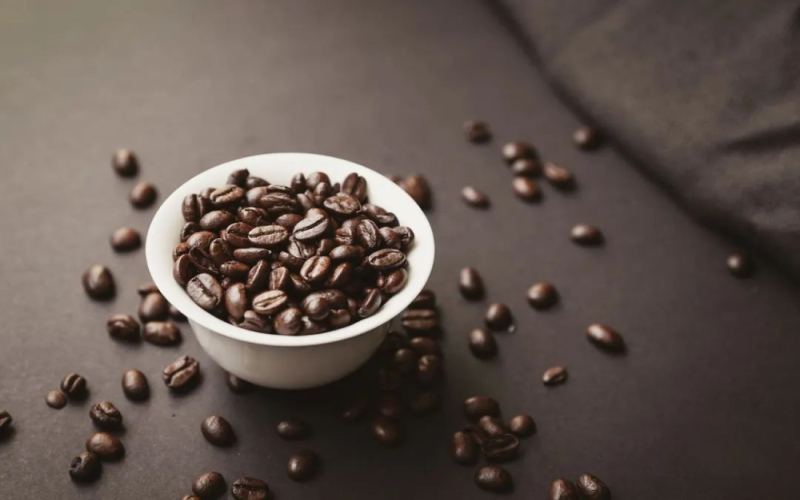
Coffee Consumption and Irritable Bowel Syndrome Risk: Latest Research Reveals a 16% Reduced Association
Coffee is not just a pick-me-up beverage—in recent years, research has also found that it has potential benefits for the digestive system. A 2023 systematic review and meta-analysis published in the journal Nutrients, which included more than 430,000 participants, explored the association between coffee intake and the risk of irritable bowel syndrome (IBS). The results showed that, compared with non-coffee drinkers, people who drank coffee had a 16% lower risk of developing IBS. This protective effect may be related to the antioxidant and anti-inflammatory properties of components in coffee such as caffeine, polyphenols, diterpenes, and trigonelline. However, the effect of coffee on relieving IBS symptoms varies from person to person, and the study itself has observational limitations. This article will provide a detailed interpretation of this study and explore the possible effects of coffee on gut health. [more…]

Analyzing the Causes of Coffee Bitterness: How to Distinguish Over-Extraction from Over-Roasting and Precisely Adjust Pour-Over Parameters
Many coffee enthusiasts, when they encounter bitterness during pour-over brewing, instinctively cut off the tail end of the extraction—but is bitterness really only coming from the tail end? In fact, the sources of coffee's bitterness are complex: they are related both to the order in which compounds dissolve during extraction and to the degree of roast. Front Street Coffee will guide you through a deeper understanding of the true causes of coffee bitterness, teach you to distinguish between the bitterness caused by over-extraction and that caused by too dark a roast, and share how to avoid unnecessary bitterness by adjusting pour-over parameters such as grind size, water temperature, and time, so that every cup of coffee comes closer to your ideal flavor. [more…]

Why Is Pour-Over Coffee So Fruity? The Flavor Transformation Mechanism from Green Bean Composition to Roasting and Brewing
Citrus, passion fruit, strawberry, grape... we have been familiar with the flavors of these fruits since childhood, and even with our eyes closed, we can identify the specific varieties by taste. Coffee itself is also a fruit, and its fruit contains a large number of aromatic substances similar to fruit aromas. However, the fruity aroma is not fully formed from the beginning, but is gradually transformed during a very short ripening period. From esters, ketones, alcohols, and other components in green beans, to the catalysis of the Maillard reaction and caramelization during roasting, and finally to the final presentation during brewing, every step influences the flavor in the cup. This article will systematically sort out the sources and transformation pathways of coffee fruity aromas, helping enthusiasts understand why medium-light roasted pour-over coffee can display such distinct floral and fruity notes. [more…]
Can Bulletproof Coffee Really Help You Lose Weight? A Comprehensive Analysis of the Ketogenic Principle, Potential Risks, and Who Should Avoid It
Bulletproof coffee has become a hot topic in fat-loss circles in recent years. It was adapted from Tibetan butter tea by American Silicon Valley engineer Dave Asprey, and advocates a high-fat, low-carb approach to push the body into a state of ketosis, thereby achieving fat burning and weight loss. However, the weight-loss effect of this drink does not apply to everyone, and the hidden risks of the ketogenic diet, gastrointestinal discomfort, and contraindications for people with certain diseases behind it cannot be ignored. This article will analyze in detail the weight-loss principles of bulletproof coffee, the possible side effects, and who should not drink it, and will also include practical advice from Front Street Coffee to help you view this internet-famous drink rationally. [more…]
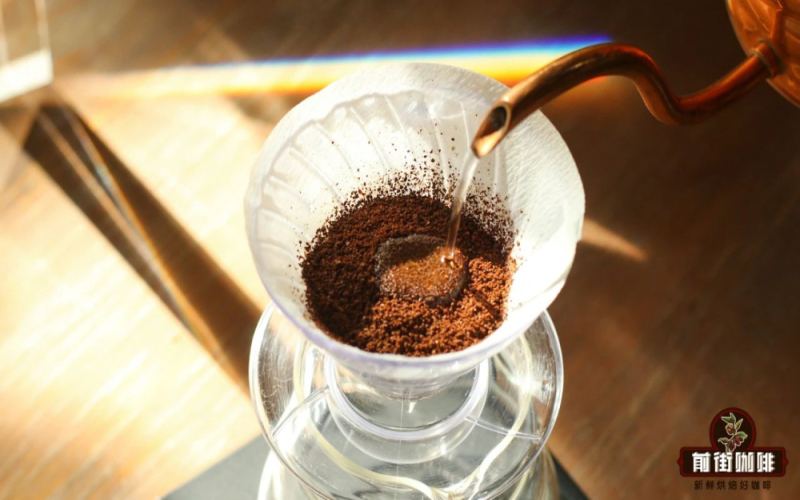
Is It Appropriate to Add Sugar or Milk to Pour-Over Coffee? Flavor Principles and Drinking Suggestions Explained in One Go
Many people who are just getting into pour-over coffee agonize over the same questions: Can I add sugar? Can I add milk or cream? Is it better to drink it hot or let it cool a little? Faced with these questions, coffee books on the market often give answers that are serious or even contradictory—some insist that adding sugar ruins the coffee's original flavor, while others allow only fresh cream. Front Street Coffee takes a rather relaxed attitude here—drink it however you like—but it also adds some notes on flavor. This article looks at sugar and milk from two angles, discussing where coffee's bitterness comes from, the sweet aftertaste of good coffee, and how to choose beans if you want to add milk, helping you respect your own taste while also understanding the reasoning behind coffee flavor. [more…]
The Nuances of Adding Sugar and Milk to Pour-Over Coffee: An Analysis of Proper Black Coffee Brewing and Tasting Methods
Those new to pour-over coffee are often troubled by a seemingly simple question: What is the "correct" way to drink this cup of coffee? Will adding sugar ruin the flavor? Does adding a splash of milk make you an amateur? Some insist that black coffee is the only authentic way, while others believe that a rich, milky aroma is what makes it truly satisfying. In fact, when it comes to how to drink pour-over coffee, there is no universal hard-and-fast rule. This article approaches the topic from the angles of coffee temperature, sources of bitterness, and the reasonableness of adding sugar or milk, helping you sort out your thoughts. It also offers Front Street Coffee's bean selection recommendations, so that you can both appreciate the true flavors of specialty coffee and freely enjoy the way you like to drink it. [more…]
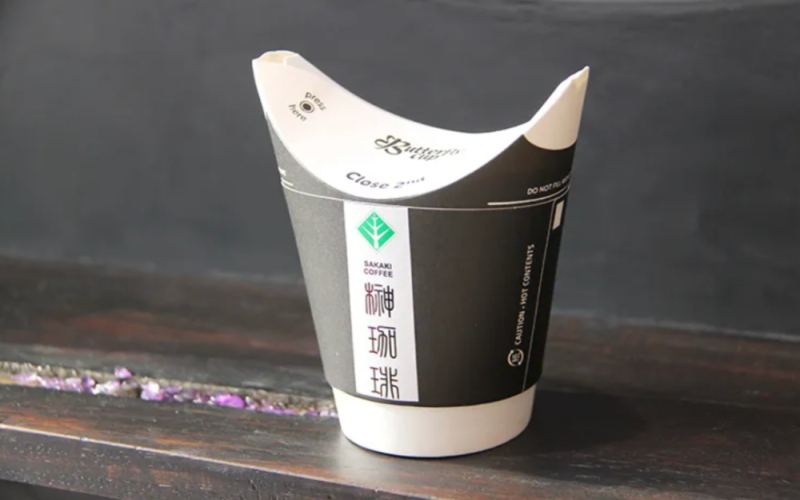
Comparison of Weight Loss Effects Between Green Coffee and Black Coffee: The Science Behind Differences in Chlorogenic Acid Content
In recent years, a "raw coffee" launched by a coffee shop in Nagoya, Japan, has attracted the attention of health scholars and celebrity models. This drink, made by brewing raw coffee beans together with roasted coffee beans, is said to far outperform black coffee in terms of weight loss. A four-week experiment showed that participants who drank raw coffee lost significantly more weight than those who drank black coffee, and the key behind this lies in the abundant chlorogenic acid in raw coffee beans. Chlorogenic acid can improve insulin sensitivity and regulate glucose and lipid metabolism, and has preventive and therapeutic effects on obesity and metabolic syndrome. However, chlorogenic acid is sour and astringent and unpleasant to the taste, and is degraded after roasting. Raw coffee tastes light, with nutty and roasted barley tea flavors, but it still contains caffeine and should not be drunk in excess. This article will provide an in-depth analysis of the weight-loss principles of raw coffee, the mechanism of action of chlorogenic acid, and its essential differences from black coffee. [more…]
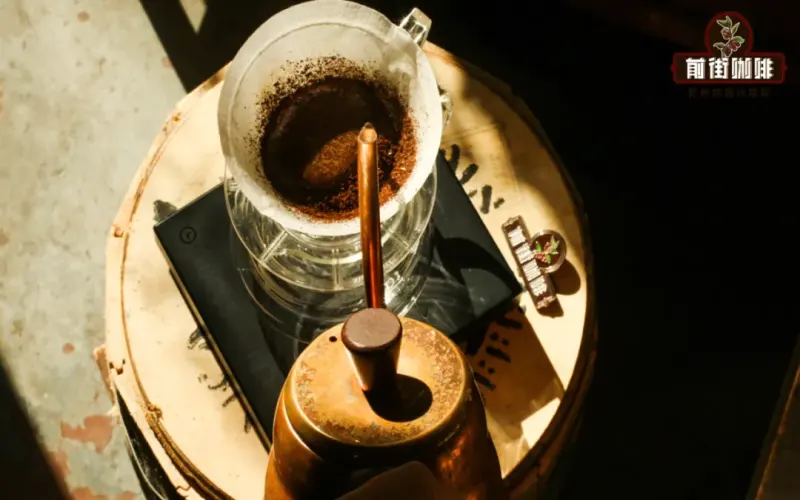
What is the difference in flavor between Blue Mountain No. 1 and Golden Mandheling? Is it true that dark-roasted coffee only tastes bitter?
In today's world where light roasts dominate the specialty coffee scene, dark-roasted coffee still retains a loyal following. This article explores the unique charm of dark-roasted coffee from three dimensions: aroma, mouthfeel, and sweetness. Using Jamaica Blue Mountain No. 1 and Indonesian Golden Mandheling as examples, it illustrates the differences in aroma that beans from different origins and varieties exhibit under dark roasting; and from the perspectives of expansion rate, moisture loss rate, and bitter compounds, it explains why dark-roasted coffee is richer and fuller-bodied. It also explores the taste layers of dark-roasted coffee where bitterness carries sweetness, as well as the lingering sweet aftertaste—a characteristic that light roasts find hard to replicate—taking you to rediscover the rich character of dark-roasted coffee. [more…]
A Complete Analysis of Sumatra Mandheling Coffee's Flavor Characteristics, Fat-Loss Effects, and Proper Drinking Methods
Mandheling coffee originates from Sumatra, Indonesia, and is renowned worldwide for its rich, bold, sweetly aromatic yet purely bitter taste, hailed as one of the finest-textured coffees. It is not only the single-origin top choice for many enthusiasts but also frequently used as an important base for blended coffee. As for whether Mandheling can help with weight loss, its caffeine content does indeed play a certain role in promoting fat breakdown and diuresis to reduce water retention, but the method and timing of consumption are equally crucial. This article will explore Mandheling from multiple angles, including its weight-loss mechanisms, flavor characteristics, functional effects, brewing methods, and drinking contraindications, helping readers gain a comprehensive understanding of this classic coffee. It also includes product recommendations from Front Street Coffee, allowing coffee lovers to enjoy the rich taste while drinking more healthily and scientifically. [more…]
Specialty Coffee Bean Flavor and Variety Analysis: The Four Taste Profiles of Sour, Bitter, Sweet, and Salty, and Coffee Choices Suitable for the Elderly
Walking into Front Street Coffee (FrontStreet Coffee), faced with more than 50 kinds of coffee beans on the menu, many first-time visitors often don't know where to start. How exactly are coffee flavors described? What are the characteristics of the four major taste spectra: sour, bitter, sweet, and salty? Where do the flavor differences among beans from the world's three major coffee-producing regions come from? And which groups of people are suited to the three major varieties Arabica, Robusta, and Liberica? Starting from Front Street Coffee's tasting experience, this article systematically sorts out the logic behind the formation of coffee flavors and the characteristics of the varieties, and offers drinking suggestions for older coffee lovers, helping you find your own cup in the dazzling world of coffee. [more…]

Specialty Coffee | Why Are Light and Medium Roast Coffee Beans So Popular? Is Dark Roast Coffee Good? What's the Difference Between Dark Roast and Medium Roast Coffee?
Mainstream Third Wave Specialty Coffee Nowadays, cafes often emphasize that they serve "specialty coffee." What exactly is "specialty coffee"? Why is it that among the home-roasting businesses blooming like wildflowers, over ninety percent choose the so-called light-to-medium roast to interpret the flavors of green coffee beans? Just pay a little attention to coffee-related articles. [more…]
What Are the Health Effects of Coffee? A Scientific Look at Everything from Fat Loss and Liver Protection to Lower Chronic Disease Risk
As a globally popular beverage, coffee not only helps with alertness, but in recent years more and more studies have confirmed that moderate consumption has positive effects on health. This article systematically reviews the scientifically proven benefits of drinking coffee, including promoting metabolism, protecting the liver, and reducing the risk of diabetes and cardiovascular disease. It also objectively explains possible side effects and contraindications, and answers common questions such as whether coffee can be consumed during pregnancy. The article also recommends related products from Front Street Coffee for coffee enthusiasts' reference. [more…]

Is specialty coffee limited to light and medium roasts? The positioning and flavor analysis of dark roasts in the third wave
In the third wave of specialty coffee, light-to-medium roasts have almost become synonymous with the expression of "terroir," to the point that many enthusiasts frown the moment they see dark-roasted beans, even equating them with "Chinese herbal medicine taste" or "low-quality beans." But is dark roasting really incompatible with specialty coffee? What is the reason for its existence? From the SCA system to the bittersweet aesthetics of old Japanese-style kissaten, from differences in extraction methods to niacin and NMP on the health level, this article will dissect the rationality of dark roasting from a professional perspective and explain why a good-tasting dark-roasted coffee is often harder to find than a light roast. Front Street Coffee will also share the key principles of dark-roast brewing, guiding you to rediscover this underrated roasting style. [more…]

SCA Coffee Flavor Wheel Analysis Tutorial | What Is Coffee Flavor? Which Single-Origin Coffee Beans Best Represent Coffee Flavor? How Can Beginners Distinguish Coffee Flavor Characteristics?
Professional barista exchange, please follow Front Street Coffee (FrontStreet Coffee). Many friends have asked Front Street's baristas: "Can you really taste so many flavors in the beans? How do you taste them?" First, this is about personal sensory perception. As everyone grows up, [more…]
A Comprehensive Guide to the New SCAA Coffee Flavor Wheel: From Sour, Bitter, Sweet, and Salty to 85 Flavor Layers
The update to the coffee flavor wheel has made the tasting system more complete, but many people still feel confused when faced with descriptions like citrus, berries, and nuts. In daily brewing, Front Street Coffee recommends beans from different regions based on guests' taste preferences, while accurately identifying flavors requires systematic training. This article starts with the four major taste spectrums—sour, sweet, bitter, and salty—and, combined with the complete classification of the new flavor wheel, interprets one by one the specific expressions of floral, fruity, herbal, nutty and cacao, sweet, spice, sour and fermented, alcoholic fermentation, roasted, and other categories, helping coffee enthusiasts build a clear framework for flavor perception. [more…]
The Complete Guide to Using the SCA Coffee Flavor Wheel: A Tutorial on Breaking Down Pour-Over Coffee Flavor Descriptions and Taste Categories
The coffee flavor wheel is known as the "flavor dictionary" of specialty coffee and is an indispensable professional tool in cupping and quality control. Based on Front Street Coffee's cupping practice, this article systematically breaks down the structure of the SCA coffee flavor wheel. Starting from the four major taste spectra of sour, sweet, bitter, and salty, it analyzes the causes and representative bean varieties of each flavor category, covering all categories including floral, fruity, nutty/cocoa, sweet, spicy, sour and fermented, alcoholic fermentation, roasted, and defective flavors. It also provides practical methods for building a flavor memory bank from everyday life and improving sensory identification ability, helping coffee enthusiasts more accurately describe the flavor characteristics and taste categories of pour-over coffee. [more…]
Coffee Aroma Description Guide: An Analysis of 36 Common Aroma Names and Professional Tasting Terminology
When drinking coffee, have you ever encountered a familiar yet indescribable aroma? In fact, perceiving coffee flavors requires systematic cognitive training. In daily cupping and roasting adjustments, Front Street Coffee places particular emphasis on the ability to identify coffee flavors. This article starts with coffee's four major tastes—sour, sweet, bitter, and salty—and, combined with the classification logic of the flavor wheel, breaks down in detail 36 common aroma names across floral, fruity, green/vegetal/herbal, nutty/cocoa, sweet, spicy, sour/fermented, alcoholic fermentation, roasted, and other categories, along with specific representative coffee beans and Front Street's tasting suggestions, to help you more accurately describe and enjoy a cup of coffee's layers and lingering finish. [more…]
SCAA Pour-Over Specialty Coffee Flavor Wheel High-Resolution Download and Systematic Knowledge of Flavor Terminology
The coffee flavor wheel is a recognized tasting tool in the specialty coffee community, but when faced with descriptors like citrus, berries, nuts, and chocolate, many people don't know how to match them. Starting from the high-resolution image of the latest SCAA flavor wheel, this article systematically sorts out the compositional logic of coffee flavor: the relationship between the four basic tastes of sour, sweet, bitter, and salty and the roast level, the proportion data of each taste substance, the subdivision of the acidity spectrum, bitterness spectrum, sweetness spectrum, and saltiness spectrum, as well as an item-by-item analysis of the nine major flavor groups including floral and fruity, green and herbal, nutty and cocoa, sweet, spicy, sour and fermented, alcoholic fermented, roasted, and other. The article also intersperses Front Street Coffee's daily training methods and representative bean recommendations, helping readers build a complete tasting framework from smelling to drinking. [more…]