







What makes aged Mandheling different from fresh coffee?
Aged coffee beans are green coffee stored under controlled conditions for a long period, developing soft acidity, a full body, and honey-like sweetness. The practice began by accident during the Dutch colonial era in Indonesia, when beans shipped to Europe spent months at sea. Expecting them to go flat, traders instead found the flavor had deepened, with acidity noticeably reduced.
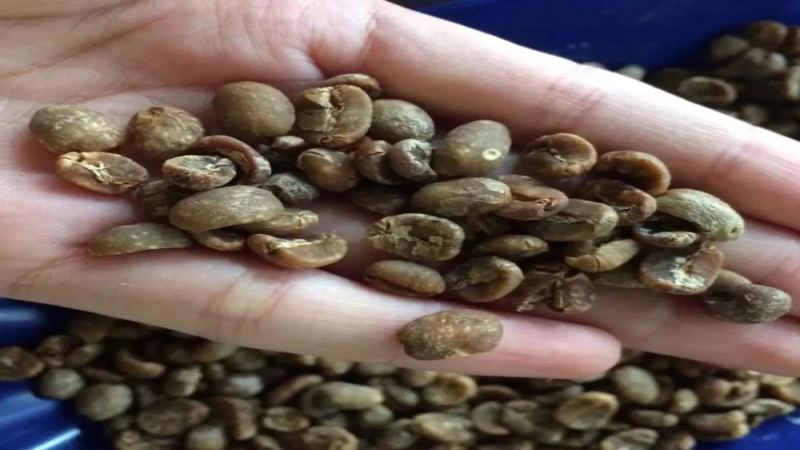
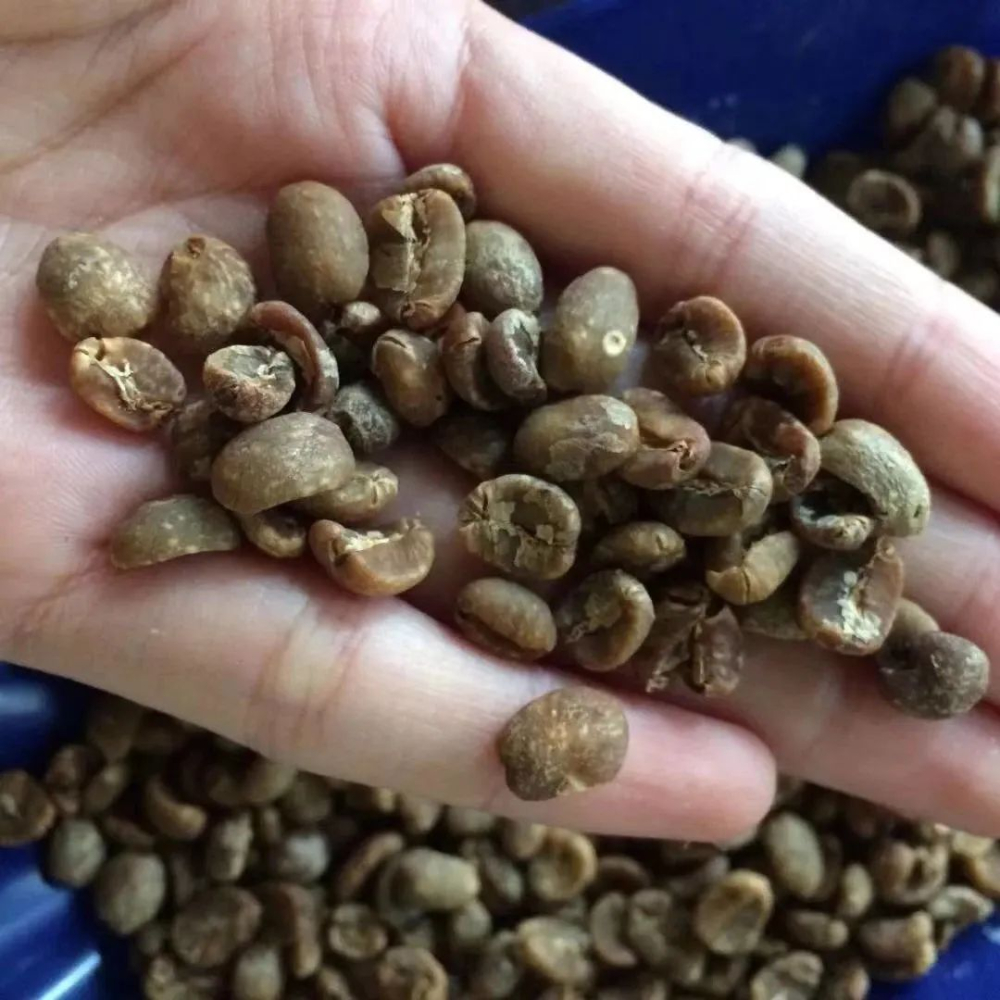
Aged Mandheling follows that same path, from wet-hulling through roughly three years of storage, as moisture leaves the green beans and the cup turns smoother and heavier. The result is a fuller bodied coffee with low acidity and lasting sweetness, and the beans themselves darken and change appearance over the storage period.
Aged coffee beans are a type of green coffee that, through special storage management, develops a unique flavor over a long period of time, characterized by soft acidity, full body, and a honey-like sweetness. The emergence of this processing method was not deliberately designed, but originated from an accidental discovery during the transoceanic transportation of coffee beans in the Dutch colonial era in Indonesia. This article will guide you through the origin of aged beans, the rigorous conditions of the aging process, and, using Aged Mandheling as an example, break down the complete process from wet-hulling to three years of storage, revealing the significant changes in flavor and appearance of aged beans.
What Are Aged Beans?
Aged coffee beans refer to green coffee that, through specific storage management methods, develops a distinctive flavor after long-term storage. Soft acidity, a full-bodied mouthfeel, and a honey-like high sweetness are precisely the unique charm presented by aged beans. The emergence of "aging processing" was actually not the result of deliberate human design; tracing back to its roots, it is more like an accidental encounter.
This story begins during the period when Indonesia was colonized by the Dutch. At that time, the Dutch noticed the enormous profits in the coffee trade and forced local residents to plant coffee on a large scale.
As expected, this measure quickly brought substantial returns. The European consumer market had an extremely large demand for coffee, so the Dutch profited handsomely, and almost all coffee beans produced in Indonesia were shipped to Europe. To maintain a stable supply, the Dutch would also keep a certain amount of coffee beans in reserve.
However, Indonesia is located in Asia, and the sea route between it and Europe spans nearly half the globe, making the transportation period quite long. Thus, with long storage plus a long journey, by the time the coffee beans arrived in Europe, a long time had already passed since harvesting. Front Street mentioned in a previous article that green beans left for too long lose moisture, and their flavor diminishes accordingly.
But unexpectedly, these coffee beans, originally thought to become bland and tasteless, after being exposed to sea breezes, actually transformed into a distinctive special flavor. The acidity was noticeably reduced, the mouthfeel became thick and full, the aftertaste was sweet and lasting, and the clean, comfortable sensation was like that of Pu-erh tea, which greatly astonished people, and Europeans from all walks of life became fascinated by it.
Afterward, people began to study aging processing. After all, one could not always rely on this unstable accidental factor to obtain deliciousness; from any perspective, the risk was too high. Thus, aging processing came into being.
But not all beans are eligible for aging. Only beans that are plump, have a large screen size, and are free of defects can be selected for aging processing. Moreover, all aging processing must be completed centrally at the place of origin.
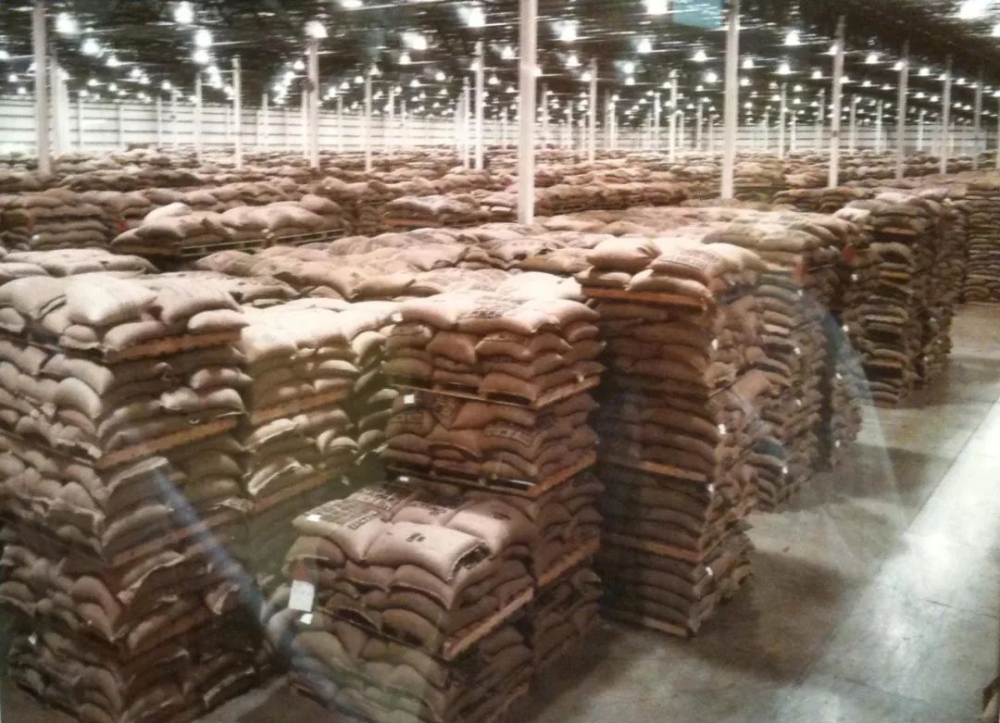
Take the Aged Mandheling that Front Street previously offered as an example. Before entering the aging stage, all Mandheling first undergoes wet-hulling, followed by a round of fine screening to select beans that meet the standards, which are then stored in warehouses to await aging. The storage environment differs from conventional green bean storage; it must have ventilation and cool conditions to be used for aging.
During the aging process, workers regularly turn the beans. This action not only allows the coffee beans to evenly contact the air and maintain ventilation, but also makes it easier to check for moldy beans, insect-damaged beans, and other defective beans. Once discovered, they are immediately removed to prevent them from affecting and contaminating other coffee beans.
The aging cycle is approximately three years. During this time, the acidic substances in the coffee beans gradually convert into sugars, the color gradually browns, and the beans gradually shrink. Compared with other vigorous, lively beans, aged beans are quite easy to identify.
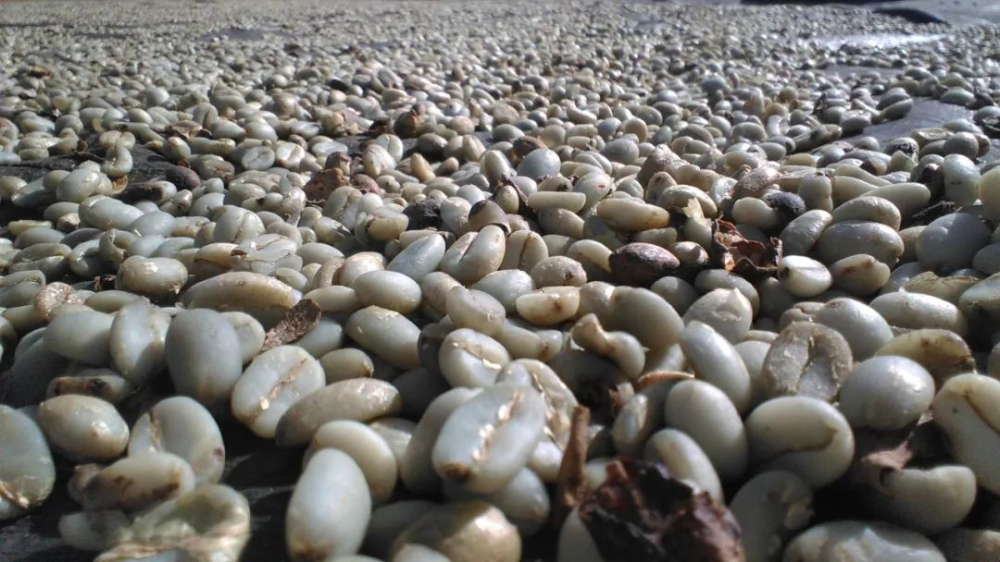
Friends who have purchased Aged Mandheling should have experienced that its flavor performance is completely different from traditional Mandheling. It no longer has that bold, wild aura; instead, it is replaced by more composed flavors such as pine, malt, chocolate, and Pu-erh tea. It is as if it has transformed from a young, strong youth into a mature, steady scholar, calm and at ease.
Front Street Coffee
No. 10, Bao'an Qian Street, Yandun Road, Dongshankou, Yuexiu District, Guangzhou, Guangdong Province
The above content is compiled by CoffeeHunters, a coffee news website.


