







Why Does Cold Brew Tastes Like Alcohol?
Cold brew tastes like alcohol because of the long, low-temperature extraction, not because any alcohol is present. Ice drip coffee is a form of cold brew made by passing ice water through the grounds drop by drop over many hours. That slow process draws out fermented, wine-like aromatics along with a clean, full-bodied and smooth mouthfeel that surprises first-time drinkers.
Freshly made ice drip is not ready to drink at its peak and needs low-temperature aging in the refrigerator before the fruity notes and wine aroma open up. In Front Street Coffee's practice, 60 grams of grounds are extracted at a 1:10 ratio to produce 600 milliliters, with drip speed and aging time both shaping the result. If coffee tastes like alcohol, low-temperature aging is the usual source.
Ice drip coffee is known for its clean, full-bodied, smooth mouthfeel and rich fermented wine aroma, but many people mistakenly think it contains alcohol when they first encounter it. In fact, ice drip is a type of cold brew coffee, made by extracting with ice water drop by drop over a long period. Freshly made ice drip is not at its best drinking state; it needs low-temperature aging in the refrigerator to reveal its full fruity feel and wine aroma. This article, based on Front Street Coffee's production practice, explains in detail the coffee-to-water ratio, drip speed, aging time, and storage recommendations for ice drip, giving you a comprehensive understanding of the flavor sources and key production points of ice drip coffee.
"Clean, full-bodied, smooth" — this is the second impression many people have after drinking ice drip. The reason it ranks second is that the first reaction is often stunned by its rich and lasting fermented wine aroma; only after recovering do they realize its mouthfeel is equally outstanding.
Some customers who encounter ice drip for the first time at Front Street Coffee locations can't help but ask: "Did you add alcohol to your ice drip? Or do the beans themselves have a wine flavor? Why is the wine aroma so strong?"
Rest assured, ice drip coffee contains no alcohol! As for where this wine flavor comes from, let Front Street Coffee explain it for you.
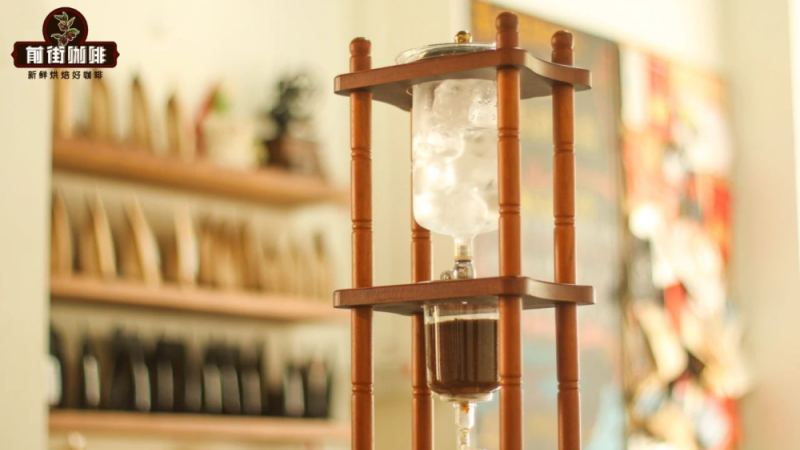
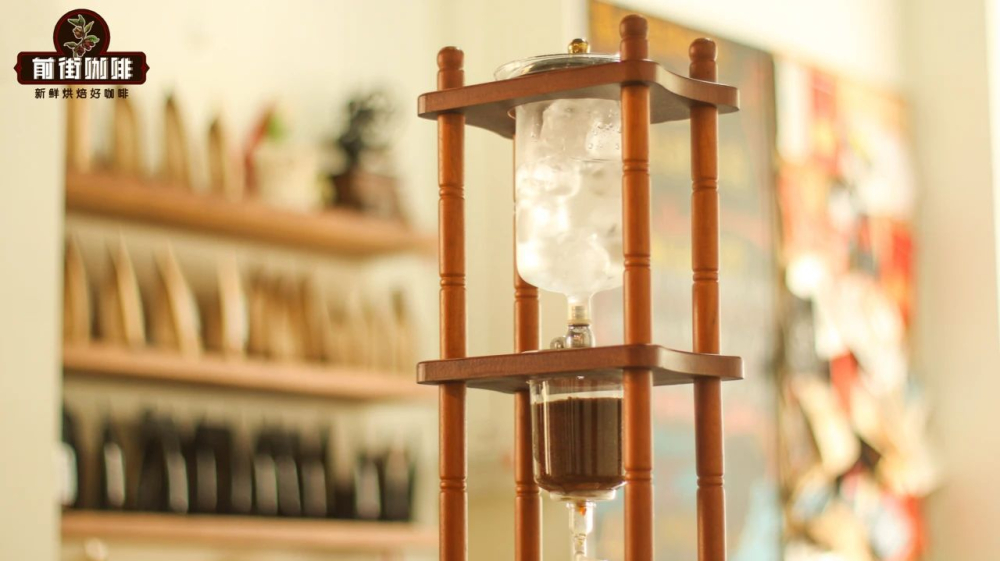
Ice Drip Coffee
The extraction logic of ice drip coffee is completely different from regular coffee. Front Street Coffee often says that the vast majority of coffee extraction requires hot water to quickly bring out aromatic substances, and ice drip is precisely one of the few exceptions.
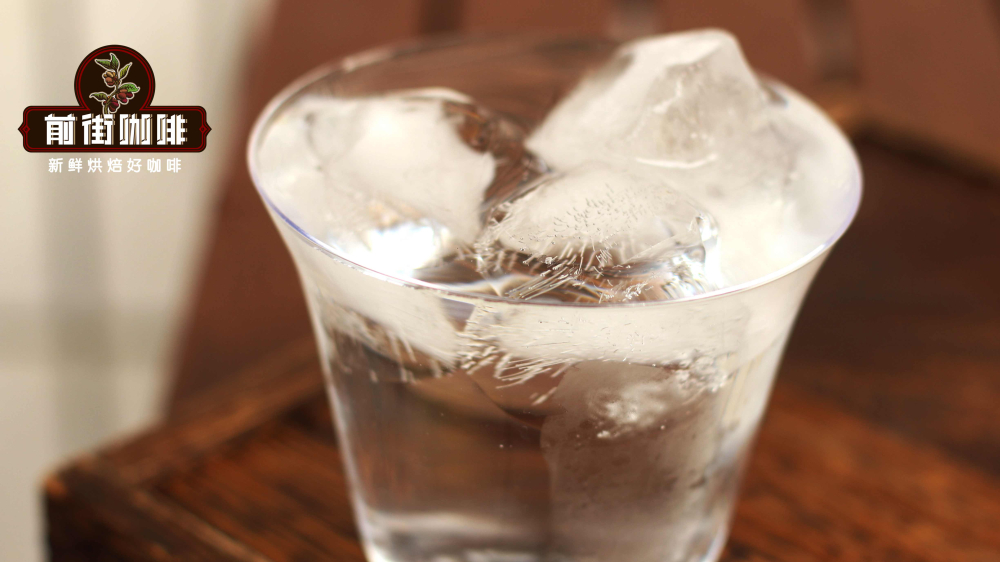
Ice drip is a form of cold brew coffee. So-called cold brew uses lower-temperature ice water to extract coffee flavors. Because the extraction efficiency of ice water is extremely low, we must invest a longer time to fully release the aromatic substances in the coffee. Take cold brew coffee as an example: soaking coffee grounds in cold water for about 8 hours is needed before filtering and drinking; ice drip coffee takes even longer. From the name, you can directly understand its method — using ice water to extract coffee drop by drop.
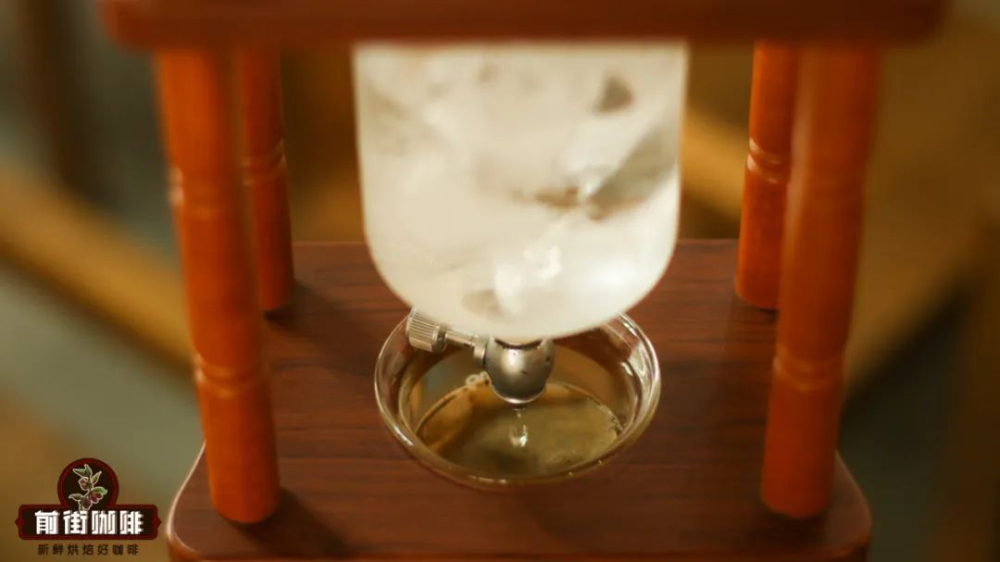
Take Front Street Coffee's ice drip method: use 60 grams of coffee grounds, extract at a 1:10 coffee-to-water ratio, meaning 60 grams of grounds produce 600 milliliters of coffee liquid, so the concentration will be relatively high. The drip speed of the ice water is controlled at 7 drops per 10 seconds. To drip through 600 milliliters of coffee liquid, it takes about 5 to 6 hours.
During this period, you must constantly pay attention to whether the ice water drip speed is stable. Because the ice water keeps decreasing, the water pressure changes accordingly, which in turn affects the drip speed. So we must check from time to time whether the drip speed has deviated and adjust it promptly. It sounds faster than cold brew coffee, but the end of dripping does not mean production is complete. It still needs to be refrigerated for a period, and only after refrigeration is it truly done and ready to drink. Then the question arises: why can't ice drip be drunk immediately after it's made?
Why can't ice drip be drunk immediately after it's made?
The answer is actually very simple — you'll know once you try it. Freshly extracted ice drip does not have a full flavor; instead, it tastes bland, thin, and even a bit astringent, making people feel it was under-extracted. But after sitting overnight, it surprisingly presents a full fruity feel, clean and smooth, with an extremely rich fermented wine aroma. So, don't underestimate the step of putting it in the refrigerator. The reason for refrigerating the coffee is to let it age at low temperature.
Front Street Coffee trivia: Low-temperature aging refers to the process of placing food in a relatively low-temperature environment and using microorganisms for fermentation. Because low temperatures slow down microbial activity, a longer time is needed to complete the fermentation process.
When the coffee is taken out the next day, it has already gained rich fruity flavors and wine aroma through microbial fermentation. The wine aroma we feel when drinking ice drip comes precisely from this.
However, microbial fermentation is often difficult to fully control. Once sealed improperly, it is prone to bacterial contamination and spoilage. So before putting ice drip into the refrigerator to age, we first pour it into a sealed glass bottle. This both slows down the coffee's fermentation speed and inhibits bacterial growth. The principle of anaerobic fermentation treatment is similar.
Generally speaking, ice drip coffee only needs 8 hours to complete aging. It tastes just as described at the beginning: clean, smooth, full-bodied, rich in fruity flavors, with a fermented wine aroma. If the resting time is extended to 12 hours, the fruity flavors and wine aroma will further integrate, evolving into a more stunning fruity wine taste. So Front Street Coffee always lets it sit overnight.
Here Front Street Coffee also offers a brief reminder: although low temperature and sealing reduce the risk of ice drip coffee spoiling, if left too long, spoilage is still possible. Especially when the lid is frequently opened and closed, bacteria are more likely to grow and cause spoilage. For safety reasons, Front Street Coffee recommends drinking it within five days after the ice drip is made, which at least safeguards your health.
The above content is compiled by CoffeeHunters, a coffee news website.


