







Search Results for: Center Pour Method
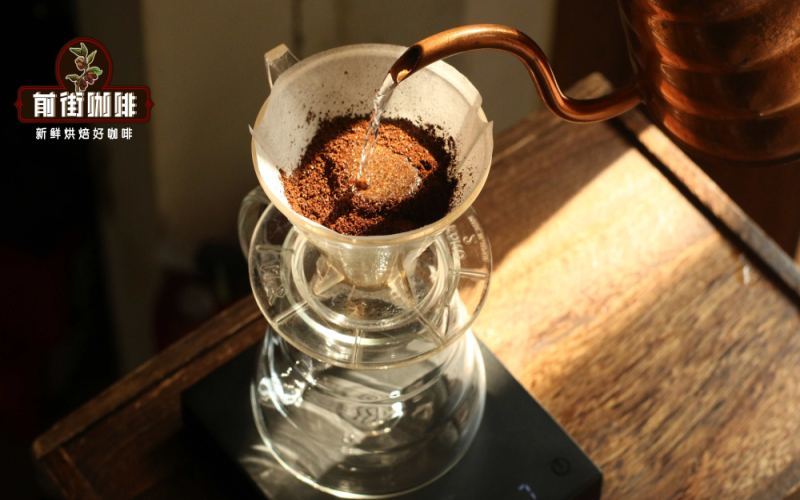
Center Pour vs. Spiral Pour in Pour-Over: Analysis of Extraction Efficiency, Flavor Differences, and a Combined Three-Pour Approach
The pouring method in pour-over coffee has a significant impact on the extraction result. Through comparative experiments, Front Street Coffee found that under low-flow conditions, center-pour single-pour extraction actually achieved a higher extraction yield than spiral pouring, due to two factors: heat retention and the contact area of the coffee bed; however, in terms of flavor performance, center pouring showed a concentrated, imbalanced character with bitterness. When switching to a three-stage pour, spiral pouring then surpassed center pouring. Based on these findings, a three-pour approach combining spiral and center pouring became a practical choice that balances even extraction with flavor cleanliness. This article presents the complete experimental data and principle analysis to help coffee enthusiasts understand the suitable scenarios for different pouring strategies. [more…]
The Beginner's Must-Learn One-Pour Center-Pour Method: Yirgacheffe Red Honey Process V60 Brewing Parameters and Flavor Analysis
Pour-over coffee may seem complicated, but there is actually a low-effort yet stable extraction method—the single-pour center pour. It doesn't require segmented circling; simply keep pouring continuously after the bloom, making it especially suitable for those new to pour-over. This article uses the Yirgacheffe Red Honey Red Cherry recommended by Front Street Coffee as an example, first introducing the classification of honey processing and the proportion of pectin retained, then using the Hario V60 dripper to conduct a comparative brewing of two different grind sizes: a coarse grind BG-7K paired with a longer pouring time, and a fine grind BG-6M paired with a shorter pouring time, to experience the flavor differences under the same coffee-to-water ratio and water temperature. The article also explains in detail how the V60's rib structure affects flow rate, and why pouring stability is far more important than fancy techniques. [more…]
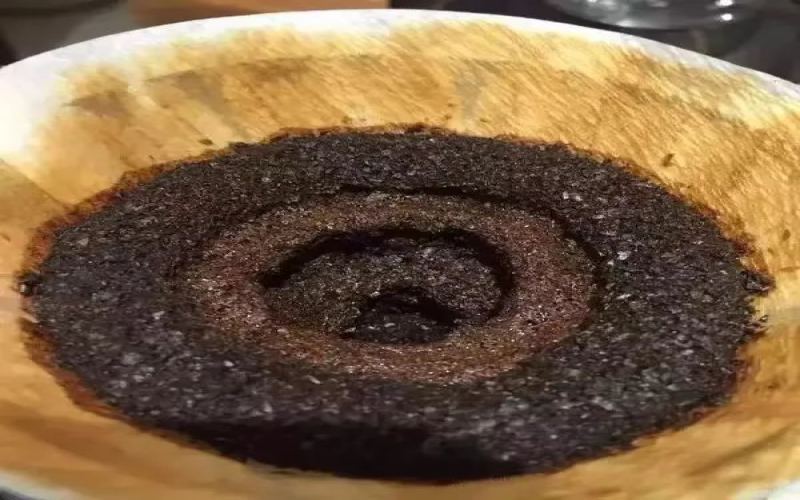
Meteor Pour-Over Method Explained: Hand-Brew Techniques and Parameters for Dark-Roasted, Intense, Bitter Coffee Beans
Deep-roasted coffee beans, due to their fluffy texture and strong water absorption, release a large amount of gas when they come into contact with water in their fresh state, which provides the conditions for a unique brewing method—meteor pour. This article provides a detailed introduction to the principles and operational steps of this pour-over technique, including key parameters such as grind size, water temperature, and coffee-to-water ratio, as well as the pouring details of the three stages: blooming, point pouring, and outward spiral. Front Street Coffee has pointed out that in a conical dripper, the coffee bed is thicker in the center, and pouring water in the center can extract a richer coffee liquid, so this method is especially suitable for medium-dark roasted beans and can highlight a rich, full-bodied taste. If you want to try a different pour-over experience, you might as well give it a try by following the steps. [more…]
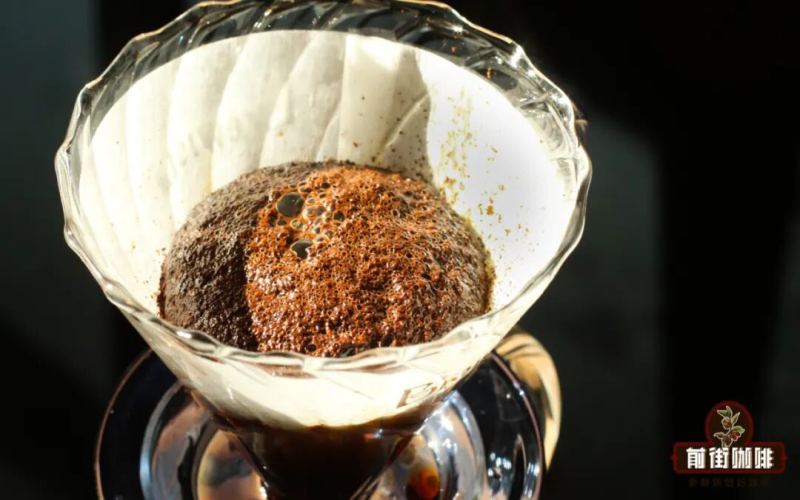
Coffee Blooming | How to achieve the "perfect bloom" when making pour-over coffee? How do you adjust the bloom time for pour-over coffee?
As the saying goes: "Bloom well, and brewing is trouble-free." For pour-over coffee, blooming is a very important preparatory step. So-called blooming is the step where, before we formally extract the flavor compounds from the coffee, we use a small amount of hot water to pre-wet the coffee grounds and wait for a certain period of time. [more…]
Pour-Over Coffee for Beginners: The Art of Water Pouring — Tips for Even Circular Pouring from the Center and Bean Recommendations for Practice
Those just beginning to explore pour-over coffee are often baffled, amidst a plethora of brewing books and techniques, about which step is truly crucial. In reality, the core lies in three aspects: understanding the current state of the coffee beans, having clear criteria for flavor evaluation, and maintaining a stable and consistent brewing method to fully extract the bean's intrinsic flavors. This time, Front Street Coffee focuses on the seemingly simple yet highly nuanced pouring stage, dissecting from blooming to circling, from water stream control to the characteristics of the dripper, step by step, the details that beginners are most likely to stumble upon, and recommends several everyday practice beans that balance flavor and cost-effectiveness, helping you take your first step in pour-over coffee in a more solid way. [more…]
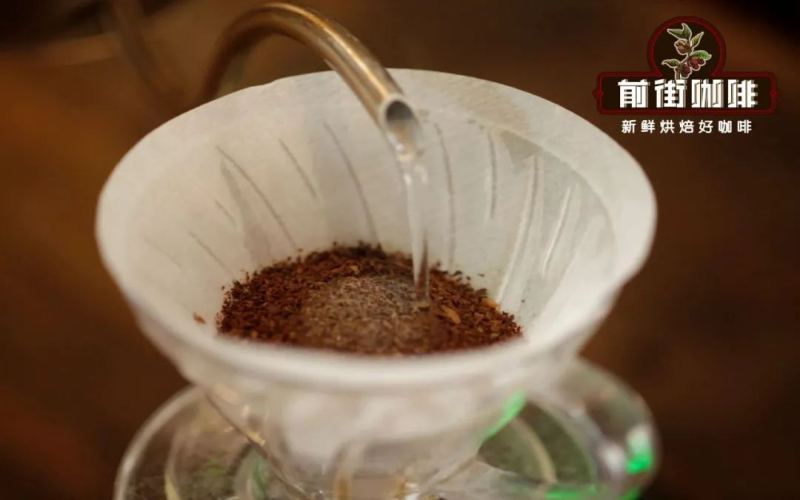
Blooming Method | What Is the Purpose and Significance of Blooming in Pour-Over Coffee? How Much Water for Blooming? Calculating Blooming Time for Coffee Extraction
In freshly roasted and freshly brewed coffee, there is a crucial small detail: baristas emphasize the need to "bloom." There is even a saying in the coffee community: "Bloom well, and brewing will be trouble-free," forming a positive link between blooming and brewing. So what is blooming, and how do you bloom? Careful [more…]
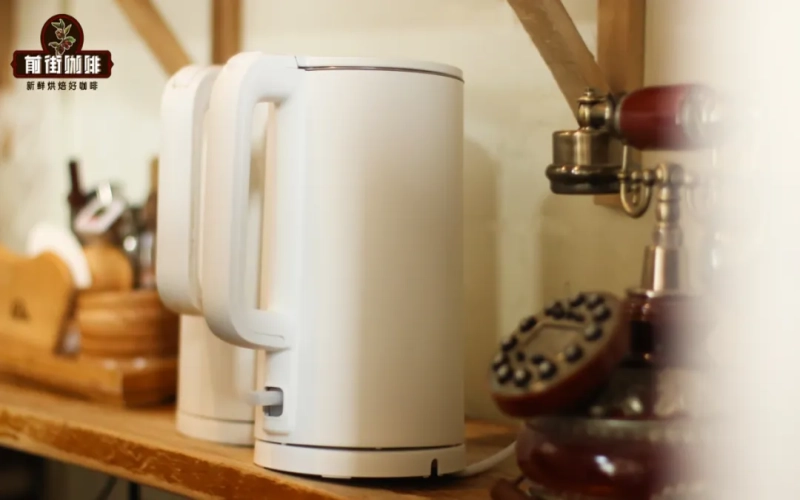
Why do pour-over kettles feature a long, slender spout design? Can an ordinary electric kettle handle coffee brewing?
Friends who have just gotten a new electric kettle often ask: can this kettle be used directly to brew pour-over coffee? The answer is yes, but brewing a delicious cup with it is not so simple. The long, slender neck, narrow spout, and low center of gravity of a professional pour-over kettle are all designed for stable pouring; an ordinary electric kettle is built around boiling water, lacks a flow-guiding structure, and is naturally harder to control. Through hands-on testing, Front Street Coffee shares two workable methods for brewing good coffee with an ordinary electric kettle, and provides complete extraction parameters and brewing steps, verifying that an electric kettle can also brew coffee with excellent flavor. [more…]
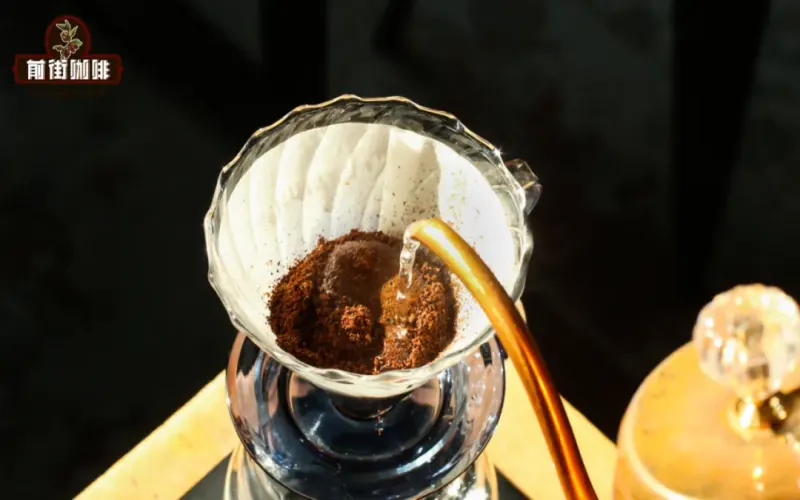
How long should the blooming time be for pour-over coffee? A detailed explanation of pouring techniques and the effect of blooming water volume on extraction
Blooming is an indispensable pre-wetting step before extraction in pour-over coffee, and it directly affects the efficiency with which flavor compounds are released afterward. However, the amount of water used for blooming, the pouring method, and the waiting time all influence the taste in the final cup. Starting from the structural characteristics of the cone-shaped dripper, this article introduces two pouring techniques that allow hot water to evenly saturate the coffee grounds, and teaches you how to flexibly adjust the blooming duration by observing the state of the coffee bed. Whether you are a beginner just getting into pour-over or an enthusiast looking to refine your technique, you will find practical tips here. The article also combines Front Street Coffee's brewing experience and product examples to help you more intuitively understand the criteria for judging a perfect bloom. [more…]
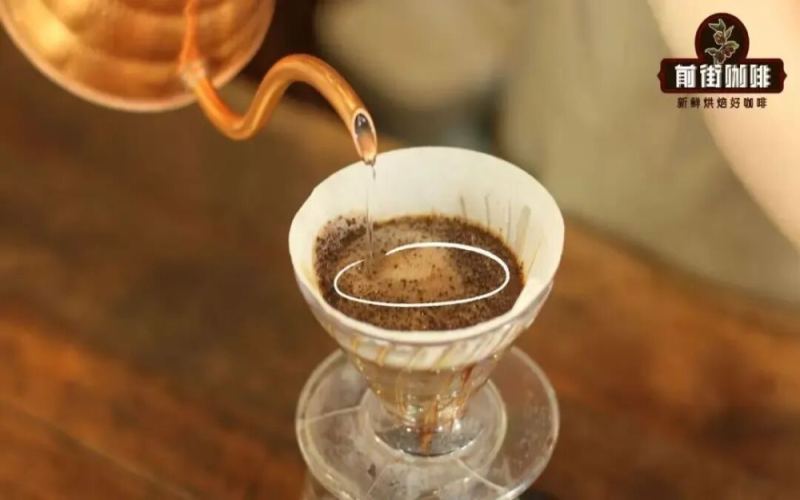
Should You Pour in Circles from the Inside Out or the Outside In for Pour-Over Coffee? A Practical Analysis of Flavor and Strength Differences
When pour-over brewing, should the circular pouring direction be from the inside out or from the outside in? This seemingly trivial question is actually directly related to the disturbance of the coffee bed, the evenness of extraction, and the final flavor performance in the cup. Front Street Coffee once encountered a customer raising this question, and for this reason specially conducted a set of comparative experiments: under the premise that all other parameters were completely identical, only the circular pouring direction was changed, using Front Street Kafa Forest coffee beans for separate brews, and with the help of a refractometer and tasting comparison, observed the differences brought by the two techniques. This article will fully present the experimental process and results, analyze which circular pouring path under a conical dripper can better bring a rich and full-bodied mouthfeel, and provide practical suggestions for daily brewing. [more…]
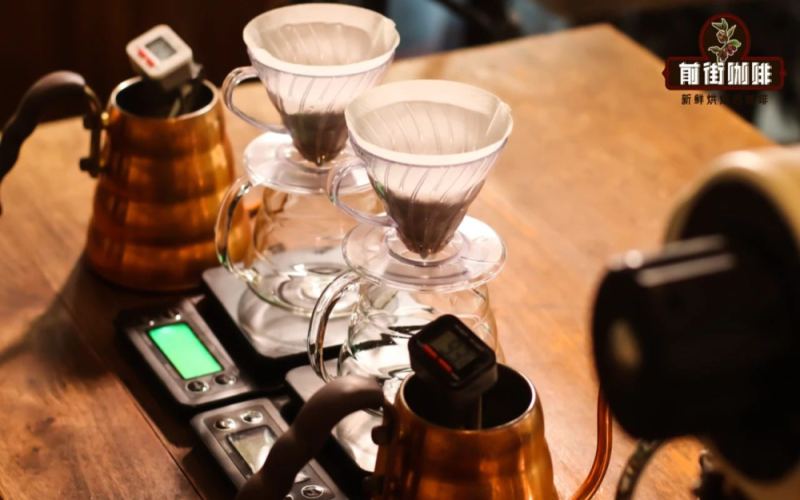
Pour-Over Coffee Techniques Explained | What Is the One-Pour Method? How Does It Differ from the Three-Stage Pour? Which Brews a Better Black Coffee?
For more specialty coffee knowledge, please follow: Front Street Coffee (Frontsteet Coffee). One of the great joys of pour-over coffee is using different brewing techniques to interpret a cup of coffee. And as for pour-over methods, I believe everyone pays close attention. So the most widely spread pour-over technique at present is the one-pour method. [more…]
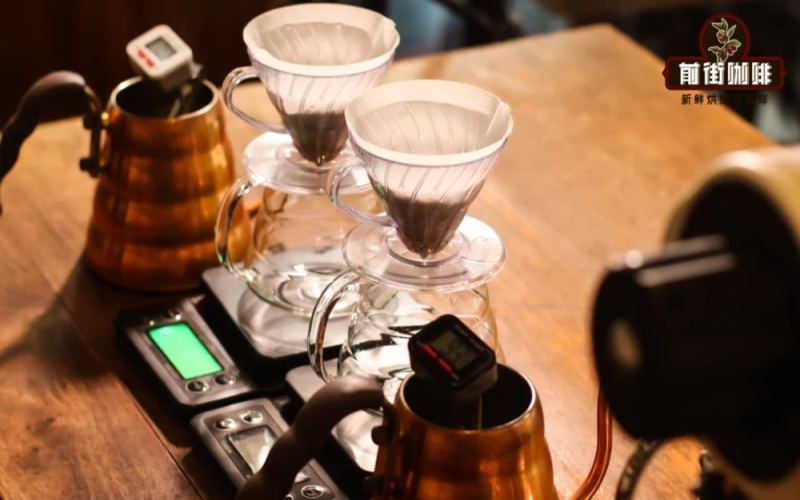
Pour-Over Coffee: One-Pour vs. Three-Pour Comparison — A Comprehensive Analysis of Steps, Ratios, and Brewing Methods
One of the charms of pour-over coffee lies in using different pouring techniques to bring out the diverse flavors of the same bean. Currently, the two most widely used methods—single-pour and three-stage—each have their own followers. Single-pour involves completing the target water volume in one go after blooming; it is simple to operate but extremely demanding on water flow stability and grind size. The three-stage method divides pouring into three phases, enhancing layering and compatibility through staged extraction. Using 15 grams of coffee and a 1:15 coffee-to-water ratio as an example, this article breaks down in detail the specific steps, pouring timing, and parameter requirements of both methods, and combines the brewing performance of Front Street Coffee Huakui and Colombia Huila Washed Caturra to help you find a brewing rhythm that suits you. [more…]
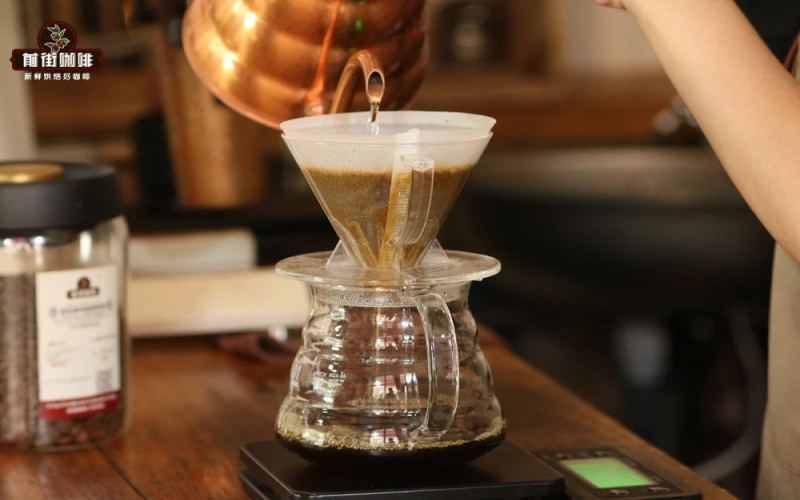
A Detailed Guide to Pour-Over Coffee Pouring Methods: The Differences Between Circular and Center-Point Pouring and Practical Key Points
Pour-over coffee pouring techniques have always been one of the topics newbies care about most. Many friends who have just discovered Front Street Coffee often ask: why doesn't the coffee I brew taste good enough? In fact, understanding and applying the right brewing parameters is more important than obsessing over pouring techniques. This article compares two methods—circular pouring and single-point pouring—analyzes how the coffee bed changes, why turbulence occurs, and how stirring intensity affects extraction, while also answering common questions about pouring height and the direction of circular pouring. This set of pouring key points that Front Street Coffee has put together for beginners starts with slow, steady, and straight, helping you avoid channeling and brew an even, delicious pour-over coffee. [more…]

A Detailed Guide to Five Brewing Methods for Front Street Small-Bean Huakui Coffee: V60, Clever Cup, French Press, AeroPress, and Cold Brew
Geisha coffee beans have captured the hearts of many coffee lovers with their enchanting floral and fruity aromas, and different extraction methods can reveal completely different layers of flavor. In this article, Front Street Coffee will focus on the small-bean Geisha coffee beans and provide a detailed demonstration of five brewing methods: V60 pour-over, Clever Cup immersion, French Press immersion, AeroPress pressure brewing, and cold water immersion. Each method includes specific coffee-to-water ratios, grind sizes, water temperatures, and step-by-step instructions to help you consistently reproduce the Geisha's berry sweetness and creamy texture at home. Whether you prefer a clean, bright cup or a full, rich experience, you can find a brewing method that suits you. [more…]
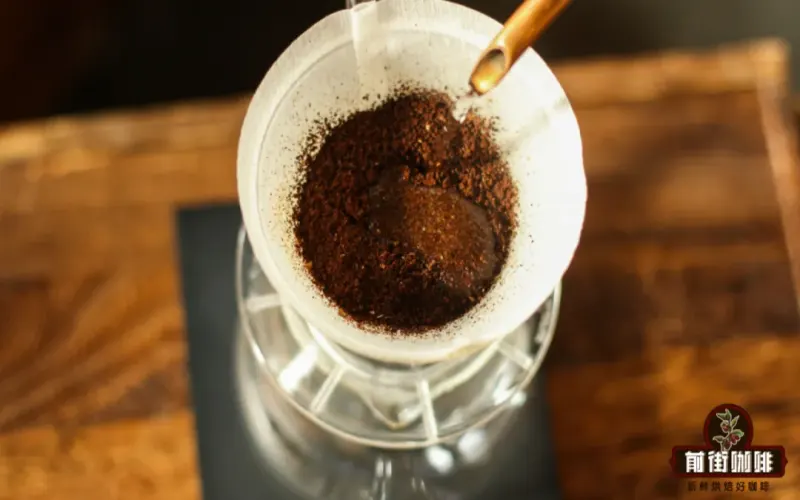
A Complete Analysis of Pour-Over Coffee Pouring Methods: The Practical Impact of Stages, Height, and Circular vs. Center Pouring on Extraction Yield
The biggest difference between pour-over coffee and other extraction methods is that the entire brewing process relies on manual pouring. Pouring water serves both to create turbulence and speed up the dissolution of flavor compounds, and to allow coffee grounds in different positions to be extracted relatively evenly. Precisely because it depends on human operation, any subtle change during the pouring stage can directly affect the final extraction yield. Front Street often says that about 30% of the substances in coffee beans are soluble, but not all of them need to be extracted. According to the Golden Cup extraction theory, 18%–22% is the extraction yield range generally accepted by most people. To stay reliably within this range, in addition to choosing parameters with a high margin for error, understanding the principles behind pouring is equally crucial. From Front Street's perspective, this article focuses on three variables—staged pouring, pouring height, and circling versus stationary pouring—and breaks down how they affect the extraction yield, helping you understand why you should pour this way and how to adjust. [more…]
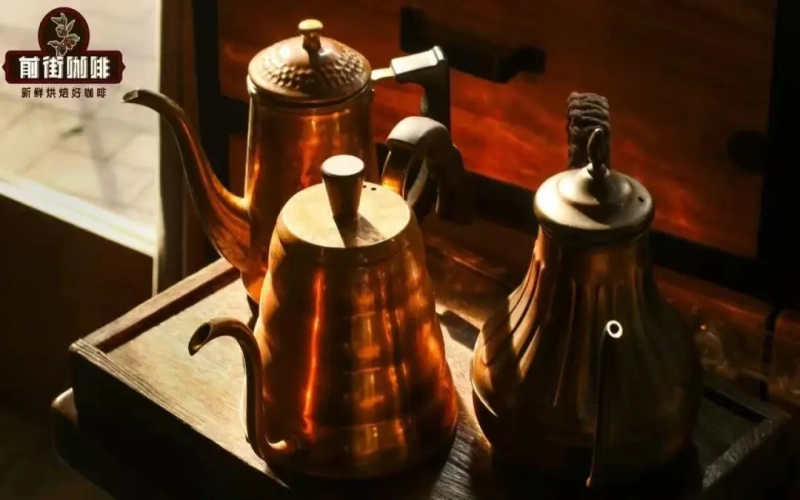
Can an ordinary electric kettle replace a pour-over kettle? Practical methods and parameters for brewing good coffee with a home kettle
Professional pour-over kettles often cost two to three hundred yuan, which puts many coffee enthusiasts off. In fact, as long as you master the correct extraction parameters and pouring strategy, an ordinary electric kettle at home can also brew a delicious cup of pour-over coffee. This article first analyzes the inherent shortcomings of ordinary electric kettles in terms of spout design and capacity, then offers two practical solutions—filling the kettle to stabilize its center of gravity and control the flow, or using staged pouring to lower the difficulty. It then uses Front Street Yirgacheffe·Gudgud as an example to fully share parameters such as coffee dose, ratio, grind size, and water temperature, and demonstrates step by step the entire process of blooming, staged pouring, and circular extraction, helping you consistently produce a clean, solid single-origin coffee even with the most ordinary equipment. [more…]
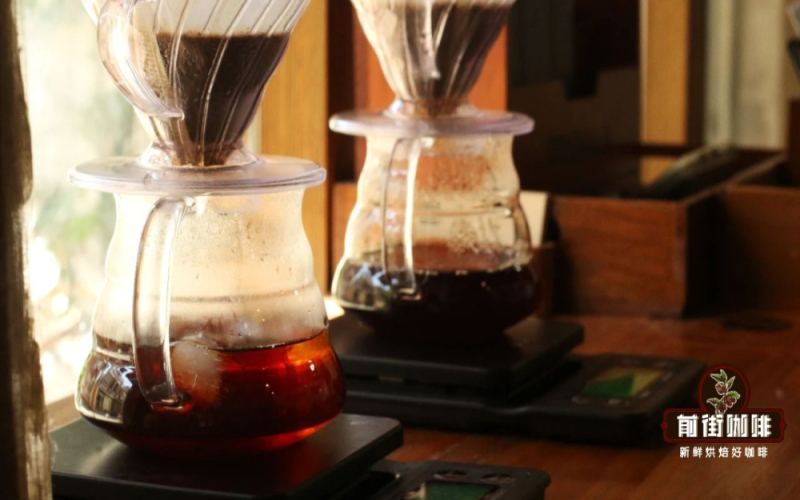
The Complete Guide to Buying a Pour-Over Kettle: Temperature Control, Spout, Body, Material, and Price Explained in One Go
Faced with the dazzling array of pour-over kettles on e-commerce platforms, many coffee enthusiasts often don't know where to start. Although pour-over kettles are basically composed of a spout, body, handle, and lid, different shapes directly affect pouring performance. Front Street Coffee will systematically sort out the selection approach for pour-over kettles from dimensions such as temperature-controlled vs. non-temperature-controlled, spout type, body capacity and center of gravity, handle feel, material, and price. The article will also introduce the pouring characteristics and representative products of different spouts such as narrow gooseneck, wide gooseneck, crane-neck, flat spout, and eagle spout, helping you find the one that better suits you between budget and needs. [more…]
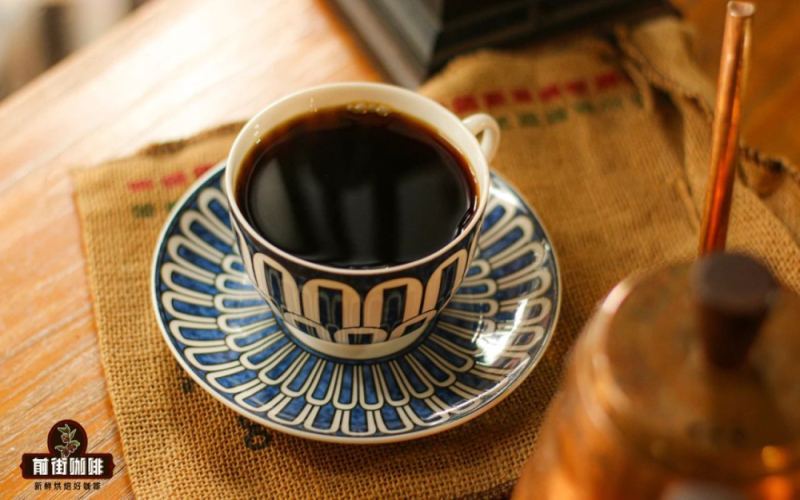
How Many Times Can You Rebrew a Drip Coffee Bag? Recommendations for Different Flavors and Key Points for Specialty Coffee Selection
Can drip coffee bags be reused for multiple brews? The answer is no. Drip bags use a pour-over extraction method, inspired by tea bags with strings, designed to mimic hand-poured drip coffee. The coffee grounds are pre-ground and placed in a non-woven filter bag, with paper tabs on both sides suspending the bag in the center of the cup, allowing hot water to pass through the coffee layer for extraction. Since the coffee beans are already ground and there's a lack of professional brewing equipment, the flavor may be slightly lacking, but the core advantage of drip bags lies in their simplicity—just a kettle of hot water, a tall cup, and a drip bag are all you need to quickly get a cup of drip black coffee. This article focuses on the key brewing points for drip coffee, water volume control, pouring techniques, and recommendations for different flavor varieties of drip bags, helping coffee enthusiasts consistently enjoy a good cup of drip coffee in their daily routine. [more…]

Panama Geisha Coffee Flavor Analysis: Variety Origins, Regional Characteristics, and Pour-Over Parameter Essentials
Geisha coffee is now regarded by many enthusiasts as synonymous with top-tier coffee, and Panama's Hacienda La Esmeralda is the most iconic classic producing region among them. This article begins with the historical origins of the Geisha variety, tracing how it went from wild seeds in Ethiopia, through Kenya and Costa Rica, and finally shone brilliantly in Panama. It also analyzes the source of Geisha coffee's unique floral, berry, and honey flavors, as well as the influence of terroir on taste. At the end, it includes the complete pour-over parameters and three-stage pouring steps for Front Street Coffee's Hacienda La Esmeralda Red Label Geisha, for coffee enthusiasts to reference and practice. [more…]
A Beginner's Guide to Pour-Over Drip Coffee: Equipment Selection, Brewing Steps, and Key Parameters Such as Water Temperature and Grind Ratio
Pour-over drip coffee may seem simple—just a dripper, a hand gooseneck kettle, filter paper, and a cup are all you need—but once you actually start brewing, you realize there are countless variables at play. This article begins with the basic equipment, then gradually introduces the standard brewing process, the interrupt-pour technique, advanced setups, and the five major variables, along with specific water temperature and grind size recommendations for light, medium, and dark roasts. Whether you're a beginner just getting into pour-over or an enthusiast looking to refine your technique, you'll find practical parameter references here. The article also covers methods for adjusting variables to suit your taste, key points for cleaning and maintenance, and practical approaches for making flavored coffee bases and super-concentrated iced coffee, and recommends related products from Front Street Coffee. [more…]

Two Approaches to Iced Pour-Over Coffee: An Analysis of Extraction Differences Between Adding Ice First and Adding Ice Later
While the north is still enduring the cold winter, the weather in Guangdong has quietly warmed up in January, and many coffee enthusiasts have begun to turn their attention to iced pour-over. In this article, Front Street Coffee selects the Ethiopian Yirgacheffe Red Cherry natural bean and conducts a practical test of two iced pour-over methods: one is to drop the ice directly into the sharing pot placed under the dripper, and the other is to mix the coffee liquid with ice only after the hot pour-over is completed. The two methods show obvious differences in flavor presentation. The former has a flat mouthfeel and insufficient layers, while the latter displays a full fruity feel and honeyed sweetness. The article records in detail the water temperature, coffee-to-water ratio, grind size, and staged pouring specifics, and explains how the V60 dripper structure affects extraction layering, helping readers understand the extraction logic behind ice-first versus ice-later. [more…]