







How Does Coffee Extracted in Small Concentrated Amounts Compare?
Under low-flow conditions, a one-pour center pour reached a higher extraction yield than a spiral pour in comparative tests: 1.23% concentration against 1.10%. The center pour kept water temperature steadier and increased contact area with the coffee bed. In the cup, though, it showed a concentrated, less balanced profile with noticeable bitterness.
When the same coffee was brewed with a three-pour method, the spiral pour overtook the center pour again. That led to a practical compromise: a three-pour routine mixing spiral and center pouring, which balances even extraction with a cleaner flavor. Coffee extracted in small concentrated amounts benefits most from careful control of stream and pour timing.
The pouring method in pour-over coffee significantly affects the extraction results. Front Street Coffee found through comparative experiments that under low-flow conditions, the one-pour center pour actually achieved a higher extraction yield than the spiral pour, due to two factors: water temperature retention and the contact area of the coffee bed. However, in terms of flavor expression, the center pour showed a concentrated and unbalanced character with bitterness. When switching to a three-pour method, the spiral pour again surpassed the center pour. Based on these findings, a three-pour approach combining spiral and center pouring became a practical choice that balances even extraction and flavor cleanliness. This article presents the complete experimental data and principle analysis to help coffee enthusiasts understand the applicable scenarios of different pouring strategies.
For more specialty coffee knowledge, please follow our WeChat official account: Front Street Coffee (FrontStreet Coffee)
In the article "On the Science of Pouring," Front Street mentioned that compared with center pouring, spiral pouring has obvious advantages; in terms of stability and even extraction alone, the center pouring method simply cannot match it.
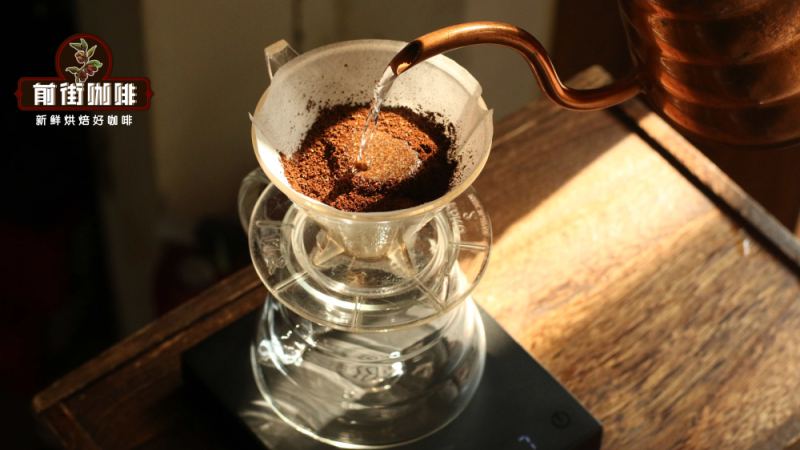
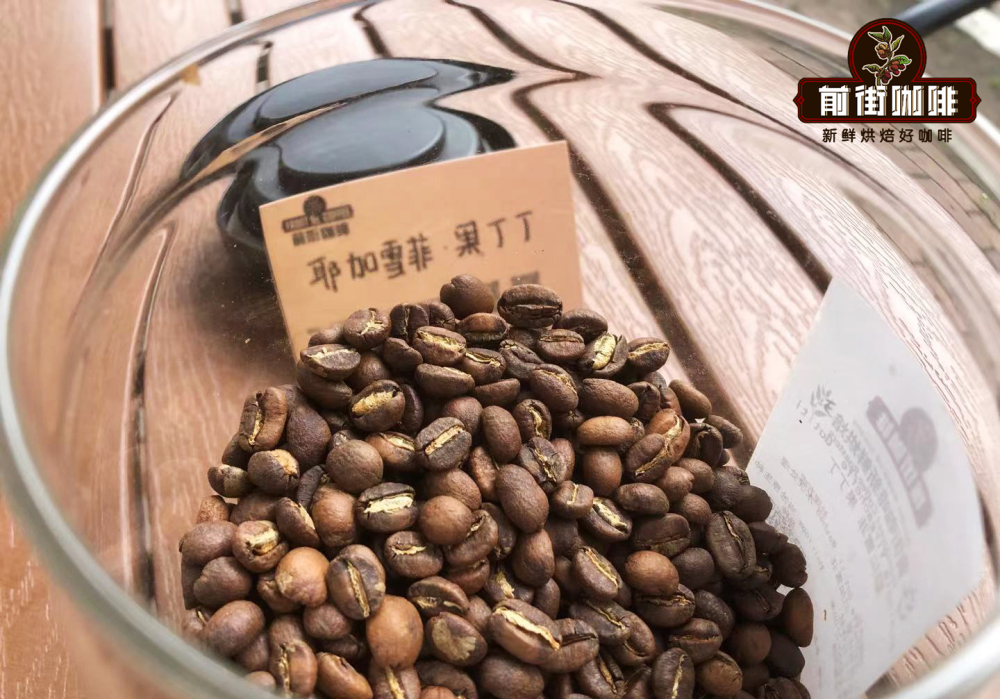
This time we switch to the perspective of the center pouring method. If this method really had no merit, then it should only be found in historical records now. In fact, quite a lot of people do brew coffee this way! Let's do a comparative experiment, using Front Street Guodingding coffee beans as a demonstration, comparing center pouring and spiral pouring. Given that in the previous comparison, the center pour's stream would produce turbulence with even a slight angle, this time we use a low-flow stream for both so the stream is less likely to develop an angle.
This time both pouring methods use a one-pour technique, while the blooming stage still uses spiral pouring. After confirming that the coffee bed state is not too problematic, we tested the concentration of the two cups of coffee. The results were: center pouring had a concentration of 1.23%, and spiral pouring had a concentration of 1.10%.
In other words, under low-flow conditions, center pouring actually had a higher extraction yield than spiral pouring. Front Street identified two reasons that may lead to this result.
The first reason is temperature. Although the kettle temperature is the same for both, the water temperature participating in extraction within the coffee bed is not necessarily the same. If you have paid attention to Front Street's previous article "What Is the Difference Between Brewing Coffee with a High Water Column and a Low Water Column," you would know that a high water column contacts more air and loses more heat, resulting in a lower extraction yield than a low water column. This situation is very similar: a stationary pour contacts less cold air than a spiral pour, so it retains heat better.
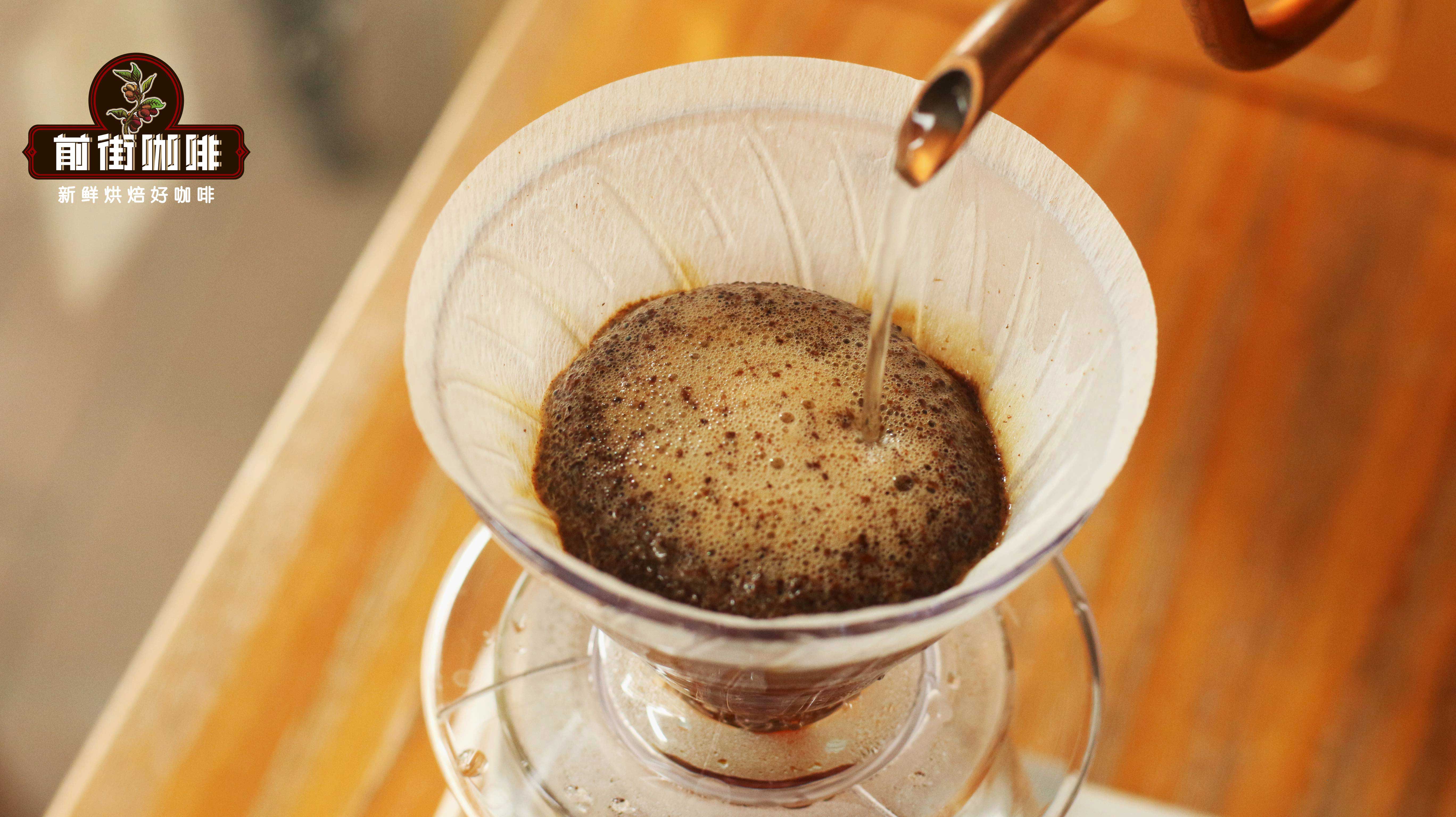
The second reason is that center pouring contacts more coffee grounds. Most of us still use conical drippers to brew coffee now, and this dripper has a characteristic: it is wide at the top and narrow at the bottom, with a thicker coffee bed in the middle and a thinner coffee bed around the edges.
From a top-down view, spiral pouring does achieve "even pouring," but from a side view, that is not necessarily the case.
With center pouring, however, the thickest coffee bed in the middle can be fully extracted, while the water also has a diffusion effect and will spread to the surroundings, replenishing the thinner coffee bed around the edges. In this way, less water quietly escapes, and more coffee substances are extracted.
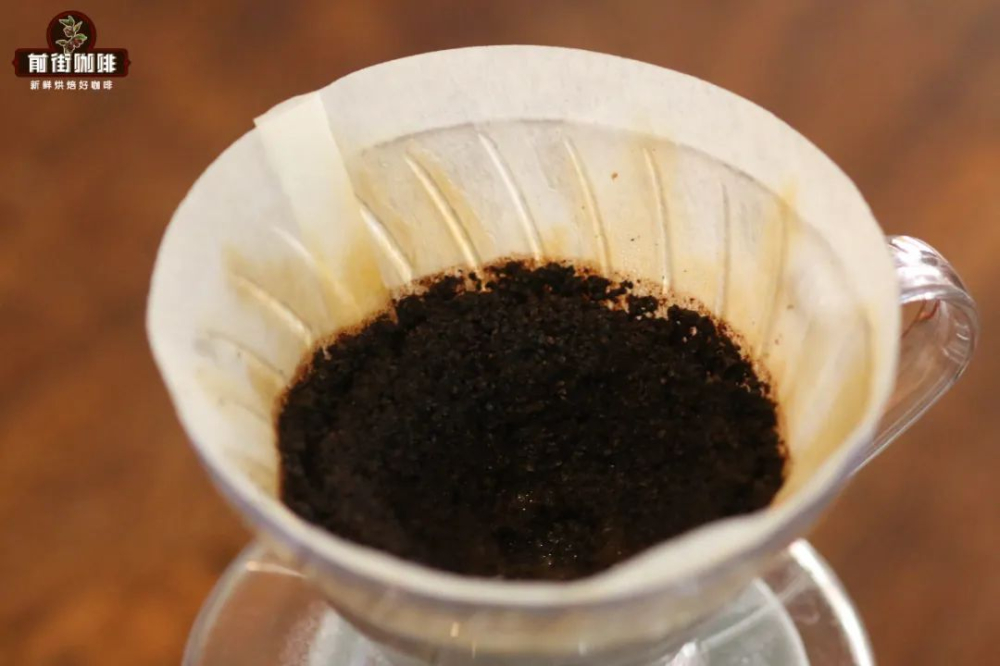
In the same experiment, Front Street tasted the coffee after testing the data. Front Street found that the coffee from center pouring had a relatively concentrated flavor profile and also had a bitter taste. The spiral pour, however, was quite soft and pleasant. It seems that the extraction yield calculated from the measured concentration only represents the overall extraction. In reality, center pouring caused uneven extraction with a high extraction yield in the center and a low extraction yield around the edges; the high and low averaged out to the overall extraction yield Front Street measured.
Next, let's look at how three-pour center pouring differs from three-pour spiral pouring. The parameters were basically the same as above, except the one-pour was changed to a three-pour. The measured concentration for center pouring was 1.32%, and for spiral pouring it was 1.45%.
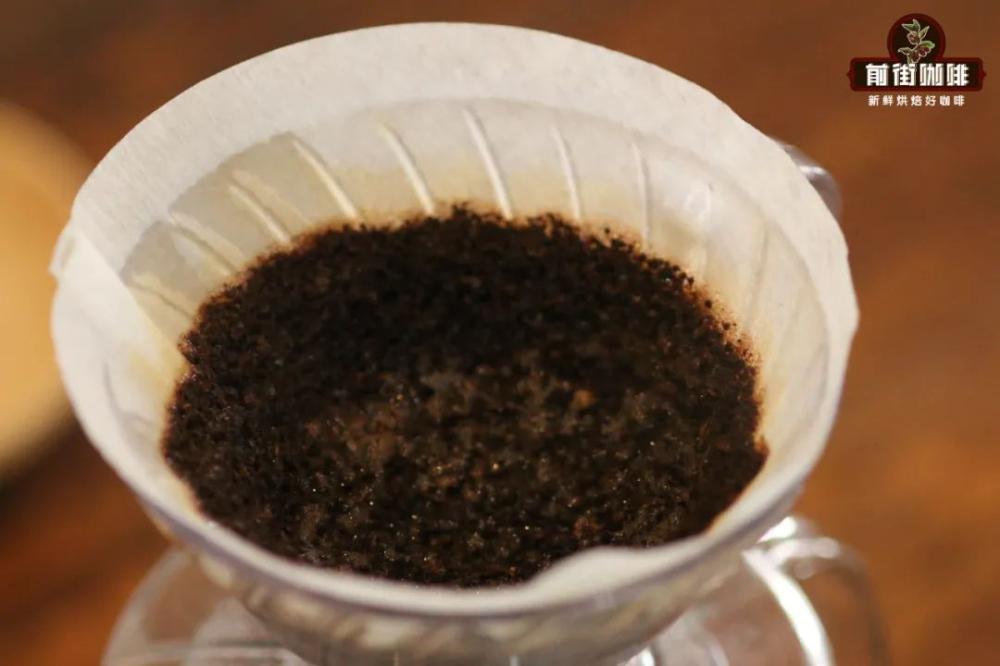
In this round of comparative experiments, it was instead the low-flow spiral pour that had the higher extraction yield. This is because the coffee bed height was lower than with the one-pour, and the pouring time was extended, meaning the scouring effect of the water stream became more pronounced in the latter half. It also benefited from the water level not being raised high, so less water escaped from the edges.
Therefore, from these experiments, it is easy to explore and derive a pouring method that combines spiral and center pouring. The more mainstream brewing logic is to use a three-pour extraction: first, pour as usual during the blooming stage; for the first pour, use a spiral pour to achieve even saturation; for the second pour, use a small spiral pour to ensure extraction and reduce turbulence; for the third pour, use a center pour to suppress extraction and avoid the appearance of off-flavors.
The above content is compiled by CoffeeHunters, a coffee news website.


