







How Do Pouring Methods Change Coffee Extraction?
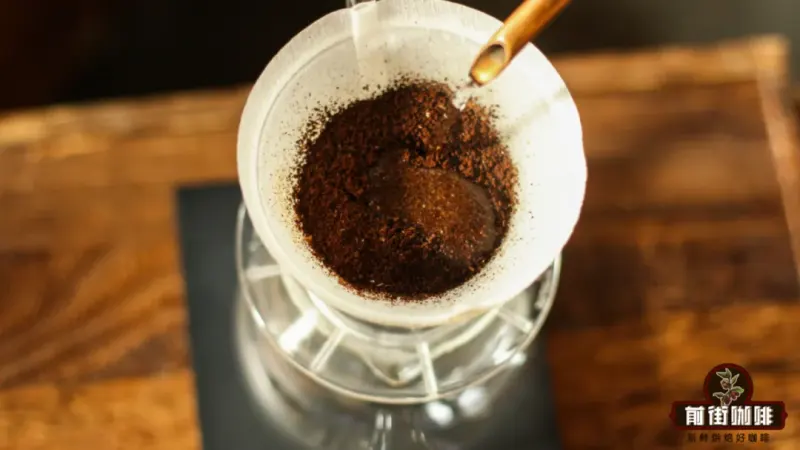
Pour-over brewing depends entirely on manual pouring, and small changes in how water is delivered shift the extraction yield. Pulsing, pouring height, and circling versus a fixed center point each change turbulence and how evenly the coffee bed is saturated. The practical goal is to land within the 18% to 22% extraction range that the Golden Cup theory treats as the accepted target for a balanced cup.
Coffee beans contain roughly 30% soluble material, but not all of it is worth extracting, since some compounds taste harsh. Because pouring is controlled by hand, two brewers using the same coffee, grinder, and ratio can still finish with different results. Understanding what each pouring variable does makes it easier to adjust extraction deliberately instead of copying a recipe by feel.
The biggest difference between pour-over coffee and other extraction methods is that the entire brewing process relies on manual pouring. Pouring water serves both to create turbulence and speed up the dissolution of flavor compounds, and to ensure that coffee grounds in different positions receive relatively consistent extraction. Because it depends on human operation, any slight change during pouring can directly affect the final extraction yield. Front Street often says that about 30% of coffee beans consists of soluble substances, but not all of them need to be extracted. According to the Golden Cup extraction theory, 18%–22% is the extraction yield range generally accepted by most people. To stably fall within this range, besides choosing parameters with a high margin for error, understanding the principles behind pouring is equally crucial. From Front Street's perspective, this article breaks down how three variables—pulse pouring, pouring height, and circling versus fixed-point pouring—act on extraction yield, helping you understand why you should pour this way and how to adjust.
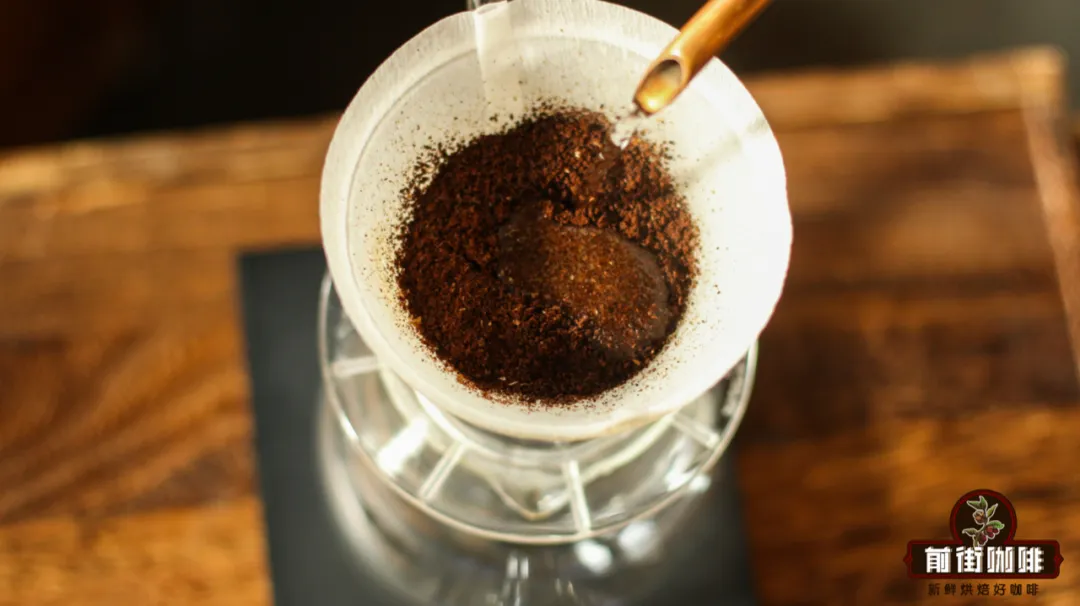
The core difference between pour-over coffee and other extraction methods is that the entire brewing process requires a person to continuously pour water. This serves two main purposes: first, to create turbulence so flavor compounds dissolve faster; second, to make the coffee grounds in different positions extract as evenly as possible. And precisely because pouring is controlled by a person, any tiny operational difference can shift the extraction yield. Front Street often emphasizes that coffee beans contain about 30% soluble substances, but this 30% is not all meant to be extracted, because some of these components are not pleasant. According to the Golden Cup extraction theory, the extraction yield range more widely accepted by the public is 18%–22%.
In other words, if you want a good-tasting cup of coffee, you need to control the extraction yield within this range. To achieve this, besides relying on parameters with a relatively high margin for error, understanding the principles behind pouring is also essential. This also explains why different people brewing with the same beans, the same equipment, and the same parameters can still end up with differences in the final coffee's taste. Therefore, today Front Street will sort out the underlying logic of pouring. Once you understand why you should pour this way, you will also understand how to adjust the extraction yield—in other words, you will know how to pour.
Pulse Pouring
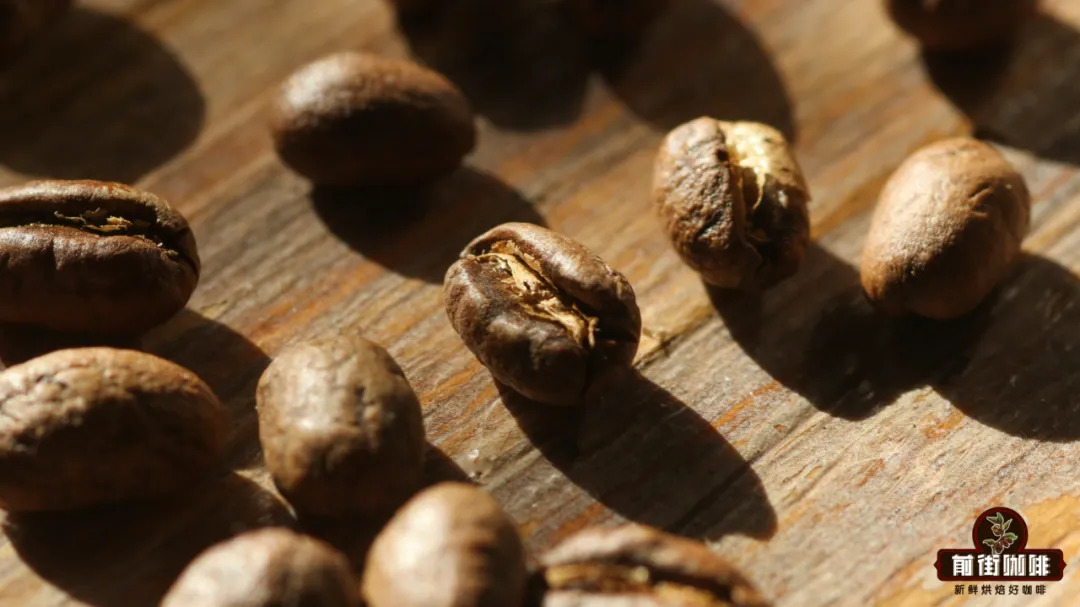
Let's first talk about the logic behind pulse pouring. For most brewing methods, the most intuitive difference is how many pours the pouring is divided into. For example, the one-pour method means that after blooming ends, the remaining total target water volume is poured all at once; the three-pour method means dividing the remaining total water volume after blooming into two pours; and the 4:6 method divides it into five pours.
With the same coffee-to-water ratio, the more pours there are, the less water is poured in each pour, and the extraction yield rises accordingly. There are two main reasons the extraction yield increases. First, pulse pouring lengthens the extraction time. Dividing hot water into multiple pours adds extra time waiting for the hot water to fully penetrate, and during this time water and coffee grounds come into fuller contact, so the extraction yield is relatively higher.

The second point is also the most critical. The reason hot water can dissolve the flavor compounds in coffee is that it seeps into the interior of the coffee grounds through capillary action, and then the flavor compounds inside the grounds migrate from inside to outside along the liquid due to the concentration difference. The more substances dissolved, the higher the concentration of the liquid outside the coffee grounds. As the concentration difference between inside and outside the grounds gradually narrows, the extraction yield also declines. Pulse pouring is precisely meant to lower the concentration of the liquid outside the coffee grounds: let the liquid that has already become highly concentrated finish seeping through first, then pour in fresh hot water, so that a suitable concentration difference between inside and outside the coffee grounds can be maintained over a long period, keeping the hot water at a vigorous extraction efficiency. Combining the above two points, the more pours there are, the higher the extraction yield.
Pouring Height
The pouring height determines how strong the water flow's penetrating force is. When the pouring position is lower, the water flow's penetrating force is relatively weaker; conversely, the higher the pouring position, the stronger the water flow's penetrating force.
The penetrating force of the water flow determines the water's extraction efficiency on the coffee grounds. The stronger the penetrating force, the faster the flavor compounds in the coffee grounds dissolve, and vice versa. Just like the example Front Street often gives—dissolving granule particles: in daily life, when brewing a packet of Banlangen or other instant granules, if you rely only on hot water to dissolve them, it takes a long time for them to fully dissolve (the principle is the same as the previous point). Therefore we use a spoon or chopsticks to stir and speed up the dissolution of the granules. Coffee is the same, except the stirring tool is not a spoon, but the water stream.
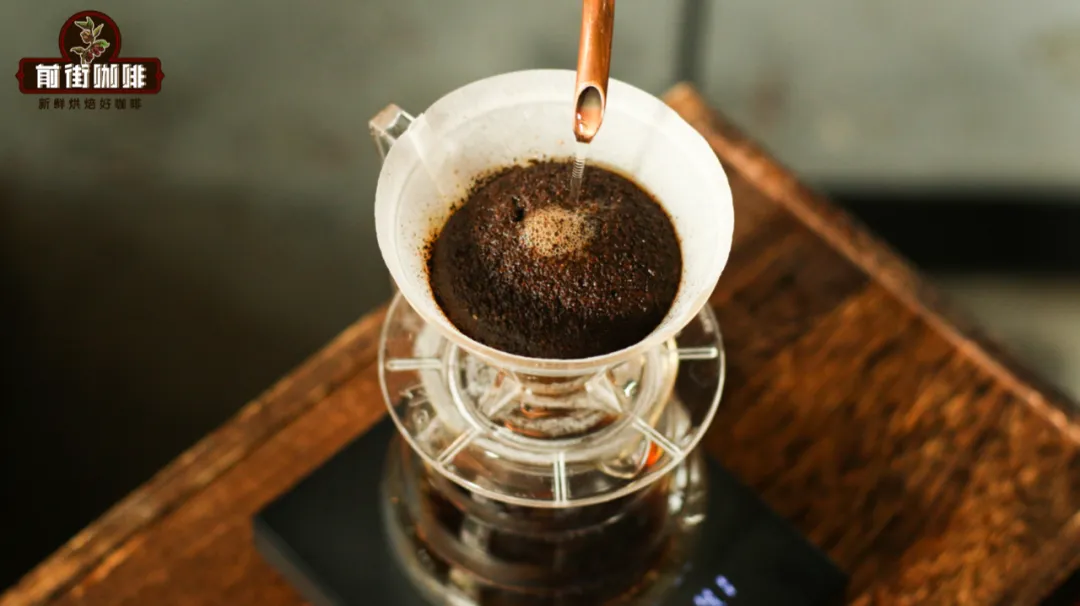
It should be noted that when the pouring height reaches a certain point, the water stream turns into falling water droplets and loses its penetrating force. So there is not no upper limit to the height when pouring. Moreover, the higher the pouring height, the more heat is lost from the hot water, and the extraction yield decreases as a result. For more detailed content, you can refer to this article → "The Influence of Pouring Height"
Circling or Fixed-Point
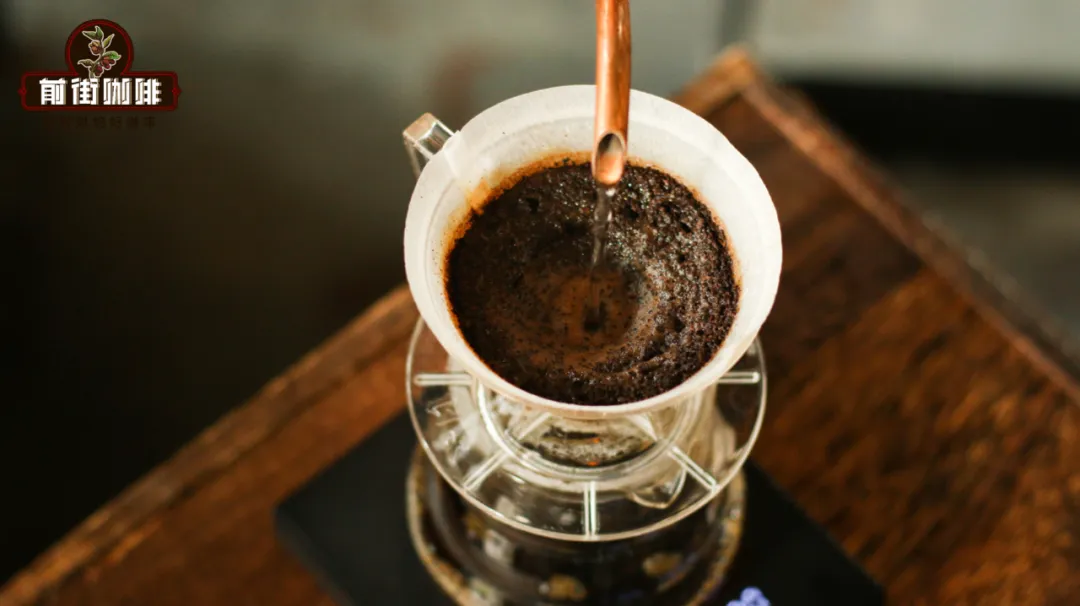
Circling and fixed-point pouring are a topic Front Street often brings up for discussion. Circling pouring means controlling the kettle to continuously draw circles during pouring, so that the landing point of the water stream keeps changing. Fixed-point pouring means fixing the spout above the center point of the dripper and continuously pouring hot water without moving.
(Circling Pouring)
The above content is compiled by CoffeeHunters, a coffee news website.


