







How does hand poured coffee work with the meteor pour-over method?
The meteor pour suits dark roast beans because their loose structure and high water absorption release plenty of gas on contact with hot water, so continuous center pouring spreads outward on its own. In a conical dripper the coffee bed is thicker at the center, and center pouring pushes water through more grounds for a stronger, mellow cup.
Key parameters for this method of what is hand brew coffee: coarse grind at roughly 65% passing a No. 20 sieve, water at 86 to 88°C, and a 1:12 coffee-to-water ratio. Pour two parts water for a 30-second bloom until the bed domes up, then pulse-pour at the center, and finish with an outward spiral.
Dark roast coffee beans, due to their fluffy texture and strong water absorption, release a large amount of gas upon contact with water when fresh, which creates the conditions for a unique brewing method—the meteor shower pour. This article provides a detailed introduction to the principles and operational steps of this pour-over technique, including key parameters such as grind size, water temperature, and coffee-to-water ratio, as well as the pouring details of the three stages: blooming, pulse pouring, and outward spiraling. Front Street Coffee has pointed out that in a conical dripper, the coffee bed is thicker at the center, and center pouring can extract a more intense coffee liquid, making this method especially suitable for medium-dark roast beans, highlighting a rich and mellow flavor. If you want to try a different pour-over experience, feel free to follow the steps and give it a try.
The meteor shower pour technique is particularly suited for extracting dark roast coffee beans. It cleverly takes advantage of the loose structure and high water absorbency of dark roast beans—when the beans are relatively fresh, they release a large amount of gas upon contact with hot water, so even if you continuously pour water at the center, the flow will naturally spread outward.
Front Street has previously analyzed the principle of center pouring: in a conical dripper, the coffee bed at the center is usually thicker than at the edges, so pouring from the center actually makes the water pass through more coffee grounds, resulting in a more intense brew. For this reason, medium-dark roast beans brewed this way more easily display a full aroma and mellow body.
The specific brewing parameters are as follows: use a coarse grind for pour-over, approximately 65% passing a No. 20 sieve; maintain water temperature between 86 and 88°C; and a coffee-to-water ratio of about 1:12. The water amounts mentioned below are calculated in units of coffee dose; 1:12 means the total water is 12 times the weight of the coffee grounds.
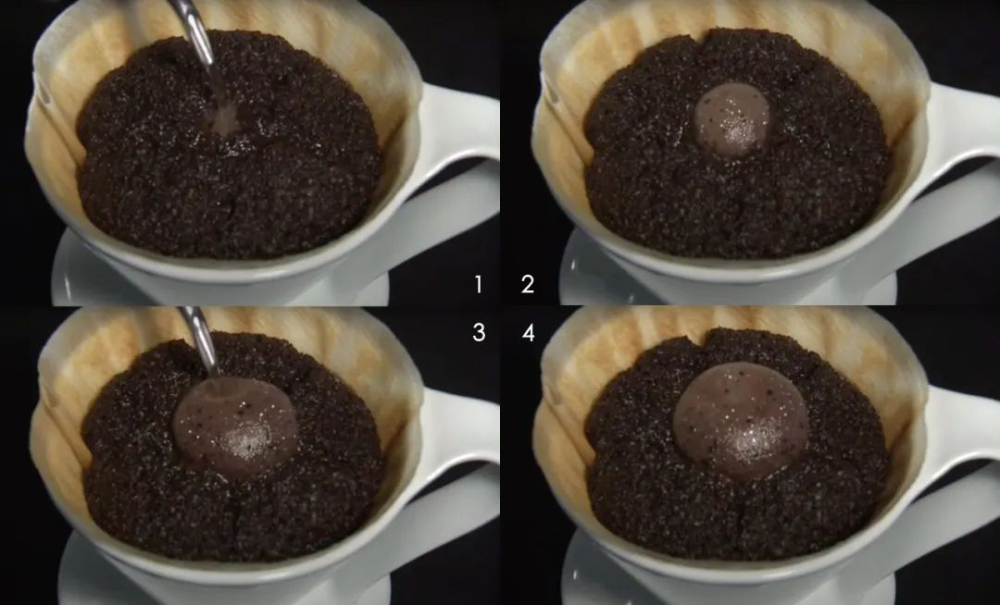
The first stage is the bloom. First pour 2 parts water and let it bloom for 30 seconds, making sure all coffee grounds are saturated. Under normal conditions, the coffee bed will expand into a large "hamburger" shape.
The second stage uses a pulse pouring method. First, pour a small amount of water at the center to release some of the coffee foam; the purpose of this step is to observe the gas emission within the coffee bed. If a large amount of foam emerges, it indicates the beans are still quite fresh, so the pouring should be finer and slower, and divided into multiple pulses.
When the coffee bed begins to sink, continue using the "pulse" technique to add a small amount of water, causing the hamburger to puff up again. Repeat this process until a cumulative 6 parts water has been poured in this stage.
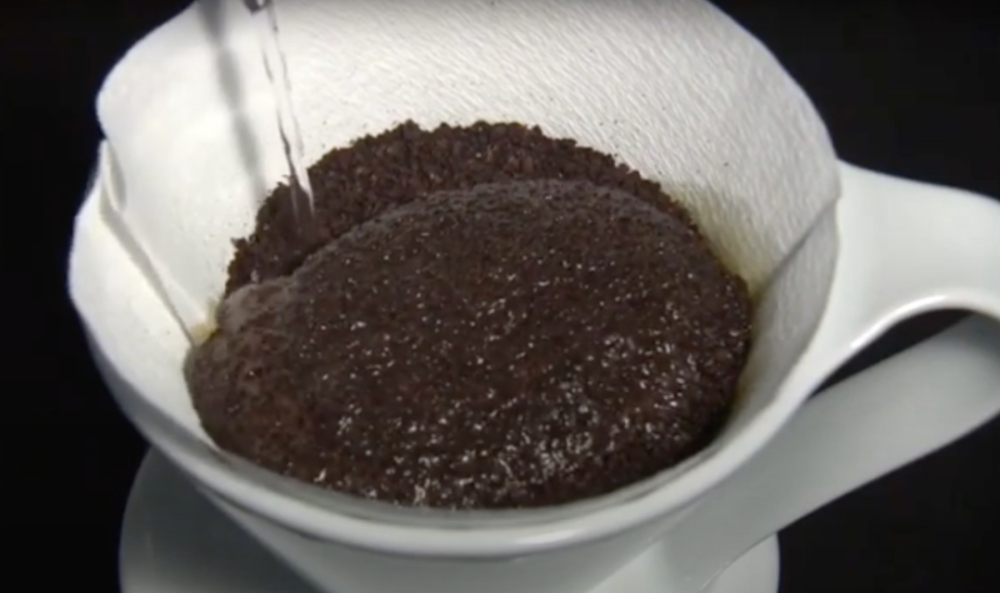
In the third stage, switch to a small stream and slowly expand the pouring outward in a circle. Once the foam on the outer ring is washed to a light brown color, spiral back to the center, maintaining a small circular pouring motion throughout. The water amount for this stage is 4 parts water.
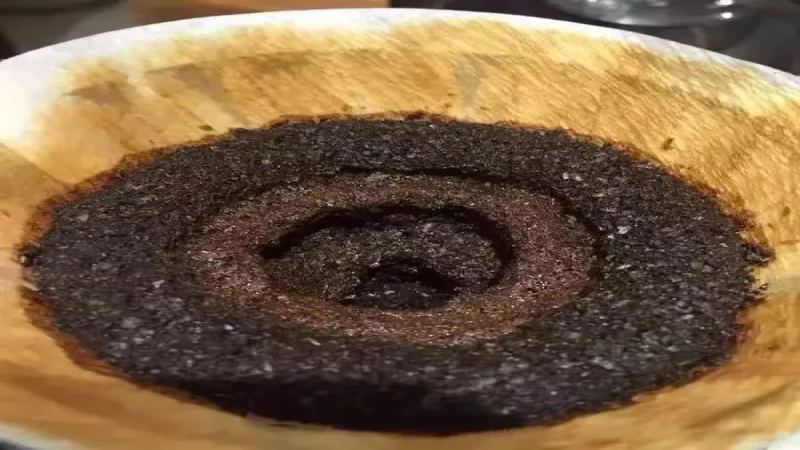
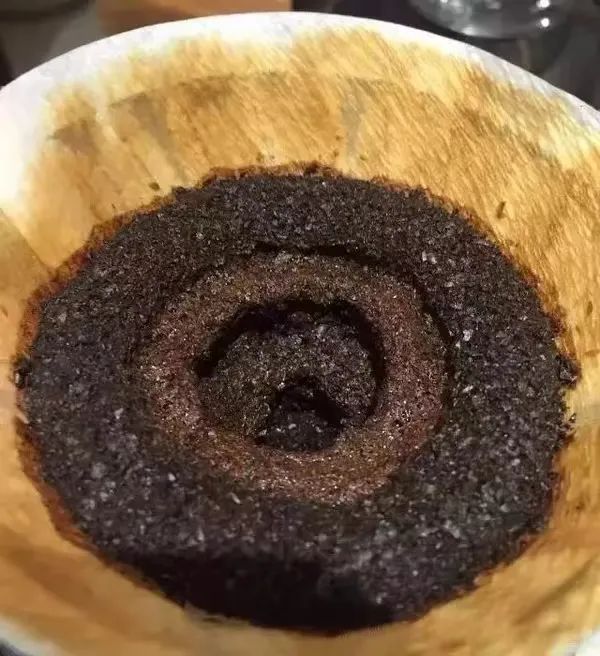
Afterward, wait for the coffee liquid to finish dripping completely, and you will see that iconic meteor crater.
Friends interested in pour-over might as well give it a try themselves. After all, one of the joys of pour-over is trying out some unconventional methods.
.
The above content is compiled by CoffeeHunters, a coffee news website.


