







Search Results for: 2 minutes
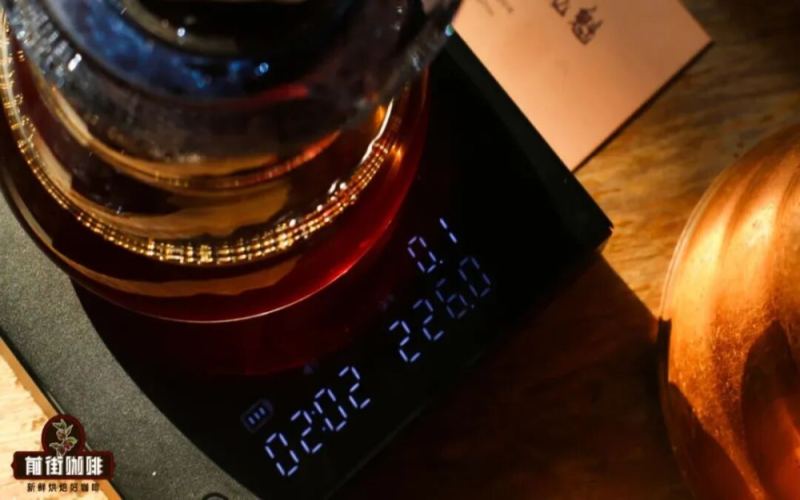
How to Keep Pour-Over Coffee Extraction Time Stable at 2 Minutes? A Practical Adjustment Guide for Dark and Light Roasts
In pour-over coffee, brew time is not an actively controllable parameter, but rather a mirror that reflects whether grind size, coffee-to-water ratio, pouring technique, and dripper choice are in harmony. Many tutorials treat 2 minutes as the ideal checkpoint, but beans of different roast levels offer noticeably different resistance to hot water penetration—dark roasts flow quickly, while light roasts tend to clog, so the time naturally fluctuates. Front Street Coffee uses two beans—Colombia Huila and Ethiopia Sidamo Hamasho—to demonstrate the pouring rhythm, staged strategies, and flow-rate correction methods for dark and light roasts respectively, helping beginners keep brew time within a reasonable range and understand the direction of adjustment behind the time feedback. [more…]
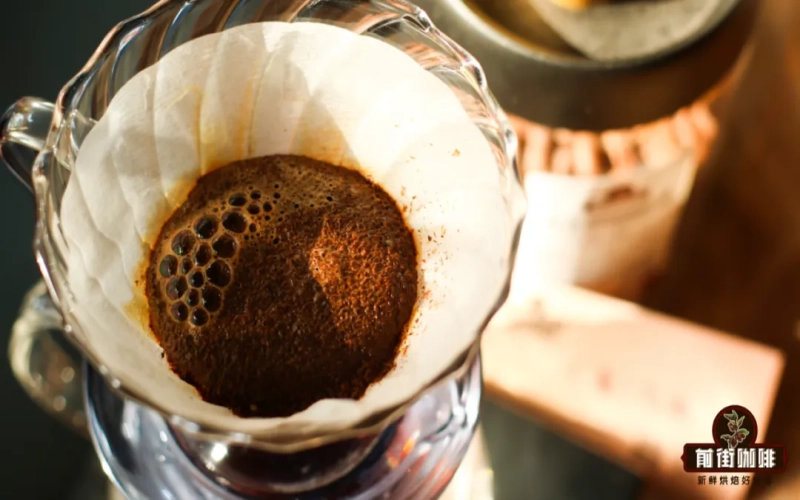
How to Control Pour-Over Coffee Extraction Time? Is 2 Minutes the Golden Standard and How to Respond to Over-Extraction
The brewing duration of pour-over coffee has always been a focal point for enthusiasts: what should you do if the coffee hasn't finished draining after 2 minutes? How long is considered normal for brewing? Starting from Front Street's brewing practice, this article analyzes the impact of time on extraction, explains why 2 minutes is often regarded as a reference standard, and also points out that time is not the only variable. Using light-roasted Huakui and Guodingding as examples, it demonstrates how to match different bean conditions by adjusting water temperature, grind size, dripper, or staged extraction, helping readers understand the importance of parameter coordination rather than obsessing over a single time metric. [more…]
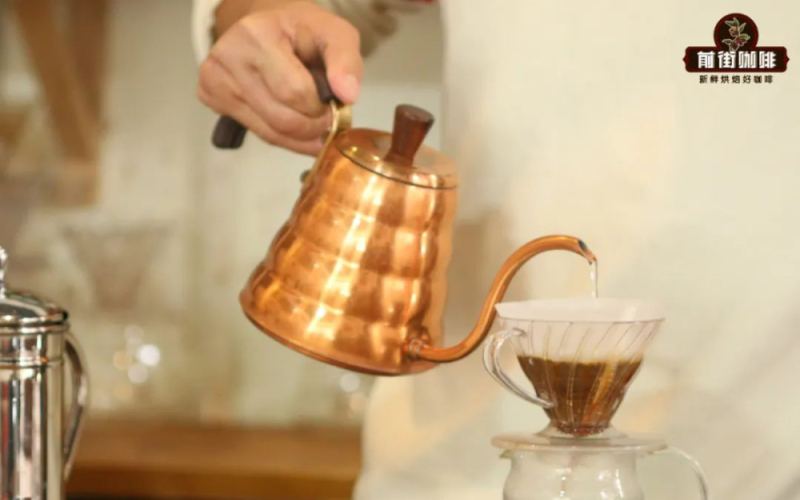
How to Master the Timing of Pulsed Pouring in Pour-Over Coffee? A Detailed Guide to the Water Volume and Time Nodes of the Three-Pour Method
Segmented pouring is a common yet difficult-to-master method in pour-over coffee, with the challenge lying in judging when to stop pouring and when to pour again. This article uses Front Street Coffee's three-stage brewing as an example to explain in detail the techniques for judging pouring checkpoints. The article points out that you should not wait for the water to finish flowing before pouring again; subsequent pours should bring the coffee bed height to exactly the same level as the previous stage to ensure even extraction. Using 15g of coffee grounds as an example, the first stage is blooming, pouring 30ml of water and waiting 30 seconds; the second stage pours water to 1/2 of the short rib, with a reference water amount of 120ml, taking about 55 seconds to 1 minute; the third stage involves observing the water level dropping, and when it falls to 1/2 between the coffee bed and the filter wall, pour 90ml, with a reference time of 1 minute 10 seconds to 1 minute 15 seconds; pouring ends at about 1 minute 30 seconds to 1 minute 35 seconds, and the coffee liquid finishes flowing at about 2 minutes to 2 minutes 10 seconds. The logic for four-stage pouring is the same. [more…]
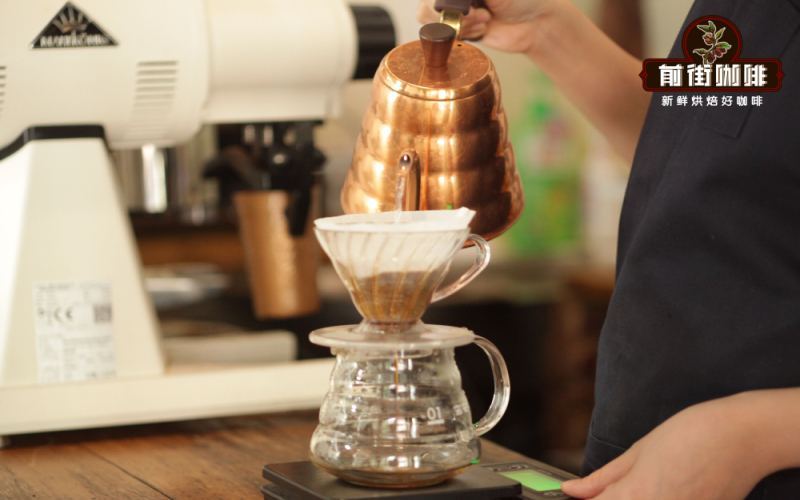
How Long Should Pour-Over Coffee Extraction Take? A Flavor Control Guide for 15g Coffee: 1:50 to 2:30
How long should you brew pour-over coffee for the best taste? This is a question many enthusiasts agonize over again and again. Using a size 01 dripper and 15 grams of coffee as the baseline, this article gives the optimal extraction window of 1 minute 50 seconds to 2 minutes 30 seconds, and starting from the principles of coffee extraction, explains how brew time affects the dissolution of flavor compounds, as well as what taste profiles under-extraction and over-extraction each produce. It also breaks down how three key variables—grind size, dripper type, and pouring technique—specifically affect the flow rate, helping you control timing more consistently in your daily brewing and make a well-balanced cup of good coffee. [more…]
How should pour-over coffee extraction time be determined? The controversy and practical recommendations on whether blooming should be timed
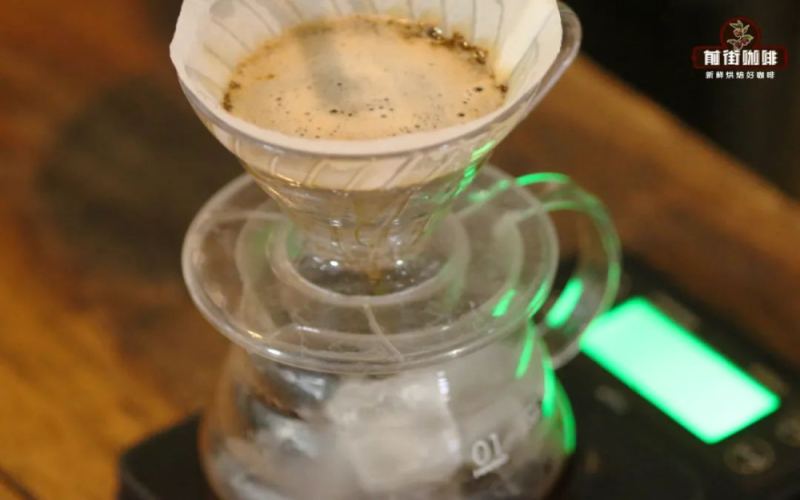
When brewing pour-over coffee, the timer function on a digital scale is often overlooked, yet it is crucial for judging extraction results. Front Street Coffee recommends keeping the total extraction time at around 2 minutes, in practice falling between 1 minute 50 seconds and 2 minutes 10 seconds. However, there is disagreement over when to start the timer: should it begin the moment water is poured, or should the clock only be started after pouring is finished? Front Street believes that extraction begins the instant the coffee grounds touch water, and therefore insists on timing from the very first second of pouring. This article builds a pouring model around time milestones, explaining how to troubleshoot issues such as flow rate and grind size through segmented timing, making time an effective diagnostic tool for brewing. [more…]
A Complete Analysis of Pour-Over Coffee Brewing Time: Extraction Logic from Dripper Structure to Pouring Technique and a 2-Minute Standard Recipe
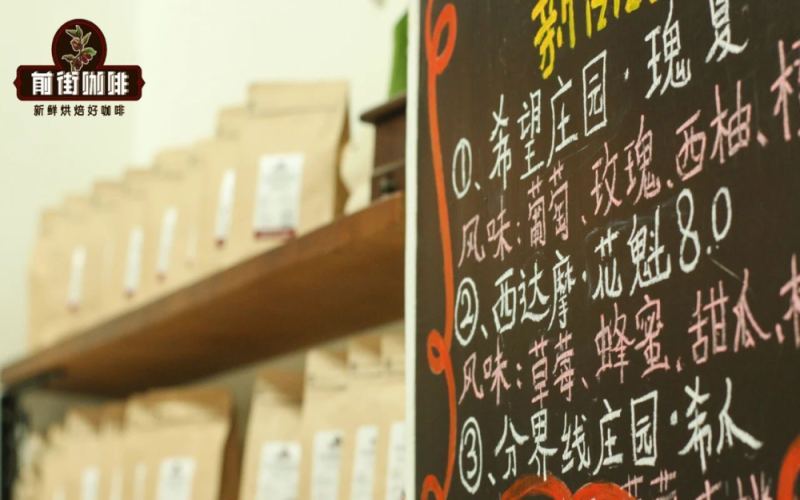
How long exactly should the brew time for pour-over coffee be controlled to? This question seems simple, but in reality it involves the combined effects of multiple variables such as the structure of the dripper, the dose of coffee, the pouring speed, and the grind size. Brew time is essentially the duration of contact between coffee grounds and water, which directly determines the degree to which flavor compounds are dissolved. This article will start from the principles of extraction, analyze one by one the various factors that affect brew time, and share a basic brewing recipe commonly used in Front Street Coffee stores—15 grams of coffee, a 1:15 coffee-to-water ratio, a V60 dripper, three-stage pouring, with a total time of about 2 minutes—suitable for beginners new to pour-over to imitate and practice. [more…]
Brewing Time | How Long Does It Take to Make a Pour-Over Coffee? Does a Longer Coffee Extraction Time Make Pour-Over Coffee Taste Better?
Many people, when preparing instant noodles, strictly follow the "scientific instant noodle method," using a stopwatch to steep the noodles in 100°C boiling water for exactly 3 minutes, all to achieve the best possible texture. Similarly, when brewing coffee, we also time it precisely, with the same goal: to consistently brew a delicious cup of coffee. [more…]
A Complete Guide to Honduran Coffee Origins: Flavor Characteristics, Grading System, and Main Producing Regions
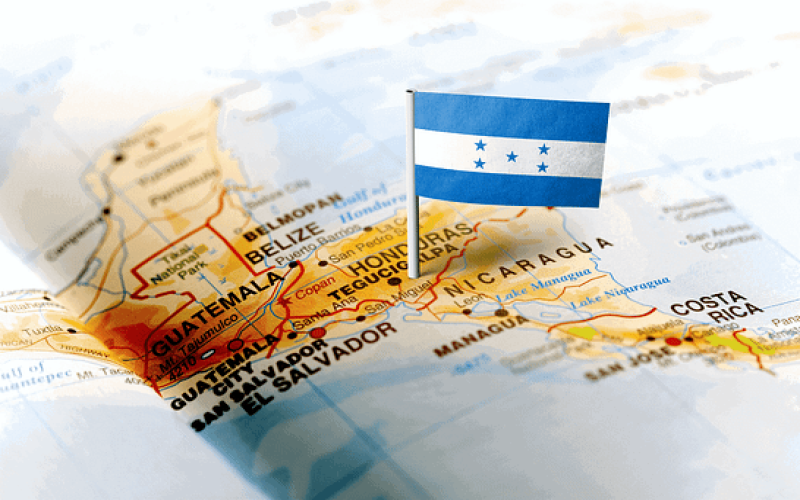
Honduras is now one of the most important coffee-producing countries in the world, but just a few decades ago, its coffee industry lagged far behind its neighboring countries. From the perspective of Front Street Coffee, this article systematically reviews the development history, flavor characteristics, grading standards, and six core producing regions of Honduran coffee, and includes Front Street's roasting and brewing practice notes on several Honduran beans. Whether you want to understand the overall picture of Honduran coffee or are looking for flavor clues for a specific producing region, this article can provide valuable reference. [more…]
A Comprehensive Analysis of the Differences in Coffee Bean Varieties and Flavor Characteristics Between Ethiopian Sidamo and Yirgacheffe
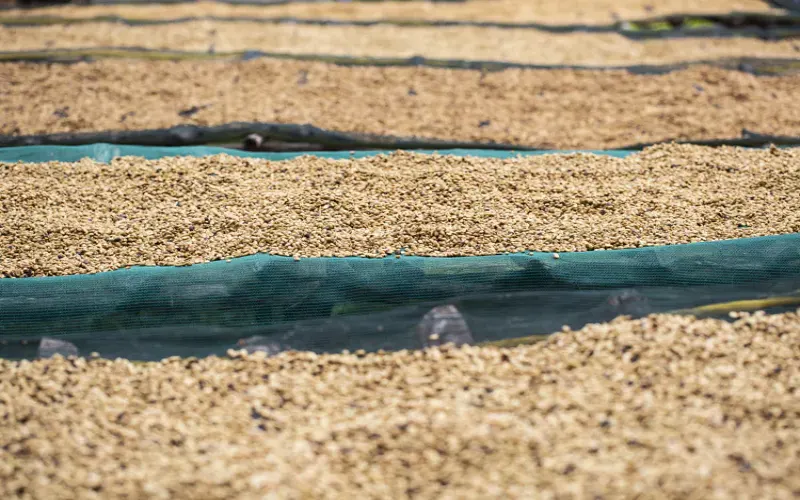
Ethiopia, as a crucial birthplace of specialty coffee, has its two major producing regions, Yirgacheffe and Sidamo, frequently compared by coffee enthusiasts. Although both belong to southern Ethiopia, they present distinctly different flavor profiles due to variations in variety, altitude, processing methods, and microclimate. From the sourcing perspective of Front Street Coffee, this article systematically reviews the regional backgrounds, representative beans, roasting curves, and brewing parameters of Yirgacheffe and Sidamo, helping readers understand the differences between Yirgacheffe's floral and citrus notes and Sidamo's berry and honey sweetness, while providing practical extraction advice so that every cup of Ethiopian coffee can display its best state. [more…]
Yunnan Catimor vs. Typica Pour-Over Comparison: A Complete Flavor Analysis from Origin and Variety to Roasting and Extraction
Yunnan, as the earliest coffee-growing region in China, boasts premium production areas such as Baoshan's Lujiangba, yet varietal differences profoundly influence pour-over flavor. This article begins with the historical origins of Catimor and Typica, the terroir of the production areas, and green bean characteristics, then meticulously documents the entire process of Catimor red cherry natural processing. Through multiple rounds of roasting curve cupping and three adjustments of pour-over parameters, it explores how to diminish Catimor's herbal and woody bitterness while preserving its steady fruit acidity and caramel sweetness. The article also compares the flavor trajectories of varieties such as Huaguoshan, making it suitable for pour-over enthusiasts seeking a deeper understanding of Yunnan coffee's varietal characteristics and extraction logic. [more…]
How Long Is a Normal Pour-Over Coffee Extraction Time? An Analysis of the Relationship Between Coffee Dose, Pouring Technique, and Time Parameters
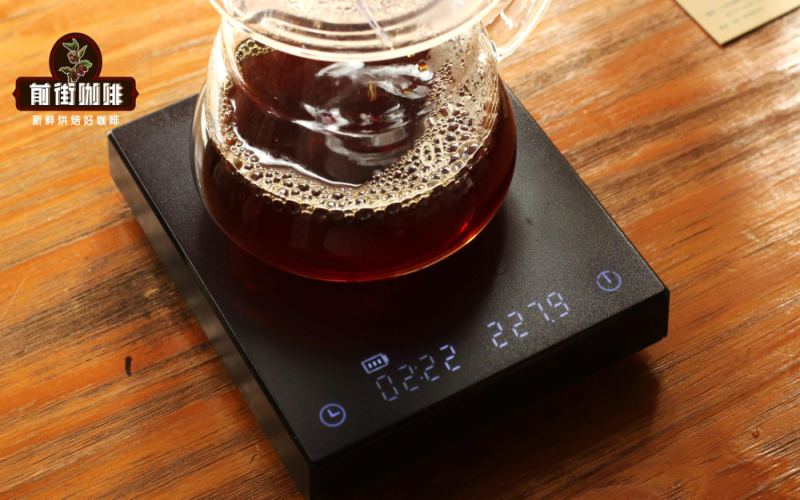
When using a scale with a timer for pour-over coffee, what practical significance does it actually have? The length of the extraction time directly reflects the direction of the coffee's flavor—too long, and it becomes strong and bitter; too short, and it turns weak and thin. But extraction time is not a variable that can be controlled independently; it is constrained by many factors such as the dose, pouring method, and grind coarseness, making it a classic passive parameter. This article will systematically sort out the normal extraction range for a 15-gram dose, analyze the impact of increasing the dose and changing the number of pour stages on time, and explain how to use extraction time to judge whether the brewing parameters are reasonable. The article also includes the recommended brewing time for Front Street Yirgacheffe coffee beans for readers to compare and refer to. [more…]
How to Control the Extraction Time of Pour-Over Coffee? The Combined Effects of Dripper Structure, Coffee Dose, and Pouring Speed on Flow Rate and Flavor
The extraction time of pour-over coffee directly affects the final flavor strength and mouthfeel. This article breaks down how four dimensions—dripper structure, coffee dose, pouring speed, and grind size—influence the contact time between coffee grounds and water, and in turn change the coffee's layering and body. Using 15 grams of coffee, a 1:15 coffee-to-water ratio, and a V60 or KONO dripper as an example, a Front Street Coffee barista shares a 2-minute brewing recipe suitable for beginners, helping enthusiasts consistently recreate café flavors at home while understanding the logic behind different combinations such as fast brewing with a fine grind and slow brewing with a coarse grind. [more…]

How Long Should Pour-Over Coffee Extraction Take? Is Two Minutes a Hard Requirement? An Analysis of Factors Affecting Brewing Time
How long exactly should the extraction time for pour-over coffee be controlled? Is two minutes truly an unshakable standard? Starting from the relationship between extraction yield and time, this article explains why Front Street recommends 2 minutes ±10 seconds as a reference range, and clarifies the logic behind how this time matches Front Street's current brewing framework. At the same time, the article will sort out which variables directly change the speed at which water passes through the coffee bed during the entire pour-over process, among which grind size is one of the most critical influencing factors. Only by understanding the parameter interactions behind time can you more accurately judge the source of flavor deviations and make effective adjustments. [more…]
How to Fix Sour Blue Mountain Coffee When Brewing? A Comprehensive Analysis of Seven Brewing Methods and Techniques
How should you brew Front Street Blue Mountain Coffee to make it taste good after buying it home? This article compiles seven extraction methods suitable for Front Street Blue Mountain Coffee, from espresso, latte, and Americano, to various pour-over drippers, siphon, AeroPress, French press, cold drip, and Japanese iced pour-over. Each method provides specific coffee dose, water temperature, grind size, water-to-coffee ratio, and brewing steps. If you feel that the Blue Mountain Coffee you brew tastes too sour, the key issue often lies in the extraction method and parameter combination, as different brewers vary greatly in how they present acidity, sweetness, and bitterness. The article also compares the flavor differences between the Kalita扇形, cake cup, Kono, and V60 drippers, as well as the mouthfeel changes in siphon brewing when adding coffee grounds first versus later, making it easier for coffee enthusiasts to choose a suitable method according to their taste preferences. [more…]
From TOH Champion to Huakui 6.0: A Complete Analysis of Ethiopian Sidamo Hambela Natural Coffee
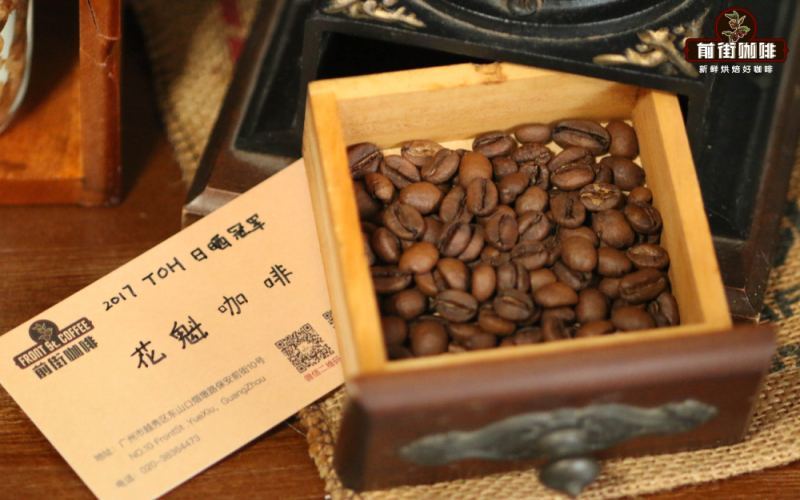
Huakui, a name well-known in specialty coffee circles, originates from a sun-dried lot from Hambela in Ethiopia's Guji region. In 2017, it made a stunning debut as the TOH champion, and has since been iterated year by year, progressing from Huakui 2.0 all the way to today's 6.0. This article will walk you through Huakui's complete origin background, award history, processing methods, green bean characteristics, roasting curves, and brewing parameters, while preserving Front Street Coffee's experience shared from actual cupping and service. Whether you are a beginner just getting to know African beans or a seasoned enthusiast passionate about sun-dried flavors, you will gain a systematic understanding and practical reference about this bean. [more…]
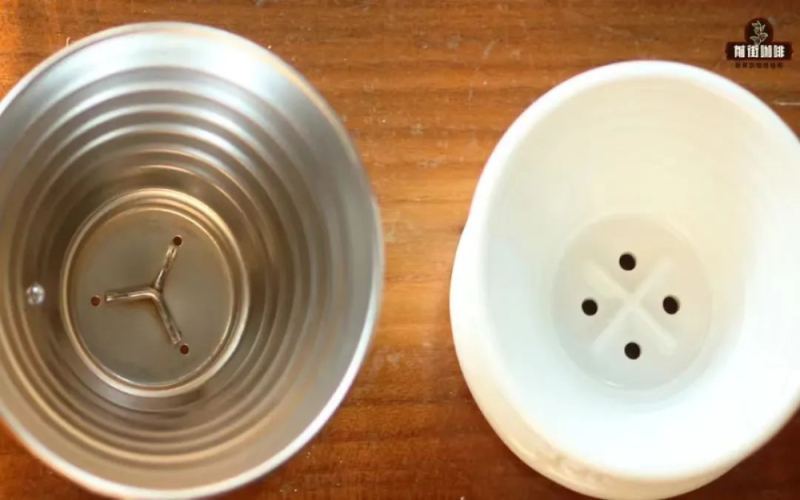
How do filter cup shape and flow rate influence pour-over parameters? How should extraction time be reasonably set?
Many coffee enthusiasts often wonder after switching filter cups: can the original pour-over parameters still be used, and exactly how long should the extraction time be controlled to be considered appropriate. Starting from the differences in filter cup shape and flow rate, and combined with Front Street Coffee's measured data, this article compares the extraction performance and flavor differences of the V60 and flat-bottom cake filter cup under the same parameters, explaining that the real purpose of parameter adjustment is not to pursue fixed values, but to serve the ideal taste. The article also provides a ranking of the flow rates of common filter cups, helping readers understand the relationship between filter cup characteristics and extraction time, so as to formulate brewing plans more flexibly. [more…]
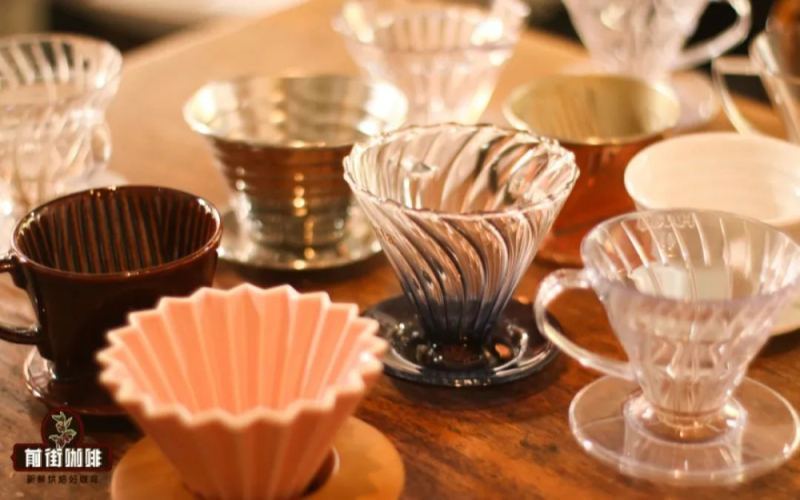
Should pour-over parameters be adjusted according to differences in dripper shape and flow rate?
In the practice of pour-over coffee, many enthusiasts directly apply common brewing frameworks, such as controlling the total extraction time to around two minutes. But in actual brewing, the same parameters may show significant time deviations due to different drippers. What exactly is going wrong behind this? The shape of the dripper, the size of the holes, and the distribution of the flow-guiding ribs all change the drainage speed, which in turn affects the final flavor. This article compares the measured performance of the V60 and the cake dripper to explore a core question: when facing drippers with different flow rates, must we re-plan the brewing framework? And how should we view the parameter of extraction time? [more…]
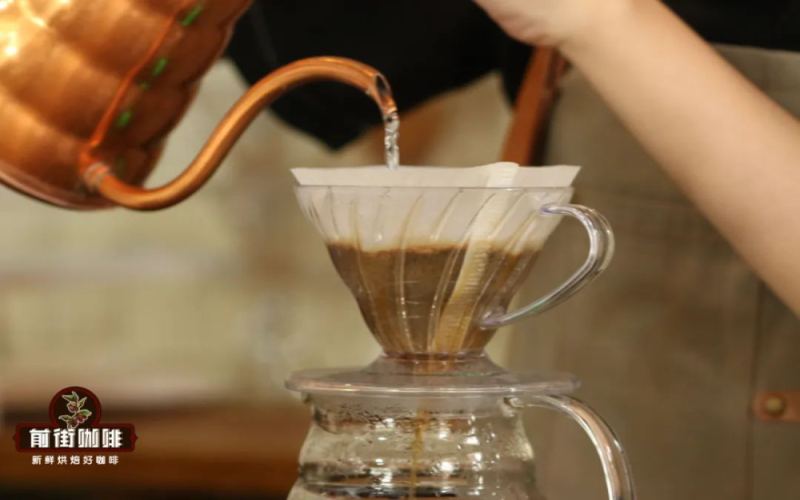
How to Control the Extraction Time of Pour-Over Coffee? Causes of Slow Drip and Practical Solutions
The extraction time of pour-over coffee is not an isolated number; it has a positive correlation with the extraction yield. When the extraction yield falls within the generally accepted ideal range of 18% to 22%, the coffee flavor usually performs better, and when this range is projected onto the time axis, it forms an optimal time range tied to a specific brewing recipe. Front Street Coffee uses the example of a light roast with 15 grams of grounds, a 1:15 ratio, 91°C, an 80% pass rate through a No. 20 sieve, and a three-stage pour, giving a reference range of 1 minute 50 seconds to 2 minutes 10 seconds. However, many enthusiasts find that even with identical parameters, the actual drip time may still be longer. This is often related to factors such as the grinder's particle size distribution and pouring habits. This article will break down these variables one by one and introduce the 4-6 brewing method, which uses time itself as a control lever, to help readers master the rhythm of pour-over more calmly. [more…]
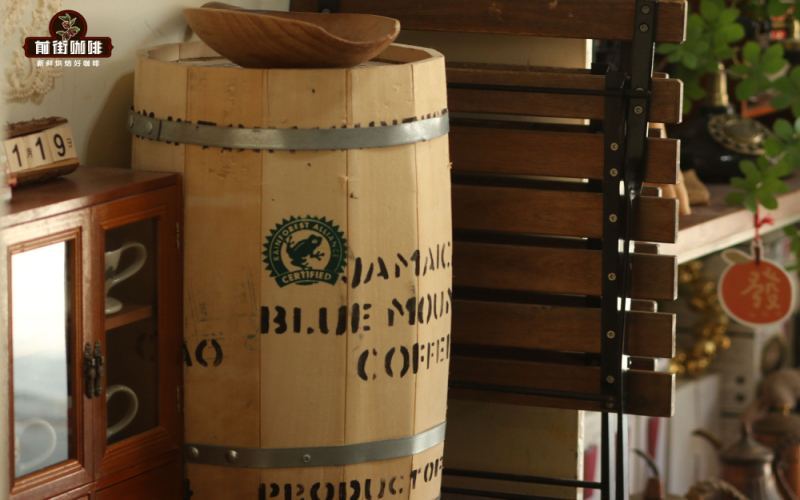
A Complete Analysis of Jamaican Blue Mountain No. 1 Coffee Beans: From History and Producing Regions to Identification Methods, with Pour-Over Parameters and Brewing Practice
Jamaican Blue Mountain coffee is a timeless classic in the world of specialty coffee. Even in 2020, Front Street Jamaican Blue Mountain No. 1 remains a formidable competitor that many new varieties find hard to shake. This article, from the perspective of Front Street Coffee, systematically sorts through the historical origins of Blue Mountain coffee, the definition of authentic growing regions, CIB grading standards, the characteristics of the Typica variety, and the two major misconceptions that people easily fall into when distinguishing authenticity. It also includes the green bean characteristics, roasting curves, and cupping flavors of Front Street washed Blue Mountain and sun-dried Blue Mountain, and provides hand-brewing parameters and staged pouring schemes for the Kono dripper, helping enthusiasts truly understand Blue Mountain, choose the right Blue Mountain, and brew a good cup of Blue Mountain. [more…]
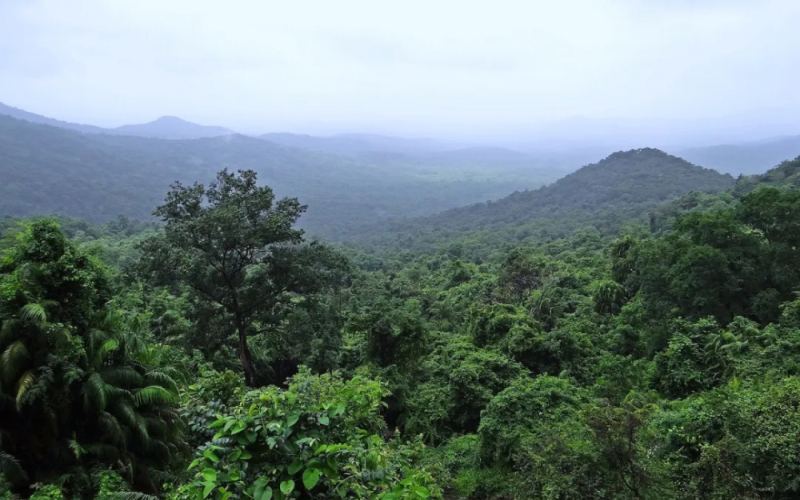
What Is Indian Monsooned Coffee (Monsooned Malabar)? A Full Analysis of Its Region, Varieties, Processing Method, and Brewing Flavor
When it comes to Asian coffee, most people first think of Indonesian Mandheling, but India also has a bean full of mystery—monsooned coffee, also called monsoon coffee or Malabar coffee. Its flavor does not come from artificial fermentation or sun-drying; instead, it relies on the hot, humid southwest monsoon winds of the Indian Ocean to make green beans swell and change color over weeks to months, reducing acidity and developing a unique profile reminiscent of nuts, grains, and genmaicha. Front Street Coffee will guide you through its origins, the Malabar region, its ports, the monsooning process, the characteristics of varieties such as Kents/S795/Catimor, and include roasting curves plus brewing comparisons using siphon, AeroPress, French press, and Kalita dripper, so you can understand this Indian curiosity—a bean that “depends on the heavens”—in one article. [more…]